
Reviewed · SANTIAGO DE COMPOSTELA AND GALICIA
From Santiago: Finisterre, Muxia, Ézaro – 7 stops day tour
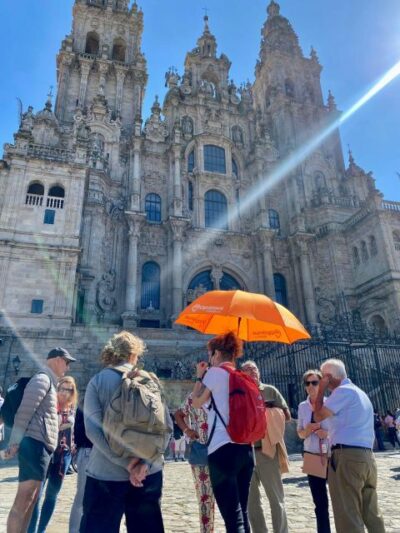
Galicia’s edge-of-the-world day trip starts in Santiago. This Costa da Morte route takes you from the Camino moment at Pontemaceira to Muxía, Finisterre, and the Xallas River as it plunges into the Atlantic, guided by pros like Maria who keep the day moving with stories that make the scenery click.
I like two things most. First, I really love the chance to walk the medieval stone bridge at Pontemaceira, the kind of small act that makes the Camino spirit feel real. Second, I love Ézaro, because Europe’s only river cascade into the ocean is the star of the day and it looks different from every angle.
The main drawback is simple: it’s a long day with lots of short stops. If you’re the type who wants to linger for hours, you might feel the clock at a couple of places, especially when the bus schedule has you moving on.
In This Review
- Key highlights you should care about
- Costa da Morte’s big draw: Camino spirit meets Finisterre myth
- From Santiago to the coast: pickups, bus comfort, and pacing that fits one day
- Muros first stop: a classic seaside break with real Galician charm
- Carnota’s hórreo: the rural monument that explains a whole way of life
- Ézaro and the Xallas River: Europe’s river-cascade-into-sea moment
- Finisterre and Fisterra: Cape views, lighthouse area time, and a real village break
- Muxía’s Sanctuary and Pontemaceira’s Camino bridge: the day comes full circle
- Live guide languages and audio support: how the day stays understandable
- Price and value: what $56 covers, and what you still need to pay
- Who this tour is for, and who should consider a slower plan
- Should you book this Finisterre, Muxía, Ézaro day trip?
- FAQ
- How long is the tour?
- Where are the pickup points in Santiago?
- What languages are offered during the tour?
- What is included in the price?
- Are meals included?
- What weather should I plan for?
- Is there free time to explore on my own?
- Is cancellation flexible?
- Are there rules about alcohol or drugs?
Key highlights you should care about
- Pontemaceira’s medieval stone bridge walk gives you that Camino-on-foot feeling without needing extra planning
- Ézaro Waterfall and Xallas boardwalks are built for photos, with dramatic views and easy access
- Finisterre cape time plus Fisterra free time means you get both iconic viewpoints and real wandering time
- Muxía’s Sanctuary of the Virgin of the Boat brings myth and coastal atmosphere into the same stop
- Muros and Carnota’s hórreo add variety, so it’s not all cliffs and water all day
- Live guide in Spanish and English plus audio options keeps information flowing without constant reading
Costa da Morte’s big draw: Camino spirit meets Finisterre myth
Galicia’s Costa da Morte is famous for a mix of legends and hard coast reality. You get the pilgrim framework at Finisterre, but you also get the “how people actually live here” side, especially around fishing villages and rural monuments.
The tour’s best trick is that it links those two worlds. You’re not just ticking off places with photos. You’re getting context as you travel, so when you look at the ocean at Muxía or feel the wind at Finisterre, you understand why this stretch of coast has a reputation.
And because this is a day trip from Santiago, it’s a practical way to “close” your Camino experience if you do not have time to stretch your walk further. You still get that sense of arrival, even if you’re arriving by bus.
From Santiago to the coast: pickups, bus comfort, and pacing that fits one day
This is a full-day trip that runs about 9.5 hours, and you’ll want to check starting times for the day you’re booking. The advantage is that the logistics are handled for you, with a coach that goes from Santiago to the coast and back.
You get four pickup points in Santiago de Compostela: Rúa do Hórreo, 23; Hotel Hesperia Peregrino; Continental Aparcadoiro La Salle; and Capela do Pilar. That matters because you’ll spend less time hunting for the correct meeting spot.
The bus is air-conditioned, and the ride is part of why this tour works for many people. One common theme in guidance you’ll hear from this kind of trip is that driving yourself would be the hard part, not the sightseeing. Here, you can focus on the scenery and the stops instead of finding parking and dealing with narrow roads.
Timing is built around short-to-medium visits. You’ll generally have enough time to park your feet, take photos, and see the main points. Still, it’s not a slow travel day. A couple of stops can feel short if you want to wander off for long stretches.
Weather is handled the same way every day in Galicia: it can change fast. This tour runs rain or shine, and you’re smart to bring a raincoat plus a jacket because coastal winds can surprise you. Comfortable shoes are non-negotiable since you’ll walk across terraces, boardwalks, and inside town centers.
Other Santiago de Compostela and Galicia we sat down and reviewed

Muros first stop: a classic seaside break with real Galician charm
One of the first places you’ll visit is Muros, with about 30 minutes there. It’s a port town stop that gives the day breathing room after your drive out from Santiago.
I like Muros for two reasons. One, you get a different feel than the cliff-and-water moments later. Two, it’s a place where you can slow down enough to notice everyday details: the harbor atmosphere, small streets, and the sense of a working coastline.
The time is short, so don’t plan to “see everything.” Instead, do what works best in a town like this: pick one direction to walk from where you’re dropped off, glance at the views, and grab a snack only if you find something you really want. If you’re hoping for a long café sit-down, you’ll likely save that for the Finisterre free time later.
If you’re a photo person, Muros is also a good warm-up. You’ll start to recognize the pattern of how Galicia frames water, stone, and boats along the coast.
Carnota’s hórreo: the rural monument that explains a whole way of life
Next comes Carnota’s hórreo, with about 30 minutes. This is one of the region’s largest traditional granaries, and it’s a stone symbol of rural Galician life.
Why this stop matters is that it changes your mental picture of Costa da Morte. You’re used to cliffs and ocean drama, but Galician identity is also built on farming traditions and storage structures like these.
In the time you have, your best use is simple: look up, because these structures are all about shape and design, and notice how they’re set to handle the local climate. Then take a few photos, and move on. You’re not expected to spend hours here.
It’s a short cultural checkpoint that keeps the day balanced and helps explain the “land and people” side behind the coast myths.
Ézaro and the Xallas River: Europe’s river-cascade-into-sea moment
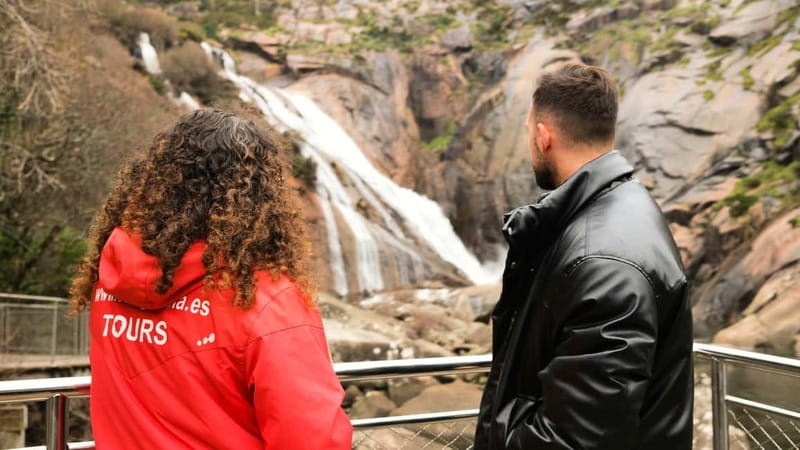
Then you reach the day’s most famous nature stop: Ézaro, with the Xallas River plunging into the Atlantic. You’ll get around 45 minutes here, and the layout is made for viewing.
The value of this stop is in the angles. If you only catch one viewpoint, you miss part of what makes it special. The experience works best if you walk along the viewing areas and let the sound and mist build as you move.
This is also the stop where coastal winds can really test your “I can wear this all day” outfit. Bring the jacket you packed. Sunglasses help because water glare can be intense, and comfortable shoes matter because boardwalks and paths can feel slick if it’s damp.
If your goal is photos, you’re in the right place. This is the kind of view that makes a camera work even when you’re not trying hard. If your goal is calm, it can do that too, because the waterfall rhythm is steady and loud enough to block out the rest of the day.
On some departures, the day may also include a seafood-and-fishing angle tied to local traditions and demonstrations. Since food and drinks are not included, any mussels, oysters, or similar treats depend on what’s offered that day, and you’ll still want to budget for snacks if you choose to buy them.
Finisterre and Fisterra: Cape views, lighthouse area time, and a real village break
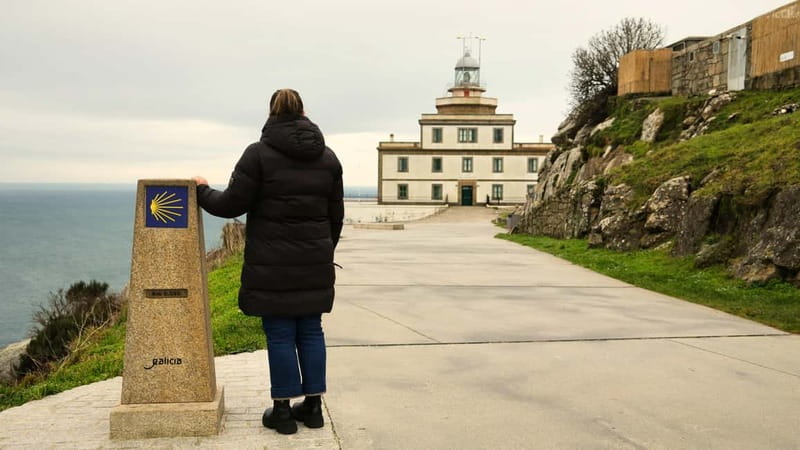
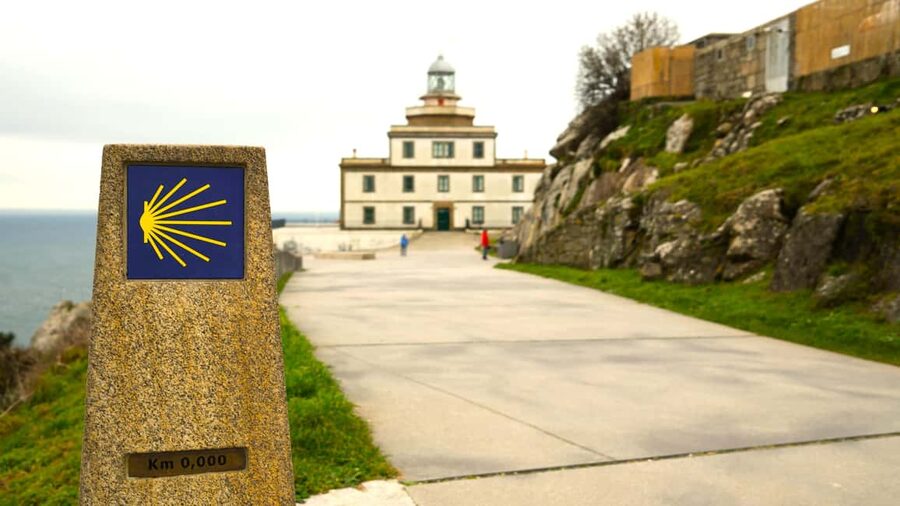
After the waterfall, the tour shifts into the big finale zone: Finisterre and the village area that pilgrims and visitors connect to.
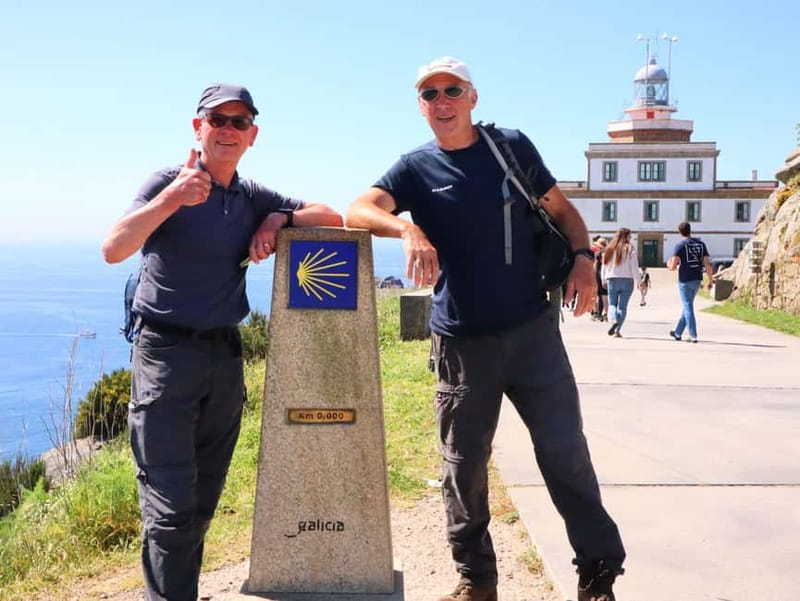
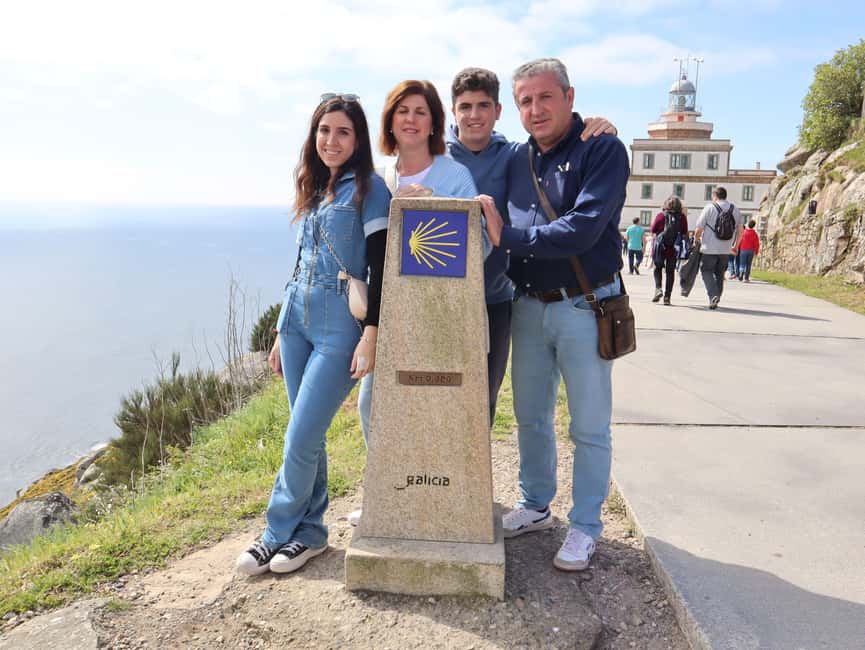
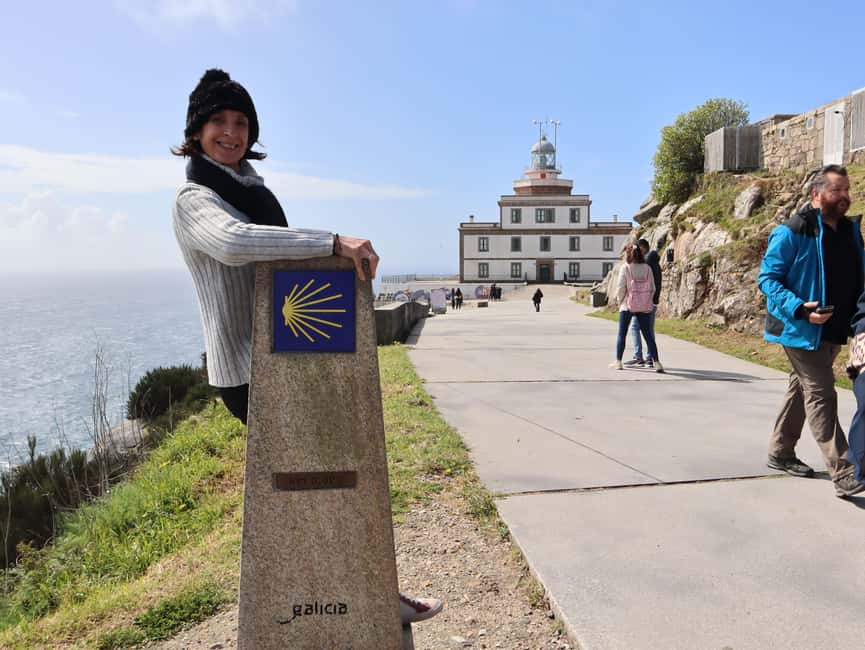
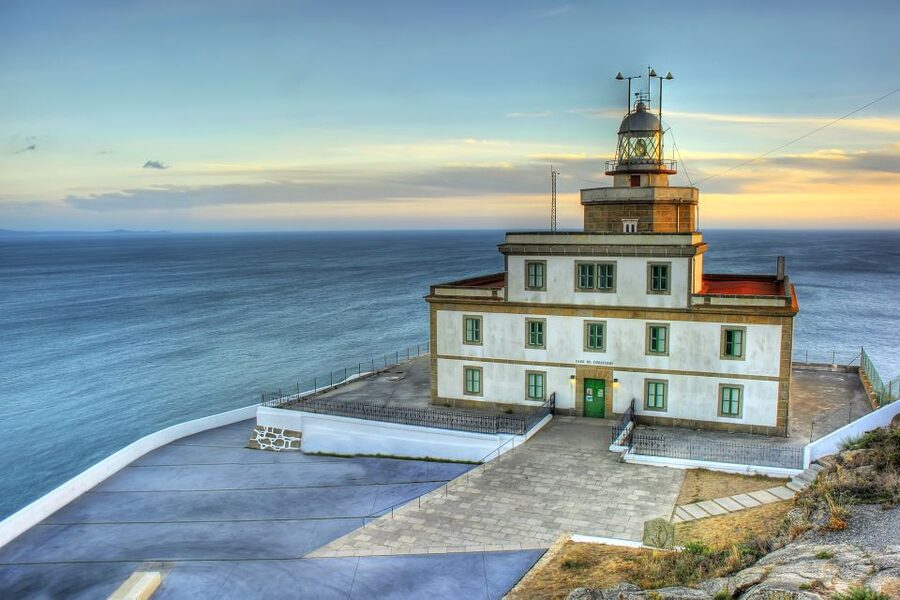
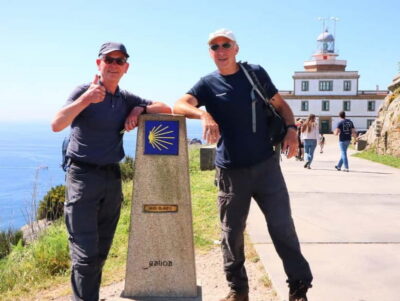
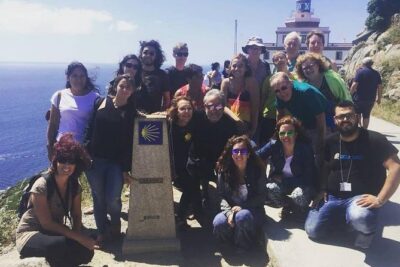
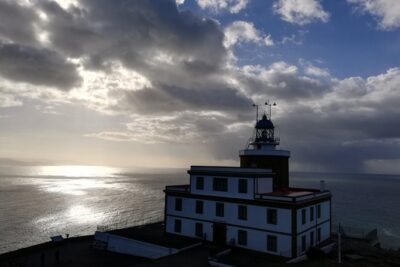
You’ll spend about 50 minutes at the Cape Finisterre area, with time near the iconic lighthouse viewpoints. This is where the “end of the known world” vibe lands. You can feel it in the way the coast opens up, and in the fact that people still treat this place like a milestone.
What makes your time here work is that you get a focused block of time for the cape. It’s enough to walk to the best viewpoints without rushing through the experience.
Then you’ll get your best chunk of personal wandering time with 1.5 hours in Fisterra (the village area). This is where the day becomes yours. You can browse shops, slow-walk streets, and choose a lunch if you want one. Seafood is a natural choice here, but the important part is you can pick your pace rather than being swept along.
Because food and drinks are not included, this is also where you’ll likely spend extra money. Think of it as your “I want to eat like the locals for one meal” moment, not a built-in all-you-get-for-free stop.
If you’re traveling with someone who dislikes tight schedules, this free time is a big selling point. It balances the guided storytelling with real freedom.
Muxía’s Sanctuary and Pontemaceira’s Camino bridge: the day comes full circle
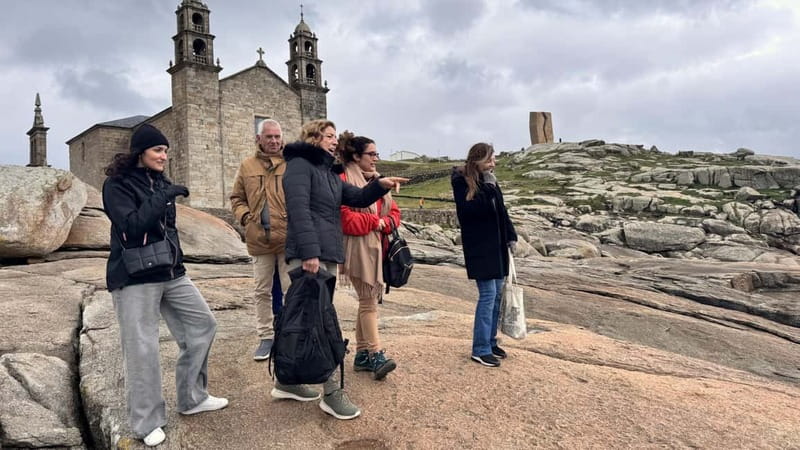
Next comes Muxía, with about 45 minutes. The signature stop is the Sanctuary of the Virgin of the Boat, set near the coast. This stop is about atmosphere as much as it is about history: ocean drama, stone, and a strong tradition of myth and meaning.
I like Muxía because it feels spiritual without being abstract. You’re physically at the water. Legends make more sense when you can hear the sea and see how the coast shapes the scene.
If the wind is up, plan for it. You’ll want a jacket you don’t mind getting salty, and shoes that hold steady.
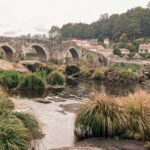
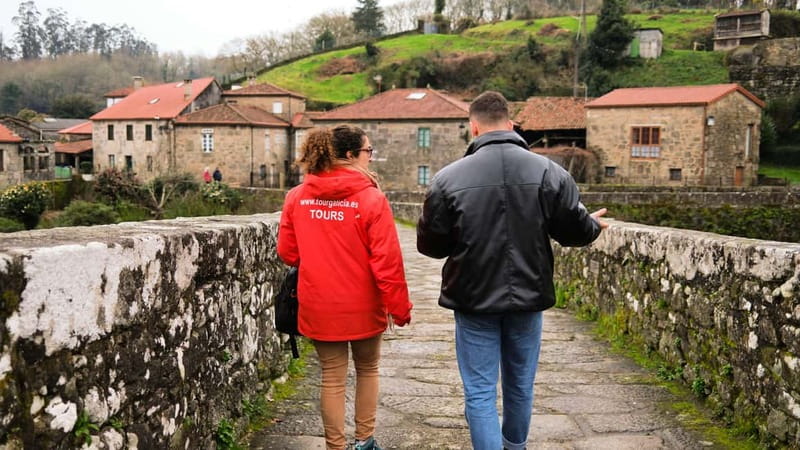
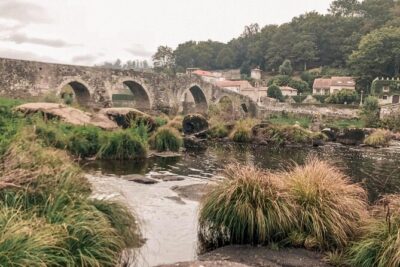
Then you finish with Ponte Maceira, also spelled Pontemaceira, with about 30 minutes. This is where the tour returns to a Camino moment, walking the medieval stone bridge over the Tambre River. This is one of the most effective “wrap-up” stops in the whole day, because it ties your visit back to your pilgrim mindset.
This is also a good stop for photos, but it works even better as a pause. The views are great, yet the real payoff is that you’re doing something physical and simple: walking.
- Santiago: Cathedral & Museum Tour + Pórtico of Glory Option
- From Santiago: Tour to Rias Baixas with Boat Trip and Winery
- Santiago de Compostela: Cathedral, Museum, and Old Town Tour
- Excursion to Rias Baixas with Winery – Optional mussel boat
- Masaje del Peregrino
- Santiago de Compostela: Finisterre, Muxía & Costa da Morte
- Santiago de Compostela: Finisterre, Costa da Morte, Ézaro, Muros & Carnota
- From Santiago: Rías Baixas Galicia Seafood & Wine Day Tour
Live guide languages and audio support: how the day stays understandable
One reason people consistently rate this tour well is the way guides handle explanations. You’ll have a live tour guide doing commentary in Spanish and English, and you may also have audio support in other languages like German, Italian, French, Korean, and Chinese.
Names that show up often in the experience are Maria, Alexis, Paloma, Ana, and Joanna. Even if your guide is different, the pattern is similar: you get clear guidance so the stops feel connected.
This matters because Costa da Morte can feel like a string of coast photos if you don’t know what you’re looking at. The storytelling helps you understand why each place earned its reputation.
Group size can be around 30 to 40 people on some days, which usually keeps the experience lively but not crowded. And the coach setup means you’re not constantly moving between forms of transport on your own.
Price and value: what $56 covers, and what you still need to pay

At about $56 per person, this tour competes well for a one-day coast sampler. The value is that you get transportation from Santiago plus a guide plus insurance, and you do not need to plan drives and parking.
You also get commentary across multiple languages, and you’ll have audio guide options depending on your needs. There’s also mention of skipping ticket lines, which usually means less waiting at the most popular viewpoints.
Here’s the realistic budget part: food and drinks are not included. You’ll likely pay for lunch in Finisterre if you choose to eat there, and you may want snacks along the way. Think of it as “pay for meals, everything else is handled.”
Also remember that you’re buying convenience. One reason pilgrims and time-crunched visitors like this is that it compresses multiple major sights into one day. If you tried to do Finisterre, Muxía, Ézaro, and a Camino bridge all on your own, your planning workload would be the problem, not the sights.
One review clue to watch for: some people mention paying less during a promotion (like a 50% offer on their booking). Even without a discount, the guided route plus time on the coast still holds up as a practical spend.
Who this tour is for, and who should consider a slower plan
This is a strong fit if you want a complete Costa da Morte day without driving. It’s also a good match for people who did the Camino route to Santiago and want a memorable “finale” that still feels related.
If you’re a nature lover, the Ézaro waterfall is the obvious reason. If you’re a culture and tradition person, the mix of Muros, Carnota’s hórreo, and Muxía makes the day feel rounded.
If you hate being on a schedule, or if you want long walks and long café stops in every town, you might feel rushed. In that case, you could prefer fewer stops and more time per stop on a separate plan. But if you want maximum variety in one day, this tour is built for that.
Should you book this Finisterre, Muxía, Ézaro day trip?
Book it if you want an efficient, guided, and coast-heavy day that hits Camino Pontemaceira, Muxía’s Sanctuary, and the “how is that even possible” effect of Ézaro before landing at Finisterre with time to wander.
Skip it if you know you’ll be upset by tight timing, or if you want a more relaxed day with longer stays in just one place. For most people, though, this is a smart way to leave Santiago with a real sense of arrival.
If you do book, pack for wind and wet weather, wear grippy shoes, and plan to spend on lunch in Fisterra so the free time feels like a treat rather than a scramble.
FAQ
How long is the tour?
The duration is about 9.5 hours, with starting times depending on availability.
Where are the pickup points in Santiago?
There are four pickup options: Rúa do Hórreo, 23; Hotel Hesperia Peregrino; Continental Aparcadoiro La Salle; and Capela do Pilar.
What languages are offered during the tour?
There is live commentary in Spanish and English. Audio guides are included for German, Italian, French, Korean, and Chinese (available on request).
What is included in the price?
Included items are the tour guide, commentary, insurance, and the audio guide options listed above. The tour also notes that you skip the ticket line.
Are meals included?
No. Food and drinks are not included. Lunch is optional.
What weather should I plan for?
The tour runs rain or shine. Bring a raincoat just in case, and wear a jacket since coastal winds can surprise you.
Is there free time to explore on my own?
Yes. There is free time in Fisterra for about 1.5 hours, which you can use to walk around and shop, and to get lunch if you want.
Is cancellation flexible?
Yes. You can cancel up to 24 hours in advance for a full refund.
Are there rules about alcohol or drugs?
Yes. Alcohol and drugs are not allowed, and alcoholic drinks in the vehicle are also not allowed.
Tours: the rest of our Santiago De Compostela write-ups
- Santiago: Cathedral & Museum Tour + Pórtico of Glory Option
★ 4.7 · 2,116 reviews - From Santiago: Finisterre, Muxia & Costa da Morte Excursion
★ 4.7 · 1,481 reviews - Excursion to Finisterre + Muxia + Costa da Morte (7 stops)
★ 5.0 · 1,367 reviews - Finisterre and Costa da Morte: The Most Complete Tour of Santiago
★ 5.0 · 733 reviews - Santiago de Compostela Cathedral and Museum Guided Tour
★ 4.6 · 511 reviews
More Santiago de Compostela and Galicia from the notebook
- From Santiago: Finisterre, Muxia & Costa da Morte Excursion
★ 4.7 · 1,481 reviews - Excursion to Finisterre + Muxia + Costa da Morte (7 stops)
★ 5.0 · 1,367 reviews - Finisterre and Costa da Morte: The Most Complete Tour of Santiago
★ 5.0 · 733 reviews - Santiago de Compostela: Finisterre, Muxia & Costa da Morte
★ 4.7 · 526 reviews - Santiago de Compostela Cathedral and Museum Guided Tour
★ 4.6 · 511 reviews
Fresh off the desk: recent Santiago De Compostela experiences we have written up


Santiago de Compostela and Galicia, side by side.
 ★ 4.7From Santiago: Finisterre, Muxia & Costa da Morte ExcursionFrom $561,481 reviews
 ★ 5.0Excursion to Finisterre + Muxia + Costa da Morte (7 stops)From $591,367 reviews
 ★ 4.7Santiago de Compostela Full-Day Tour From PortoFrom $931,036 reviews
 ★ 5.0Finisterre and Costa da Morte: The Most Complete Tour of SantiagoFrom $59733 reviews
 ★ 4.7Santiago de Compostela: Finisterre, Muxia & Costa da MorteFrom $58526 reviews
 ★ 4.6Santiago de Compostela Cathedral and Museum Guided TourFrom $29511 reviews
 ★ 4.5Visit to the Cathedral of Santiago + Portico de la Gloria OptionFrom $26503 reviews
 ★ 4.7From Santiago: Tour to Rias Baixas with Boat Trip and WineryFrom $50400 reviews
This tour also sits in