
Reviewed · SANTIAGO DE COMPOSTELA AND GALICIA
Santiago de Compostela: Finisterre, Muxía & Costa da Morte
End of the Camino starts with a bus ride. This Costa da Morte day trip strings together 14th-century Galicia and the mythic edge of Europe at Finisterre and Muxía. I like how the route mixes coastal drama with actual local towns, and you still get guided context for what you are seeing. One possible drawback: it is a full 9-hour day, so if you are coming off long hiking days, pick this when you have the energy to enjoy it.
What makes this one work is the on-the-ground organization plus comfort, starting with an air-conditioned vehicle. The tour is offered in English, and many departures also cover Spanish, which helps you follow directions and explanations even if your Spanish is rusty. Just remember lunch is on you, and that can affect your budget and your mood.
In This Review
- Key highlights worth marking on your map
- Costa da Morte in one day: why Finisterre and Muxía feel like a finale
- Price and value: what $59.28 buys you (and what it does not)
- The 9:00 am rhythm: meeting point, coach comfort, and how the day flows
- Stop 1, Ponte Maceira: 14th-century bridge, medieval mills, and river-town calm
- Stop 2, Muros: fishing-port atmosphere and a walk through the old center
- Stop 3, Fervenza de Ézaro: a 40-meter waterfall meeting the sea mood
- Stop 4, Faro de Fisterra: the End of the World viewpoint
- Stop 5, Finisterre town time: port walks, seafood, and how to eat well
- Stop 6, Muxía: Sanctuary of the Boat, legendary stones, and Monte Corpiño views
- How to make the most of the day: energy, photos, weather, and bus comfort
- Who this tour suits best, and who should consider a different pace
- Book it or skip it: my honest call for your Santiago to coast plan
- FAQ
- How long is the Santiago de Compostela to Finisterre and Muxía tour?
- What time does the tour start?
- Is lunch included?
- Is the tour offered in English?
- Where do I meet the tour?
- Is there air-conditioned transportation?
- What is the maximum group size?
- What if the weather is poor?
- Can I cancel and get a full refund?
- Is a mobile ticket provided?
Key highlights worth marking on your map
- Ponte Maceira’s Tambre River bridge and mills for medieval scenery without a crowd rush
- Muros, a working fishing town with a 16th-century old center and port views
- Fervenza de Ézaro with a sea-drops-waterfall feel, near Monte Pindo
- Faro de Fisterra for classic end-of-the-world lore and big panorama viewpoints
- Finisterre town time for Galician seafood, plus port and alley wandering
- Muxía’s Sanctuary of the Boat and its legendary stones by the waves
Costa da Morte in one day: why Finisterre and Muxía feel like a finale
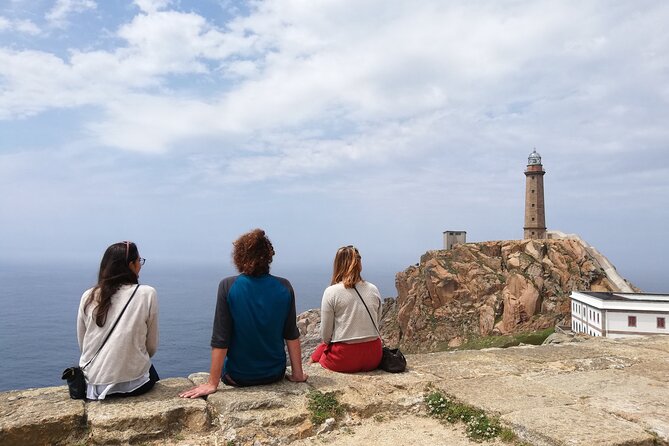
Santiago de Compostela is famous for endings of a different kind. This trip gives you the ending your legs were already dreaming about, the coastline that Camino pilgrims talk about for a reason. Finisterre and Muxía sit on Galicia’s dramatic Atlantic edge, where the rock, surf, and wind make everything feel more intense and more real.
I like that the day is not only scenic. You get stops that explain how the region’s religious, maritime, and pagan stories overlap, especially around the Faro de Fisterra area and Muxía. That turns the photos from postcard views into something with meaning.
Price and value: what $59.28 buys you (and what it does not)
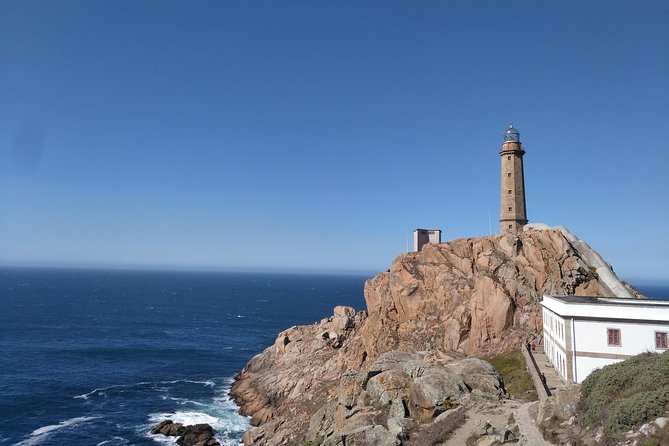
At about $59.28 per person for a 9-hour guided day, you are paying for two things: transportation and curated stop time. The included air-conditioned vehicle matters here because you are crossing coast roads and moving between several viewpoints and towns, not staying in one compact area.
What is not included is lunch. That is the one cost area you control. If you budget for a sit-down meal or you plan a snack strategy, the price feels fair because you are getting multiple distinct stops, not just one long drive with a couple of quick photo stops.
If you are deciding between doing this day trip and using that day for another local activity, think about your goal. If your goal is to see as much Costa da Morte coastline as possible without renting a car, this is the efficient choice.
Other Santiago de Compostela and Galicia we sat down and reviewed
The 9:00 am rhythm: meeting point, coach comfort, and how the day flows
You start at the Toxo Travel office at Rúa dos Bautizados, 12, in Santiago de Compostela, meeting at 9:00 am. The tour ends back at the same meeting point, so you are not solving logistics when you are tired.
Most of the day is spent on a coach with timed stops. That is great for anyone who wants variety without hiking between far-apart places. Just know you will be moving, getting on and off the bus, and keeping an eye on time because there are multiple stops in one day.
Several guides and drivers have been praised for keeping things on schedule and communicating clearly. You might hear narration split between languages on some departures, which helps if you want to follow the story without missing details.
Stop 1, Ponte Maceira: 14th-century bridge, medieval mills, and river-town calm
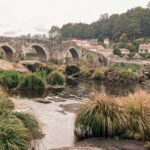
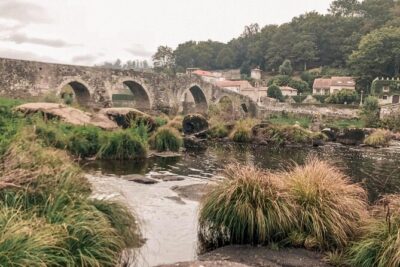
Ponte Maceira is the gentler opener, a village near Santiago where you ease into Galicia rather than going straight to big sea views. You spend about 25 minutes here, enough time to appreciate the setting without feeling rushed.
The star is the 14th-century bridge over the Tambre River. Bridges like this tell you Galicia was moving people and goods long before modern highways. You also get medieval-origin mills and a walkable town center with cobbled streets. Even if you only have a short stop, it is a good moment to reset your expectations from the city pace of Santiago.
What to watch for: if the weather is foggy or drizzly, the river and stone textures still look great. This stop often feels like a breath before the coast starts hitting you with full force.
Stop 2, Muros: fishing-port atmosphere and a walk through the old center
Muros is a classic Costa da Morte stop for people who like towns that feel used, not just staged. You get about 30 minutes, with time to either walk the historic core or wander toward the fishing port.
This is one of those places where the details do the work. Think narrow streets, working harbor energy, and the kind of sea-facing scenery that makes you understand why people base meals and daily life on the ocean. It also helps break up the drive time, so you do not feel like your day is only viewpoints.
The tradeoff is time. Thirty minutes sounds short because it is short. If you love wandering, choose one direction and commit, old center or port, so you do not lose time crossing back and forth.
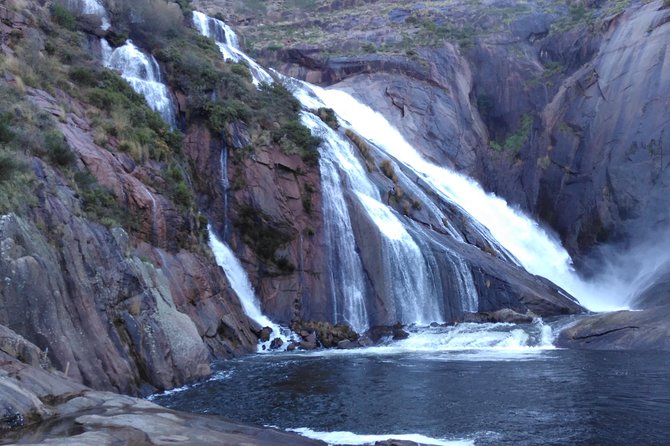
Stop 3, Fervenza de Ézaro: a 40-meter waterfall meeting the sea mood
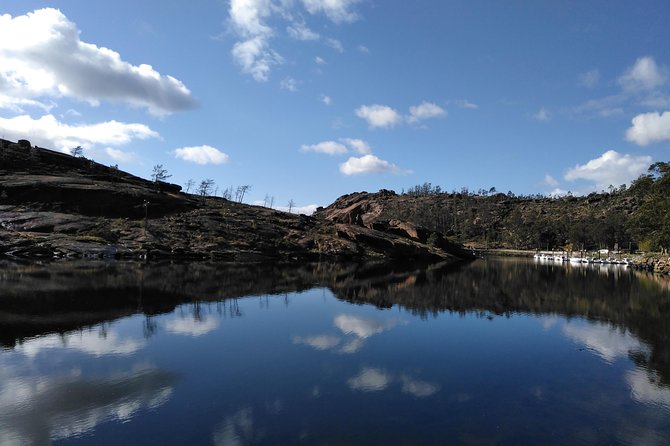
Next comes the kind of stop that makes you stop scrolling and start looking around. Fervenza de Ezaro, also known for Cascada del Ézaro, is about 40 meters high and drops from the Xallas River on the last stretch before it reaches the sea.
You have around 30 minutes at the site. That is usually enough for a quick orientation, photos, and a slow moment where you can hear the water and see how the river shapes the surrounding area, especially with Monte Pindo in the background.
Why this stop matters: it is not just a waterfall. It is a dramatic coastal ending of a river, which matches Galicia’s “water meets rock meets sea” personality.
Weather note: if the day is rainy or foggy, the waterfall can still look powerful, but the far coastal views might be muted. If you care about long-distance sightlines, keep your expectations flexible.
Stop 4, Faro de Fisterra: the End of the World viewpoint
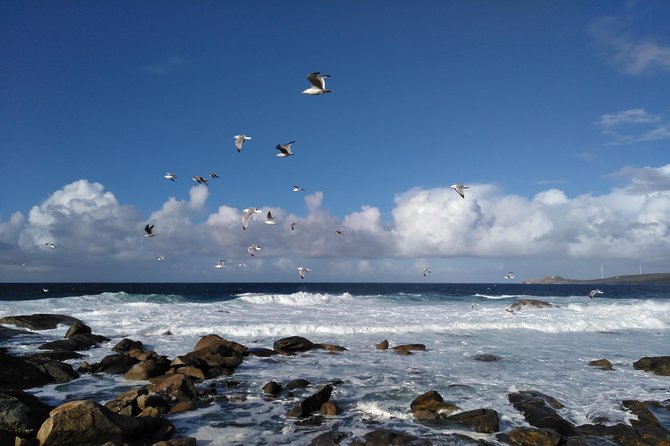
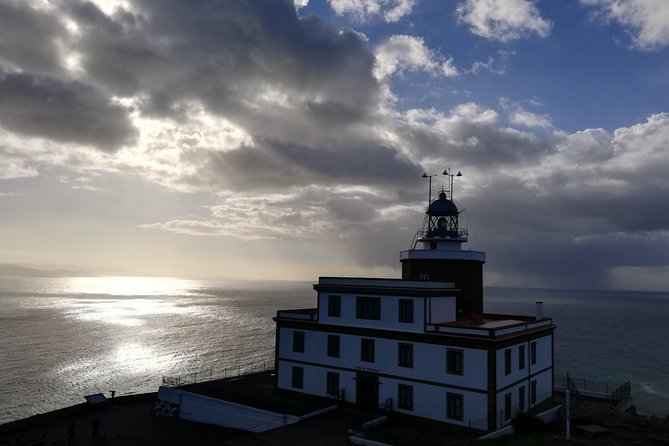
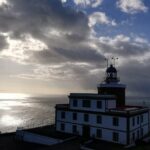
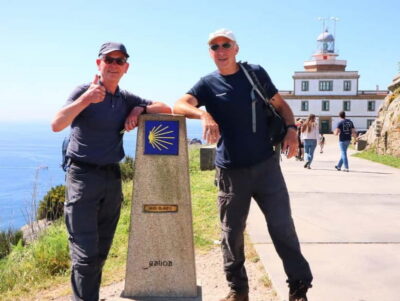
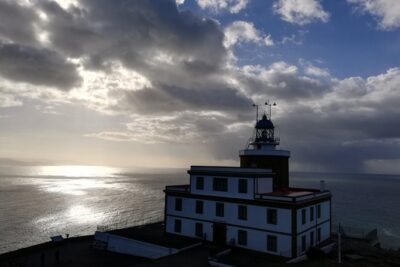
Cape Finisterre, or Fisterra, is where ancient Greeks and Romans placed a mythic end, and the area has kept that story alive with legends tied to religion, maritime life, and older pagan ideas. The tour gives you about 40 minutes around the Faro de Fisterra area.
This stop is where the coastline starts to feel bigger than a checklist item. From the lighthouse surroundings, you can take in panoramic views over the Ría de Corcubión and parts of the Carnota Coast. You can also see the granite massing of the O Pindo Mountains area, which helps connect this coast to the inland character of the region.
I love the Faro timing because it is long enough to let your eyes adjust. First you grab the landmark photos, then you start noticing the coastline shapes, the rock textures, and the way the sea color changes with the weather.
Practical tip: bring a charged phone and keep an extra cable or spare battery if you can. This is a stop where you will take way more photos than you expect.
- Santiago: Cathedral & Museum Tour + Pórtico of Glory Option
- Visit to the Cathedral of Santiago + Portico de la Gloria Option
- From Santiago: Tour to Rias Baixas with Boat Trip and Winery
- Santiago de Compostela: Cathedral, Museum, and Old Town Tour
- Excursion to Rias Baixas with Winery – Optional mussel boat
- Masaje del Peregrino
- Santiago de Compostela: Finisterre, Costa da Morte, Ézaro, Muros & Carnota
- From Santiago: Rías Baixas Galicia Seafood & Wine Day Tour
Stop 5, Finisterre town time: port walks, seafood, and how to eat well
After the lighthouse viewpoint, you get free time in Finisterre proper for about 1 hour 30 minutes. This is the moment to switch gears from landscapes to local life.
Finisterre is famous as a fishing village, and the time here is meant for you to enjoy Galician gastronomy. You can explore charming alleys, check out the fishing port, and slow down for a meal without feeling like you are racing the bus.
This is also where you control your lunch experience. One helpful thing I learned from real-world feedback is that the tour’s lunch suggestion may include a pilgrim-style menu at a set price, and food quality can vary. If you want the best odds, scan a couple of options around the area and compare what is being served before committing.
If you are traveling right after the Camino and your energy is uneven, this stop is also a good place to regroup. Eat early in your free time so you are not rushed later, and consider bringing a light snack for the bus ride so your mood stays steady.
Stop 6, Muxía: Sanctuary of the Boat, legendary stones, and Monte Corpiño views
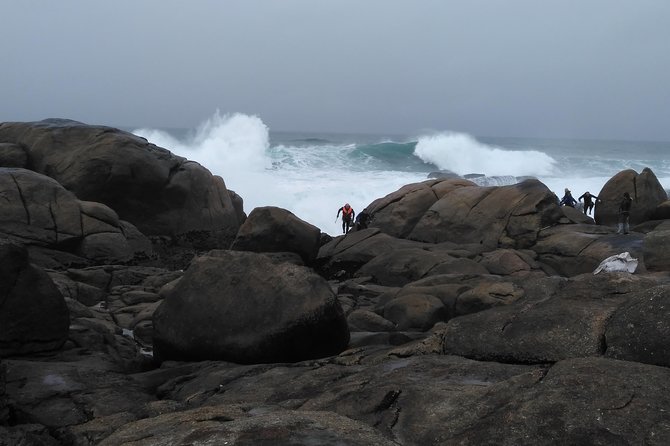
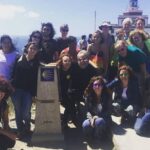
Muxía is often the emotional closer of the day. You get about 30 minutes here, and that is enough to see why so many pilgrims extend their Camino beyond Santiago.
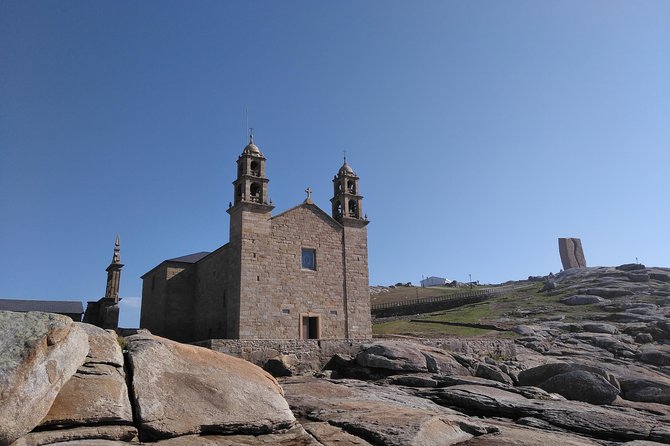
The town’s history is strongly linked to the Sanctuary of the Boat at the foot of the sea. Around the sanctuary you will see stone features tied to local legend, including Pedra de Abalar, Pedra dos Cadrís, and Piedra del Timón. Even if you are not chasing a religious narrative, these stones are part of the coastline’s identity and add texture to the experience.
Then there is the option to walk a small path to the summit of Monte Corpiño. From there, you get magnificent views over the estuary and the Cabo Vilán area, plus beaches like Leis and Lago, and Monte Facho in the broader view.
This stop is also the one where conditions matter most. Wind off the ocean can be strong, and waves can look even more dramatic with a rough sky. If you want a calm photo, go slow and hold your position. If you want the full drama, stand where you can see both rocks and sea, then let the surf do the show.
How to make the most of the day: energy, photos, weather, and bus comfort
This is a busy 9-hour schedule, even with the stops spread out. If you are coming off Camino miles, the biggest make-or-break factor is pacing yourself. The coach ride saves your legs compared to walking, but it does not eliminate fatigue, and you still have multiple short walks.
A few things to bring so the day stays pleasant:
- Phone battery and a spare charging cable for lighthouse and coastal views
- A light rain layer, because fog and drizzle can happen on the coast
- Something for snacking between stops, especially since lunch is not included
On the comfort side, the vehicle is air-conditioned, which helps a lot. Microphones and audio systems can sometimes be imperfect on any bus tour, so if you want every detail, position yourself toward the front or near where you can hear the guide clearly when stops start.
There is sometimes a need for a restroom during a long day trip. If you are sensitive to that, plan ahead and treat restrooms as a bonus, not a guarantee.
Who this tour suits best, and who should consider a different pace
This day trip is ideal if you want a strong coast sampler with guided context and minimal driving. It suits:
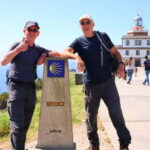
- You after the Camino who want to mark Finisterre as a personal endpoint, even if you cannot do the full 98 km on foot
- You who like real local towns, not only viewpoints
- You who want guided stories about what you are seeing, especially at Faro de Fisterra and Muxía
It might not suit you if:
- You are extremely low energy and need a slower, lighter day
- You are the type who wants long unstructured time in one place, because the schedule is built for variety
- You are picky about lunch quality and want total control without a guided lunch stop
One more note: group size can affect the feel. The tour is capped at a maximum of 50, and you may find the pace lively when more people are on board. If you love quiet sightseeing, go in with a flexible mindset and treat each stop as a focused taste.
Book it or skip it: my honest call for your Santiago to coast plan
I would book this tour if you want the cleanest way to reach Finisterre and Muxía from Santiago without a car. It gives you lighthouse legends, waterfall drama, and Muxía’s Sanctuary of the Boat in a single day, with enough time at each stop to actually enjoy it.
I would think twice if your group includes people who are wiped out and would struggle with a 9-hour day. In that case, a shorter option or a split day plan might fit better.
If you do book, set yourself up to enjoy it:
- Do lunch research or decide where you want to eat before the lunch hour arrives
- Charge your phone early for Faro and Muxía
- Bring a light rain layer, because the coast can change fast
FAQ
How long is the Santiago de Compostela to Finisterre and Muxía tour?
It runs for about 9 hours.
What time does the tour start?
It starts at 9:00 am.
Is lunch included?
No, lunch is not included.
Is the tour offered in English?
Yes, the tour is offered in English.
Where do I meet the tour?
You meet at Toxo Travel, Rúa dos Bautizados, 12, 15702 Santiago de Compostela, A Coruña, Spain.
Is there air-conditioned transportation?
Yes, an air-conditioned vehicle is included.
What is the maximum group size?
The tour has a maximum of 50 travelers.
What if the weather is poor?
This experience requires good weather. If it is canceled due to poor weather, you will be offered a different date or a full refund.
Can I cancel and get a full refund?
Yes. You can cancel up to 24 hours in advance for a full refund.
Is a mobile ticket provided?
Yes, the tour includes a mobile ticket.
More Santiago de Compostela and Galicia from the notebook
- From Santiago: Finisterre, Muxia & Costa da Morte Excursion
★ 4.7 · 1,481 reviews - Excursion to Finisterre + Muxia + Costa da Morte (7 stops)
★ 5.0 · 1,367 reviews - Finisterre and Costa da Morte: The Most Complete Tour of Santiago
★ 5.0 · 733 reviews - From Santiago: Finisterre, Muxia, Ézaro – 7 stops day tour
★ 4.6 · 553 reviews - Santiago de Compostela: Finisterre, Muxia & Costa da Morte
★ 4.7 · 526 reviews
Fresh off the desk: recent Santiago de Compostela experiences we have written up


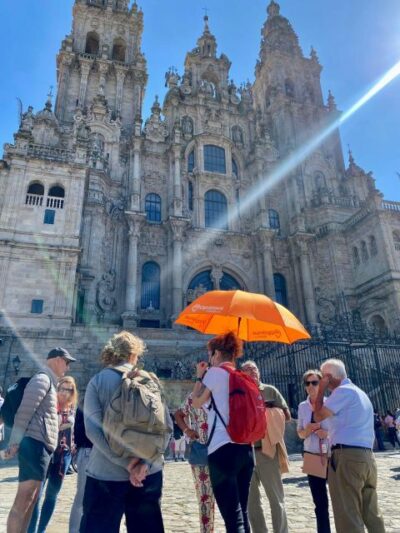
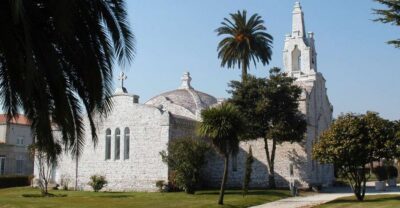
Santiago de Compostela and Galicia, side by side.
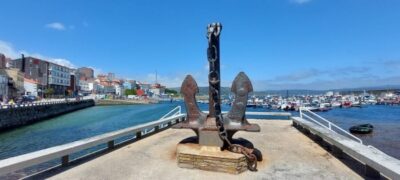 ★ 4.7From Santiago: Finisterre, Muxia & Costa da Morte ExcursionFrom $561,481 reviews
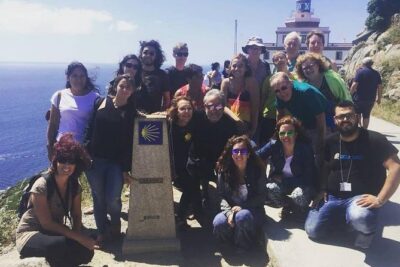 ★ 5.0Excursion to Finisterre + Muxia + Costa da Morte (7 stops)From $591,367 reviews
 ★ 4.7Santiago de Compostela Full-Day Tour From PortoFrom $931,036 reviews
 ★ 5.0Finisterre and Costa da Morte: The Most Complete Tour of SantiagoFrom $59733 reviews
 ★ 4.6From Santiago: Finisterre, Muxia, Ézaro – 7 stops day tourFrom $56553 reviews
 ★ 4.7Santiago de Compostela: Finisterre, Muxia & Costa da MorteFrom $58526 reviews
 ★ 4.6Santiago de Compostela Cathedral and Museum Guided TourFrom $29511 reviews
 ★ 4.5Visit to the Cathedral of Santiago + Portico de la Gloria OptionFrom $26503 reviews
This tour also sits in