
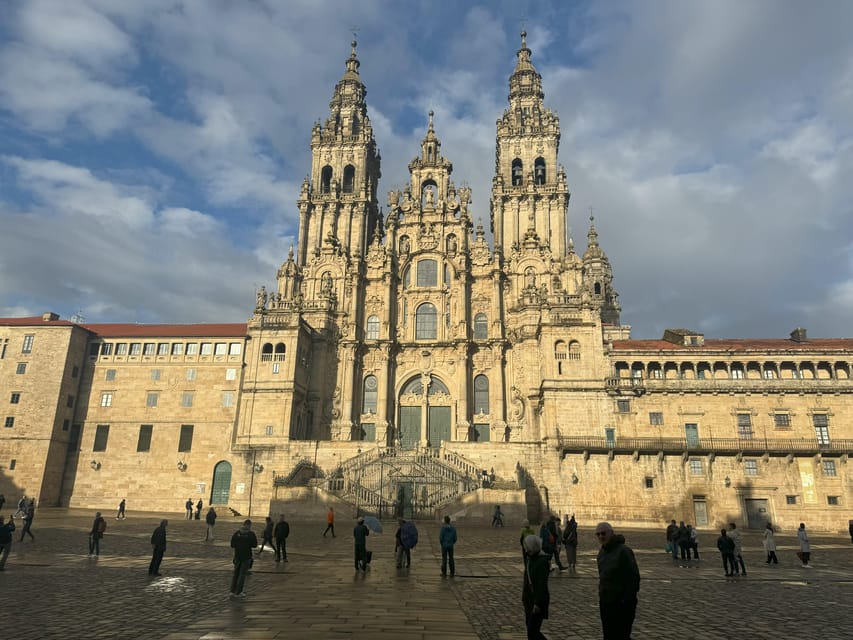
Reviewed · SANTIAGO DE COMPOSTELA AND GALICIA
Santiago de Compostela Cathedral and Museum Guided Tour
Saint James tomb is only the start. I love how this tour starts in the Cathedral Museum and only then moves into the restored church, because the art and objects make way more sense. I also like the skip-the-line entry, so you spend your time looking at details instead of waiting.
The only downside is the pace. This is a focused 2-hour sweep through big highlights like the crypt, chapels, and Botafumeiro, so if you want a super-slow, fully self-guided wandering day, you might feel time pressure. Still, the structure keeps the cathedral’s meaning crystal clear.
In This Review
- Key things that make this cathedral tour worth your time
- Getting oriented fast inside the Cathedral Museum
- From museum rooms to the cathedral naves and chapels around the main altar
- The tomb of Saint James the Great, and why pilgrims care
- Codex Calixtinus, treasury, chapter house, and crypt stops
- Botafumeiro, balconies, and the views that add perspective
- Cloister time: where the pace softens inside the complex
- Skip-the-line entry and small-group pacing in practice
- Price value at about $29 for 2 hours
- Who this Santiago de Compostela cathedral tour is best for
- Should you book this guided tour of the cathedral and museum?
- FAQ
- How long is the Santiago de Compostela Cathedral and Museum guided tour?
- What is included in the tour price?
- Can I skip the line?
- What languages are the live guides available in?
- Is there a small-group option?
- Is the tour suitable for wheelchair users?
- Are large backpacks allowed?
- What should I do about meeting points?
Key things that make this cathedral tour worth your time
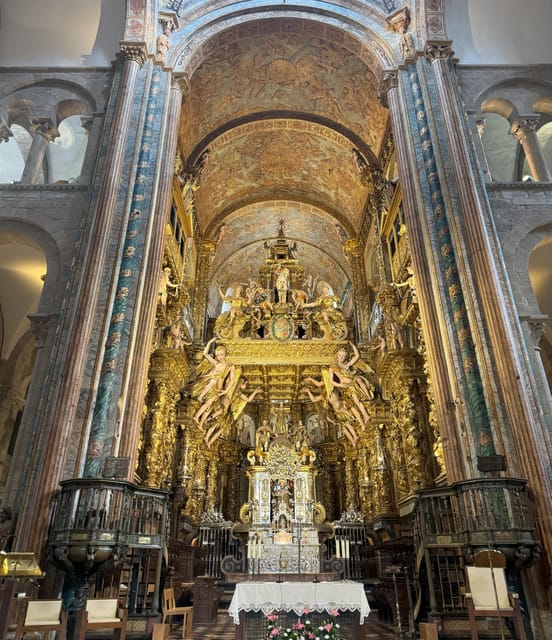
- Museum first, cathedral second, so the sacred art clicks before you see the altar area
- Skip-the-line entrance, which matters in Santiago where lines can eat your sightseeing time
- Saint James the Great focus, including the tomb and the spiritual center of the pilgrimage
- Chapels and main-altar decorations, which you might miss if you rush on your own
- Codex Calixtinus plus crypt and treasury stops, all explained in plain language
- Small group energy and multilingual guides, including past favorites like Carmen and Maria
Getting oriented fast inside the Cathedral Museum
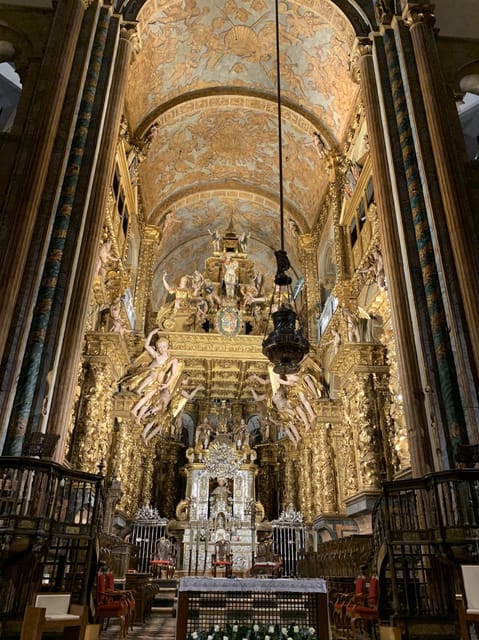
This tour has a smart rhythm: you begin at the Cathedral Museum, then you go into the cathedral itself to finish. That order is the difference between seeing objects and actually understanding why people have traveled here for centuries.
In the museum portion, you’re not just collecting a list of sites. You get context for what you’ll see next, including the story of the cathedral and its significance to pilgrims. You also get pointed attention on masterpieces of sacred art, which helps you notice things on the walls and in display cases instead of just admiring things vaguely.
Another practical win: you are starting your visit in a place where a guide can set the scene. Once you step into the cathedral, there is less explaining and more observing. That makes the 2 hours feel like more than a quick hit.
Guides have been especially praised for turning the museum and cathedral into a connected story, with names like Carmen and Maria showing up often in feedback. The best part is how they slow down at key moments and link what you are looking at to why it matters.
From museum rooms to the cathedral naves and chapels around the main altar
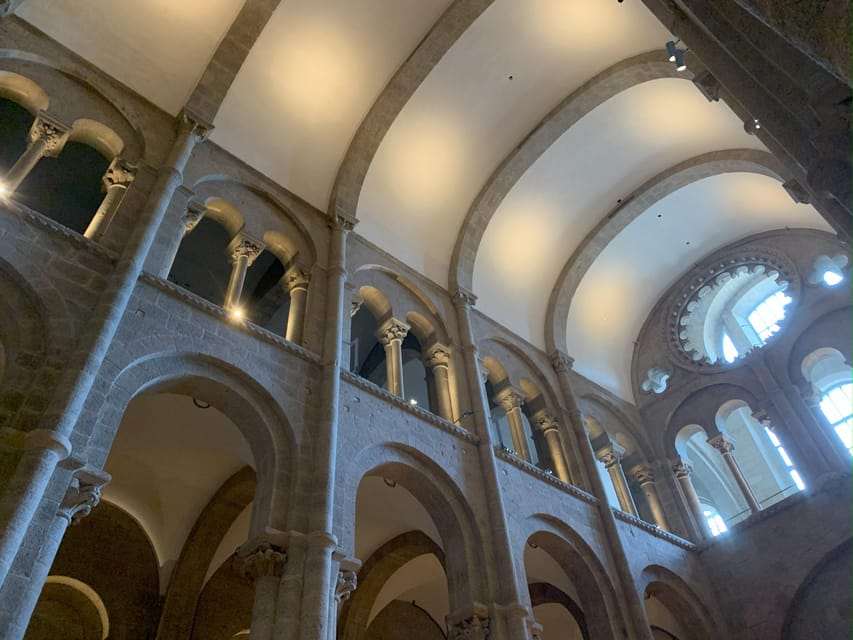
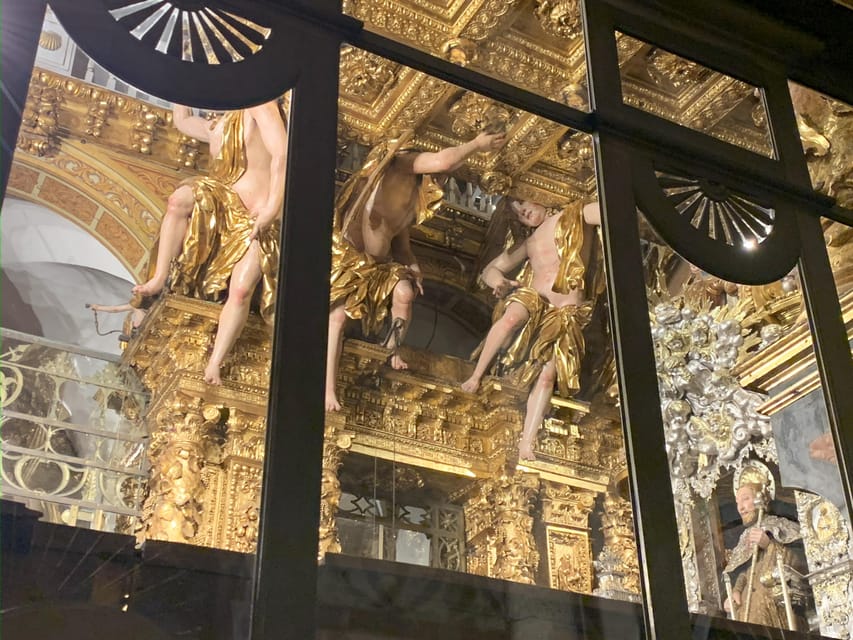
After the museum, you walk into the cathedral and start using your eyes differently. The tour takes you through the naves and toward the decorative chapels around the main altar. This is where the cathedral becomes more than impressive stonework. It becomes a map of beliefs, symbols, and artistic choices.
The guide helps you “read” the space. You learn what you’re looking at and where to look, so you’re not just taking photos at random angles. That matters because the cathedral has lots of visual competition, and without guidance you can easily miss the most meaningful chapel details.
You’ll also see the cathedral itself after recent restoration. Restoration can mean scaffolding or sections under work in some parts of Europe, but here the key idea is that you are seeing the living, cared-for building, not only a distant monument. The tour keeps that reality in the picture, so you understand what you are seeing today.
If you like churches that are built to tell stories, this portion is where the tour earns its keep. You get a coherent route rather than a “good luck, see what you can” wandering plan.
Other Santiago de Compostela and Galicia we sat down and reviewed

The tomb of Saint James the Great, and why pilgrims care
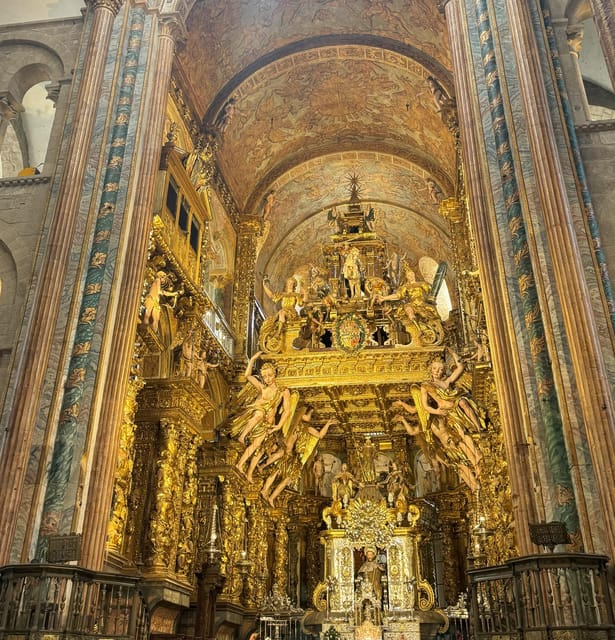
Yes, you come for Saint James. But the real value is learning how the cathedral became the reputed burial site of Saint James the Great and why that reputation shaped pilgrimage over time.
The tour includes a dedicated focus on the tomb area. Your guide explains the story and the significance of the cathedral to pilgrims, which turns Saint James from a name on a sign into the emotional center of the visit. You start understanding why people would travel across countries, step into a church, and feel like they had arrived somewhere with purpose.
This is also the moment where a good guide makes a difference. People often remember guides like Carmen and Miriam for the way they connect architecture, art, and faith into a clear narrative. When it works, you stop thinking of the cathedral as a museum display and start thinking of it as a destination that shaped real lives.
Even if you have seen Santiago de Compostela before, this part can still add weight. The guide’s framing helps you notice what you may have previously glossed over, especially around the sacred core near the altar and tomb area.
Codex Calixtinus, treasury, chapter house, and crypt stops
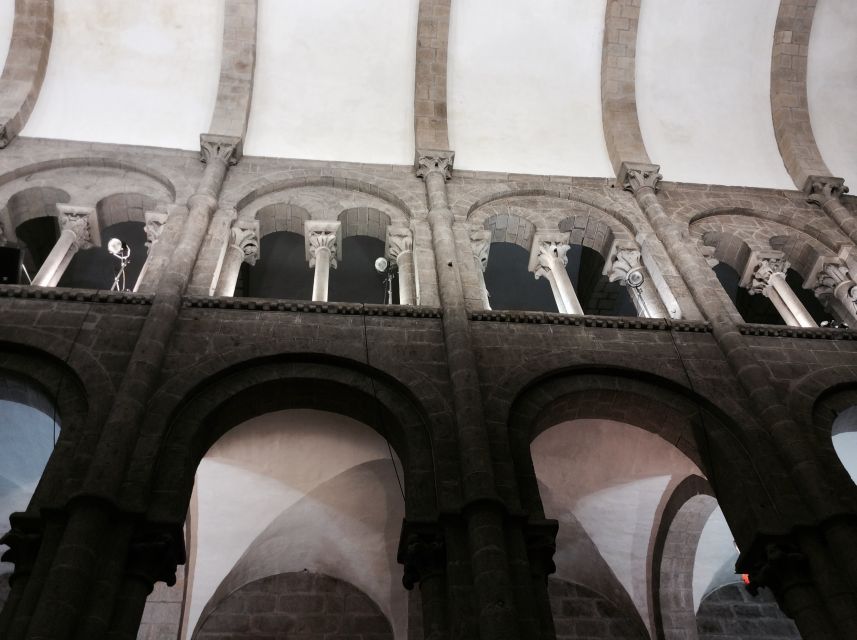
A major strength of this tour is that it does not treat the cathedral as only big rooms and tall ceilings. You also get inside the layers of meaning stored in specific places.
Your stops include the Codex Calixtinus, plus the Treasury and the Chapter House. These are the kind of details that can feel overwhelming if you visit alone. With a guide, they become understandable anchors: the guide explains what they are, why they matter, and how they connect back to the pilgrimage story.
The crypt is another important inclusion. When you go below, the atmosphere changes fast. The crypt helps you grasp the cathedral as a multi-level spiritual space, not just a single interior hall. This tour also includes the crypt as part of the guided flow, so you’re not wandering until you find it by luck.
One more thoughtful element: you learn the story of the cathedral and its significance to pilgrims as you move between these spaces. That keeps the visit from feeling like separate sightseeing stops. Instead, it feels like a guided argument for why this cathedral is so central to Santiago’s identity.
If sacred art and religious artifacts are your thing, these stops are the heart of the tour. They also help you avoid the common mistake of only noticing what is obvious from the main aisle.
Botafumeiro, balconies, and the views that add perspective
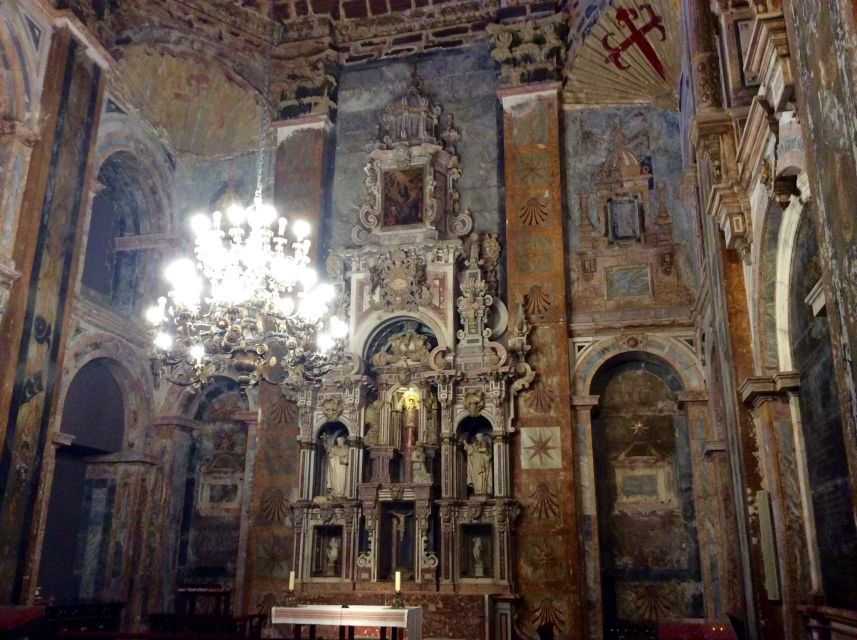
The itinerary also includes the Botafumeiro. Even if you know only the basics, having a guide explain it in context helps you understand its place in the cathedral’s traditions and atmosphere. It’s the kind of detail that can feel like a fun curiosity on your own, but it becomes meaningful when connected to the pilgrimage setting.
The tour includes views from the balconies too. This is a smart use of time because it changes your perspective on the interior. From higher angles, you can better understand how chapels and architectural elements relate to each other.
These balcony moments are also a nice break from staring straight ahead. You get a chance to see the cathedral’s structure in a way that is hard to appreciate at ground level. The guide’s pointing out what to look for keeps those views from becoming just a scenic pause.
Past feedback often praises guides who take their time and keep the group moving at a pace that matches the questions. That matters here, because balcony viewpoints and artifact moments work best when you’re allowed to look, listen, and then look again.
Cloister time: where the pace softens inside the complex
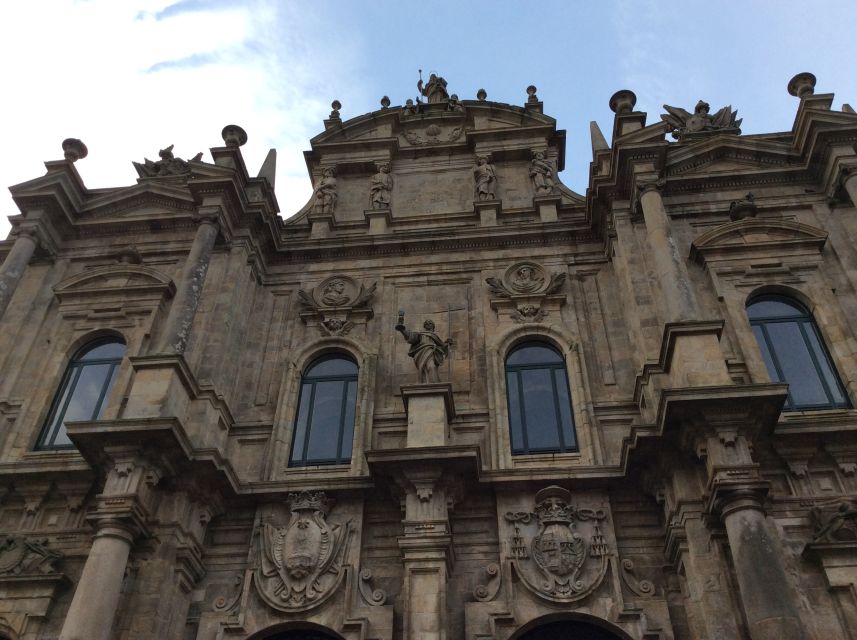
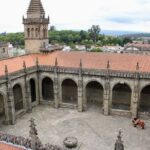
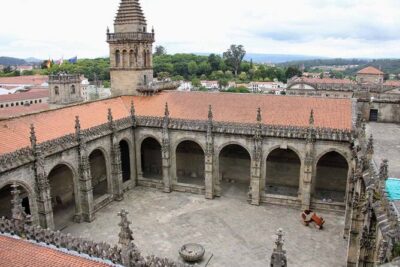
Not every cathedral tour includes the cloister, but this one does. The cloister gives you something different from the nave and altar-focused sections. It’s calmer, more architectural, and it helps you feel the cathedral as a whole complex rather than a single room.
This stop also gives you a chance to reset mentally. In a 2-hour visit, fatigue can sneak up fast, especially in places with lots to see. The cloister offers a quieter rhythm so the cathedral’s main moments land better.
The guide helps you see the cloister as part of the cathedral story, not just a background area. When the guide connects it to what came before, you end up with a more complete picture of how visitors and pilgrims move through the space over time.
If you’re the type who likes churches because of how they make you feel, this is often the portion that sticks with you. It’s not the loudest feature, but it’s the most balanced one.
Skip-the-line entry and small-group pacing in practice
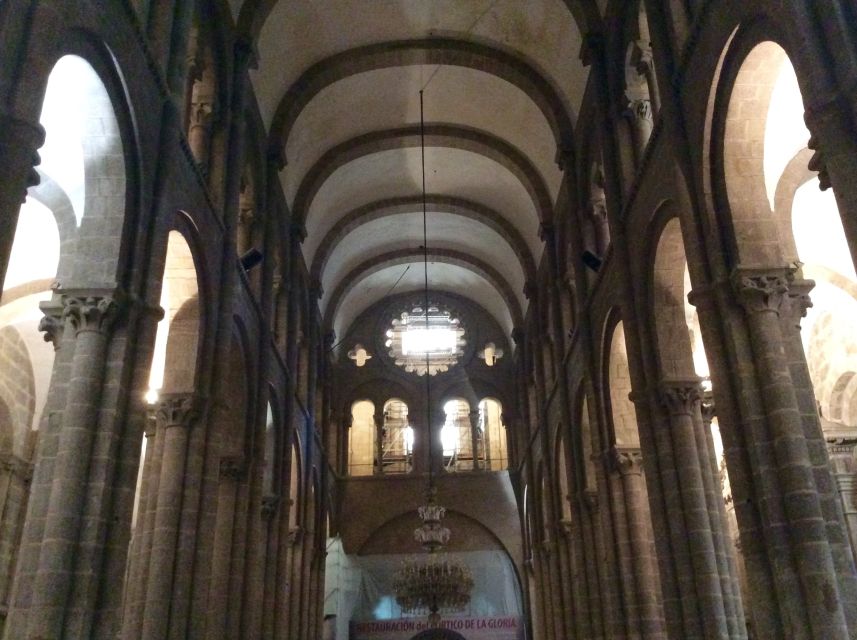
The tour includes skip-the-line access through a separate entrance. In Santiago, that is not a small detail. Saving time means you can stay focused instead of turning the visit into a waiting game.
You also get a live tour guide in multiple languages, including English, Spanish, Italian, Portuguese, and French. That matters because the cathedral has layers of meaning. When the guide can explain in your language, you catch more of the story rather than relying on partial guesses.
Small group availability is another advantage. Smaller groups often mean fewer interruptions and more chances to ask questions at the moments that feel confusing. Many participants have praised guides for answering questions and for pacing the visit so people can keep up.
Guides named in feedback include Carmen, Maria, Miriam, Laura, Betty, Alberto, and Elena. While you may not get the same guide, the pattern is consistent: people remember the way the guide made the museum and cathedral feel connected, and the way they took time to make sure the group stayed together.
Also, a practical note from the tour rules: large backpacks are not allowed. If you’re traveling with bulky items, plan to travel light or store your bigger bag before you arrive.
Reviewed and rated alongside this one, further Museums in Santiago De Compostela
Price value at about $29 for 2 hours
Let’s talk about value, because $29 can either feel like a steal or like a skip, depending on what you get.
Here, you’re paying for three things at once:
- Guided interpretation inside both the museum and the cathedral
- Skip-the-line access through a separate entrance
- A 2-hour structure that covers major, meaningful stops such as the tomb of Saint James, the Codex Calixtinus, the treasury, the chapter house, and the crypt
Without the guide, you can still enter and look around. But you would likely miss why certain objects and spaces matter, especially at the level of religious art and pilgrimage context. This tour is built to help you see the cathedral as a story, not only as a collection of impressive rooms.
The duration is also a key part of the value equation. Two hours is long enough to cover the highlights with explanation, but short enough to fit into a day in Santiago. If you only have one half day and want the big meaning, this time window is practical.
If you want a very deep, slow, hour-by-hour art lecture, you might feel the tour is too compact. But for most visitors, this is a fair price for guided access to the main sacred points and key museum areas.
Who this Santiago de Compostela cathedral tour is best for
This experience is ideal if you:
- Like religious art and want help reading what you see
- Want the pilgrimage story explained while you’re standing in the actual spaces
- Appreciate a planned route that hits key stops like the tomb, chapels, crypt, and Codex Calixtinus
It’s also a good match if you value a guide who can handle questions and keep the group moving, since the tour is designed for a guided pace through the main areas.
One group note: it is not suitable for wheelchair users. If mobility access is a concern, you’ll need a different plan.
Finally, if you care mostly about exterior architecture and symbolic facades, this tour may feel a bit too interior-focused. One past experience flagged that the walk around symbolic facades was not part of the tour, so consider adding separate time outside if that is a priority for you.
Should you book this guided tour of the cathedral and museum?
Book it if you want your Santiago day to feel organized, meaningful, and efficient. The museum-first structure helps you understand what you’re seeing in the cathedral, and the skip-the-line entry protects your time. The biggest payoff is the guided focus on Saint James the Great and the key sacred objects and spaces, including the Codex Calixtinus, treasury, chapter house, and crypt.
Skip it only if you want a long, slow, self-directed visit where you can wander exterior facades and spend extra time on the pieces that catch your eye without explanation. In that case, you may prefer independent entry.
FAQ
How long is the Santiago de Compostela Cathedral and Museum guided tour?
The tour lasts 2 hours.
What is included in the tour price?
It includes a guided tour and an entrance ticket to the cathedral museum.
Can I skip the line?
Yes. The tour includes skip-the-line entry through a separate entrance.
What languages are the live guides available in?
The live tour guide is available in English, Spanish, Italian, Portuguese, and French.
Is there a small-group option?
Yes, a small group option is available.
Is the tour suitable for wheelchair users?
No, this activity is not suitable for wheelchair users.
Are large backpacks allowed?
No. Large backpacks are not allowed.
What should I do about meeting points?
The meeting point may vary depending on the option booked, so you should confirm the exact meeting point for your selection.
Museums: the rest of our Santiago De Compostela write-ups
- Santiago: Cathedral & Museum Tour + Pórtico of Glory Option
★ 4.7 · 2,116 reviews - Santiago de Compostela: Cathedral, Museum, and Old Town Tour
★ 4.8 · 382 reviews
Tours: the rest of our Santiago De Compostela write-ups
- Santiago: Cathedral & Museum Tour + Pórtico of Glory Option
★ 4.7 · 2,116 reviews - From Santiago: Finisterre, Muxia & Costa da Morte Excursion
★ 4.7 · 1,481 reviews - Excursion to Finisterre + Muxia + Costa da Morte (7 stops)
★ 5.0 · 1,367 reviews - Finisterre and Costa da Morte: The Most Complete Tour of Santiago
★ 5.0 · 733 reviews - From Santiago: Finisterre, Muxia, Ézaro – 7 stops day tour
★ 4.6 · 553 reviews
More Santiago de Compostela and Galicia from the notebook
- From Santiago: Finisterre, Muxia & Costa da Morte Excursion
★ 4.7 · 1,481 reviews - Excursion to Finisterre + Muxia + Costa da Morte (7 stops)
★ 5.0 · 1,367 reviews - Finisterre and Costa da Morte: The Most Complete Tour of Santiago
★ 5.0 · 733 reviews - From Santiago: Finisterre, Muxia, Ézaro – 7 stops day tour
★ 4.6 · 553 reviews - Santiago de Compostela: Finisterre, Muxia & Costa da Morte
★ 4.7 · 526 reviews
Fresh off the desk: recent Santiago De Compostela experiences we have written up
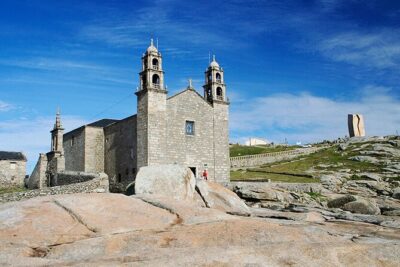

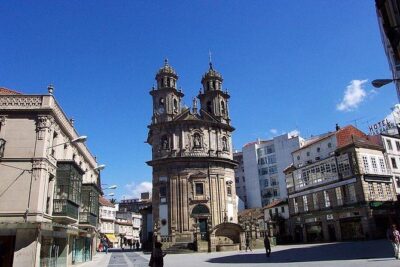
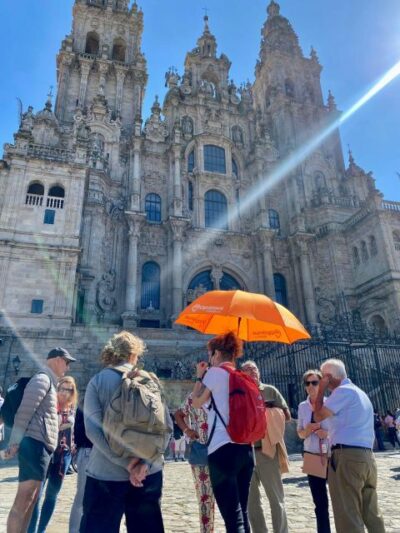
Santiago de Compostela and Galicia, side by side.
 ★ 4.7From Santiago: Finisterre, Muxia & Costa da Morte ExcursionFrom $561,481 reviews
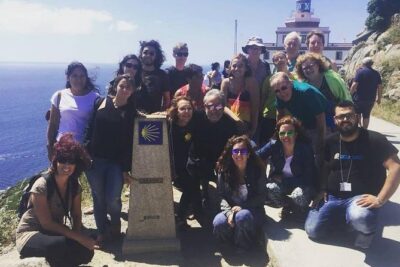 ★ 5.0Excursion to Finisterre + Muxia + Costa da Morte (7 stops)From $591,367 reviews
 ★ 4.7Santiago de Compostela Full-Day Tour From PortoFrom $931,036 reviews
 ★ 5.0Finisterre and Costa da Morte: The Most Complete Tour of SantiagoFrom $59733 reviews
 ★ 4.6From Santiago: Finisterre, Muxia, Ézaro – 7 stops day tourFrom $56553 reviews
 ★ 4.7Santiago de Compostela: Finisterre, Muxia & Costa da MorteFrom $58526 reviews
 ★ 4.5Visit to the Cathedral of Santiago + Portico de la Gloria OptionFrom $26503 reviews
 ★ 4.7From Santiago: Tour to Rias Baixas with Boat Trip and WineryFrom $50400 reviews
This tour also sits in