
Reviewed · ANDALUSIAN NATURE PARKS AND DESERTS
Donana National Park and El Rocío: Guided Tour from Seville
Doñana can feel like a wildlife documentary in motion. This full-day tour pairs Doñana National Park with the horse-and-sand vibe of El Rocío, plus a beach stop for the Atlantic dunes. I like that the day is built around real nature time, not just quick photo pull-offs, and I also like the chance to learn from guides who really know their birds. One thing to consider: depending on conditions, you may not get the full amount of “deep park” 4×4 time you hoped for, and wildlife viewing is never guaranteed.
In a perfect world, you start early from Seville, drive through marsh and rice-field habitat, then step into a guided walking loop near the La Rocina stream. The day keeps shifting ecosystems, from stork colonies to pine forest sunset, so you are not stuck looking at one type of scenery all day. Guides you may encounter in this program include Jose, Ramon, and Sergio, and their shared strength is translating what you are seeing into something you can understand fast.
The biggest “make it better” tip is simple: show up ready to move and ready to learn. This is a small group up to 15, but multiple stops mean you spend time in transit, and the schedule can feel long. If you care deeply about English-only narration, it helps to keep your expectations realistic, because some groups include Spanish speakers and English explanations can vary.
In This Review
- Key highlights and what they mean for your day
- Doñana and El Rocío in one long day: what you really get
- Seville pickup and the early start, from luggage storage to Coria del Rio
- Puebla del Río marshes and rice fields: birds north of the park
- Dehesa de Abajo and El Rocío village: storks, chapel, and sandy streets
- La Rocina walk, Palacio del Acebrón, and the learning stops that make it click
- Matalascanas dunes and beach time at the Atlantic edge
- The 4×4 return and the wildlife reality check
- How guides like Jose, Ramon, and Sergio can make or break the day
- Price and value: is $107.68 a fair deal?
- Who this tour suits best, and who might reconsider
- Should you book this Doñana and El Rocío tour?
- FAQ
- How long is the Doñana and El Rocío guided tour from Seville?
- Is this tour offered in English?
- Does the tour include lunch?
- What’s included in the ticket price?
- Where does the tour start and end?
- What happens if the weather is poor?
Key highlights and what they mean for your day
- 4×4 time in and around Doñana: you get off main roads, which helps when wildlife is nearby.
- El Rocío chapel and observatory stop: it adds a cultural beat and improves bird spotting odds.
- La Rocina walking route: it turns a drive-by park into an actually leg-stretching nature walk.
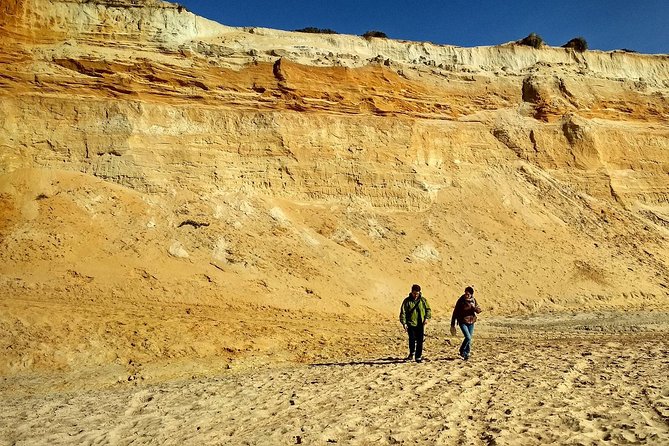
- Matalascanas dunes and beach ecosystem: you trade marsh birds for dune terrain and Atlantic scenery.
- Sunset in the Asperillo pine forest: it is a strong closing moment when timing lines up.
- Small group feel (max 15): you get more attention than on big coach tours.
Doñana and El Rocío in one long day: what you really get
This is the kind of tour that works best when you want variety. Doñana is not one habitat, it is a system: marshes, pine forests, pasture, rice fields, and coastal dunes. The route reflects that. You spend time near water first, then you move toward the village life of El Rocío, and later you transition to the coast.
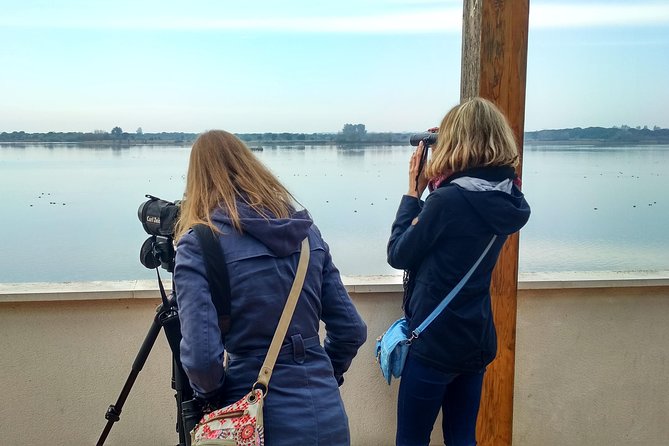
El Rocío is the emotional center of the day. It is not just a photo stop. You visit the hermitage area, and you also get time around an ornithologists’ observatory where birdwatching makes sense on the ground, not just as a slogan. Even if you are not a hardcore birder, the observatory and the chapel area help you understand why people keep returning to this place.
If your goal is wildlife, I would treat it as a “wildlife chance” day rather than a guaranteed mammal safari. The itinerary points toward animals in natural settings, and some outings are lucky, including sightings like Iberian lynx in certain seasons. But the park is big and weather matters, so you are best off focusing on the full experience: birds, habitats, and the way the land changes.
Seville pickup and the early start, from luggage storage to Coria del Rio
Your day begins with an early departure from Seville. The program lists multiple pickup points, which is a big deal in the real world. The starting meeting point is C. Rastro, 12a (41004 Sevilla), and other pickup locations can include Calle Trajano nº6 at Hotel Don Paco and Calle Rastro, 12A. There is also a first stop at Naturanda Tourism Information for luggage storage, which can help if you are traveling light but still want to keep bags handled.
A recurring practical lesson from people who did this route is timing. If you are even a little late to your assigned pickup point, you can start the day stressed. I suggest doing two things: confirm your exact pickup address the night before, and plan to arrive early enough to settle in without rushing.
Also note a seating reality. The tour is marketed as a 4×4, and many groups use that style vehicle, but at least some participants report being in a different vehicle type (like a minivan). Either way, back seats can mean smaller windows, and that affects photography. If you have a camera, think about where you want to sit before the vehicle pulls out.
Worth a side-by-side look, our other Andalusian Nature Parks and Deserts
Puebla del Río marshes and rice fields: birds north of the park
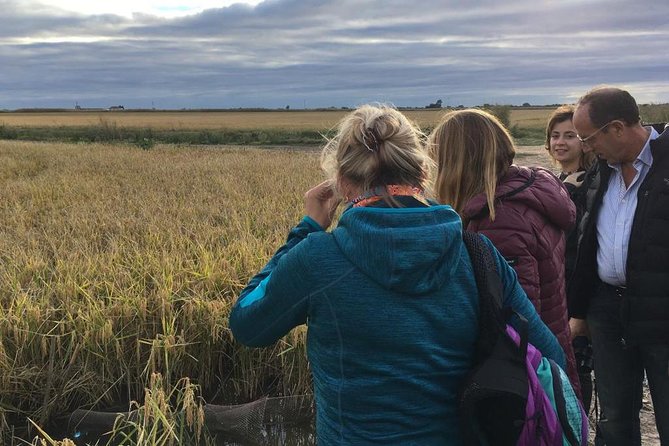
Your route reaches La Puebla del Río early. This is a key habitat stop because the area stays water-friendly more consistently than you might expect. Rice fields expand in spring and summer, and that makes a difference to birds that need feeding and safe resting spots.
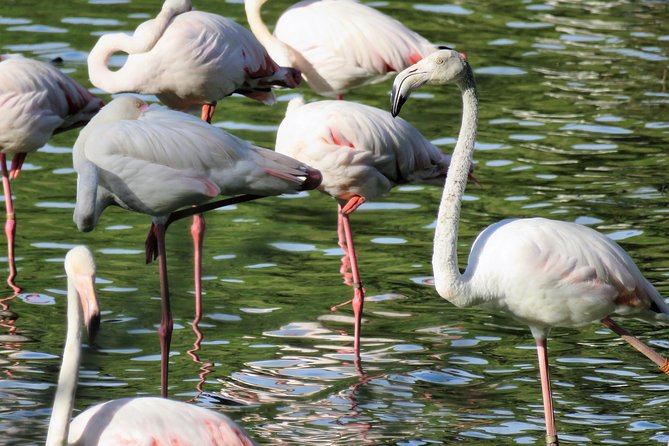
You also get a first taste of what makes Doñana special: the park is famous, but it also rewards patience. Marshes, rice paddies, and waterways are not quiet, empty scenery. They are active food networks. That is why bird spotting is the star of the show here, and why the guide’s eyes matter.
One more practical point: early light and cooler temperatures can make birdwatching easier. If you are sensitive to heat, you’ll likely appreciate starting early rather than arriving midday, when the birds can tuck in.
Dehesa de Abajo and El Rocío village: storks, chapel, and sandy streets
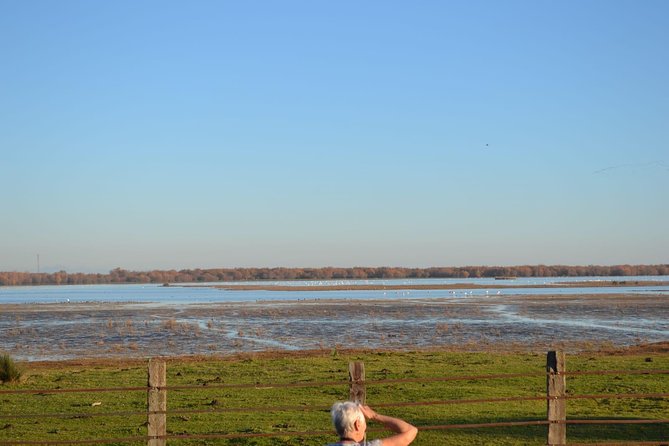
Next comes Dehesa de Abajo, described as a beautiful place with old olive trees and oaks. This is where stork viewing becomes a highlight. You are in the zone for the Europe’s largest white stork colony, and you may also see thousands of birds in the wider natural habitat.
Then the day shifts into cultural mode with El Rocío. You reach the hermitage area, and you get time to walk and take in the atmosphere. People describe the feeling as older-world, with sandy paths and the sense that the village lives by its rhythms, not by tourism alone. That matters. It gives you a break from constant scanning for wildlife and lets the day breathe.
There is also an ornithology observatory component here, and that is smart. A chapel visit is moving. An observatory makes it useful. Together they explain both the human and animal pull of this place.
La Rocina walk, Palacio del Acebrón, and the learning stops that make it click
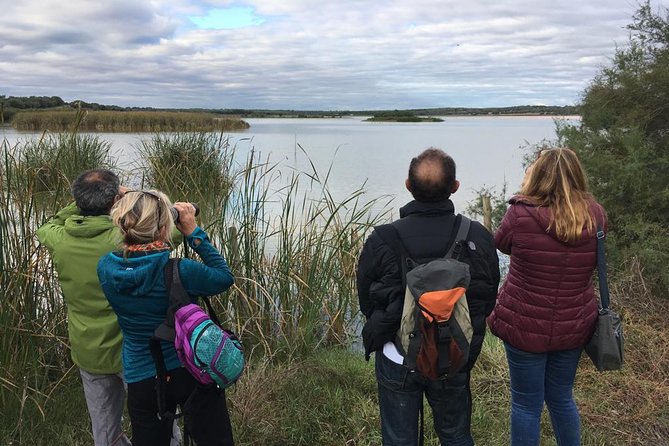
After the village, you step back into the park through a walking route near La Rocina. This part matters because it is where you stop being a passenger and start being a listener. The tour describes a circular hike that interprets animal trails and introduces indigenous plants.
Even if you only walk casually, this kind of stop changes how you see the park. Trails are not just lines on the ground. They are clues. Once someone points out what you are looking at, you start noticing details you would otherwise walk right past.
There is also a Palacio del Acebrón stop next to the Arroyo de la Rocina. In a day like this, interpretive buildings can become a time sink if you treat them like a museum. But if you stay in “field mode,” they can help you connect habitat types to the animals you are trying to spot. And the tour includes a UNESCO World Heritage Centre as part of the overall experience, which fits the idea that you are not just sightseeing, you are learning why the park matters.
One real-world lunch note: lunch is a break and food is not included. Some participants mention specific restaurants, including Casa Matías, and that experience can vary. I’d treat lunch as a flexible moment. If the group stop does not look appealing, you can at least ask what options are available, since dietary needs like vegetarian can be hit or miss.
Matalascanas dunes and beach time at the Atlantic edge
Later, you head to Playa de Matalascanas for about an hour. This is a change of pace from marsh and forest birding. The focus here is the coastal ecosystem and the transforming dunes of the Doñana area.
You are also near the Atlantic, which means you can get sea-breeze relief, different light for photos, and a new kind of terrain. Dunes can be hard to explain from a vehicle window, so having actual time at the beach is useful. It also helps break the day up so it does not feel like one long nature lecture.
If you want beach photos, plan ahead. Bring a small layer if it is windy, and pack something basic for getting comfortable near sand and sun.
The 4×4 return and the wildlife reality check
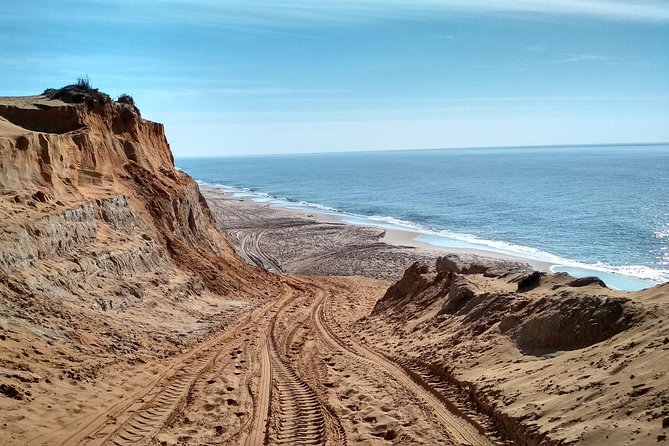
The itinerary includes a 4×4 crossing back through the park, and it is also where the day can either fully deliver on the “mammals” promise or shift into a more general nature drive. Some participants have reported that the promised deep-forest crossing did not happen, with driving on more peripheral roads and fewer wildlife sightings.
Why this can happen is not mysterious. The park is protected, and access can change. One response from the operator in the background of this program notes that weather can close areas for security reasons. When access is limited, your time inside may shrink, which also reduces the odds of spotting more elusive mammals.
So here is my practical advice: go in expecting birdlife first, and treat mammals like a bonus. Even when mammals do not show, you can still have a great day if the guide is sharp, habitats are diverse, and you enjoy the naturalist pacing.
One strong closing beat is sunset in the Asperillo pine forest. That depends on timing, but when you get it, sunset makes the driving and scanning feel worth it, even if wildlife is quiet.
- Seville: Live Flamenco Dancing Show Ticket at the Theater
- Seville: 1-Hour Guadalquivir River Sightseeing Eco Cruise
- Seville: Cathedral, Giralda, and Royal Alcázar Guided Tour
- Seville: Setas de Sevilla Entry Ticket
- Seville: Cathedral, Giralda & Alcazar Entry With Guided Tour
- Seville: Priority Access Cathedral, Giralda & Alcázar Tour
- Seville: Guadalquivir River Cruise
- Seville: Puro Flamenco Show with Optional Museum Ticket
How guides like Jose, Ramon, and Sergio can make or break the day
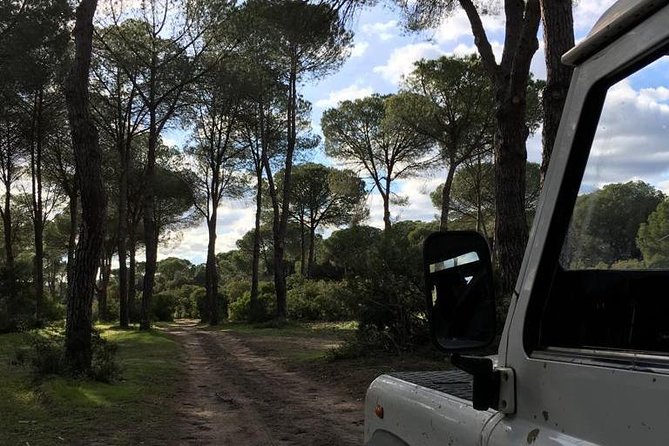
This tour rises or falls on the guide. The best experiences center on guides who connect the dots between what you see and what matters. In these programs, names that came up include Jose, Ramon, and Sergio, and participants praised them for patient explanations and serious bird focus.
That said, language balance can be tricky. Multiple comments describe a mix of English and Spanish, with English sometimes getting shorter explanations or being skipped when questions came up from Spanish speakers. If you do not speak Spanish, I suggest mentally preparing for moments when you get more by watching than by listening.
Also, your seat affects the experience. People who ended up in the back sometimes struggled with camera angles and window size. The fix is simple: try to get a front or middle spot early, and tell the guide you want visibility for photos if your group formation allows it.
Finally, season changes the odds. One comment notes that October can reduce wildlife sightings, while other guidance highlights that spring is often better for water-dependent animals. That fits what you would expect in an ecosystem like Doñana.
Price and value: is $107.68 a fair deal?
At $107.68 per person for a day that runs about 10 hours, you are paying for transport, guide time, and access to a guided route through protected habitats. Food is not included, and that is important. You will likely add lunch on your own, so your real total is closer to a “day-trip budget” than a “just buy tickets” budget.
Here is why I still think it can be good value. Doñana is not a place you can easily freestyle from Seville if you want to hit the right habitats with the right pacing. The 4×4 component and the guided nature stops save you effort and help you get something more than scenic driving.
If your top priority is one specific animal, like Iberian lynx, treat the tour as a chance, not a guarantee. But if you are happy with birds, tracks, dunes, and habitat variety, the price starts to make sense fast.
Where value slips is when your group does not get access to the deeper park sectors or when language expectations do not match reality. If you’re especially sensitive to that, you may prefer a private tour or a smaller English-only plan.
Who this tour suits best, and who might reconsider
This tour is a strong fit for you if:
- You want one-day structure to see multiple Doñana environments.
- You enjoy guided nature walking, not just driving.
- Birdlife is a major reason you are in Spain.
- You like cultural texture too, not only wildlife.
It might be less ideal if:
- You need guaranteed mammal spotting.
- You are very camera-focused and hate the idea of smaller windows in back seats.
- You want strictly English narration every minute, no exceptions.
If any of those are true, I would choose a format that gives you more control over seating and language, or I’d go with a plan that matches your expectations for wildlife intensity.
Should you book this Doñana and El Rocío tour?
I’d book it if you want a full, varied day that mixes Doñana National Park with El Rocío, and you are excited by the idea of learning what you are seeing, especially birdlife. The tour’s strengths are habitat variety, structured stops like La Rocina, and the strong payoff of sunset timing when access allows.
I would hesitate if your whole trip depends on seeing one hard-to-find mammal. The park does not work like that. Weather and access can change what you can reach, and some seating and language details can affect the experience.
If you decide to go, come prepared to be flexible: bring swim gear if you plan for the coast, choose a lunch option you like, and arrive early for your pickup point so you start relaxed instead of running.
FAQ
How long is the Doñana and El Rocío guided tour from Seville?
The tour runs about 10 hours.
Is this tour offered in English?
Yes. It is offered in English.
Does the tour include lunch?
No. Food and drinks are not included, and lunch is an own-expense break during the day.
What’s included in the ticket price?
You get a professional guide, pickup and drop-off service in most downtown hotels, round-trip shared transfer, transport by 4×4 vehicle, and a small group guided day trip (max 15 travelers).
Where does the tour start and end?
It starts at C. Rastro, 12a, 41004 Sevilla (and other pickup points may be used), and it ends back at the meeting point area in Seville.
What happens if the weather is poor?
The experience requires good weather. If it is canceled due to poor weather, you should be offered a different date or a full refund.
National Parks we rated next in Seville
- From Seville: Doñana National Park Day Trip
★ 4.3 · 380 reviews - Donana National Park: Guided Day Tour from Seville
★ 4.5 · 372 reviews
Tours: the rest of our Seville write-ups
- Seville: Cathedral, Giralda, and Royal Alcázar Guided Tour
★ 4.7 · 9,165 reviews - Seville: Cathedral, Giralda & Alcazar Entry With Guided Tour
★ 4.6 · 8,560 reviews - Seville: Priority Access Cathedral, Giralda & Alcázar Tour
★ 4.8 · 7,563 reviews - Seville: Alcázar and Cathedral Entry Ticket and Guided Tour
★ 4.6 · 5,056 reviews - Seville: City Sightseeing Hop-On Hop-Off Bus Tour
★ 4.0 · 4,633 reviews
Andalusian Nature Parks and Deserts: the others that earned a place
- From Seville: Doñana National Park Day Trip
★ 4.3 · 380 reviews - Donana National Park: Guided Day Tour from Seville
★ 4.5 · 372 reviews
Fresh off the desk: recent Seville experiences we have written up






Andalusian Nature Parks and Deserts, side by side.
 ★ 5.0Cabo de Gata Active. Guided kayak and snorkel route through coves of the Natural ParkFrom $541,531 reviews
 ★ 4.9Granada: Sierra Nevada Safari Tour to 2500 m with a DrinkFrom $851,466 reviews
 ★ 4.9From Almeria: Tabernas Desert 4WD Joyriding TourFrom $451,344 reviews
 ★ 5.0From Granada: Sierra Nevada Safari tour up to 2500 meters highFrom $102673 reviews
 ★ 4.7Cabo de Gata: Natural Park Kayaking and Snorkel ExcursionFrom $53442 reviews
 ★ 4.9Almeria: Horse Riding Tour Through the Tabernas DesertFrom $53406 reviews
 ★ 4.3From Seville: Doñana National Park Day TripFrom $105380 reviews
 ★ 4.5Donana National Park: Guided Day Tour from SevilleFrom $95372 reviews
This tour also sits in