
Reviewed · GUIDED
Seville: Archive of the Indies Guided Tour
Seville keeps America’s records in plain sight. This guided tour of the Archivo de Indias takes you inside one of Seville’s UNESCO World Heritage monuments, with a guide focused on the city’s link to the Americas. For 105 minutes, it’s less about wandering and more about understanding what this building was doing in Seville’s big story.
I especially like the way the tour frames the heritage expert narration before you even enter. You do a short walk around the building to line up how it relates to nearby landmarks, then you head into two floors of the archive to see documents and objects kept under tight care. The biggest drawback is language mix-ups can happen, so if you need English, confirm it before you arrive.
This tour is live and 105 minutes can feel long if you prefer lighter sightseeing. It also is not suitable for children under 8, so plan accordingly if you’re traveling with kids.
In This Review
- Key highlights worth your time
- The Archivo de Indias: more than a paperwork museum
- Meeting at the stairs and getting oriented fast
- Entering the General Archive: the story behind the building
- Two floors of guarded documents you can actually understand
- The Seville-Cathedral-versus-merchants connection that ties it all together
- Guide quality and language: how to avoid a frustrating start
- Who this 105-minute Archivo de Indias tour is for
- Price and value: what $17 buys you here
- Should you book the Archivo de Indias guided tour?
- FAQ
- How long is the Seville Archivo de Indias guided tour?
- Where do I meet the guide?
- What languages are available for the live guide?
- Is the tour wheelchair accessible?
- What is included in the price?
- Is this tour suitable for children?
Key highlights worth your time
- UNESCO World Heritage building, with context tied to the Americas
- A short exterior orientation that connects the Archivo to nearby monuments like the Cathedral and the Alcázar
- Two-floor visit to the General Archive of the Indies
- A heritage expert explains why the building was created from a 16th-century conflict, not as an archive
- You’ll view priceless documents and guarded objects inside the archive rooms
- Live guided tour offered in English and Spanish (double-check your language)
The Archivo de Indias: more than a paperwork museum
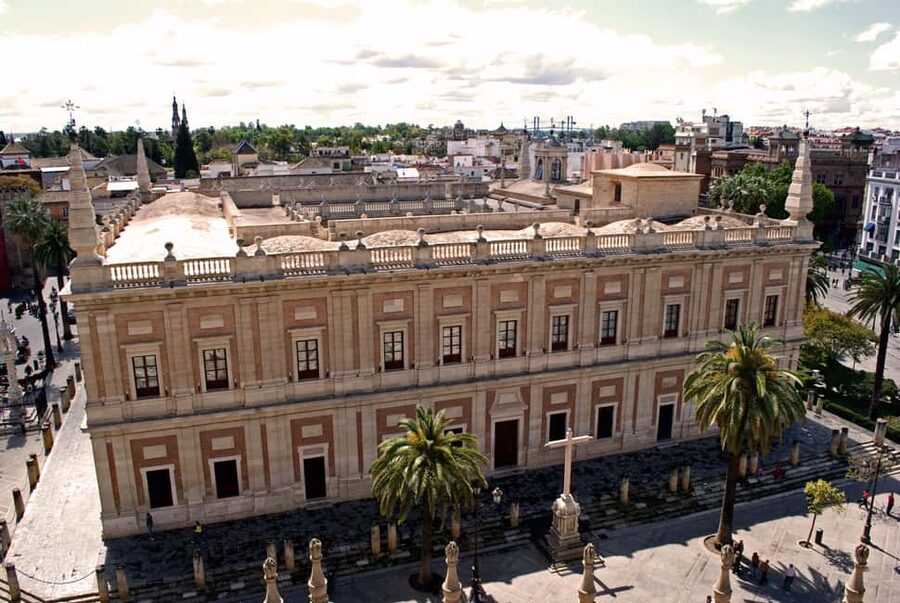
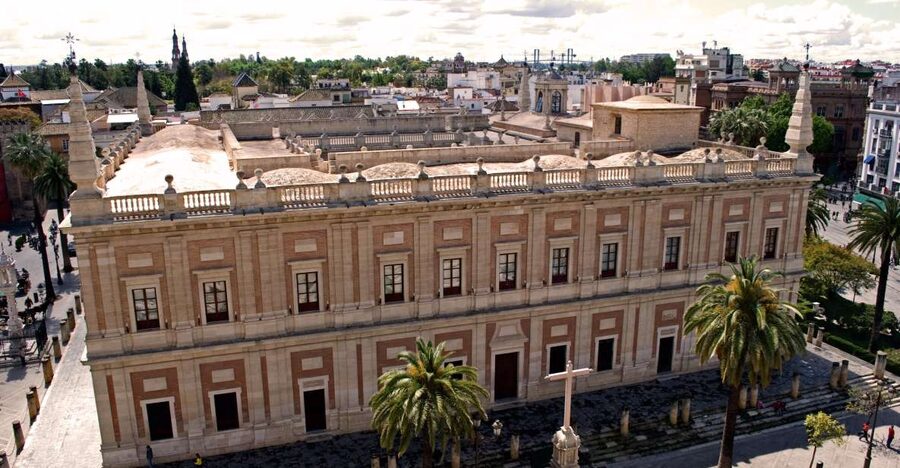
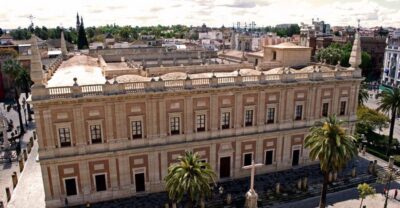
The Archivo de Indias is one of those places where the building itself tells you what kind of history you’re about to meet. You’re not just touring a quiet room full of artifacts. You’re stepping into a UNESCO site that grew out of Seville’s role in the Americas connection, when the city was a central hub for merchants and traders.
What I like about this tour is that it helps you connect the dots. The experience explains the relationship between this monument and major neighbors in Seville, including the Cathedral and the Alcázar. That outside framing matters because once you’re inside, you’ll understand the layout and purpose with more clarity, instead of treating it like a random interior stop.
Also, you’re visiting the General Archive of the Indies with a guide, which changes the vibe. Left on your own, you might read signs, but you might miss the “why” behind the place. With a focused heritage expert, you start to see how power, commerce, and institutions shaped what this building became.
Meeting at the stairs and getting oriented fast
You meet at the Archivo de Indias, and the instruction is straightforward: find the guide by the stairs at the entrance. That’s helpful in a city where the big buildings can blend together fast, especially when you’re trying to arrive on time.
Before entering, the tour includes a short walk around the building. The goal is practical: you get a sense of how the Archivo de Indias connects to the surrounding monuments, especially the Cathedral and the Alcázar of Seville. Even if you already know those sites, this quick perimeter look acts like a mental map. You learn what you’re looking at, then you walk into the interior with that context already in place.
This is one of the tour choices I’d recommend even to people who consider themselves “not great at history.” The outside orientation is the bridge between Seville postcard landmarks and the archive rooms inside. You get your bearings, then the guide tells you how the story fits together.
Reviewed and rated alongside this one, further Guided in Seville






Entering the General Archive: the story behind the building

Here’s the part that makes this tour more interesting than a standard museum walkthrough. You’ll hear that the building was not originally conceived as an archive. Instead, it was born out of a conflict involving the Cathedral of Seville and the merchants and traders who shaped the city in the 16th century.
That single idea changes how you experience everything after. When you understand that the building emerged from disagreement between powerful groups, you start paying attention to the sense of purpose behind the spaces. You’re not just looking at old records. You’re looking at a structure that reflects how Seville worked, negotiated, and managed authority tied to trade and contact across the Atlantic.
The tour also points out that the building had earlier uses before it became the General Archive of the Indies. That matters because it keeps you from imagining it was always meant to store documents. It wasn’t born as an archive. It became one, because Seville’s role in the Americas produced a need for organized records.
Two floors of guarded documents you can actually understand
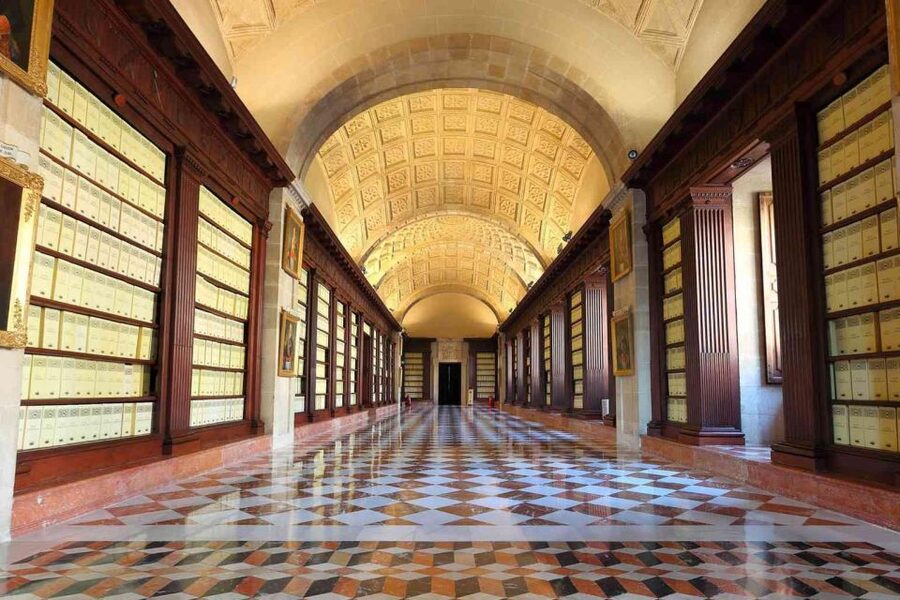
Inside, the tour moves through the archive’s main spaces across two floors. The duration is 105 minutes, so expect a guided pace. You’ll get the key aspects of this World Heritage space explained in a way that connects the objects you see to the broader Seville and Americas story.
You’ll also see priceless objects and documents that are guarded in this place. The important part for you as a visitor is not just that the items are valuable, but that the guide helps you see why they matter. Without context, documents can feel generic, like old papers behind glass. With the explanation, you start connecting the archive’s role to what was happening in Seville and why those records needed a permanent home.
Also, the guide is clearly focused on interpretation rather than trivia. That’s why the pacing works. You spend time on the “what this place is for” question, not just “what room is this” details.
The Seville-Cathedral-versus-merchants connection that ties it all together
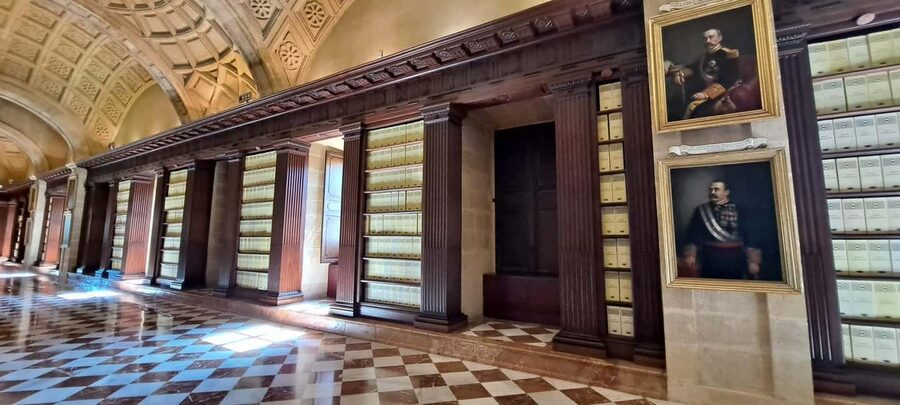
The tour’s historical thread centers on tension, institutions, and commerce. You learn how this building relates to the Cathedral of Seville and to the merchants and traders who were concentrated in the city in the 16th century. This is the moment where the Americas connection becomes more than a label on the wall.
Think about what that means for your visit. Seville was not a distant observer of the Americas. It was deeply connected through trade and the movement of people, goods, and information. The archive exists because those links created records that needed to be kept and organized.
The guide’s emphasis on conflict helps you understand the human side of the archive. It wasn’t built in a vacuum, and it wasn’t a neutral civic project. It grew from push-and-pull among groups with different interests. Once you absorb that, the building feels less like a static monument and more like a living product of Seville’s power dynamics.
Guide quality and language: how to avoid a frustrating start
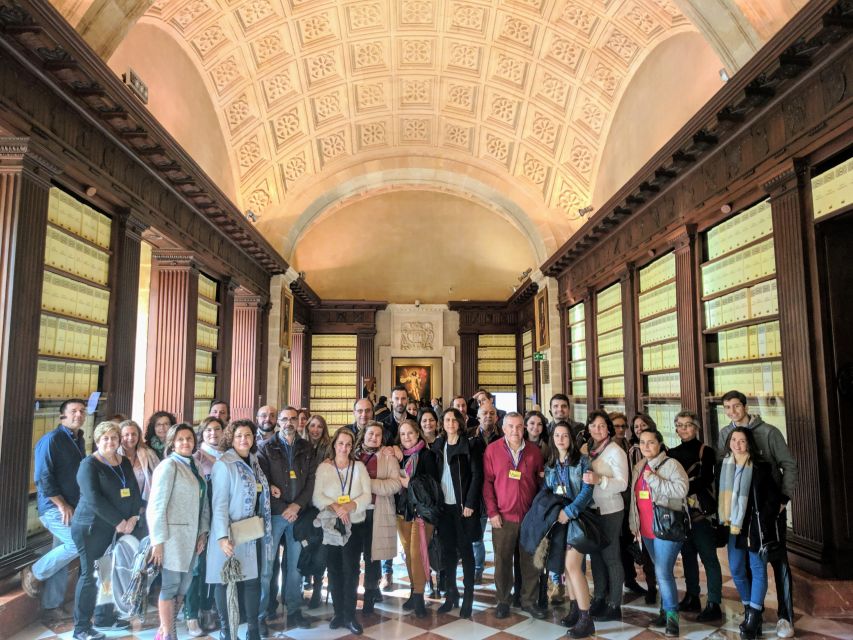
This is a live tour with a guide, offered in English and Spanish. Past visitors have praised guides for specialized explanations, including people like Maleni, who was highlighted for passionate, expert-level history talk.
Still, here’s the practical consideration I’d take seriously: language issues can ruin the experience. If you’re relying on English, don’t assume it will magically work once you’re there. One participant described arriving expecting English and finding the tour was Spanish, with the guide saying they did not know English, which led to leaving. I don’t want that for you.
So do this instead. Before you go, make sure your booking matches the language you need. If the language selection is unclear, message or ask for confirmation. At the entrance, communicate quickly, not at the last second.
If you’re comfortable with either English or Spanish, you’ll likely find the tour rewarding because the structure is clear and the guide has a lot to explain. But if you need one language specifically, be firm about it.
Who this 105-minute Archivo de Indias tour is for

This tour is a solid match if you want more from Seville than landmarks and photos. It’s ideal for first-time visitors who want an “I get it now” explanation of how Seville connects to the Americas. It also works well for people who enjoy guided context, because the tour is built around interpretation from a heritage expert.
You might find it less satisfying if you prefer short stops or if you get restless with longer historical explanations. One comment described the visit as too long for their interests, especially due to details that did not feel relevant. That’s a real factor for you to consider: 105 minutes is enough time to go deep.
And it’s not suitable for children under 8. If you’re traveling with younger kids, this one is likely to be a hard fit. For older kids who can sit through a guided museum talk, it can be a strong educational stop, but the provided info sets the minimum age.
- Seville: Live Flamenco Dancing Show Ticket at the Theater
- Seville: 1-Hour Guadalquivir River Sightseeing Eco Cruise
- Seville: Cathedral, Giralda, and Royal Alcázar Guided Tour
- Seville: Setas de Sevilla Entry Ticket
- Seville: Cathedral, Giralda & Alcazar Entry With Guided Tour
- Seville: Priority Access Cathedral, Giralda & Alcázar Tour
- Seville: Guadalquivir River Cruise
- Seville: Puro Flamenco Show with Optional Museum Ticket
Price and value: what $17 buys you here
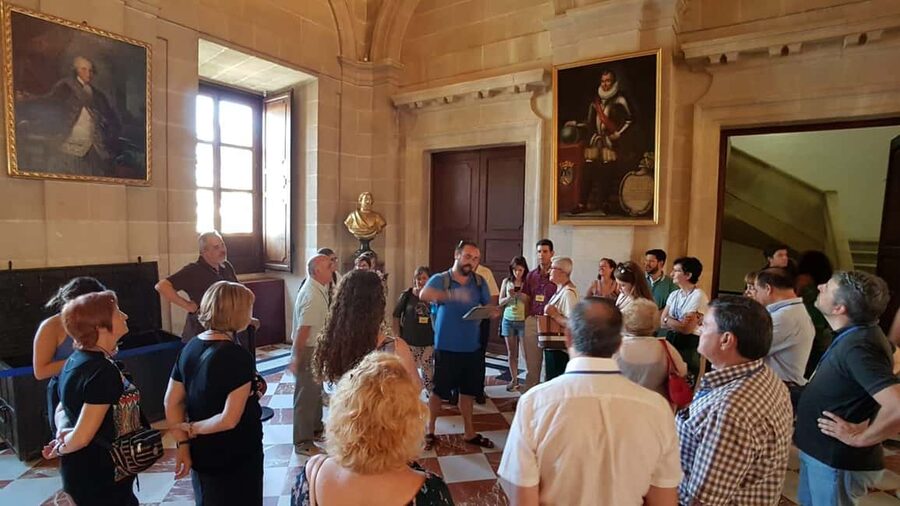
At about $17 per person for a 105-minute guided experience, this is priced like a focused, high-value sightseeing slot. You are paying for more than entry to a landmark. The price includes the archive entry ticket plus a guide who explains the building’s history, its relationship to nearby monuments, and what you’re seeing inside on two floors.
Here’s how I’d judge the value for you. If you’re the kind of visitor who reads signs but wants the story behind them, paying for a guide is often the cheapest upgrade you can make. This tour’s structure supports that idea. You get an exterior orientation, then you get guided context for what’s inside, including guarded priceless documents.
If you’re the type who hates guided pacing or you’re only interested in very general sightseeing, you might question the value. In that case, you could consider a self-guided visit. But if you want the “why” behind Seville’s Americas connection, this price-to-time ratio feels fair.
Should you book the Archivo de Indias guided tour?
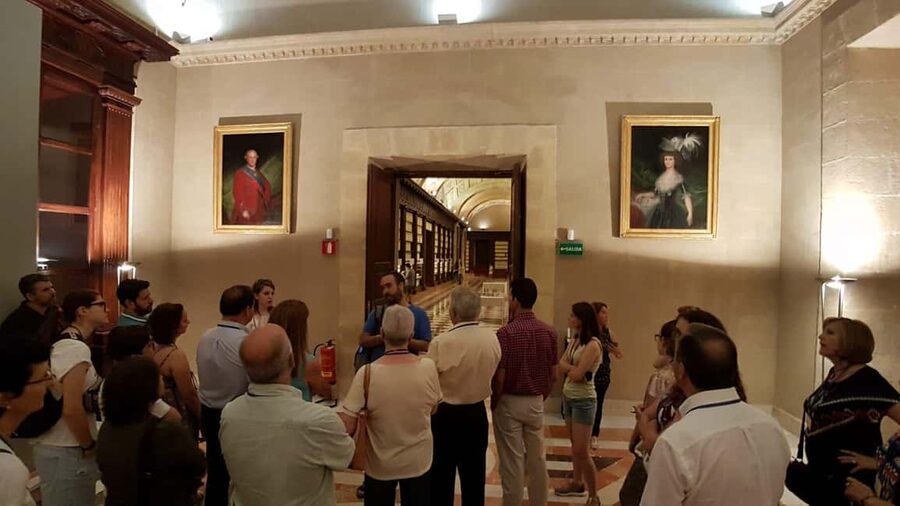
If you want a clear, guided understanding of Seville’s link to the Americas, I’d book this tour. The standout reasons are the expert storytelling, the short exterior orientation that connects the building to landmarks like the Cathedral and the Alcázar, and the chance to see guarded documents and objects with context.
Book it especially if you care about how buildings evolve from historical conflicts into institutions. That theme is central here, and it turns the visit from a passive stroll into an informed experience.
Skip it or reconsider if you need very specific language and you cannot confirm it in advance, or if 105 minutes of guided history feels like a lot for your travel style. And if you’re traveling with children under 8, it’s not a match based on the stated suitability.
FAQ
How long is the Seville Archivo de Indias guided tour?
The tour lasts 105 minutes.
Where do I meet the guide?
You meet the guide by the stairs at the entrance to the Archivo de Indias.
What languages are available for the live guide?
The live tour guide is available in English and Spanish.
Is the tour wheelchair accessible?
Yes, the tour is wheelchair accessible.
What is included in the price?
The price includes the guided tour and the Archivo de Indias entry ticket.
Is this tour suitable for children?
It is not suitable for children under 8 years old.
Guided: the rest of our Seville write-ups
- Seville: Cathedral, Giralda, and Royal Alcázar Guided Tour
★ 4.7 · 9,165 reviews - Seville: Cathedral, Giralda & Alcazar Entry With Guided Tour
★ 4.6 · 8,560 reviews - Seville: Alcázar and Cathedral Entry Ticket and Guided Tour
★ 4.6 · 5,056 reviews - Alcázar of Seville Skip-the-Line Tickets and Guided Tour
★ 4.6 · 3,941 reviews - Seville: Alcázar Guided Tour
★ 4.5 · 3,371 reviews
Tours: the rest of our Seville write-ups
- Seville: Cathedral, Giralda, and Royal Alcázar Guided Tour
★ 4.7 · 9,165 reviews - Seville: Cathedral, Giralda & Alcazar Entry With Guided Tour
★ 4.6 · 8,560 reviews - Seville: Priority Access Cathedral, Giralda & Alcázar Tour
★ 4.8 · 7,563 reviews - Seville: Alcázar and Cathedral Entry Ticket and Guided Tour
★ 4.6 · 5,056 reviews - Seville: City Sightseeing Hop-On Hop-Off Bus Tour
★ 4.0 · 4,633 reviews
Fresh off the desk: recent Seville experiences we have written up






Guided, side by side.
 ★ 4.6Barcelona: Sagrada Familia Entry Ticket with Audio GuideFrom $39105,312 reviews
 ★ 4.7Barcelona: Park Guell Guided Tour with Skip The Line EntryFrom $3117,563 reviews
 ★ 4.8Málaga: Caminito del Rey Guided Tour with TransportationFrom $6912,183 reviews
 ★ 4.6Caminito del Rey: Guided Tour and Entry TicketFrom $3511,286 reviews
 ★ 4.6Córdoba: Skip-the-Ticket-Line Mosque-Cathedral Guided TourFrom $319,634 reviews
 ★ 4.7Seville: Cathedral, Giralda, and Royal Alcázar Guided TourFrom $699,165 reviews
 ★ 4.5Fast Track Sagrada Familia Guided TourFrom $668,795 reviews
 ★ 4.6Seville: Cathedral, Giralda & Alcazar Entry With Guided TourFrom $658,560 reviews