
Reviewed · JEWISH QUARTERS AND OLD TOWN WALKS
Seville Jewish Quarter Small Group Tour with Tapas and Drinks
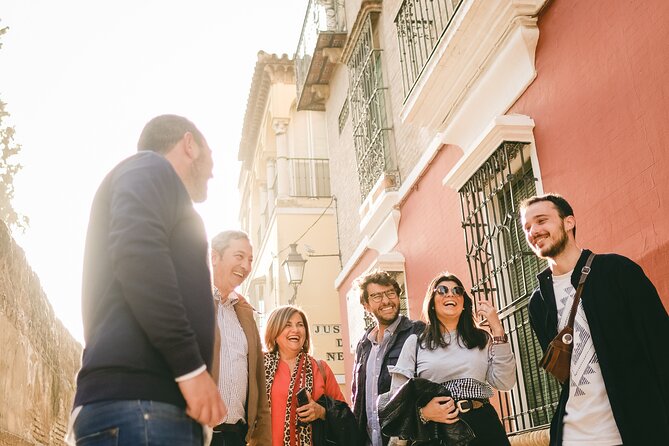
Seville’s Jewish Quarter works like a storybook. I like the small-group pace here, with stops built for history, easy walking, and plenty of chances to frame photos in the old lanes.
I also love that the tour ends with a three-tapas meal plus two drinks, turning an intense set of stories into a relaxed Andalusian dinner. The food plan usually mixes vegetables with meat and/or fish, and it is handled in a way that works for vegetarians and common dietary needs.
One consideration: this part of Seville is mostly streets, corners, and a few preserved structures, not a big museum full of objects. You will get the most out of it if you enjoy learning how everyday places connect across centuries, especially if the weather is rainy.
In This Review
- Key Highlights You’ll Actually Feel on the Walk
- Getting Your Bearings in Seville’s Jewish Quarter (Plus Photos)
- Plaza del Triunfo Start: Alcázar Origins and a Clear Route Into the Past
- Urban Changes That Shaped Today’s Seville
- Susona and the Street of Death: Medieval Storytelling You Can Walk
- Fortified Area Around the Jewish Quarter and the Alcázar
- The Medieval Jewish Cemetery, Preserved in a Curious Structure
- Three Mediterranean Cultures, One Site of Worship
- Hidden Secrets Inside Houses, Now Preserved at a Hotel
- The Square That Gave the Neighborhood Its Name, Then a Church
- Tapas and Drinks Dinner: What You’ll Eat and Why It Works
- How Long It Takes, Walking Level, and Group Size Reality Check
- Who Should Book This Seville Jewish Quarter Tour
- Should You Book It? My Straight Answer
- FAQ
- How long is the Seville Jewish Quarter tour?
- Where does the tour start and end?
- What food and drinks are included?
- Does the tour handle dietary restrictions or allergies?
- What is the group size?
- What is the cancellation policy?
Key Highlights You’ll Actually Feel on the Walk
- Guides link the Jewish Quarter to the Alcázar area so the whole neighborhood makes sense fast
- Susona and the Street of Death are told in a way that helps you picture the medieval stories in real space
- A preserved medieval Jewish cemetery with a structure that looks strange for a reason
- Fortified boundaries around the Alcázar and the quarter, explained like a map in your head
- A three-tapas, two-drinks meal at the end, with rotating dishes that usually satisfy veggies too
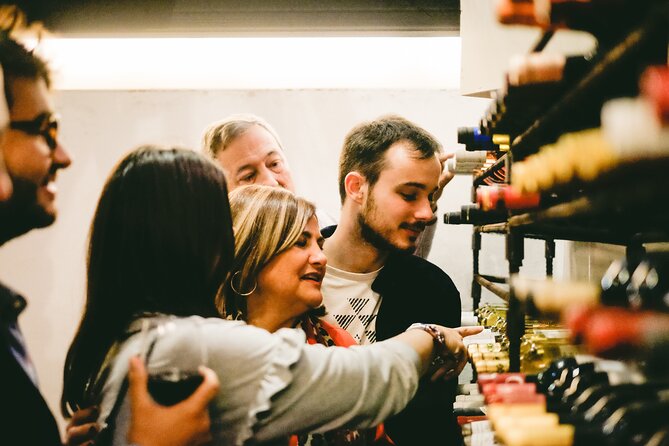
- Small group size up to 10, which makes it easier to ask questions and move at a human pace
Getting Your Bearings in Seville’s Jewish Quarter (Plus Photos)
This is a walking-focused Seville Jewish Quarter tour designed to help you understand Santa Cruz as a lived-in neighborhood, not just a name on a postcard. You start at Plaza del Triunfo, then the route threads through the older streets with a guide doing the heavy lifting, story by story.
The small group size matters. With a maximum of 10 people, you can hear the details, pause for questions, and still keep things moving at a steady pace. Several guides run the experience, and you may hear different styles, from Miguel’s energetic storytelling to Marta’s fun, friendly delivery.
Expect lots of photo opportunities, but not in a stop-and-pose way. The best shots usually come from turns, doorways, and small plazas, the kind you might miss without someone pointing out why a spot matters.
Plaza del Triunfo Start: Alcázar Origins and a Clear Route Into the Past
The tour kicks off at Plaza del Triunfo and immediately shifts you into orientation mode. You get a welcoming historical introduction to Seville and the Jewish Quarter, with context that makes later stops easier to follow.
A key element early on is the way the guide connects the Alcázar to what came before. On the way into the Jewish Quarter, you learn about the origin of the Alcázar, which helps you understand why this area was strategically important long before it became the famous landmark you see today.
This first segment is also where you learn the rhythm of the neighborhood. Narrow streets, small squares, and turning alleys can feel confusing on your own, so having someone map the meaning behind each section is a real time saver.
Our remaining Jewish Quarters and Old Town Walks notes, in case one suits you better





Urban Changes That Shaped Today’s Seville
One of the stops focuses on how the area changed over time, including the urbanistic shifts that help you understand the modern 21st century city. This is not just history talk. It is the “why does it look like this today” part, which makes the streets feel logical instead of random.
If you have already visited a few major sights around Seville, this segment connects the dots. The Jewish Quarter did not exist in a vacuum, and it kept evolving as different communities left their mark and the city reorganized itself.
This stop also helps you handle the reality that much of the medieval Jewish community is not physically visible anymore. You are still walking on meaningful ground, but the guide makes the invisible parts understandable.
Susona and the Street of Death: Medieval Storytelling You Can Walk
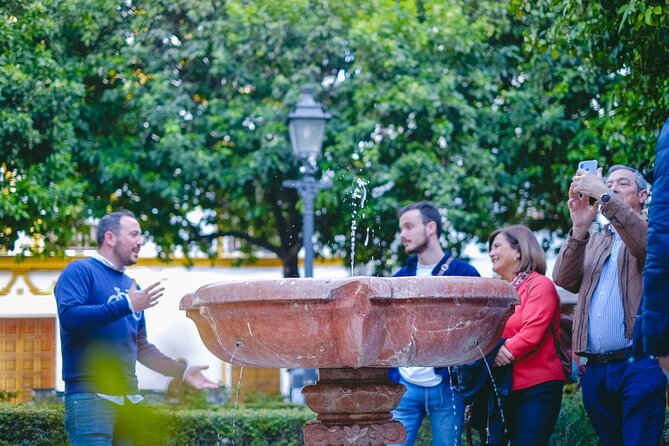
Then you hit one of the most intriguing medieval stories tied to this neighborhood: Susona and the Street of death. The point is not to memorize a plot. It is to learn how local legend became part of the way people named and remembered places.
As you walk near the relevant lanes, the story becomes a tool for reading the neighborhood. You start noticing the scale of doorways, the tightness of corners, and how a street name can carry memory across generations.
This is also where the best guides shine. People have praised Marta, Barbara, Valentín, and others for keeping the pace lively and making the details land without feeling like a lecture.
Practical note: bring your patience for narrow lanes. Even if the walk is not hard, the streets are tight and busy, and you will want to keep an eye on where you step when you stop for photos.
Fortified Area Around the Jewish Quarter and the Alcázar
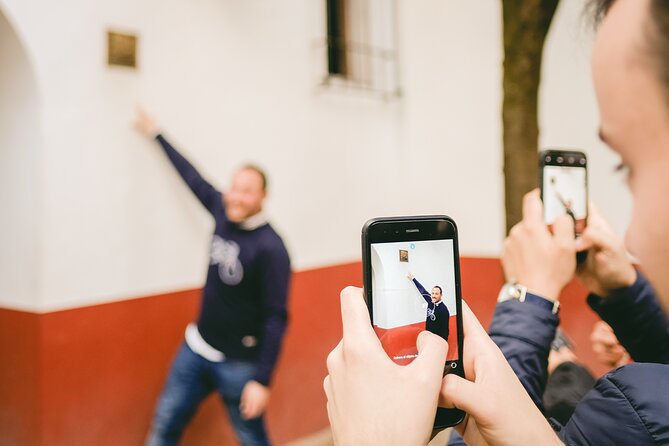
Another stop explains why the Jewish Quarter sat within a fortified area around the Alcázar. This helps you understand Seville as a city shaped by defense and control, not just beauty and sunshine.
When you hear how fortifications influenced layout, the neighborhood starts to read like a system. You begin to see why certain areas feel enclosed, why movement mattered, and how power shaped daily life.
For me, this is one of the strongest “connective tissue” sections on the tour. It links the legends and community stories to something physical you can imagine, walls and boundaries, the way people would have moved and lived inside protection.
The Medieval Jewish Cemetery, Preserved in a Curious Structure
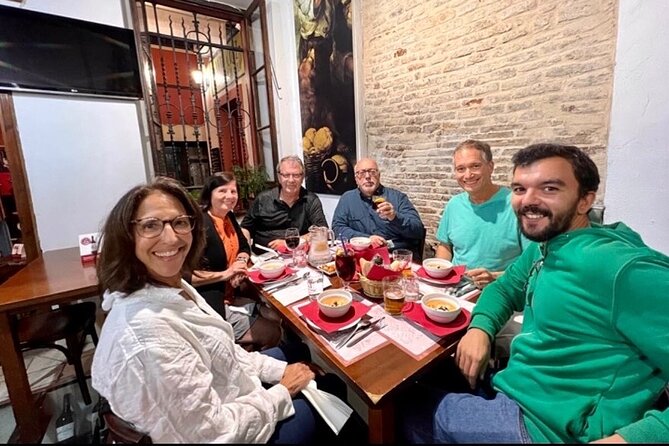
Next comes a stop at the old medieval Jewish cemetery, preserved at a curious structure. This is where the tour shifts from storytelling toward tangible remembrance.
Even without seeing a museum display full of artifacts, the guide’s explanation helps you understand what you are looking at and why it matters. You leave this stop with a clearer sense of how a cemetery can be both sacred space and a historical record.
This moment is also a reminder that Seville’s layers can be subtle. The tour is good at teaching you how to notice what remains, instead of treating the past as something only visible in grand ruins.
Three Mediterranean Cultures, One Site of Worship

One of the stops highlights how a location here was used by the three cultures of the Mediterranean as a worship place. That single idea changes the way you interpret the neighborhood instantly.
Instead of thinking in isolated chapters, you start seeing overlap and continuity. The same kind of sacred space could be reinterpreted by different communities over time, which helps you understand Seville as a crossroads rather than a single story.
If you like history that connects architecture to real human life, this is a must-pay-attention part of the route. It can be emotional, but it stays practical, focused on what the guide can show you in the space.
Worth a side-by-side look, our other Tapas and Pintxos Tours
- Sevilla Food Tour: Tapas, Wine, History & Traditions
- Ultimate Seville Tapas, Wine & History Small Group Tour
- Seville: Tapas Crawl
- Authentic Flamenco Show with Tapas & Wine Guided Tour
- Flamenco Show at Tablao El Arenal with Drink and Optional Dinner or Tapas
- The Seville Tapas Crawl Tour by Food Lover Tour
- Seville: Exclusive River Boat Tour with Tapas
- Seville: Tapas, Taverns, and History Walking Tour
Hidden Secrets Inside Houses, Now Preserved at a Hotel
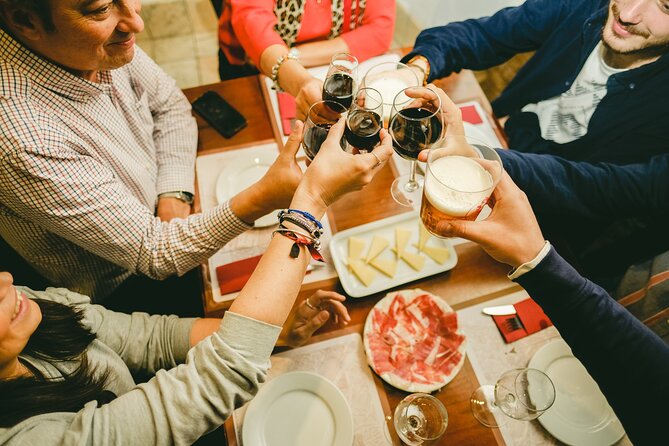
Another highlight is the way the houses of the area contain one of the hidden secrets of the medieval Jewish Quarter, now preserved at an interesting hotel. This is a good example of what makes a local guide so valuable.
The tour teaches you that you do not always get the full story from what is open to the public. Sometimes the evidence is protected inside properties, and the guide shows you how the past is still built into the present.
You also get a sense of how neighborhood life works. Seville is not only monuments. It is neighborhoods where history has been living in and under everyday walls.
Expect this stop to spark questions. If you are the type who likes to look twice at doors, courtyards, and the way buildings connect, you will probably want to ask your guide for specifics right then.
The Square That Gave the Neighborhood Its Name, Then a Church
The tour ends the walking portion with the square that gives name to the whole neighborhood. Here you learn the origin of the first church of the area and how it transformed throughout the centuries.
This is a strong finale because it shows change without erasing meaning. The Jewish Quarter identity and the later Christian layer both matter, and the guide keeps it focused on what happened to the space and why the city kept repurposing it.
By the time you reach the square, you should feel like you can read it. Not just where you are, but what the layers mean.
Then you transition toward dinner time, finishing near Calle Lope de Rueda at the end of the experience.
Tapas and Drinks Dinner: What You’ll Eat and Why It Works
After the walk, you head to a local tapas bar. Each guest gets a full meal with three tapas and two drinks included, which is a smart way to make the total experience feel complete instead of like a snack stop.
The menu is not fixed. It changes by session, but the dishes usually combine vegetables with meats and/or fish. Expect Andalusian classics such as salmorejo, croquetas, oxtail, spinach with chickpeas, pisto, pork cheeks, aubergines, anchovies, calamari, gazpacho, and mushrooms, in different combinations.
What I like most is that this is structured as a real meal. It is not “here are three random bites,” it is a sequence. That helps you recharge after the history and the walking, and it makes the dining feel like part of the experience rather than an afterthought.
If you have dietary needs, this tour is built to respond. The booking process asks you to advise about allergies and intolerances, and the restaurant can accommodate at least some restrictions. Reviews mention gluten intolerance and guests who could not eat pork or shellfish, and it worked out well.
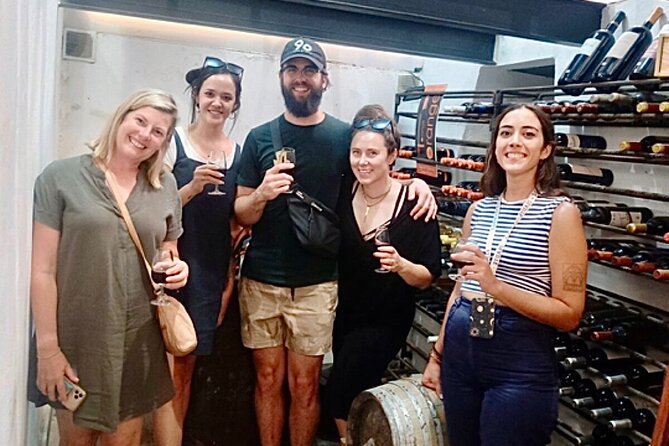
One more helpful note: this is a tapas bar dinner, not a wine cellar detour. The experience stays on-theme, finishing with food and conversation before you head off on your own.
How Long It Takes, Walking Level, and Group Size Reality Check
The total duration is about 3 hours. The walking portion is often about an hour and a half, with time added for stops, explanations, and the meal.
The walking is described as not difficult by past guests, but you should still be ready for uneven old-city sidewalks and tight spaces. The area’s streets are naturally compact, which means you will move at a steady but not rushed pace, and you may need to watch your footing.
Group size is capped at 10, which is part of the value. You get small-group attention without the pressure of a private tour budget.
English is offered, and the tour uses a mobile ticket. If you like to plan ahead, this one often sells well, with many people booking about a month in advance.
Who Should Book This Seville Jewish Quarter Tour
This tour is a great fit if you like history that is anchored in place. You want stories that explain what you are looking at, like how legends connect to street names, or how fortifications shaped where people could move.
It also fits travelers who want an easier rhythm. You get a guided route instead of trying to piece together Santa Cruz on your own, and you finish with a meal that covers you for dinner.
If you are short on time in Seville but want more meaning than the usual viewpoint loop, this is a strong choice. It is also good for families and mixed groups, since the walking is manageable and guides often adjust to different ages and questions.
On the other hand, if you are only interested in huge visible ruins or a deep museum style experience, you might feel slightly underwhelmed. This route is about interpretation and preserved spots, not a full-on archeology display.
Should You Book It? My Straight Answer
Yes, I think you should book this tour if your goal is to understand Seville’s Jewish Quarter as a living neighborhood of stories, not just scenery. The combination of a compact walking route, strong guide storytelling, and a properly planned tapas dinner is a good value at $71.35 for about three hours.
Do it especially if you care about details, names, legends, and the reason a cemetery structure or worship site matters. And if you are coming during a wet spell, it is still worth it, since the tour remains focused on explanation and stopping for context rather than relying on big outdoor “look at this view” moments.
FAQ
How long is the Seville Jewish Quarter tour?
It runs about 3 hours.
Where does the tour start and end?
The tour starts at Plaza del Triunfo and ends at Calle Lope de Rueda.
What food and drinks are included?
You get a meal at a local tapas bar with three tapas and two drinks included.
Does the tour handle dietary restrictions or allergies?
Yes. You should advise any food allergy or intolerance at the time of booking, and the restaurant will be informed.
What is the group size?
The tour has a maximum of 10 travelers.
What is the cancellation policy?
You can cancel for a full refund up to 24 hours in advance of the experience start time. If you cancel less than 24 hours before, the amount paid is not refunded.
Tours: the rest of our Seville write-ups
- Seville: Cathedral, Giralda, and Royal Alcázar Guided Tour
★ 4.7 · 9,165 reviews - Seville: Cathedral, Giralda & Alcazar Entry With Guided Tour
★ 4.6 · 8,560 reviews - Seville: Priority Access Cathedral, Giralda & Alcázar Tour
★ 4.8 · 7,563 reviews - Seville: Alcázar and Cathedral Entry Ticket and Guided Tour
★ 4.6 · 5,056 reviews - Seville: City Sightseeing Hop-On Hop-Off Bus Tour
★ 4.0 · 4,633 reviews
Tapas and Pintxos Tours: the others that earned a place
- Sevilla Food Tour: Tapas, Wine, History & Traditions
★ 5.0 · 3,468 reviews - Ultimate Seville Tapas, Wine & History Small Group Tour
★ 5.0 · 1,766 reviews - Seville: Tapas Crawl
★ 4.9 · 1,705 reviews - Authentic Flamenco Show with Tapas & Wine Guided Tour
★ 5.0 · 1,476 reviews - Flamenco Show at Tablao El Arenal with Drink and Optional Dinner or Tapas
★ 4.5 · 1,415 reviews
Our other Jewish Quarters and Old Town Walks, side by side
- Cordoba & Carmona with Mezquita, Synagoge & Patios from Seville
★ 4.5 · 1,126 reviews - Seville: Small-Group Jewish Quarter Discovery Walking Tour
★ 4.9 · 499 reviews - VIP Guided Seville Alcazar Pre-Opening, Cathedral & Old Town
★ 5.0 · 191 reviews - Private Tour Jewish Quarter, center and Plaza de España
★ 5.0 · 127 reviews - Seville: Small Group Jewish Quarter Tour with Tapas & Drinks
★ 5.0 · 119 reviews
Fresh off the desk: recent Seville experiences we have written up







Jewish Quarters and Old Town Walks, side by side.
 ★ 5.0Barcelona in 1 Day: Sagrada Familia, Park Guell,Old Town & PickupFrom $12013,541 reviews
 ★ 5.0Toledo Tour from Madrid: Cathedral, Synagogue & St. Tome’s ChurchFrom $816,784 reviews
 ★ 4.7Córdoba: Jewish Quarter, Mosque, and Alcázar TourFrom $504,279 reviews
 ★ 5.0Valencia Old Town Tour with Wine & Tapas in 11th Century Historic MonumentFrom $963,234 reviews
 ★ 4.6Cordoba Mosque & Jewish Quarter Tour with TicketsFrom $401,996 reviews
 ★ 4.5Madrid Old Town & Royal Palace Walking Tour Skip the Line TicketFrom $401,829 reviews
 ★ 4.9Valencia: Old Town Tour, Wine & Tapas in an 11th c. MonumentFrom $941,797 reviews
 ★ 4.7Barcelona: Sagrada Familia, Modernism, and Old Town TourFrom $521,621 reviews
This tour also sits in