
Reviewed · JEWISH QUARTERS AND OLD TOWN WALKS
Seville Jewish Quarter walking tour: Santa Cruz District
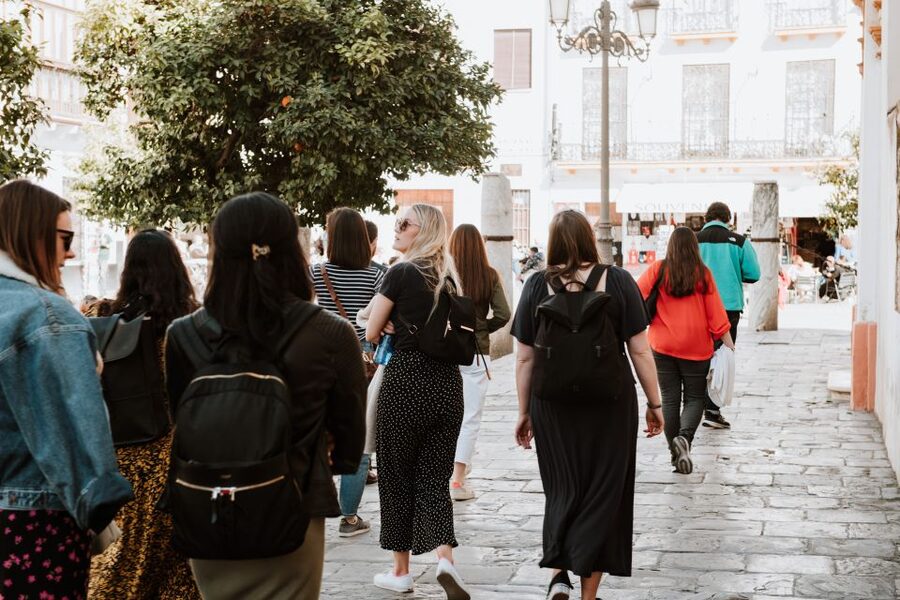
Santa Cruz can feel like a movie set, but the stories are real. On this 1.5 hour guided walk in Seville, you follow the maze of narrow lanes and flower-filled courtyards while an expert explains the Jewish heritage of the neighborhood and the folklore that still echoes through the streets. What I especially like is how the tour connects legend to specific corners you can actually point at, like Calle Susona and Plaza de Doña Elvira.
A second plus is practical value: for $15 per person, you get a tight route with frequent, short stops, so you learn fast without spending your whole day lost. The main drawback to plan for is comfort. You are walking in old-street Seville, so bring supportive shoes and expect some uphill and uneven pavement, even though the tour is wheelchair accessible.
In This Review
- Quick take: what makes this Santa Cruz walk worth your time
- Entering Santa Cruz, where legends meet real street corners
- Starting at Plaza del Triunfo, finding your guide without stress
- Plaza de la Alianza: a Golden Age mood set in stone
- Plaza de Doña Elvira: orange trees and the romantic side of Seville
- Calle Susona: the street where the legend gets specific
- Callejón del Agua: where whispers and poetry feel real
- Hospital de los Venerables: history with a serious backbone
- Casa Murillo and Rosina’s Balcony: the romance and the viewpoint
- Calle Ópera Carmen: why the walk doesn’t end at folklore
- Patio de Banderas: finishing where the city opens up
- Guides like Julio, Juan, Anna, and Valentin make the difference
- Price and value: what $15 really buys you in Seville
- How to get the most out of your 1.5 hour walk
- Who this Santa Cruz Jewish Quarter tour suits best
- Should you book the Santa Cruz Jewish Quarter walking tour?
- FAQ
- How long is the Seville Jewish Quarter walking tour in Santa Cruz?
- What is the meeting point for the tour?
- What is the price?
- What languages are available for the guided tour?
- Is the tour wheelchair accessible?
- Is food or drinks included?
- Is an optional flamenco show included?
- What should I wear or bring?
- Where does the tour start and where does it end?
- Can I get a refund if my plans change?
Quick take: what makes this Santa Cruz walk worth your time
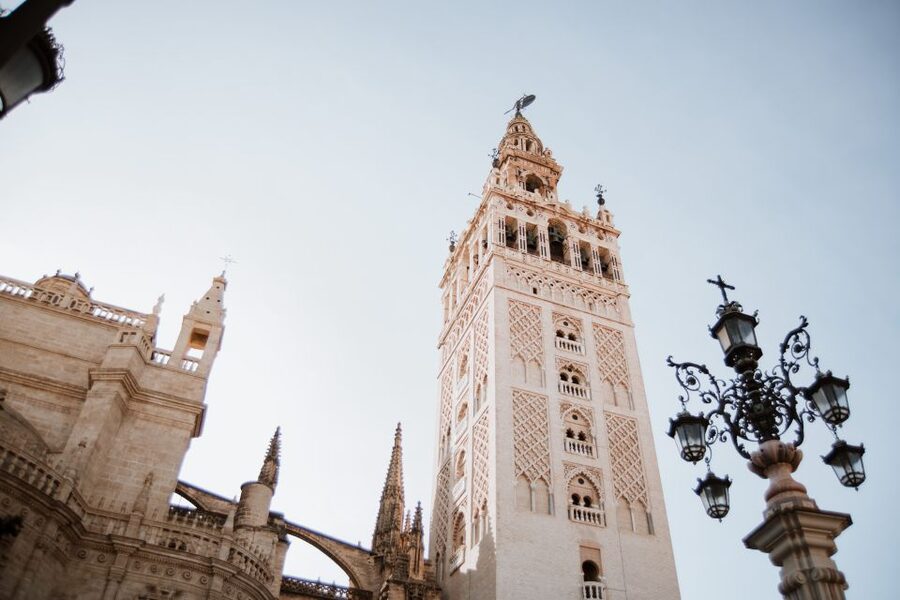
Santa Cruz is the storytelling capital of Seville, and the guide keeps it grounded in place, not just dates. Here are the highlights that matter:
- Susona legend, place-based: you walk to the streets linked to the Susona story, so it sticks.
- Miguel Mañara and Don Juan connection: the guide explains how his life shaped the Don Juan tale.
- Barrabás ghost folklore: you hear the spooky, local version of legends tied to Santa Cruz.
- Calle Susona plus the quiet plazas: you get both the iconic name street and calmer corners like Plaza de Doña Elvira.
- Oranges, courtyards, and water details: you notice the neighborhood’s sensory cues, not just its monuments.
- Short, structured pacing: roughly 10 minutes per stop, which is ideal if you want meaning without burnout.
Entering Santa Cruz, where legends meet real street corners
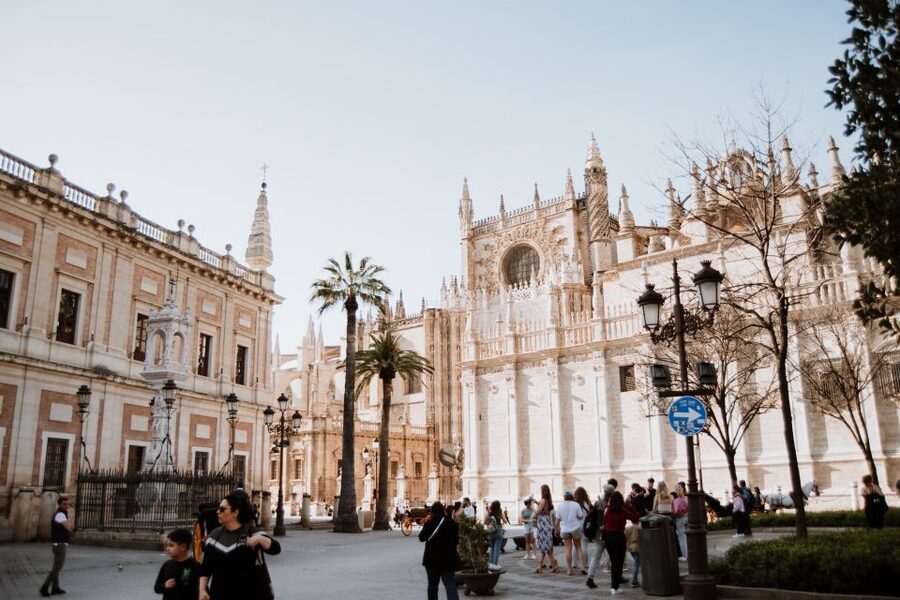
Santa Cruz is Seville’s former Jewish quarter, and walking it is like learning a map of the city’s imagination. The streets are narrow, the buildings are whitewashed, and the courtyards can look half private garden, half stage set. The tour’s goal is simple: help you read the neighborhood. Not with a textbook, but with stories you can walk to.
What I love about this style of guiding is that it helps you stop treating Seville like a checklist. A street name becomes a clue. A courtyard becomes a clue. Even small details like orange trees or water references become part of the neighborhood’s identity. You start to feel how people lived here, how rumors traveled, and how culture outlasted political change.
This is also a useful way to orient yourself in Seville’s historic center, which can be huge and confusing at first. In 1.5 hours, you cover enough ground to build confidence for the rest of your day.
Starting at Plaza del Triunfo, finding your guide without stress
The tour starts at Plaza del Triunfo, under the Virgen de la Inmaculada statue. Your guide is easy to spot, either holding a blue umbrella or wearing a nametag with the Sevilla Guías & Tours logo.
That meeting point matters more than you might think. Plaza del Triunfo is a popular spot, and Santa Cruz is a web of side streets. A clean start means you spend less time figuring out where to go and more time hearing the good parts.
If you can, arrive a few minutes early. The guide typically uses that buffer to get everyone together and set the tone, and several guides have been described as engaging and easy to understand, with room for questions.
Our remaining Jewish Quarters and Old Town Walks notes, in case one suits you better





Plaza de la Alianza: a Golden Age mood set in stone
One of the first storytelling stops is Plaza de la Alianza. This is where the tour leans into the idea that Santa Cruz is not only pretty, it is historically symbolic. The guide frames it as part of Seville’s Golden Age, the era when power, wealth, and culture shaped what you still see today.
The value here is context. If you come to Seville without historical threading, it is easy to admire architecture and move on. In Santa Cruz, the guide uses plazas like Plaza de la Alianza to explain why certain corners feel formal and ceremonial while nearby streets feel intimate and maze-like.
The pacing is friendly. You typically get a short guided segment at each stop, around 10 minutes, so you are learning while also still getting time to look around.
Plaza de Doña Elvira: orange trees and the romantic side of Seville
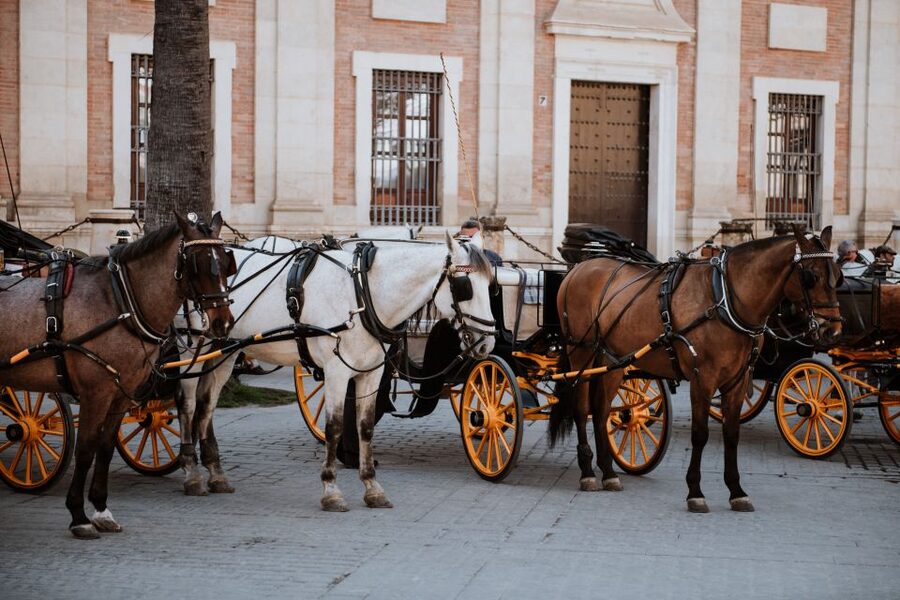
Next you pause at Plaza de Doña Elvira, a peaceful square known for orange trees and a romantic atmosphere. This stop works in two ways.
First, it gives you a visual reset. You have been in narrow alleys, then suddenly you are in a calmer pocket. That contrast helps you absorb the neighborhood’s vibe.
Second, the guide uses the setting to connect culture and everyday life. Orange trees are not just decoration. In this area, they show up in the way locals described the neighborhood and its legends. It is the kind of detail you miss if you only rush to the big sights.
Calle Susona: the street where the legend gets specific
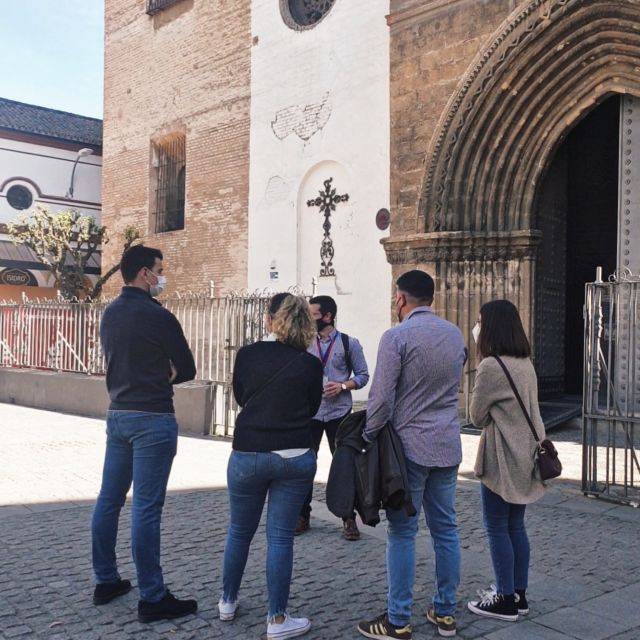
Then comes Calle Susona, a key moment because the tour highlights it as a place where legend and history intertwine. Susona is one of the emotional stories the guide brings to life, with themes of love, betrayal, and identity.
The practical trick here is that you are not hearing a story in the air. You are walking it on the ground, literally following the neighborhood’s geography as the guide explains why Susona remains remembered. That is how folklore becomes more than a spooky anecdote. It becomes tied to real spatial memory.
From the guide’s style, you can also expect interaction. Multiple guides have been praised for welcoming questions after stops, including follow ups that go beyond the basic facts.
Callejón del Agua: where whispers and poetry feel real
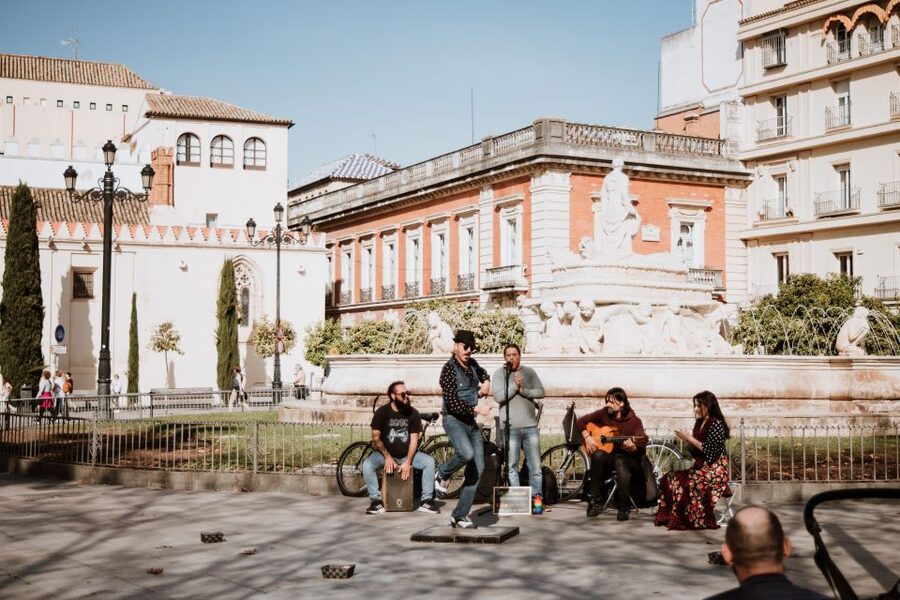
The tour also points you toward Callejón del Agua, described as mysterious, with poetry and whispers echoing through stone walls. Even if you have heard legends before, a lane like this changes how they land. Tight streets do something to sound and atmosphere, and that is part of the point.
This is one of those stops where the guide’s storytelling matters as much as the architecture. You learn to look for the small cues the neighborhood offers: the way stone channels the mood, the way a narrow corridor can feel like a secret, and the way names like water alley shape interpretation.
I like having at least one or two pauses like this on a walking tour because they prevent the day from turning into a blur of buildings.
Hospital de los Venerables: history with a serious backbone
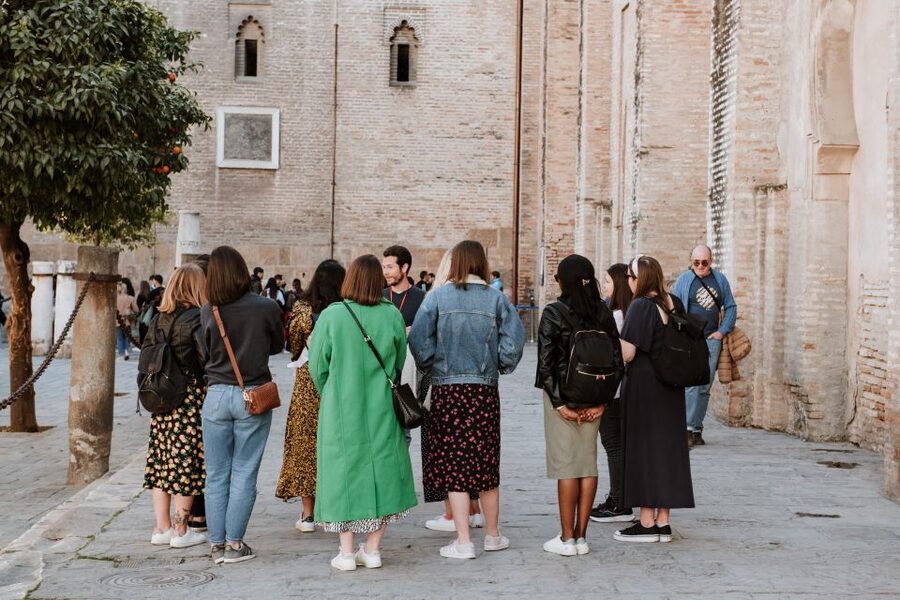
At Hospital de los Venerables, the tour emphasizes its place as a symbol of Seville’s Golden Age. This stop is a good anchor. It adds weight after the more dramatic folklore moments.
If you are the type of traveler who loves architecture, this is where you can slow down and just observe while the guide connects it back to the neighborhood’s broader narrative. And if you are more history-minded, this is where the tour can give you structure: what kind of institution it was, why it mattered in the city’s development, and how Santa Cruz fit into that world.
A detail that several guides have been praised for is pointing out how original features can still be present, including references to old walls and water systems. That kind of observation makes you feel like you are not just learning about the past, you are seeing traces of it.
Our remaining Walking Tours notes from Seville, in case one suits you better
- Seville: Small-Group City Highlights Walking Tour
- Cultural Walking Tour of Seville Monumental
- Seville: Tapas, Taverns, and History Walking Tour
- Seville: Tapas, Taverns and History Guided Walking Tour
- Seville: Small-Group Jewish Quarter Discovery Walking Tour
- Seville Guided Small-Group Walking Tour
- Seville Private Walking Tour with Alcazar & Cathedral Tickets
- Seville Small-Group Monumental Highlights Walking Tour
Casa Murillo and Rosina’s Balcony: the romance and the viewpoint
You also get stops at Casa Murillo and Rosina’s Balcony. The tour treats them as story-connected stops, meaning they are not random photo ops. Instead, the guide uses them to keep the emotional thread running through the walk: romance, drama, and how Seville turns human stories into lasting place memory.
At Rosina’s Balcony in particular, the balcony is the kind of spot that naturally makes you look up and imagine a scene. That is exactly how the guide makes the neighborhood feel alive. You are not just collecting facts. You are practicing local perception.
If you enjoy visual details, take a moment here, look down the street, then look back up. The neighborhood becomes easier to navigate later, because you start to understand sightlines and how the lanes “fold” around courtyards and plazas.
Calle Ópera Carmen: why the walk doesn’t end at folklore
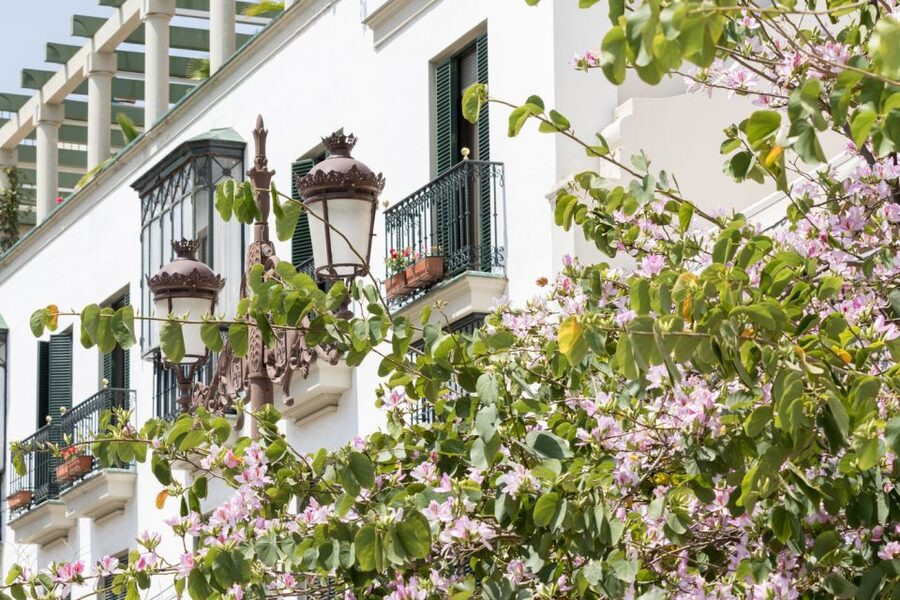
One of the most interesting itinerary points is Calle Ópera Carmen. It signals that the tour is not only about the past, it is also about how culture, performance, and storytelling persist in Seville’s identity.
Guides have been noted for linking the Santa Cruz material to opera and other cultural works. That connection is valuable because it helps you understand why Seville keeps re-telling its legends in new forms. Even if you do not plan to see an opera during your trip, the walk gives you a lens for spotting references in conversations, street names, and local culture.
If you like walking tours that connect street-level details to arts and broader themes, this stop is a reason to stay attentive.
Patio de Banderas: finishing where the city opens up
The walk finishes at Patio de Banderas. By the time you reach the finish, you have already built a mental map of Santa Cruz’s texture, and that matters. Ending at a place that feels more open helps you translate the maze you just navigated into a usable plan for your next hours in Seville.
Also, if you are planning other activities that day, this finish point can be practical. You will likely be closer to other central areas and more comfortable with direction, because the guide has already helped you learn the neighborhood’s internal logic.
There is also a stop on the route tied to a hop-on hop-off system. It is not the focus, but it can help if you are mixing walking with bus sightseeing.
Guides like Julio, Juan, Anna, and Valentin make the difference
The tour experience depends heavily on the guide, and the strongest pattern in the feedback is clear: guides are praised not only for facts, but for storytelling skill, humor, and the ability to answer questions.
You might encounter guides such as Julio, Valentin, Juan, Alfredo, Anna, Lara, and Jose. Across those names, the common thread is that they are described as engaging, clear in English or Spanish, and willing to customize for what your group wants. One small-group departure was even described as personal and fun, with guides handling groups as small as two people.
That matters for value. A cheap ticket is only useful if you get meaning. On this tour, the meaning is delivered by people who can explain how Santa Cruz works, not just recite a timeline.
Price and value: what $15 really buys you in Seville
At $15 per person for about 1.5 hours, this is solid value, especially if you want a historically themed walk without paying big museum-ticket prices.
Here is why it feels like good value for me:
- You cover a concentrated area, so learning time is efficient.
- You get multiple story stops, not just one or two.
- The guide includes cultural context, including the legend framework around Susona, the Miguel Mañara story behind Don Juan, and the ghost of Barrabás.
- You are not locked into a rigid script. Many guides are praised for taking questions and tailoring explanations.
If you have already been to Seville once and felt like you missed the human stories, this tour is one of the best ways to rebalance your perspective. If it is your first time, it helps you understand why Santa Cruz is so endlessly photographed, even when it is not obvious what to look for.
How to get the most out of your 1.5 hour walk
You do not need to be a history expert to enjoy this. You do need the basics to make the experience comfortable and memorable.
Wear comfortable shoes. The streets are narrow and the surfaces are old.
Add sunblock. Seville sun can be intense, especially between stops.
If you are traveling in warmer months, consider carrying water, even if drinks are not included.
Also, treat the tour like a conversation. When the guide finishes a stop, ask something specific. Good questions help the guide connect the next corner to the story you just heard.
If you care about opera or how local culture reuses legends, ask about connections tied to Carmen and other references the guide brings up. Guides have been praised for exactly that kind of linking.
Who this Santa Cruz Jewish Quarter tour suits best
This tour is a great fit if:
- You want Seville with stories, not just sightseeing.
- You like neighborhoods where street names matter.
- You enjoy legends like Susona, Barrabás, and the Miguel Mañara to Don Juan thread.
- You want a short, focused activity that sets you up for the rest of your day.
It may be less ideal if you are looking for a long, slow architectural crawl or a detailed museum-style experience. This walk is designed to be compact, with multiple stops and quick, meaningful segments.
Should you book the Santa Cruz Jewish Quarter walking tour?
I think you should book it if your goal is to understand Santa Cruz as more than scenery. The $15 price and 1.5 hour timing make it easy to fit in, and the guide-driven storytelling gives you names, motives, and legends tied to specific places like Calle Susona, Plaza de Doña Elvira, Plaza de la Alianza, Hospital de los Venerables, and Patio de Banderas.
If you dislike walking tours where you cannot control the pace, this might feel a bit structured. But for most people, the short stops and frequent story points are exactly what make it work.
Bottom line: if you want Seville’s Jewish Quarter to feel human and memorable, this is one of the best ways to do it without overplanning your day.
FAQ
How long is the Seville Jewish Quarter walking tour in Santa Cruz?
The tour lasts about 1.5 hours.
What is the meeting point for the tour?
Meet in Plaza del Triunfo under the Virgen de la Inmaculada statue. The guide will be holding a blue umbrella or wearing a Sevilla Guías & Tours nametag.
What is the price?
It is $15 per person.
What languages are available for the guided tour?
The tour is available in English or Spanish.
Is the tour wheelchair accessible?
Yes, it is wheelchair accessible.
Is food or drinks included?
No. Food and drinks are not included.
Is an optional flamenco show included?
An optional flamenco show may be available, and you can ask the guide at the meeting point or contact them in advance to check availability.
What should I wear or bring?
Wear comfortable shoes and consider sunscreen, since Seville can be sunny.
Where does the tour start and where does it end?
It starts at Plaza del Triunfo and finishes at Patio de Banderas.
Can I get a refund if my plans change?
The tour offers free cancellation up to 24 hours in advance for a full refund.
Our other Walking Tours across Seville
- Seville: Small-Group City Highlights Walking Tour
★ 5.0 · 1,204 reviews - Cultural Walking Tour of Seville Monumental
★ 5.0 · 861 reviews - Seville: Tapas, Taverns, and History Walking Tour
★ 4.9 · 676 reviews - Seville: Tapas, Taverns and History Guided Walking Tour
★ 4.9 · 515 reviews - Seville: Small-Group Jewish Quarter Discovery Walking Tour
★ 4.9 · 499 reviews
Tours: the rest of our Seville write-ups
- Seville: Cathedral, Giralda, and Royal Alcázar Guided Tour
★ 4.7 · 9,165 reviews - Seville: Cathedral, Giralda & Alcazar Entry With Guided Tour
★ 4.6 · 8,560 reviews - Seville: Priority Access Cathedral, Giralda & Alcázar Tour
★ 4.8 · 7,563 reviews - Seville: Alcázar and Cathedral Entry Ticket and Guided Tour
★ 4.6 · 5,056 reviews - Seville: City Sightseeing Hop-On Hop-Off Bus Tour
★ 4.0 · 4,633 reviews
Our other Jewish Quarters and Old Town Walks, side by side
- Cordoba & Carmona with Mezquita, Synagoge & Patios from Seville
★ 4.5 · 1,126 reviews - Seville: Small-Group Jewish Quarter Discovery Walking Tour
★ 4.9 · 499 reviews - VIP Guided Seville Alcazar Pre-Opening, Cathedral & Old Town
★ 5.0 · 191 reviews - Private Tour Jewish Quarter, center and Plaza de España
★ 5.0 · 127 reviews - Seville: Small Group Jewish Quarter Tour with Tapas & Drinks
★ 5.0 · 119 reviews
Fresh off the desk: recent Seville experiences we have written up



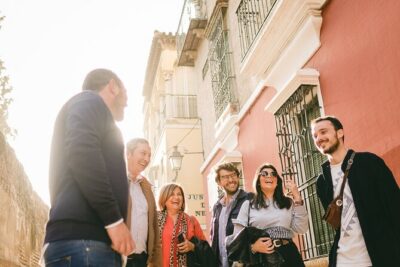
Jewish Quarters and Old Town Walks, side by side.
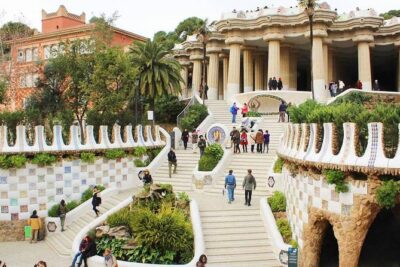 ★ 5.0Barcelona in 1 Day: Sagrada Familia, Park Guell,Old Town & PickupFrom $12013,541 reviews
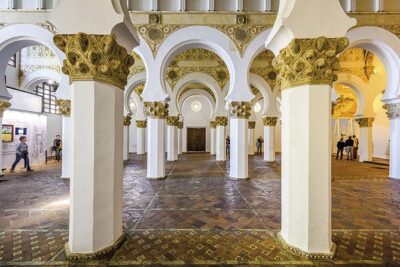 ★ 5.0Toledo Tour from Madrid: Cathedral, Synagogue & St. Tome’s ChurchFrom $816,784 reviews
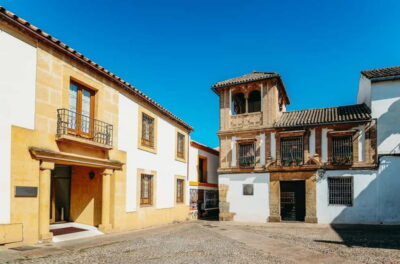 ★ 4.7Córdoba: Jewish Quarter, Mosque, and Alcázar TourFrom $504,279 reviews
 ★ 5.0Valencia Old Town Tour with Wine & Tapas in 11th Century Historic MonumentFrom $963,234 reviews
 ★ 4.6Cordoba Mosque & Jewish Quarter Tour with TicketsFrom $401,996 reviews
 ★ 4.5Madrid Old Town & Royal Palace Walking Tour Skip the Line TicketFrom $401,829 reviews
 ★ 4.9Valencia: Old Town Tour, Wine & Tapas in an 11th c. MonumentFrom $941,797 reviews
 ★ 4.7Barcelona: Sagrada Familia, Modernism, and Old Town TourFrom $521,621 reviews
This tour also sits in