
Reviewed · GAUDÍ HOUSES AND MODERNISTA BARCELONA
Sant Pau Recinte Modernista Entrance Ticket in Barcelona
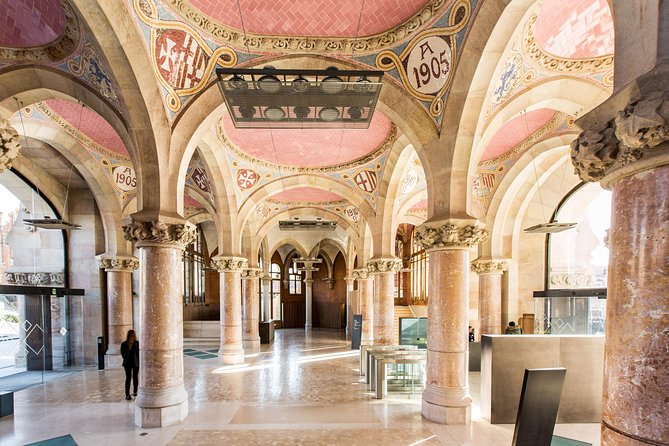
A hospital that feels like a palace. Sant Pau Recinte Modernista lets you roam one of Europe’s biggest Art Nouveau hospital complexes at a relaxed, self-paced speed. I especially like how the prebooked entry keeps your visit smooth, and how the site mixes serious medical history with gorgeous details like stained glass, domes, and colorful tilework.
The one thing to keep in mind is that it’s a big complex underground and above ground. If you rush, you can end up missing sections, or get slowed down if lifts are limited in places.
Key things to know before you go
- Prebooked entry saves you time so you can start sightseeing without hunting for tickets during busy periods
- Self-guided means your pace you choose how long you linger in the pavilions and gardens
- Tunnels add a unique hospital twist underground passages connect buildings in a way few museums can match
- English support is built in the experience is offered in English, with interactive exhibits along the way
- Plan for an hour to two the complex is large, so comfy shoes matter
In This Review
- Sant Pau Recinte Modernista: Barcelona’s Art Nouveau Hospital Campus
- Ticket Value for About $21.78: Why Prebooking Is Worth It
- How Long to Plan and What Pace Works Best
- Your Self-Guided Route: From Administration Pavilion to Sant Jordi
- Sant Salvador Pavilion: The Big Picture in One Place
- Underground Tunnels: The Hospital Part You Will Actually Feel
- Restored Pavilions and the Rooms Named for People
- Exterior Architecture Details You’ll Want to Hunt For
- Sant Jordi Pavilion: Temporary Exhibitions and a Fresh Ending
- Getting the Most Out of It: English, Maps, and Audio Options
- Who Should Book This Ticket, and Who Might Skip It
- Should You Book Sant Pau Recinte Modernista?
- FAQ
- How long does the Sant Pau Recinte Modernista visit take?
- Is this ticket self-guided or with a guide?
- What language is available for the experience?
- Do I need to buy a paper ticket, or can I use a mobile ticket?
- What is included in the ticket price?
- Is there an audio option on site?
- Where is Sant Pau located, and is it easy to reach?
- Can I cancel for a full refund?
Sant Pau Recinte Modernista: Barcelona’s Art Nouveau Hospital Campus
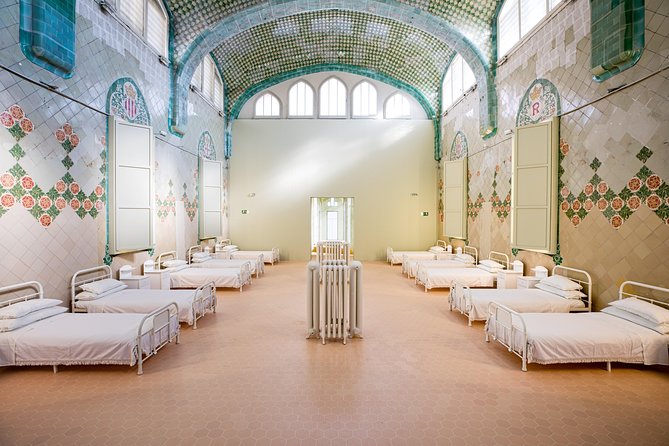
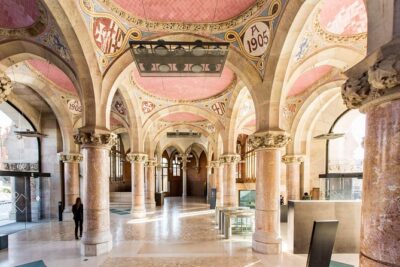
Sant Pau is the kind of place that changes how you think about what a museum can be. Instead of a single building with a few rooms, you get a whole campus of pavilions, gardens, and connections that made healthcare work more humane. It was designed as a hospital, but the architecture is so theatrical you’d almost expect a cast of characters to step out.
The biggest win is how easy it is to enjoy it without feeling herded. With your admission, you start at the Administration Pavilion any time during opening hours. Then you can build your own route around the places that grab you, from the history displays to the stained glass and mosaic ceilings outside.
This is also a smart stop for Barcelona because it’s quieter than the city’s headline attractions. You’ll still see plenty of people, but the layout helps you breathe between areas.
Ticket Value for About $21.78: Why Prebooking Is Worth It
At around $21.78 per person, this ticket sits in the “worth it” zone because it buys you a few things you can feel immediately:
First, guaranteed admission to a popular site. You can often find tickets at the door, but on busy days entry can be harder, and prebooking removes that stress.
Second, you’re not paying for a rushed group format. You’re paying for time and freedom. Sant Pau is large, and most people do better when they can stop, read, look closer, and then move on.
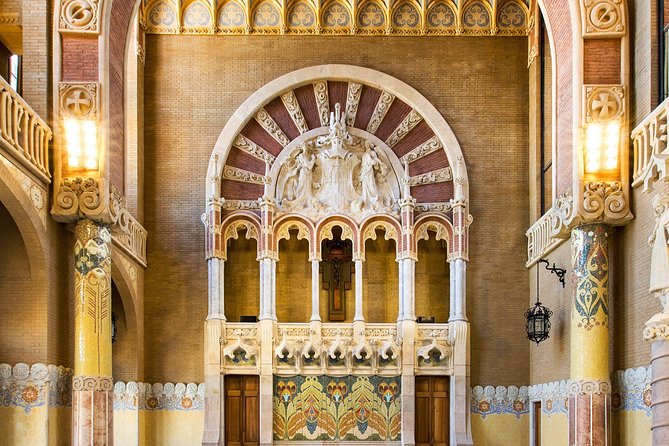
Third, you’re getting more than a pretty building. The site explains how the complex supported care, then shows how the architecture and art carry the hospital story forward. That blend is what makes it memorable.
There is no guide included. If you love having someone interpret the design choices for you, you may want to plan extra time for reading and the built-in exhibits, or consider renting an audio option if it’s available on site.
How Long to Plan and What Pace Works Best
Think in 1 to 2 hours for a visit that feels satisfying, not frantic. If you’re the type who takes photos, reads most of the info, and enjoys architectural details, lean toward the full 2 hours.
Here’s the practical tip: start early in the day if you can, and then use small “pause points.” The Administration Pavilion has exhibits and an interactive touch table and video, so it’s a good place to reset your brain before you move through pavilions and tunnels.
Also, dress for walking. This is a campus with paths, stairs in places, and underground connections. Even if you’re not racing, you’ll still rack up steps.
One more comfort note from visitor experience: indoor areas can have helpful climate control, and there are seats where you might want to take a breather.
If this one is booked out, these Gaudi Houses and Modernista Barcelona come close





Your Self-Guided Route: From Administration Pavilion to Sant Jordi
Your day starts in the Administration Pavilion. You can arrive and begin anytime during opening hours, which is great because it helps you match Sant Pau to your Barcelona schedule. No strict group timing means you can pair it with other sights nearby.
In this first space, expect an intro that sets the tone: you’ll see how the hospital’s mission and artistic heritage connect. There’s an interactive touch table and a video presentation, and these help you understand the big idea before you start roaming.
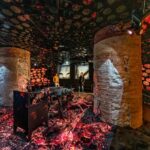
From there, you’ll move into the network that makes Sant Pau special. Underground tunnels link parts of the complex, and the passages eventually lead back out into the gardens. It’s not just decorative architecture. It’s functional design showing how patients and care could move through the campus.
As you go, keep an eye on the exterior architectural cues. Stained glass, sculptures, and domes are not random decoration. They help you read the building like a story, especially once you understand that these pavilions were meant to support patients over time.
Sant Salvador Pavilion: The Big Picture in One Place
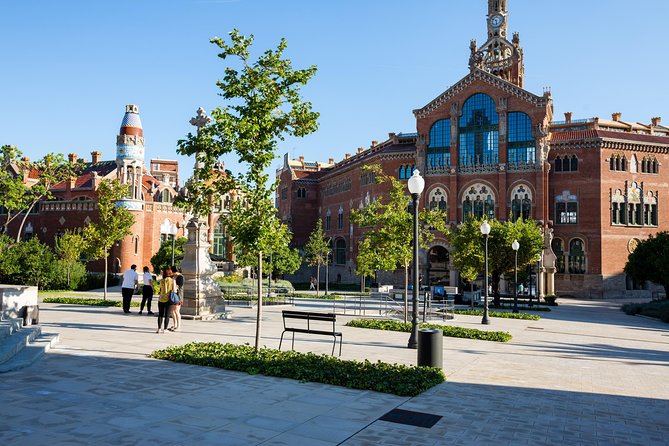
One of the first pavilion stops you’ll likely hit is Sant Salvador Pavilion. This space summarizes the history of the Hospital de la Santa Creu i Sant Pau, starting in 1401 and reaching up into the 21st century.
The layout helps you frame the visit. Before you get lost in details like tilework and stained glass, you get a timeline view that makes the rest feel less like sightseeing and more like learning.
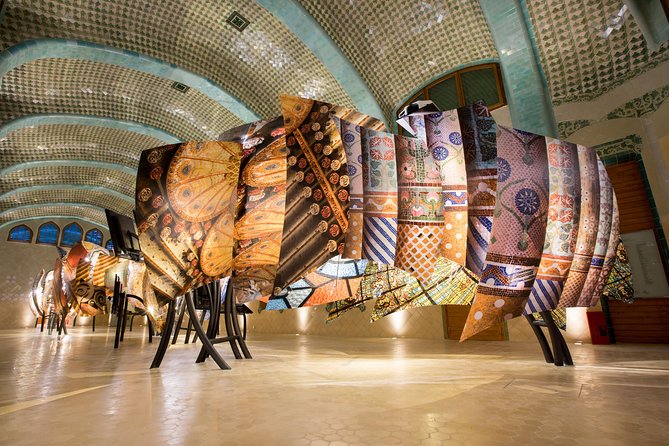
On the upper floor, there’s a contemporary installation featuring a dragon. It’s described as a tribute to Lluís Domènech i Montaner, the architect behind Modernisme, and it ties the historic healthcare story to the modern artistic language of the complex.
If you like context, don’t skip this one. It’s a quick way to understand why the building looks the way it does.
Underground Tunnels: The Hospital Part You Will Actually Feel
If there’s one element that makes Sant Pau stand apart from other modernist architecture stops, it’s the underground tunnels. These passages wind their way between buildings and out into the gardens, and they give you a rare sense of how the complex was meant to function.
You’ll likely notice the tunnel route more than you expect because it changes your perspective. Instead of viewing the site only from postcard angles, you experience it as a place designed for movement and care.
This is also where the “wow” factor often happens without much effort. Even if you’re not chasing every detail, walking through connected spaces makes the scale real.
If you’re doing this during a hot part of the day, tunnels and indoor sections can also make the visit more comfortable.
Restored Pavilions and the Rooms Named for People
After the initial orientation, your best approach is to let the restored buildings guide your route. The most meaningful stops include the Sant Rafael Pavilion and the old Surgery Room, followed by the Lluís Domènech i Montaner Room, the Pau Gil Room, and the Main Hall.
Here’s why those rooms matter:
- The Sant Rafael Pavilion and old Surgery Room show you the shift from hospital function to museum setting, without losing the sense of purpose.
- The named rooms connect the architecture to real people involved in shaping the Modernisme movement and the institution’s evolution.
- The Main Hall pulls everything together in a bigger, more formal space that makes the campus feel intentional rather than random.
If you love mosaics and tilework, pay attention to the surfaces here. Several visitors focus on how much color and craft you see up close, especially when you slow down.
One useful note: Sant Pau is large, and some areas can be closed or partially blocked due to events. If you notice a section shut or cordoned off, don’t assume you missed the entire site. It’s worth continuing the route and checking the next pavilion connections.
Exterior Architecture Details You’ll Want to Hunt For
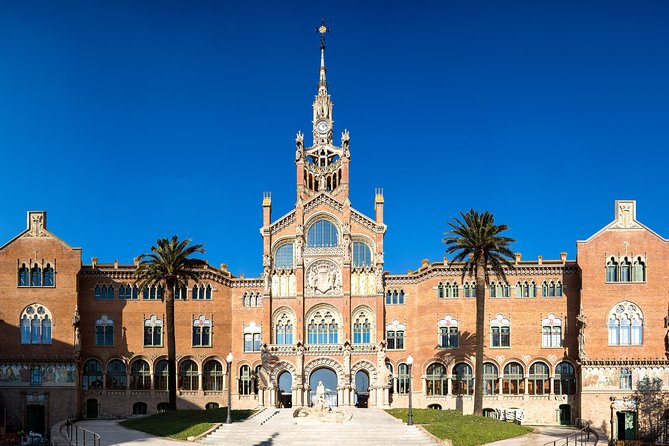
A big part of the enjoyment is simply walking the edges and looking up. Sant Pau rewards that habit.
Focus on exterior stained glass, sculptures, and domes. These details are easy to miss if you only take wide shots, so give yourself permission to step aside, look longer, and then move on.
I like using the “one minute rule.” Pick one element, spend a minute staring at it, then continue your route. That keeps the visit from turning into photo sprinting.
Also, don’t forget the gardens. They’re part of the design logic of the complex, not just pretty background.
Reviewed and rated alongside this one, further Tickets in Barcelona
- Barcelona: Sagrada Familia Entry Ticket with Audio Guide
- Barcelona: Park Güell Admission Ticket
- Barcelona Aquarium: Entry Ticket
- Barcelona: Sagrada Familia Skip-the-Line Entry Ticket & Tour
- Park Guell Guided Tour with Skip the Line Ticket
- Park Guell and Sagrada Familia Tour with Skip the Line Tickets
- Barcelona: Sagrada Família Skip the Line Tour & Entry Ticket
- Casa Batllo Admission Ticket with Intelligent Audio Guide
Sant Jordi Pavilion: Temporary Exhibitions and a Fresh Ending
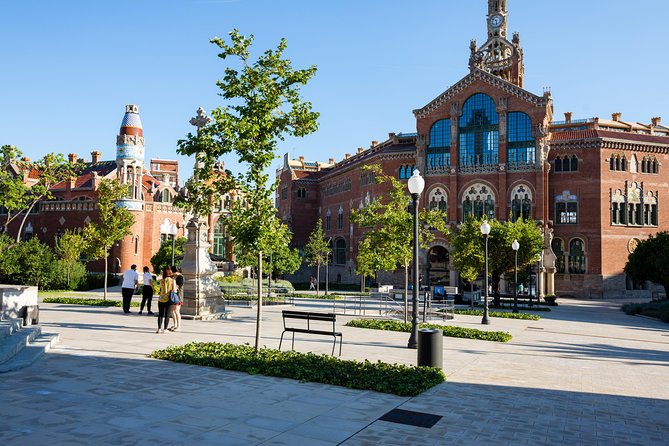
Your route naturally finishes toward the Sant Jordi Pavilion. This pavilion hosts rotating temporary exhibitions, which means what you see can change.
Even if you’ve already gotten the main architecture and hospital story, this stop keeps your visit from feeling like a static walkthrough. It’s a final chapter, and it can add something new depending on the current display.
Because it’s rotating, it’s one more reason to plan at least an hour, ideally closer to two, so the ending doesn’t feel like a blur.
Getting the Most Out of It: English, Maps, and Audio Options
This experience is offered in English, and the exhibits and on-site materials make it easier to follow the story without needing a guide. Many visitors found the information well translated and the route straightforward once they had their bearings.
Here’s how to make that work in real life:
- Pick up the map or paper guide at entry so you know where you are and what’s next.
- Treat the exhibits as your foundation, then use your walk to connect the ideas to the architecture.
- If you want more narrative detail, there can be audio narration available for an extra cost at the entrance.
If you don’t plan on using audio, no problem. The site still gives you plenty to read and watch, especially with the interactive touch table and video in the early area.
Who Should Book This Ticket, and Who Might Skip It
This is a strong fit if you:
- love architecture, especially Modernisme and Art Nouveau design
- prefer self-guided sightseeing with a calmer vibe
- enjoy history tied to real places, even when the subject is medical
- want something different from Barcelona’s usual “one building, one view” pattern
You might not love it as much if you:
- need a tight, guided commentary to keep your attention
- hate long walking routes and stairs, since circulation can be uneven in some parts
- want a quick, checklist-style stop with minimal wandering
For most people, though, Sant Pau hits a sweet spot: meaningful, beautiful, and not overly rushed.
Should You Book Sant Pau Recinte Modernista?
Yes, I’d book it, especially if you’re traveling during a busy season or you hate standing in line. The main reason is simple: prebooking gives you guaranteed entry, and the self-guided format lets you slow down where you want to.
If you have 1.5 to 2 hours in your day, you’ll leave feeling like you understood something real, not just looked at pretty buildings. And if you’re staying near Barcelona’s big-name sights, Sant Pau is also a great alternative when you want calm after the crowds.
My practical call: book your ticket, plan comfy shoes, and give yourself permission to look closely. The best moments here come when you stop trying to rush the campus and start reading it like a living design.
FAQ
How long does the Sant Pau Recinte Modernista visit take?
The experience is listed as about 1 to 2 hours, which is a good window for a relaxed self-guided walk through the pavilions and tunnels.
Is this ticket self-guided or with a guide?
It is self-guided. The ticket includes admission, but a guide is not included.
What language is available for the experience?
The experience is offered in English.
Do I need to buy a paper ticket, or can I use a mobile ticket?
You can use a mobile ticket. You’ll show your phone at check-in to enter.
What is included in the ticket price?
The ticket includes admission to Sant Pau Recinte Modernista.
Is there an audio option on site?
An audio narration option may be available for an extra fee at the entrance, and visitors have mentioned renting narration devices.
Where is Sant Pau located, and is it easy to reach?
Sant Pau is located on Sant Antoni Maria Claret in central Barcelona, and it is near public transportation.
Can I cancel for a full refund?
Yes. Free cancellation is available up to 24 hours in advance of the experience start time for a full refund. If you cancel less than 24 hours before, the amount paid is not refunded.
Tickets: the rest of our Barcelona write-ups
- Barcelona: Sagrada Familia Entry Ticket with Audio Guide
★ 4.6 · 105,312 reviews - Barcelona: Park Güell Admission Ticket
★ 4.4 · 76,534 reviews - Barcelona Aquarium: Entry Ticket
★ 4.3 · 13,335 reviews - Barcelona: Sagrada Familia Skip-the-Line Entry Ticket & Tour
★ 4.8 · 12,789 reviews - Barcelona: FC Barcelona Museum “Barça Immersive Tour” Ticket
★ 4.4 · 10,944 reviews
Gaudi Houses and Modernista Barcelona we rated next
- Barcelona: Casa Batlló Entry with Self-Audioguide Tour
★ 4.7 · 25,359 reviews - Barcelona: Park Güell and Gaudí House Museum Entry Ticket
★ 4.5 · 6,326 reviews - Barcelona: La Pedrera Night Experience
★ 4.4 · 4,633 reviews - Barcelona: Palau de la Música Self-Guided Tour
★ 4.6 · 3,603 reviews - Barcelona: Palau de la Música Guided Tour
★ 4.7 · 3,273 reviews
Fresh off the desk: recent Barcelona experiences we have written up




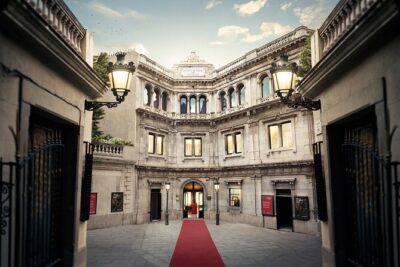


Gaudí Houses and Modernista Barcelona, side by side.
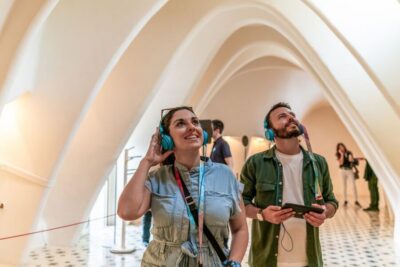 ★ 4.7Barcelona: Casa Batlló Entry with Self-Audioguide TourFrom $3425,359 reviews
 ★ 4.5Barcelona: Park Güell and Gaudí House Museum Entry TicketFrom $336,326 reviews
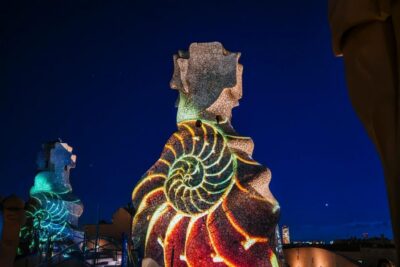 ★ 4.4Barcelona: La Pedrera Night ExperienceFrom $474,633 reviews
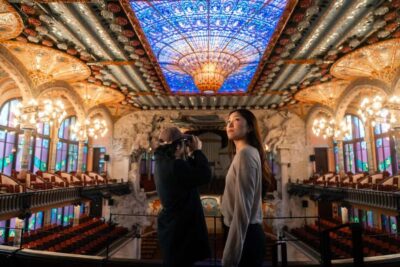 ★ 4.6Barcelona: Palau de la Música Self-Guided TourFrom $213,603 reviews
 ★ 4.7Barcelona: Gaudi’s Casa Vicens Skip-the-Line Entrance TicketFrom $243,449 reviews
 ★ 4.7Barcelona: Palau de la Música Guided TourFrom $283,273 reviews
 ★ 4.5Casa Batllo Admission Ticket with Intelligent Audio GuideFrom $543,168 reviews
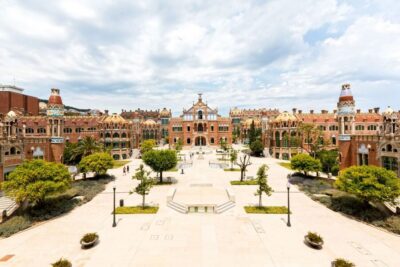 ★ 4.6Barcelona: Sant Pau Recinte Modernista Entry TicketFrom $212,567 reviews
This tour also sits in