Reviewed · SPAIN
Made in Catalonia, Barcelona with Culinary Backstreets
Markets first, politics later.
This small-group food tour is a very practical way to understand Barcelona’s Catalan flavors while you walk through real neighborhood life, not just famous sights. I especially like that you start with an authentic breakfast setup and then keep moving through markets and local shops with a guide like Ivan or Senem, who connects what you eat to how the area works. One thing to consider, though, is that you will be on your feet most of the morning and shoes matter.
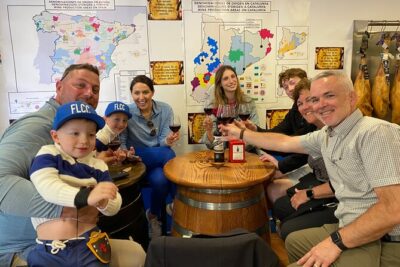
Two details I also come back to are the small size, capped at 7 people, and the mix of food stages: coffee and traditional pastries, then market tastings, then more stops in and around Gràcia. You even get the chance to add a stamp to a Culinary Backstreets Passport, which makes the walk feel a bit more like collecting moments than just checking boxes. The only real drawback is that the experience depends on day-to-day conditions like weather, and if it is poor you may be offered a different date.
In This Review
- What You Get From a 5.5-Hour Catalan Food Walk
- Entering Mercat de la Boqueria: Coffee, Pastries, Then Market Bites
- Mercat de la Llibertat: A Quieter Market With Real Vendor Conversations
- Passeig de Gràcia and Gràcia Streets: From Rustic to Refined Tastings
- Why the Food Feels Authentic: Structure, Variety, and Real Local Rhythm
- Getting There, Walking Smart, and Matching Your Pace
- Price and Value: Is $160 Worth It?
- Should You Book Made in Catalonia?
- FAQ
- What is the duration of the tour?
- What time does the tour start?
- Where is the meeting point?
- How big is the group?
- Is the tour offered in English?
- What kind of ticket do I receive?
- Is admission included for the markets?
- Is a service animal allowed?
- What happens if the weather is poor?
- Can I cancel and get a full refund?
What You Get From a 5.5-Hour Catalan Food Walk
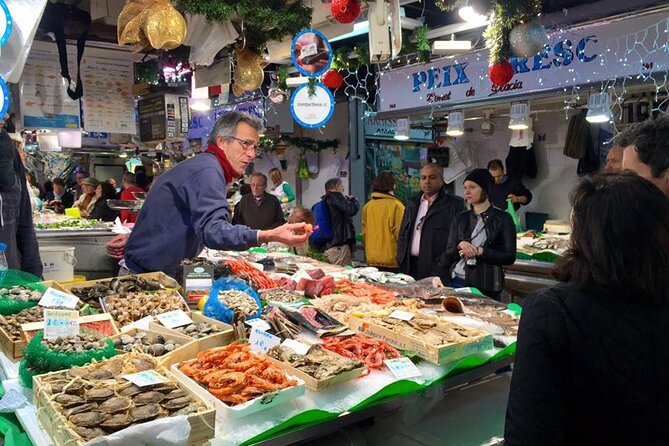
This is a 5 hours 30 minutes guided walking experience in Barcelona, priced at $160 per person. The value here is not just the food. It is the structure: breakfast foods, then market bites, then a neighborhood-style finish where you learn how Catalans shop, snack, and eat as part of everyday routines.
The group limit is a big part of why people rate this so highly. With a maximum of 7, you are more likely to get direct answers, quick course corrections, and the kind of pacing that keeps everyone fed and walking comfortably. It is offered in English, and the start time is 9:00 am from Plaça de Gal·la Placídia, 30, in Gràcia. The tour ends back at the meeting point.
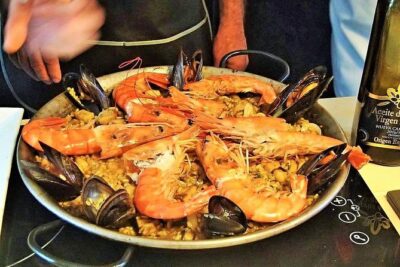
Food is built into the flow of the day: you will eat breakfast, lunch, and snacks along the way. Some stops also include coffee and pastries at the start, which helps you get energized before the markets. And because the tastings happen in multiple places, you get variety without having to make decisions or stand in long lines.
Entering Mercat de la Boqueria: Coffee, Pastries, Then Market Bites
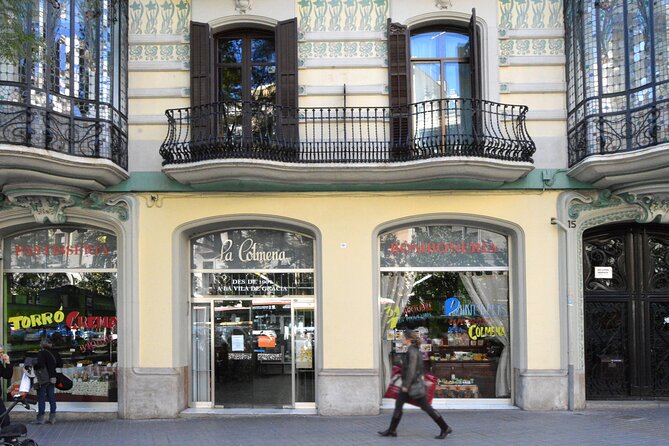
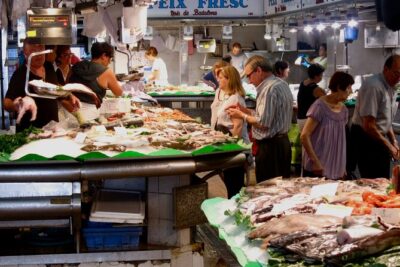
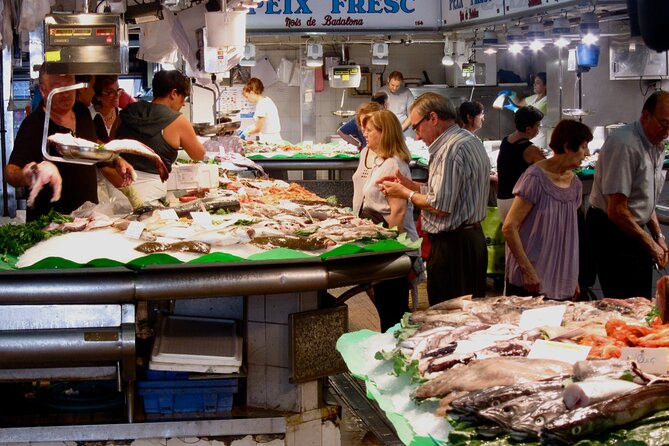
Your morning begins with coffee and traditional pastries in a century-old sweets shop, followed by a serious introduction to the market world. The idea is simple, and it works: you start with something familiar and comforting, then you immediately shift into the sensory overload of a top Barcelona market.
At this stage you can expect two kinds of value. First, it is food you can actually use as a base for the rest of the tour. When your first bites are traditional, everything you taste later makes more sense. Second, this is where your guide will usually give you context for what you are seeing, from vendor habits to what Catalans tend to reach for when they cook at home.
Mercat de la Boqueria is also a great place to learn how to look. You are not just passively eating. You are being guided to notice patterns: how stalls group foods, how shoppers choose items, and what makes certain products show up again and again. That changes your relationship to the market even after the tour ends.
A possible drawback: Boqueria can feel intense, and the tour still moves at a steady pace. If you like slow strolling and long photo stops, you might feel slightly rushed during the market segment. The fix is easy. Plan to eat first, look second, and save deep wandering for another day.
Mercat de la Llibertat: A Quieter Market With Real Vendor Conversations
After Boqueria, you shift to Mercat de la Llibertat, a lesser-known public market where the focus stays on people and food. This portion is shorter on the clock, around 1 hour, which makes it a good counterbalance. If Boqueria is the cinematic version of a market, Llibertat is more like the everyday workplace of a neighborhood.
What makes this stop feel worthwhile is the way it is set up. You do not just walk past stalls. You pause to meet vendors, ask questions through your guide, and taste what they recommend. That is where you get the most useful kind of knowledge for future meals, because it is practical: what is good right now, what locals buy when they want something quick, and what flavors pair well in a Catalan kitchen.
Another plus is that the tour explicitly builds tastings into the visit. That means you get to sample rather than only look. And since the market entry is listed as admission free, you are not paying extra to step into the space. Most of what you pay for here goes toward guiding and tastings.
The tradeoff is that a smaller market means fewer headline items. If your goal is only famous sights, Llibertat might feel less flashy. But for food and local texture, it is often the moment that makes the whole tour click.
Different budget or pace in mind? Here is the rest of our Barcelona shortlist.
Passeig de Gràcia and Gràcia Streets: From Rustic to Refined Tastings
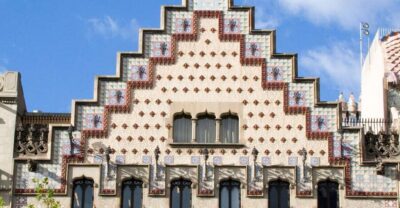
Next comes the neighborhood portion, timed at about 1 hour, built around Passeig de Gràcia and the surrounding Gràcia area. The tour describes it as moving through around a dozen places, from more rustic spots to more refined stops. That range matters because it shows how Catalan eating does not live in one category. It shifts by occasion, budget, and time of day.
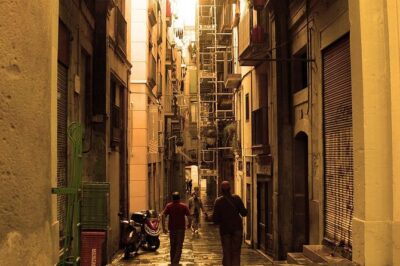
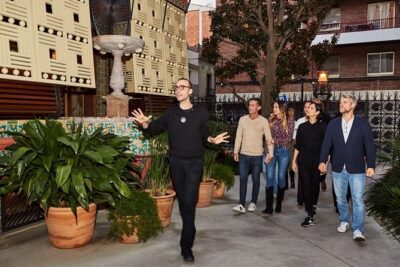
This is where the tour goes beyond food. The emphasis is on the Catalan heart, focusing on day-to-day life instead of turning the walk into a political debate. In practice, that shows up as stories tied to what you eat and where you eat it. You learn how people shop, snack, and socialize, and why that routine is part of neighborhood identity.
One of the best things about this section is that it often feels like a guided shortcut to better choices. Instead of asking yourself what to order later, you learn what to look for in menus and counter displays. It also helps you understand the difference between tourist-facing versions of Barcelona food and the habits that locals rely on.
A note from the experience style: several guides on past tours, including Pamela and Lynda, have been praised for mixing food with history and neighborhood context. And in one case, a guide even asked if seasonal specialties like snails and mushrooms were of interest and adjusted the plan. You might see that kind of personalization too, so come with an open mind if you are curious about Catalan staples.
Why the Food Feels Authentic: Structure, Variety, and Real Local Rhythm
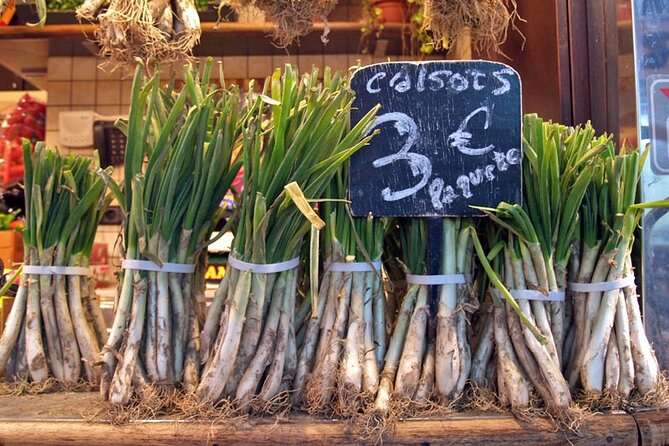
I like that this tour does not treat lunch as a single big event. It spreads eating across the morning: breakfast, then market snacks and bites, then additional tastings during the neighborhood walk. That flow reduces the chance you get stuck eating only what you already know. It also makes the whole day feel like a real eating schedule.
Authenticity here is about more than ingredients. It is also about how the stops are selected and sequenced. Starting with coffee and pastries sets a baseline. Moving into major and smaller markets teaches you the spectrum of Catalan food culture. Finishing in the Gràcia/ Passeig de Gràcia area adds the texture of daily life, the kind you usually miss if you only do big-ticket landmarks.
Group size helps too. When there are at most 7 people, it is easier for guides to keep the rhythm. That is important because tasting tours can either feel calm and conversational or chaotic and rushed. The small cap is one reason people rate the experience so consistently at a 5/5 level.
One more detail I appreciate: you get a Culinary Backstreets Passport stamp for Barcelona. It is a small touch, but it makes the tour feel like a collectible story, not just a meal.
If you have dietary limits, the tour data you were given does not spell out specific accommodations. I would handle this the same way you would in any food tour, email or message ahead if you have allergies or strict needs, and be ready for the guide to suggest options based on what is available at the market stalls that day.
Getting There, Walking Smart, and Matching Your Pace
The meeting point is in Gràcia, at Plaça de Gal·la Placídia, 30, and the tour starts at 9:00 am. It is near public transportation, which matters because it keeps your morning simple. You do not need to fight Barcelona traffic or plan multiple transfers just to start the day.
Plan for walking. This is not a sit-down tasting class. You are moving through markets and shops, stopping often, and then walking between them. One practical review note was clear: wear comfy shoes. That advice is worth taking seriously because you will cover ground over 5.5 hours.
For timing, remember that three main stops are listed with set hours, but the full duration also includes walking time and transitions. The tour is about eating in motion, so build in a lighter afternoon afterward. If you schedule another heavy activity right after, you might feel it.
Who this tour suits best:
- If you want a food-forward overview of Barcelona that also explains the neighborhood angle
- If you like markets but want guidance on what to notice and what to try
- If you prefer a small group and a conversational guide style
- If you are traveling solo or as a couple, because the capped size makes it easy to participate without getting lost
Price and Value: Is $160 Worth It?
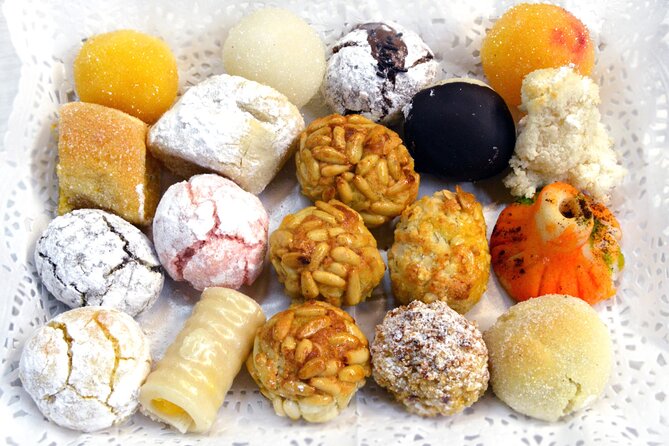
At $160 per person, this is not a budget snack crawl. But value comes from three areas working together.
First, you get a real sequence of food moments: breakfast items, market tastings, and additional stops afterward. Second, you get a small-group guide who is actively interpreting what you taste, not just escorting you from point A to point B. People highlighted guides like Ivan, Senem, and Pamela for connecting food with local life and history, and those are the skills you are paying for.
Third, you are paying for your time. Markets like Boqueria are easier to enjoy with a plan, because you are less likely to wander randomly and miss the best tasting opportunities. This tour gives you that plan, plus the local context that makes your later self-guided meals better.
If you already know Barcelona food well and you plan to spend most days in markets on your own, the tour may feel pricey. But if you want a guided day that makes your other outings smarter, this is the kind of spend that tends to pay off.
Should You Book Made in Catalonia?
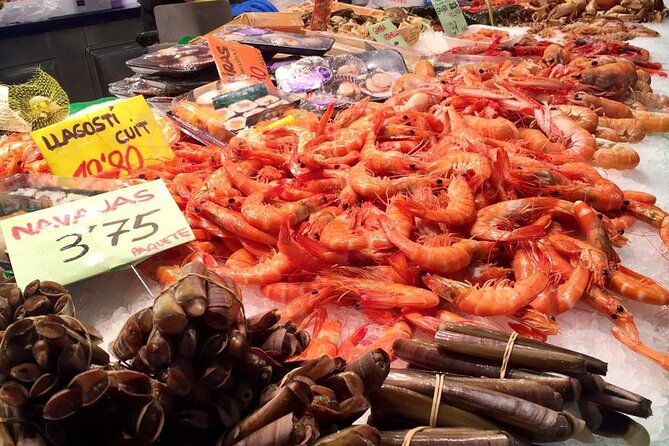
I think you should book this if your ideal Barcelona day is part market wandering, part neighborhood storytelling, and part eating without decision fatigue. The small-group cap, the Catalan food focus across breakfast, lunch, and snacks, and the route through both a major market and a quieter one give you range without turning the day into a sprint.
Skip it if you hate walking, want only major landmarks, or need very specific dietary accommodations that you cannot discuss with the guide in advance. Also, check the weather situation, since the experience requires good conditions and may shift if it is canceled due to poor weather.
If you want a strong start in Barcelona that feels genuinely local, this is a smart pick. It is guided enough to be easy, small enough to feel personal, and food-forward enough that you will leave with both full stomach and better instincts for where to eat next.
- Barcelona: Sagrada Familia Entry Ticket with Audio Guide
- Barcelona: Park Güell Admission Ticket
- Barcelona: 24 or 48-Hour Hop-On Hop-Off Bus Tour
- Barcelona: Park Guell Guided Tour with Skip The Line Entry
- Barcelona in 1 Day: Sagrada Familia, Park Guell,Old Town & Pickup
- Barcelona Aquarium: Entry Ticket
- Barcelona: Sagrada Familia Skip-the-Line Entry Ticket & Tour
- Barcelona: FC Barcelona Museum “Barça Immersive Tour” Ticket
FAQ
What is the duration of the tour?
It runs for about 5 hours 30 minutes.
What time does the tour start?
It starts at 9:00 am.
Where is the meeting point?
The meeting point is Plaça de Gal·la Placídia, 30, Gràcia, 08006 Barcelona, Spain.
How big is the group?
The tour is limited to a maximum of 7 travelers.
Is the tour offered in English?
Yes, it is offered in English.
What kind of ticket do I receive?
You get a mobile ticket.
Is admission included for the markets?
The tour information lists admission tickets as free for Mercat de la Boqueria and Mercat de la Llibertat.
Is a service animal allowed?
Yes, service animals are allowed.
What happens if the weather is poor?
The tour requires good weather. If it is canceled due to poor weather, you will be offered a different date or a full refund.
Can I cancel and get a full refund?
Yes, you can cancel up to 24 hours in advance for a full refund. If you cancel less than 24 hours before the start time, the amount paid is not refunded.