
Reviewed · JEREZ, SHERRY AND ANDALUSIAN HORSES
Jerez: Royal Andalusian School of Equestrian Art Admission
Stables meet palace gardens in Jerez. This guided admission to the Royal Andalusian School of Equestrian Art lets you move through palace-style rooms, then out to the places where Andalusian horses train, with the whole visit tied together by the school’s own story.
I love two things most. First, you can actually watch daily training in the outdoor exercise rings and the large indoor arena (except Saturdays). Second, the museum experience is built for hands-on curiosity, with interactive exhibits in the Museum of Equestrian Art plus a carriage museum to close the loop.
One thing to plan around: on Saturdays, you will miss the training sessions and the saddlery work that are normally part of the visit.
In This Review
- Key highlights you will care about
- Where to start at the Royal Andalusian School, and how the day flows
- Reception and the 11:00 AM equestrian art presentation
- Gardens first, then the palace, Charles Garnier style
- Museum of Equestrian Art: 11 rooms that turn context into curiosity
- Saddlery and the tack room: where harness work happens
- Watching training in the outdoor rings and indoor arena
- Stables and the octagonal layout that makes you feel close
- Carriage museum: the final piece of the equestrian puzzle
- Guides make the difference, and you might learn a lot fast
- Price and value: what $18 buys you in real experience
- Timing tips so you do not miss the best parts
- Who should book this admission?
- Should you book this Royal Andalusian School admission?
- FAQ
- How long is the Royal Andalusian School of Equestrian Art admission?
- Where do I enter for this admission ticket?
- Is the audio-visual presentation included, and is there a time limit?
- What languages are available for the live guide?
- Can I watch horse training during the visit?
- Is the saddlery or harness repair part included?
- Is the museum included in the admission?
- Do I need to show a printed receipt at the ticket office?
- What items are not allowed inside the grounds?
- Is it wheelchair accessible?
Key highlights you will care about
- Horse training access varies by day, with training sessions typically running except Saturdays
- Museum of Equestrian Art in 11 rooms, located in the basement and focused on Andalusian equestrian origins
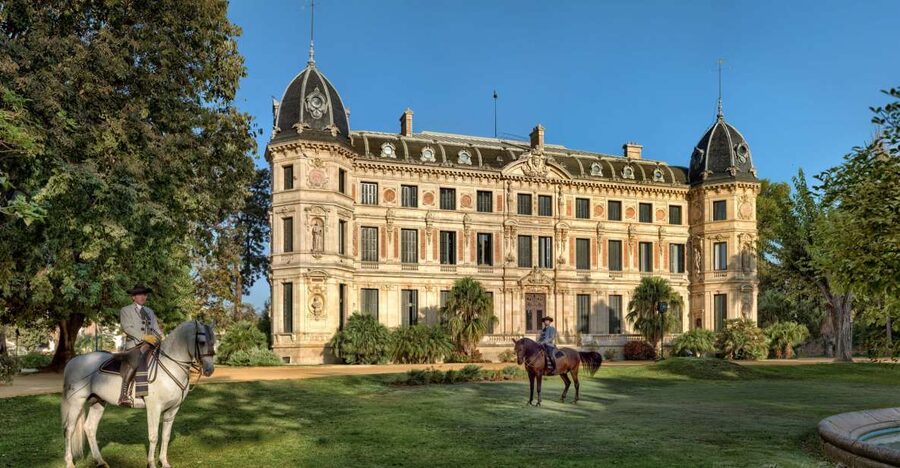
- 19th-century palace architecture by Charles Garnier rising above the gardens
- Tack room and saddlery viewing, where harnesses are made and repaired (except Saturdays)
- Indoor arena designed in authentic Andalusian style, with capacity for 1,600 spectators
- Carriage museum finale, with vehicles, harnesses, and equestrian costumes
Where to start at the Royal Andalusian School, and how the day flows
If you like horses but also care about the craft behind them, this is a strong choice. You are not just looking at a stable from the outside. The entry route leads you through reception, gardens, palace spaces, the museum levels, and then into the training and tack areas.
The whole flow feels designed to answer a simple question: how did Andalusia shape equestrian art, and how does that training happen today? Even the pacing helps. You start with context, then you move to objects and spaces, and only then do you focus on the horses and their work.
The visit is 2 hours, so it is realistic as a half-day anchor. You get time for the main museum rooms and the training viewing, without feeling like you need a full day of stamina to “see everything.”
Reception and the 11:00 AM equestrian art presentation
Before you wander, you enter through the visitor reception area. Here you get an audio-visual presentation covering the history of equestrian art in Andalusia. It runs until 11:00 AM, so if you book a later start, you might not catch it.
Why this matters for your experience: the museum is not random. It is connected. If you catch the presentation, the 11-room museum tour later feels more purposeful, especially around how the school and Andalusian horse culture developed over time.
A practical note: you will need your ticket info for entry. The school asks you to present your printed receipt or the ticket on your mobile at the ticket office.
If this one is booked out, these Jerez, Sherry and Andalusian Horses come close

Gardens first, then the palace, Charles Garnier style
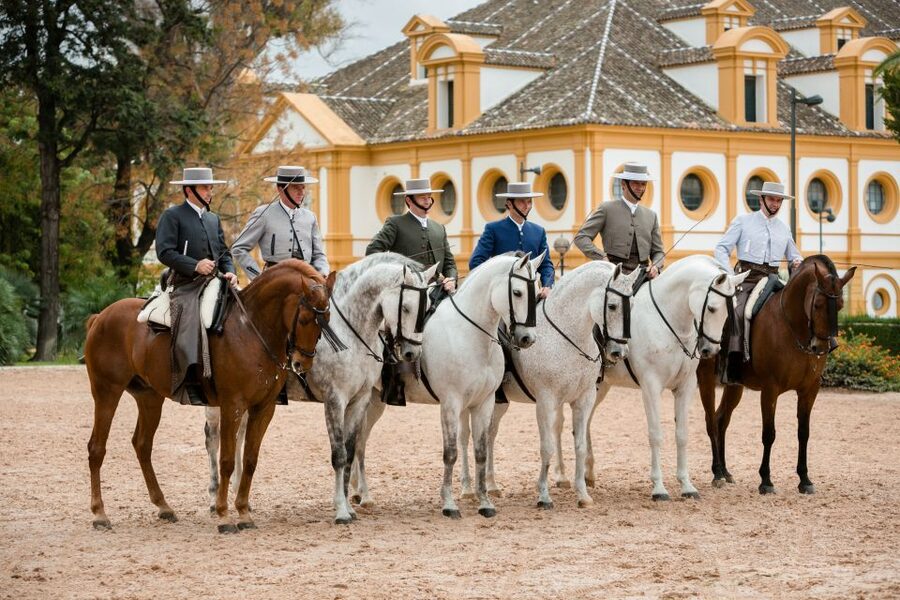
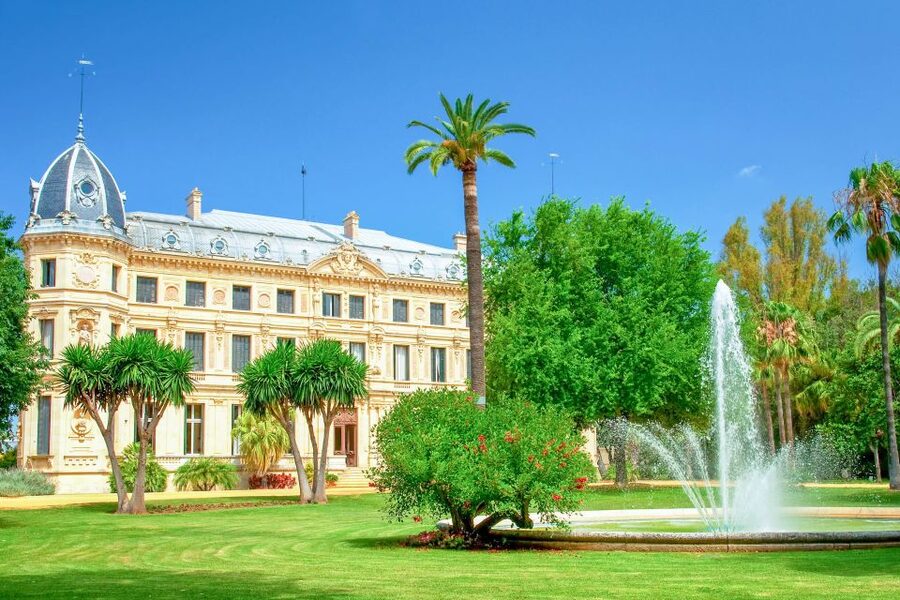
From reception, the route leads straight into the gardens, which include a variety of exotic plants. There is also a central fountain. The water jets are not just decoration, they help guide you deeper into the grounds.
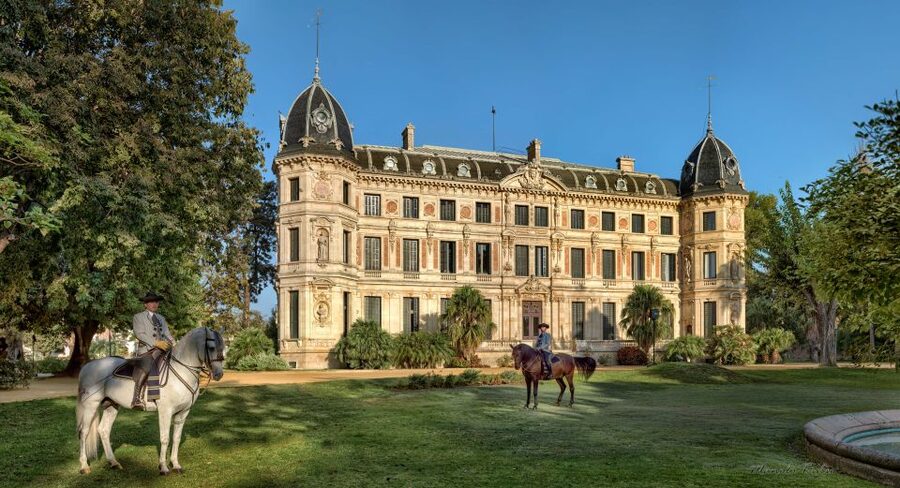
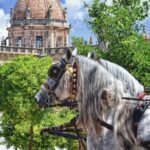
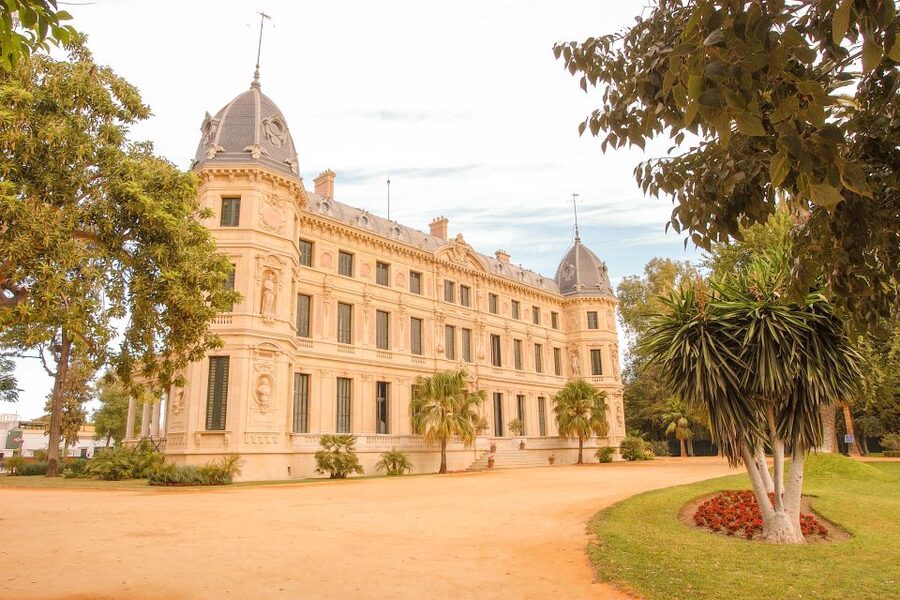
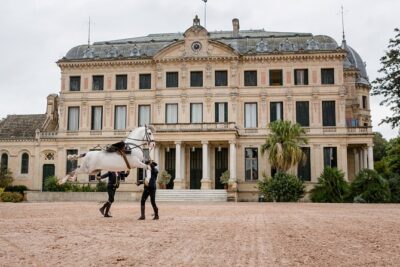
Then the palace rises above the gardens. This is a beautiful, 19th-century building designed by Charles Garnier. On the ground floor, you can admire halls decorated as they were originally conceived, so you get a sense of how equestrian culture links to formal architecture and ceremony, not only to stables.
If you are the type who likes small details, take your time here. You are building a mental map: gardens below, palace around, training spaces nearby. That makes the later stable and arena viewing much easier to follow.
Museum of Equestrian Art: 11 rooms that turn context into curiosity
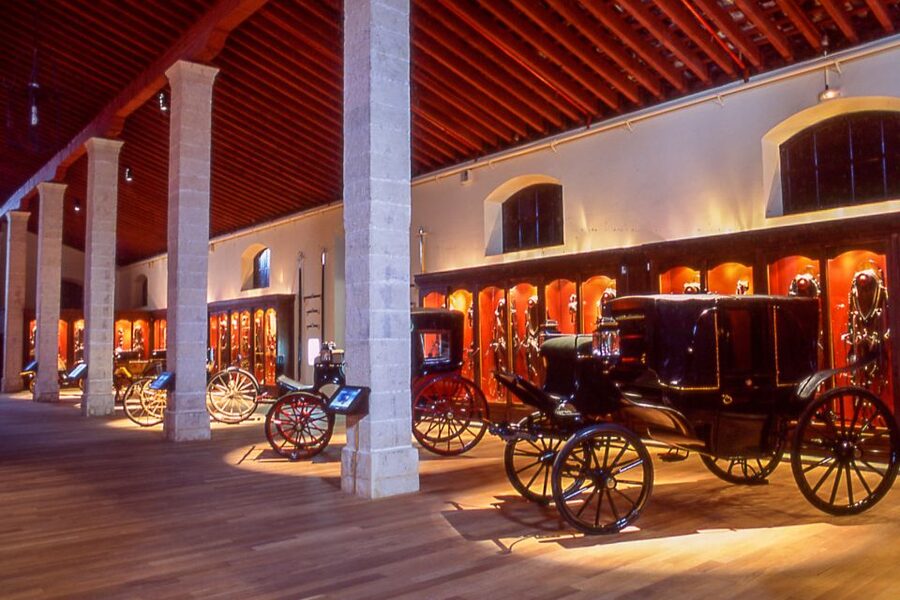
Downstairs, you reach the Museum of Equestrian Art. It is made up of 11 rooms dedicated to the origins and history of equestrian art and the horse in Andalusia.
What I like about this setup is that it does not force you into a single narrative. The rooms cover origins and evolution, so you can connect the museum content to what you are about to see in the tack room and arenas.
Also, the exhibits are described as fantastic and interactive, which helps a lot if you are traveling with kids, or if you just get impatient with museums that feel like text walls. Even if you spend only a focused chunk of time in each room, the museum gives you the “why” behind what the horses are training to do.
As a caution: one review noted that some video displays were not working during a visit. If you are relying on interactive screens, try to go with a flexible mindset, so a technical hiccup does not ruin your day.
Saddlery and the tack room: where harness work happens
After the museum, you go into the backstage world. You will see where harnesses are made and repaired in the saddlery. This laborious craft is carried out by the master harness maker and apprentices.
Important day-of-week detail: this part happens except Saturdays. So if your travel dates include Saturday, you may not get the same “hands-on craft” feel. You will still be in the school spaces, but the schedule affects what you can see in terms of active work.
The tack room is a key reason people fall in love with this admission. It is described as humidity controlled in at least one review, which makes sense for leather and equipment storage. If you have ever wondered why tack seems to stay in top condition, this is the kind of place where you start to see the practical answers.
Watching training in the outdoor rings and indoor arena
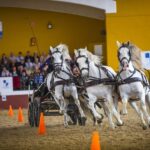
This is the main event for many people, and it is easy to see why. You will watch horse and rider training in the outdoor exercise rings and also see the indoor arena.
The indoor riding arena is described as being designed in authentic Andalusian style, and it has capacity for 1,600 people, which tells you the school treats training as a serious daily operation, not a casual hobby.
Again, the big caveat: training sessions are scheduled except Saturdays. If you are visiting Saturday, go in expecting less active training viewing, and more museum and stable viewing instead.
One more practical reality check: on at least one visit, photography inside the arena was not allowed. So if you love collecting video and photos, plan to enjoy the moment rather than relying on your camera for everything.
Stables and the octagonal layout that makes you feel close
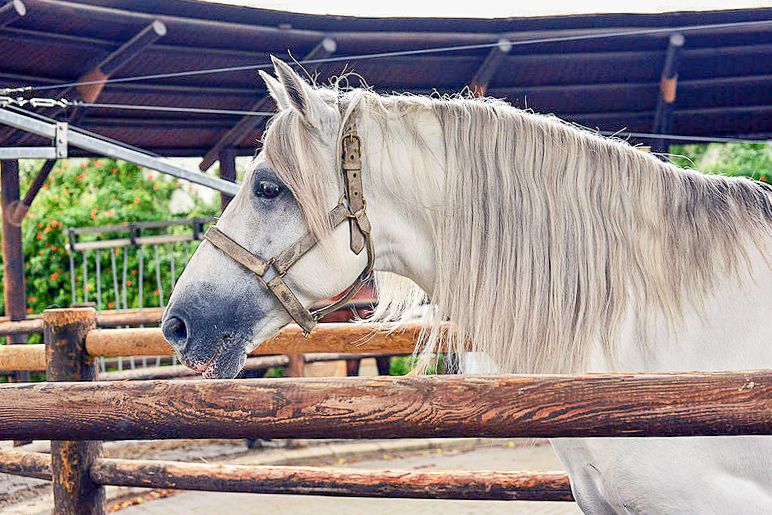
The stables are housed in an octagonal complex. That shape matters. It makes the space feel organized and “in the center of things,” rather than a long barn corridor.
In the center of the stables, you reach the tack room where harnesses used for daily training and for shows are kept. This is one of the easiest areas to connect dots: you see equipment storage, you see the training spaces, and you start to understand how daily preparation supports performance.
If you are a horse lover, this is where you often feel the emotional pull. The horses are not hidden behind distance. You are close enough to watch their presence and movements and to see how active training routines affect them.
Some guides also encourage questions. One review specifically mentioned that it was possible to ask questions about how horses are kept, which is a big plus if you have real curiosity about care and routine.
Carriage museum: the final piece of the equestrian puzzle
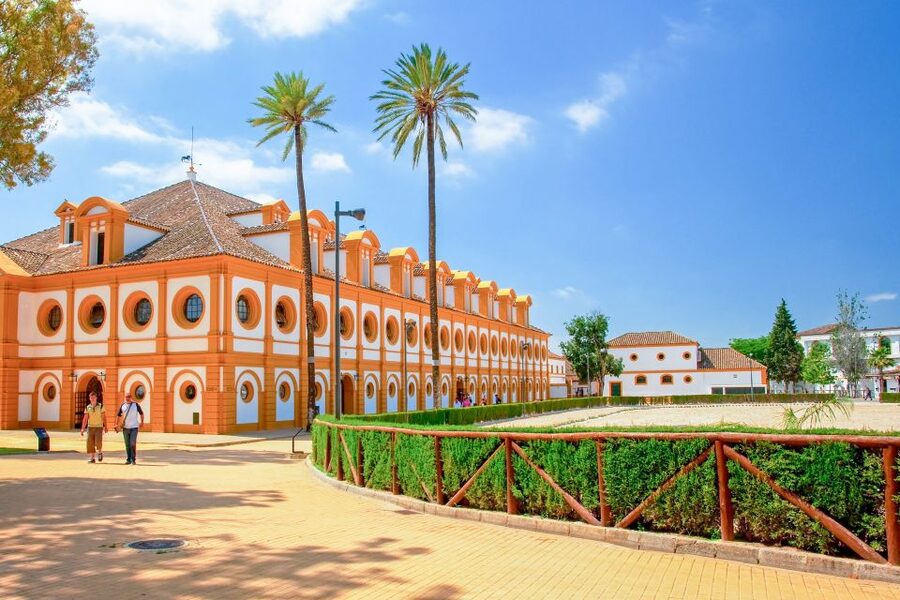
After the training areas, your visit finishes with the carriage museum. Here you can admire vehicles, horses, harnesses, and equestrian costumes from the school’s collection.
This is a smart ending because it widens your view. Dressage training and tack care are one side of the school. Carriage driving and historical equipment are another. Seeing both helps you understand that equestrian art is not a single discipline. It is a whole culture of movement, craft, and presentation.
One note from a real-world visit: a few people skipped the carriage museum due to heat. If the weather is intense when you arrive, treat the carriage museum as an optional extra depending on your energy level, not a must-do that you should force.
Guides make the difference, and you might learn a lot fast
A lot of the best moments come down to the guide. This admission includes a live guide and offers tours in Spanish, English, French, and German.
From actual guide experiences shared in reviews, you might meet school staff such as Javi, Elena, or Harry. The theme is consistent: people liked that the guides were school employees and that they explained what you were seeing in plain language.
Why this matters to you: the school is full of details, but not everything is self-explanatory. When a guide ties museum rooms to real equipment and then points out what training is aiming for, the visit becomes more than a walk-through.
If you are in an English tour, do double-check your timing. One visitor noted their English tour started later than expected. It is not a reason to skip, but it is a reason to arrive early and stay flexible.
Price and value: what $18 buys you in real experience
At around $18 per person for a 2-hour visit, this is excellent value if you care about more than just horses at a distance. You are paying for a bundle of things that usually cost extra when separated: guided access to school spaces, a museum experience with multiple rooms and interactive elements, plus the chance to watch training and see the tack-related spaces.
Here is the value math that makes sense:
- Museum access gives you context (11 rooms on Andalusian equestrian art).
- Training access gives you the living side (outdoor rings and indoor arena, except Saturdays).
- Backstage spaces like the tack room and saddlery give you practical craft (except Saturdays).
- The palace gardens and Charles Garnier architecture add beauty and pacing to the day.
If you only want a 10-minute horse photo stop, it could feel like more than you need. But if you want a structured, meaningful visit, it is a strong deal.
Also consider the day-of-week effect. If you are traveling on Saturday, your viewing of active training and saddlery work may be reduced. The museum and gardens still exist, but the “watch them work” element may be less dramatic.
Timing tips so you do not miss the best parts
A few small planning moves can make your visit smoother:
- If you want the audio-visual presentation, aim to be there early enough to catch it, since it is available until 11:00 AM.
- Arrive with buffer time at the ticket office. Even with online tickets, some visitors were asked to queue for paper tickets.
- Bring an empty water strategy. The management does not allow entry with bottles or cans, so plan to buy after or rely on nearby options outside the grounds.
- Wear shoes that handle walking on garden paths. You will move between multiple areas without long rests.
If weather is hot, consider pacing. One visitor skipped the carriage museum due to heat, which is a real clue that you should not overpack your day with other plans right after.
Who should book this admission?
You should book if:
- You love horses but want more than spectacle, you want craft and context too.
- You like museum exhibits that feel interactive, not just observational.
- You enjoy seeing how historical culture connects to modern training routines.
- You want a focused 2-hour experience in central Jerez that does not require a night-and-day commitment.
You might skip or adjust expectations if:
- Your dates are Saturday and you specifically want to watch training or saddlery work.
- You plan your entire day around one single time slot and cannot handle minor schedule variation.
Should you book this Royal Andalusian School admission?
Yes, with a small caveat. Book it if you want a well-paced mix of palace gardens, a multi-room Museum of Equestrian Art, and the chance to see training and tack spaces up close. The price is hard to beat for what you get in 2 hours, especially if you catch the early presentation.
If you are visiting on a Saturday, go anyway, but shift your mindset. Treat it as a museum and stables experience with less active training and less saddlery viewing. If you can choose dates, and training access is your priority, aim for a day other than Saturday.
FAQ
How long is the Royal Andalusian School of Equestrian Art admission?
The experience lasts about 2 hours.
Where do I enter for this admission ticket?
You enter at the visitor reception center, where the audio-visual presentation is offered.
Is the audio-visual presentation included, and is there a time limit?
Yes. It is available in the reception area until 11:00 AM.
What languages are available for the live guide?
Live guided tours are available in Spanish, English, French, and German.
Can I watch horse training during the visit?
You can watch training at the Royal School in the outdoor exercise rings and indoor arena, except on Saturdays.
Is the saddlery or harness repair part included?
Yes, harnesses are made and repaired in the saddlery, except on Saturdays.
Is the museum included in the admission?
Yes. Admission includes full access to the school facilities, including the Museum of Equestrian Art and the carriage museum area.
Do I need to show a printed receipt at the ticket office?
Yes. You must present your printed receipt or the ticket on your mobile at the ticket office.
What items are not allowed inside the grounds?
You are not allowed to enter with bottles, cans, animals, or any objects the management considers unsuitable.
Is it wheelchair accessible?
Yes, the venue is wheelchair accessible.
Jerez, Sherry and Andalusian Horses we rated next
- Jerez de la Frontera: Andalusian Horse Dance and Museums
★ 4.7 · 1,289 reviews - Jerez: Yeguada de la Cartuja Carthusian Horses Tour
★ 4.8 · 970 reviews - Jerez: Bodegas Fundador Guided Tour with Tasting Session
★ 4.8 · 714 reviews - Jerez: Guided Winery Tour with Wine Tasting
★ 4.4 · 636 reviews - Jerez de la Frontera: Sherry Winery Tour with Tasting
★ 4.6 · 309 reviews
Fresh off the desk: recent Jerez De La Frontera experiences we have written up

Jerez, Sherry and Andalusian Horses, side by side.
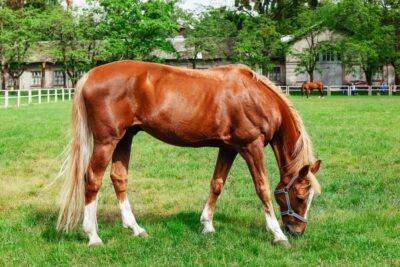 ★ 4.6Jerez de la Frontera: How the Andalusian Horses DanceFrom $316,168 reviews
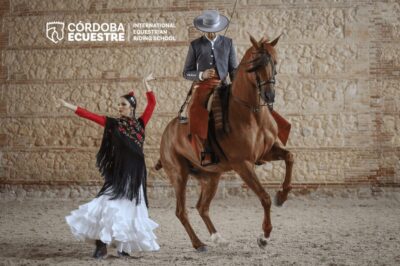 ★ 4.5Cordoba: Equestrian Show General EntryFrom $212,333 reviews
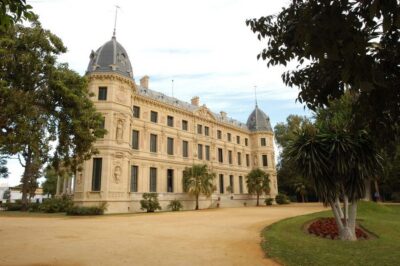 ★ 4.7Jerez de la Frontera: Andalusian Horse Dance and MuseumsFrom $381,289 reviews
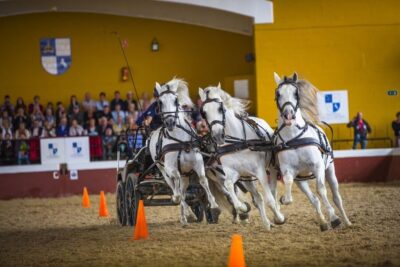 ★ 4.8Jerez: Yeguada de la Cartuja Carthusian Horses TourFrom $22970 reviews
 ★ 4.8Jerez: Bodegas Fundador Guided Tour with Tasting SessionFrom $21714 reviews
 ★ 4.4Jerez: Guided Winery Tour with Wine TastingFrom $22636 reviews
 ★ 4.2From Seville: Cadiz and Jerez de la Frontera Day TripFrom $117595 reviews
 ★ 4.5Andalusian Horses Dance ShowFrom $33483 reviews
This tour also sits in