
Reviewed · JEREZ, SHERRY AND ANDALUSIAN HORSES
Jerez: Historic Center Guided Tour
Jerez’s old streets explain everything. This 2-hour guided walk through the historic center of Jerez de la Frontera links sherry fame with the city’s layered past, from Phoenicians and Romans to Moors and Christians, in a way that makes the map feel personal. I especially like the mix of Islamic and Christian neighborhoods plus the focus on standout architecture like the Mudejar Church of San Dionisio and the cathedral façades.
Two things I really love: first, you get a guided path that turns eras into actual street scenes, not just dates. Second, the guides tend to be friendly storytellers, with names like Rose, Rosalba, Martina, Lucia, and Charo showing up again and again in the feedback for clear explanations and smooth English.
One drawback to consider: this is mainly an exterior sightseeing walk, and the religious-heavy feel may be a little more church-forward than you expected. Also, the Alcázar and cathedral interiors are not included, so if you want inside access, plan on buying tickets separately.
In This Review
- Key highlights to plan for
- Start at Plaza del Arenal, then walk into Jerez’s big story
- San Miguel: Gothic lines and typical streets that set the mood
- A practical tip here
- The Alcázar wall: defense and power you can still read
- San Dionisio’s Mudejar style: one stop that makes the eras real
- What to focus on while you’re standing outside
- Jerez’s many beginnings: Tartessians, Phoenicians, Romans, Visigoths, Moors
- Why this history matters for first-time visitors
- Cathedral façades (Gothic, Baroque, Neoclassical): the exterior tour works
- How to enjoy this stop quickly
- Palaces and squares, including the old Town Hall site
- The sherry tasting option: simple, fun, and easy to tack onto your day
- How good guides shape the whole walk (and what you’ll likely experience)
- Who this tour is best for, and who might want a different option
- Value for money: why $26 makes sense for 2 hours
- Tips to get the most from your walk
- Should you book the Jerez Historic Center Guided Tour?
- FAQ
- Where does the tour meet?
- How long is the tour?
- What languages is the tour offered in?
- Are tickets included for the Alcázar and cathedral?
- Is there an option for sherry tasting?
- Can I cancel after booking?
Key highlights to plan for
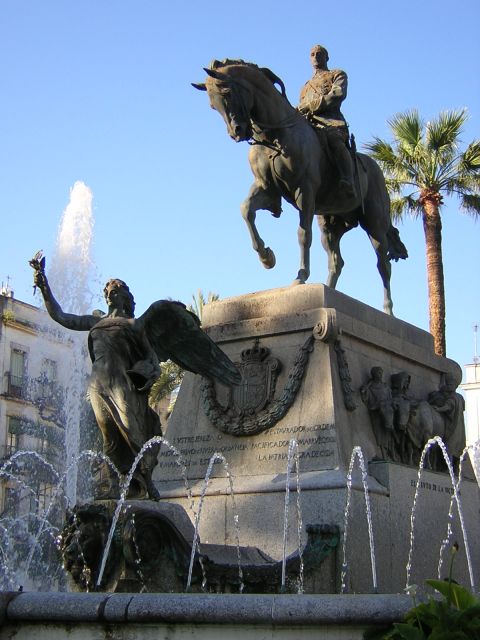
- San Miguel neighborhood streets: Gothic church views and classic Jerez architecture along the way
- Alcázar defensive wall: you see the fortification from the outside, built for control and defense
- San Dionisio (Mudejar Church): the one Mudejar church in town, a big architecture moment
- Cathedral façades: Gothic, Baroque, and Neoclassical exteriors in one visual stop
- Tartessians and older origins: a guided “who came first” thread that sets the city’s tone
- Optional sherry tasting: if you choose the wine option, you finish with 2 Jerez wines
Start at Plaza del Arenal, then walk into Jerez’s big story
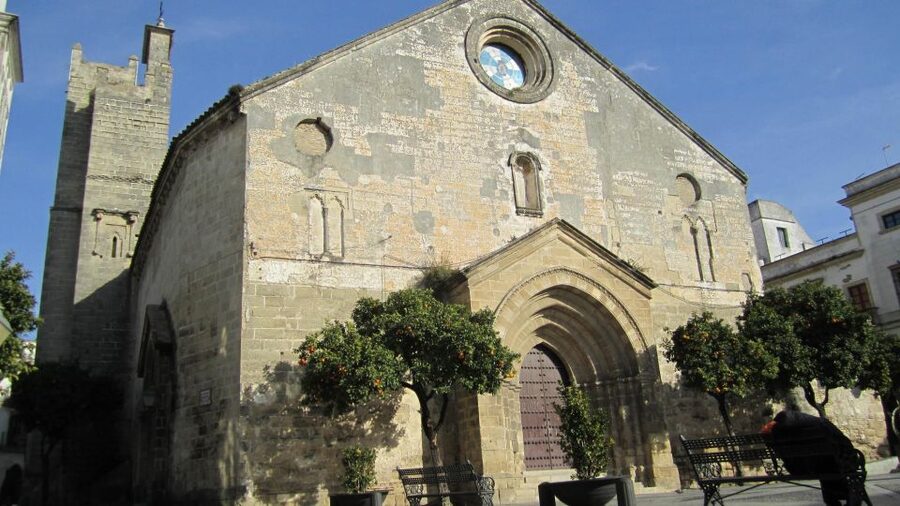
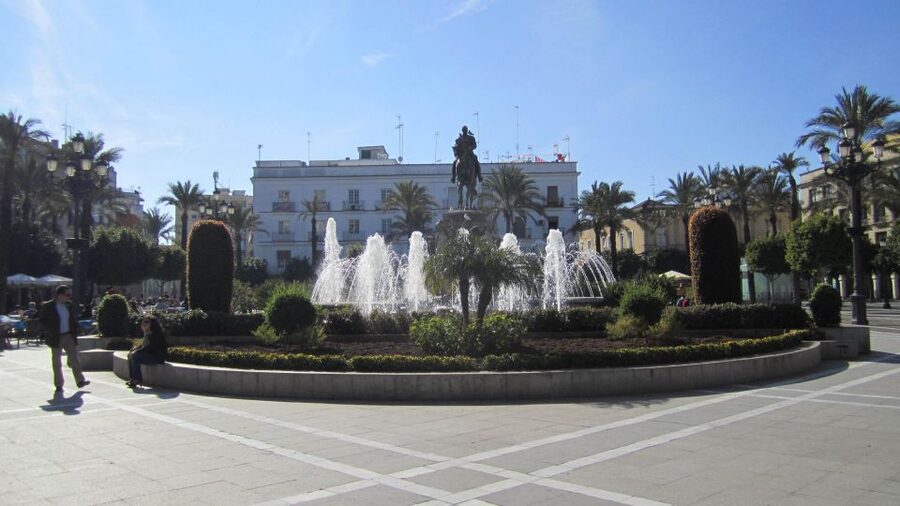
The tour meets at Plaza del Arenal, and from there you step into the historic center on foot. It’s the kind of route that helps you understand why Jerez matters in Cadiz province. You’re in the world of sherry production, yes, but the walk also explains how a trading city built its identity over centuries.
I like that the pacing is built for a short visit. Two hours is enough to get your bearings, learn what to notice, and leave with a sharper sense of where different eras show up. Wear comfortable shoes. The route is a walking tour, and Jerez can be warm, even outside peak summer.
The guide leads you through neighborhoods that feel different as you move, including the area around San Miguel. You’re not just seeing landmarks; you’re learning how the city’s religious and civic power shifted over time.
San Miguel: Gothic lines and typical streets that set the mood
One of the first neighborhood stops is San Miguel, with its typical architecture and the Gothic church presence that gives this part of town a recognizable character. Even if you never plan to become an architecture expert, a good guide can teach you what to look at: proportions, façade details, and why certain styles appear in specific places.
What makes this part useful is orientation. You’ll start to connect the feel of the streets to the guide’s timeline, so later when you see the cathedral exteriors and the Mudejar church, the differences won’t feel random. They’ll feel like chapters in the same book.
If this one is booked out, these Jerez, Sherry and Andalusian Horses come close






A practical tip here
If you care about photos, this is a good stretch to pay attention. Façades and church exteriors can be shot from multiple angles, but the best spots depend on the exact meeting point and the pace of the group.
The Alcázar wall: defense and power you can still read
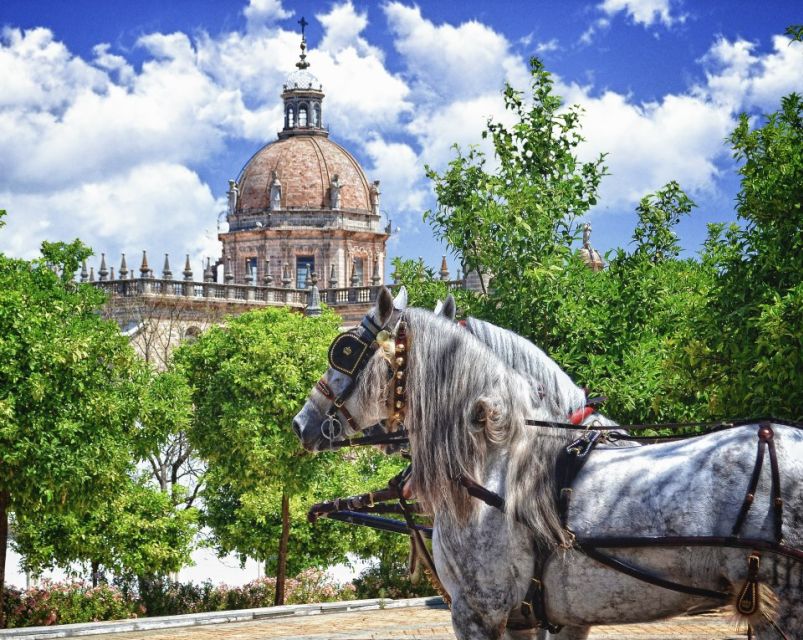
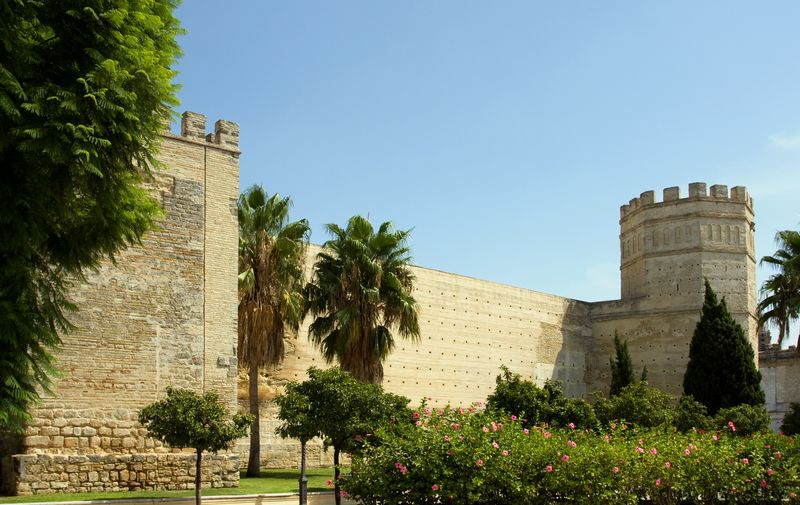
From here you move toward the Alcázar area and the defensive wall. This is one of those sights that’s easy to overlook if you’re in Jerez only for sherry tastings. But the wall tells you something important: why cities build where they do, and how power was protected in earlier centuries.
The tour is explicit about what you get: you see the defensive wall of the Alcázar, but an inside visit is not part of this option. That means your experience here is visual and interpretive, not ticket-and-gallery style.
Still, the exterior works. Fortifications are like oversized architecture textbooks, even when you can’t enter. You’ll understand the logic of defensive design and how it shaped what came later around it.
San Dionisio’s Mudejar style: one stop that makes the eras real
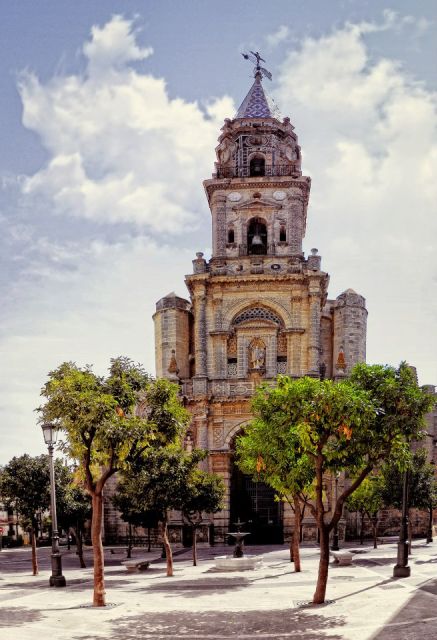
Then comes the Church of San Dionisio, described as the only Mudejar church in town. This is a high-value moment because Mudejar style is not just decoration. It often reflects a cultural blend, and a good guide will point out how that mix shows up in the building’s character.
I like this kind of stop because it’s specific. Instead of a vague “pretty church,” you get a named structure with a clear significance. If you’re the type who enjoys architecture but doesn’t want to spend a half day inside multiple monuments, this is the sweet spot.
What to focus on while you’re standing outside
You’ll get the most from your photos and your memory if you pay attention to:
- How the façade details differ from other Christian exteriors you’ve seen in the region
- Any stylistic cues that suggest a blend of influences
- The overall proportions, which often make Mudejar buildings feel distinct even at a glance
Jerez’s many beginnings: Tartessians, Phoenicians, Romans, Visigoths, Moors

A big part of the tour is history, but it’s delivered through your walking route. You learn about the mysterious Tartessians, often credited as early settlers of the area, then you move forward through Phoenician, Roman, Visigoth, and Moorish eras.
The advantage of this approach is that the timeline becomes tied to locations you can actually picture later. When you hear these names in a classroom, it can feel like memorizing. On a guided walk, it clicks because you’re seeing the kind of city that grew out of those influences.
Why this history matters for first-time visitors
Jerez can look like a classic Andalusian city from a distance, but it’s more layered than that. The tour helps you notice why the neighborhoods feel different and why certain monuments sit where they do.
If you’re coming to Jerez mainly for sherry, this part is still worth it. Sherry is the headline today, but the city’s location, trading history, and cultural mix are the reason it developed a strong identity in the first place.
Cathedral façades (Gothic, Baroque, Neoclassical): the exterior tour works
Next you head to the cathedral area and admire the Gothic, Baroque, and Neoclassical façades. This is another “outside and interpret” stop, because inside visits to the cathedral are not included.
That choice can be either a plus or a minus depending on what you love. If you prefer short and powerful stops with less waiting, you’ll appreciate the way the tour keeps moving. If you want to go deep into interior chapels and nave details, you’ll need to plan separate time and tickets.
How to enjoy this stop quickly
Even without entering, you can still read the building:
- Look at how the façades change style, not just how they look
- Notice the shifts in ornament and form
- Ask the guide what to watch for, because the explanations are designed for quick impact
Palaces and squares, including the old Town Hall site
Along the way you also pass decorative squares and palaces, including the site of the old Town Hall. This is where the tour starts to feel like more than monuments. You see civic Jerez, the city as a place where decisions were made and people gathered.
These stops matter because they help you understand daily life patterns. Sherry towns are not only about production. They are also about community, commerce, and social rituals that played out around plazas and public buildings.
If you like walking tours that connect to modern rhythms too, this part helps. You’ll finish with a sense of where you might want to linger for a snack or a slow drink after the guided portion ends.
The sherry tasting option: simple, fun, and easy to tack onto your day
At the end, there’s an option for a tasting of 2 Jerez wines. This is one of the most practical add-ons you can choose, because it turns what you learned into something you can taste.
A guide-led tasting also avoids the common problem of standing in a bar and not knowing what you’re actually drinking. Even if you’re a casual wine person, the framing helps. You’ll usually leave with a better idea of what style you like and what to look for next time you’re choosing wine in Andalusia.
Also, some guides have managed to align the tasting with a classic sherry tavern atmosphere, and on at least some departures you might catch a flamenco moment during the time at the tabanco. Don’t assume it will happen every day, but it’s the kind of payoff that can make the ending feel more like Andalusian culture than just a sip-and-go stop.
How good guides shape the whole walk (and what you’ll likely experience)
This tour stands or falls on the guide, and the feedback is consistent about engaging storytelling and clear communication. Names you’ll see repeatedly include Rose, Rosalba, Lucia, Charo, Martina, and Marta, often praised for making the walk feel like a journey through the city’s logic.
What I care about as a reader is not just “they knew facts.” It’s whether they can connect facts to what you’re seeing in front of you. That’s where many of these guides score high. You get humor, a sense of flow, and answers to random questions, which is exactly what you want on a short walk.
There’s also a small note to keep in mind: one perspective suggested the tour leans more religious than other areas. If that would bother you, you can still benefit a lot, but I’d set expectations that churches and façades get a lot of attention.
Who this tour is best for, and who might want a different option
This is ideal if:
- You’re seeing Jerez for the first time and want a structured overview
- You love architecture, even if you prefer outdoor viewing
- You want the sherry context without turning the day into a tasting-only schedule
- You like guides who tell stories and explain what to notice as you walk
You might want to choose something else if:
- You expect lots of interior museum-style time, because inside visits to the Alcázar and cathedral are not included
- You want a more secular mix, because the religious monuments and façades take center stage
Value for money: why $26 makes sense for 2 hours
At around $26 per person for a 2-hour guided walk, the value comes from structure. You’re paying for interpretation, route planning, and access to context you could easily miss on your own.
Here’s where value becomes even clearer:
- The tour includes the guide and all fees tied to the walking experience
- You see major exterior monuments, including the Alcázar wall and the cathedral façades
- If you choose the optional sherry tasting, you add a concrete payoff that helps the day make sense
The main “cost” to remember is what’s not included: tickets are not included for inside visits to the Alcázar and the cathedral. So if you want interiors, budget extra for entry tickets and possible extra time.
Tips to get the most from your walk
A few simple things will help you enjoy this tour more:
- Bring comfortable shoes, since it’s a walking route
- Carry a reusable water bottle, especially on warm days
- Wear clothes that let you stand and look up at façades without constant adjusting
- If you care about details, move at your own pace but don’t hesitate to ask the guide what to focus on
Also, it can help to look up basic terms before you go, like Mudejar, so you recognize why San Dionisio is singled out.
Should you book the Jerez Historic Center Guided Tour?
I’d book it if you want a tight, high-impact introduction to Jerez’s historic center. The route gives you a readable overview: neighborhoods like San Miguel, fortification clues from the Alcázar wall, the distinctive Mudejar Church of San Dionisio, and cathedral façades that show multiple styles at once. Add the optional 2-wine tasting, and the sherry connection lands in a practical way.
I would hesitate only if you strongly prefer interior visits and expect lots of time inside the Alcázar or cathedral. Since this option is built around exterior viewing and guided explanation, it’s best for people who enjoy walking, looking closely, and learning how the city’s layers fit together.
If you fit that description, this is a solid choice for a first trip to Jerez.
FAQ
Where does the tour meet?
It meets at Plaza del Arenal. The exact meeting point may vary depending on the option you book.
How long is the tour?
The duration is 2 hours.
What languages is the tour offered in?
The tour is available with live guides in English, Spanish, and French.
Are tickets included for the Alcázar and cathedral?
No. Tickets are not included, and the tour does not include inside visits to the Alcázar and cathedral.
Is there an option for sherry tasting?
Yes. The tour offers an option to choose a tasting of 2 Jerez wines.
Can I cancel after booking?
Free cancellation is available up to 24 hours in advance for a full refund.
Tours: the rest of our Jerez De La Frontera write-ups
- Jerez: Yeguada de la Cartuja Carthusian Horses Tour
★ 4.8 · 970 reviews - Jerez: Bodegas Fundador Guided Tour with Tasting Session
★ 4.8 · 714 reviews - Jerez: Guided Winery Tour with Wine Tasting
★ 4.4 · 636 reviews - Jerez de la Frontera: Sherry Winery Tour with Tasting
★ 4.6 · 309 reviews - Jerez: Bodegas Álvaro Domecq Guided Tour with Wine Tasting
★ 4.6 · 265 reviews
Jerez, Sherry and Andalusian Horses we rated next
- Jerez de la Frontera: Andalusian Horse Dance and Museums
★ 4.7 · 1,289 reviews - Jerez: Yeguada de la Cartuja Carthusian Horses Tour
★ 4.8 · 970 reviews - Jerez: Royal Andalusian School of Equestrian Art Admission
★ 4.6 · 882 reviews - Jerez: Bodegas Fundador Guided Tour with Tasting Session
★ 4.8 · 714 reviews - Jerez: Guided Winery Tour with Wine Tasting
★ 4.4 · 636 reviews
Fresh off the desk: recent Jerez De La Frontera experiences we have written up




Jerez, Sherry and Andalusian Horses, side by side.
 ★ 4.6Jerez de la Frontera: How the Andalusian Horses DanceFrom $316,168 reviews
 ★ 4.5Cordoba: Equestrian Show General EntryFrom $212,333 reviews
 ★ 4.7Jerez de la Frontera: Andalusian Horse Dance and MuseumsFrom $381,289 reviews
 ★ 4.8Jerez: Yeguada de la Cartuja Carthusian Horses TourFrom $22970 reviews
 ★ 4.6Jerez: Royal Andalusian School of Equestrian Art AdmissionFrom $18882 reviews
 ★ 4.8Jerez: Bodegas Fundador Guided Tour with Tasting SessionFrom $21714 reviews
 ★ 4.4Jerez: Guided Winery Tour with Wine TastingFrom $22636 reviews
 ★ 4.2From Seville: Cadiz and Jerez de la Frontera Day TripFrom $117595 reviews
This tour also sits in