
Reviewed · SANTIAGO DE COMPOSTELA AND GALICIA
7-Day Tour of the French Way of Santiago from Sarria
One week, two rivers, and a cathedral finish. This 7-day French Way from Sarria to Santiago keeps the pilgrim vibe front and center, with luggage transportation handled for you so you can focus on walking and arriving.
I like the way the days are paced for real people, not just elite hikers. You also get practical support like breakfast on most mornings and an official pilgrim’s credential to stamp along the way.
The only real heads-up is the long day in Galicia, when the walk runs about 29 kilometers, plus you still have to manage your own pacing through villages and breaks.
In This Review
- Key Highlights at a Glance
- Price and logistics: what $1,143.30 really buys
- Day 1 in Sarria: cobbled streets, Malecón terraces, and pilgrim mindset
- Day 2 to Portomarin: forests, village paths, and the reservoir story
- Day 3 to Palas de Rei: a Celtic detour plus Romanesque Vilar de Donas
- Day 4 to Arzua: the 29 km push, Melide octopus, and Arzúa-Ulloa cheese
- Day 5 to O Pedrouzo: easier miles and the Santiago routine
- Day 6 to Santiago: Monte do Gozo payoff and Plaza del Obradoiro
- Day 7 in Santiago: farewells, Compostela done, and what to do next
- What I recommend you do before and during the walk
- Should you book this Sarria to Santiago option?
- FAQ
- Where does the tour start and end?
- What time does the tour start on the first day?
- How long is the Camino from Sarria to Santiago?
- What is included for luggage during the walk?
- Do I receive a pilgrim credential to stamp?
- Is travel insurance included?
- Are meals included?
- Is the tour available in English, and do I get a mobile ticket?
- Are flights included in the price?
Key Highlights at a Glance
- Sarria start gives you old-town pilgrim energy before you hit the trail.
- Careful day-by-day pacing ranges from comfortable days to one longer push.
- Luggage transfer and credential stamping remove big stressors, so you walk lighter.
- Big culture stops include a Celtic castro detour and the Romanesque Vilar de Donas monastery.
- Food moments are built in, especially Melide octopus and Arzúa-Ulloa cheese.
- Santiago arrival payoff comes from Monte do Gozo down into the Plaza del Obradoiro.
Price and logistics: what $1,143.30 really buys
At $1,143.30 per person, this is not a budget Camino. The value is in what it removes from your plate: luggage transport between stages, a pilgrim credential, travel insurance for foreigners, and breakfast included 6 times. That adds up fast once you price out local logistics and extra planning time.
You are also traveling in a private setup, meaning it is only your group, not a random mix of people. And the experience is offered in English, which matters on the Camino when you are trying to sort out practical details quickly.
The trade-off is that you are walking a fixed route for a set number of days. You do not have the freedom to add or subtract stages on a whim. If you love long wandering time in every village, you might want extra days in Santiago after you finish.
Day 1 in Sarria: cobbled streets, Malecón terraces, and pilgrim mindset
Sarria is a strong launch point because it already feels like the Camino. After you arrive on your own and settle in, you can wander the cobbled streets of the old area or take it easy along the Malecón promenade by the river. This is your buffer day, not a workout day.
What I like about this plan is that day one is about mindset. You are not racing. You are learning the rhythm: slow starts, short meals, and time to get comfortable with the credential and stamp routine before you hit the longer walking days.
You should expect a relaxed pacing theme for day one. It even includes a “Good way pilgrims” style welcome moment, so you can feel part of the Camino without having to earn it.
Practical note: since day one is a rest day, I’d still plan light stretching and an early-ish sleep. Your body does better when day two arrives and your legs are already ready.
Day 2 to Portomarin: forests, village paths, and the reservoir story
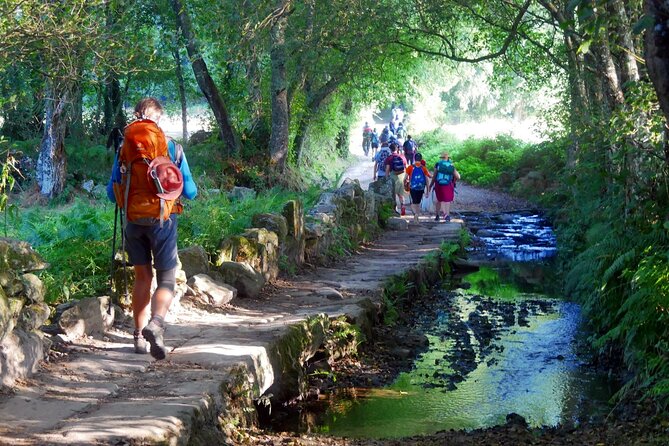
Day two starts with a walk shaped by woods, rivers, and small rural villages around pastures. The terrain is described as comfortable and without many slopes, which is exactly what you want after a rest day. Along the way, you will pass monuments like the Church of Ferreiros and the Church of Barbadelo.
Then Portomarín arrives with a twist. This town was relocated because the construction of the Belesar reservoir on the Miño river flooded the original settlement. On a clear day, you can even see the remains of old Portomarín at the bottom of the river. That is the kind of Camino detail you remember, because it explains why places look the way they do.
Time on the trail is about five hours. That makes it a great day for steady walking without feeling like every kilometer is a battle.
When you reach Portomarín, you get breathing room for local food and rest. I recommend using that time to do the very unglamorous stuff that keeps a Camino happy, like checking blister spots early and hydrating before dinner.
Day 3 to Palas de Rei: a Celtic detour plus Romanesque Vilar de Donas
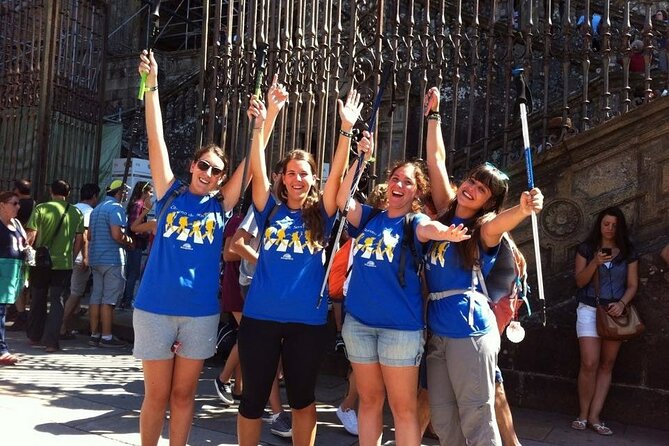
Day three mixes road and mountain for roughly 25 kilometers, with some slopes after you start. This is one of those days where you’ll feel your legs working, but the route is built to stay manageable. It is long enough to matter, but not the kind of day that breaks your confidence.
One of the most interesting add-ons on this day is a detour to the Castro de Castromaior, described as a Celtic town. It’s a reminder that Galicia’s Camino is not only about medieval pilgrims. Long before the signposts, people lived, built, and defended here.
Then you reach Vilar de Donas, where the monastery and church stand out as key examples of Romanesque architecture, with it being declared a National Monument in 1931. If you care about architecture, this is a great moment to slow down and look at stonework instead of just passing by.
Once you arrive in Palas de Rei, the town itself gives you more to connect with. It is described as having castrex roots, with archaeology such as mámoas, dolmens, and castros. For me, that makes the finish feel more meaningful than just checking in and sleeping.
Day 4 to Arzua: the 29 km push, Melide octopus, and Arzúa-Ulloa cheese
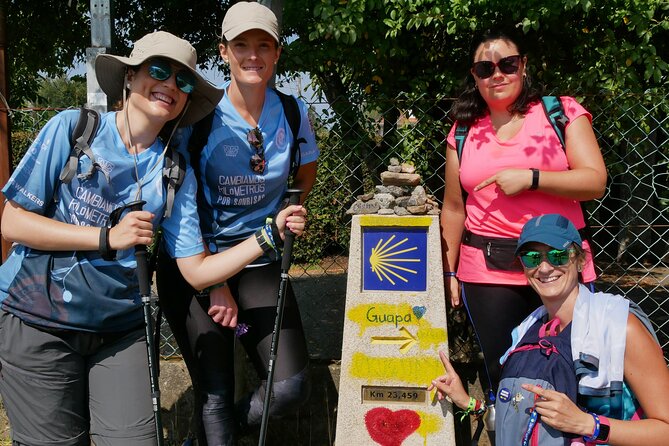
This is the longest day within the Galician section, at about 29 kilometers to Arzúa. The good news is that it is also described as one of the sections with the greatest scenic beauty, guided by dirt roads, lush forests, and medieval bridges. The not-so-good news is you still have a long day ahead, so pace matters.
The route also includes a mandatory stop in Melide, known as the capital of Galician octopus. This is a fun way to reset your energy, because it turns the middle of the day into a clear goal rather than just more walking.
After that, you keep going toward the end. When you reach Arzúa, you are rewarded with time to rest body and mind, plus a local food mission: Arzúa-Ulloa cheese, tied to the Denomination of Origin name.
How to make this day work in real life: treat Melide as your halfway mark, not just a snack stop. Eat enough, rest briefly, and get moving again while your muscles are still warm.
Also, plan for blisters. If you have even a tiny hot spot, deal with it early. A long day punishes delay.
Day 5 to O Pedrouzo: easier miles and the Santiago routine
Day five is shorter and less complex compared with the previous ones. The walking described is about six hours, and the terrain is flat and comfortable. That matters because your body is starting to remember the earlier days, especially after the 29 kilometer push.
You will find plenty of bars, shops, and places to rest. That is useful near Santiago because you can keep your schedule flexible without feeling trapped by distance.
The Camino ritual on this day is to go to bed early and get up early. That is not romantic, but it is smart. Santiago is a big day, and your mood improves when you arrive with energy instead of rushing.
When you reach O Pedrouzo, you are close enough to Santiago that the excitement starts to show in how people move. I like this day because it feels like a transition from trail mode into city mode, with less strain and more anticipation.
Day 6 to Santiago: Monte do Gozo payoff and Plaza del Obradoiro
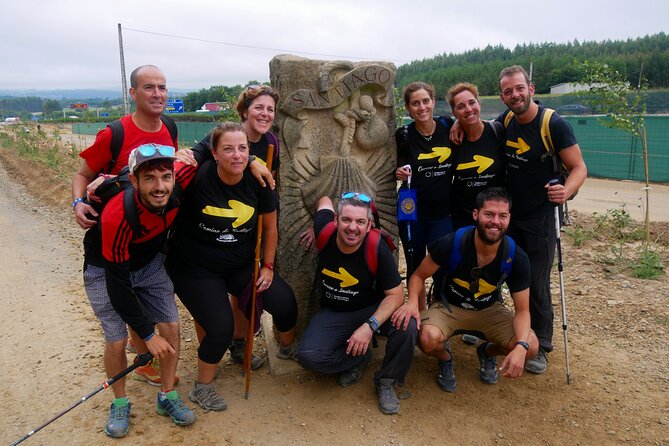
Day six is described as relatively short and without difficulty, which is exactly what you want on the approach day. The recommended plan is to get up early, arrive early, and make it to the pilgrim mass.
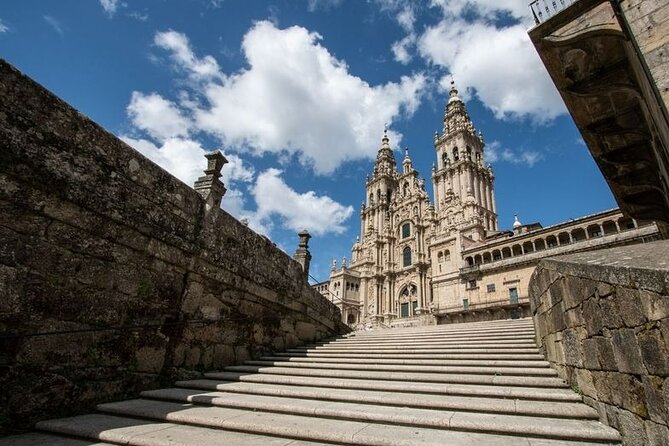
The moment that people remember most is when you arrive at Monte do Gozo. The name makes sense because you get that tingling feeling when you see the cathedral towers from a distance. Then you descend toward the city, and the blisters and fatigue have a way of fading as the final kilometers feel more like a transition into something bigger than walking.
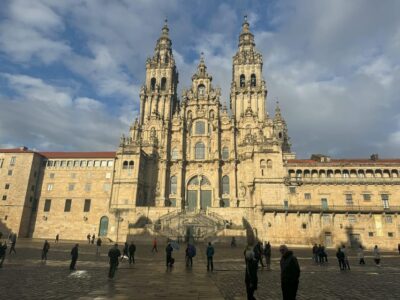
The big finish is the entrance to the Plaza del Obradoiro, often described as the most magical moment of the entire Camino. This is the point where the Camino stops being just a route and starts being a story you carry.
Once you are in Santiago, the old town has its own rhythm. You can stamp credentials at the stages, collect your Compostelas, then celebrate with an old town stroll, fresh beer with a tapa, and even local singing and dancing like a foliada. And yes, rain is part of the charm here, since wet stones can make everything feel extra cinematic.
Day 7 in Santiago: farewells, Compostela done, and what to do next
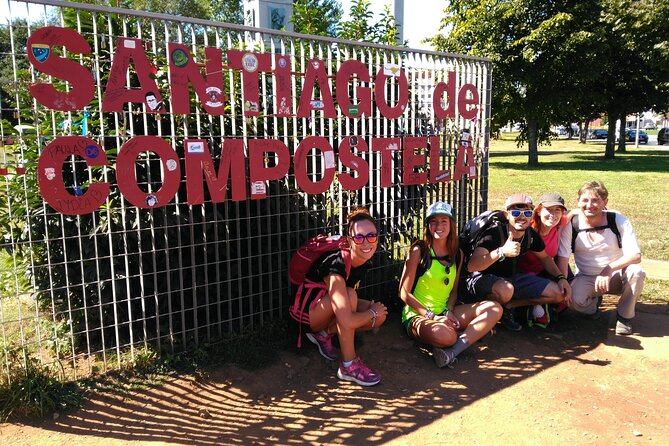
Day seven is for saying goodbye, and for many people it is also a beginning. You are done with the kilometers. Now you have time for the emotional afterglow: new friendships, shared stories, and the calm of realizing you finished.
Since the tour ends in Santiago de Compostela, you are well positioned to keep exploring. If you want a low-key final day, focus on the center and return to the cathedral area at a slower pace. If you want movement, you can add side walks around the old town and enjoy more tapas at a relaxed pace.
One thing I appreciate about ending here is that Santiago is not only a finish line. It is a city that can hold your attention for a day or two after the Camino. Even if you are the type who wants to keep moving, taking a full final day helps your body recover and your mind process what you just did.
If you are doing this as a milestone trip, plan for reflection. The walk can feel like a reset, and the final day helps you land softly instead of jumping immediately into your next flight.
What I recommend you do before and during the walk
Before you go, do two things: get your Camino basics ready and let the operator handle the schedule details. One practical tip that comes up in feedback is to wait on major travel spending until you receive the final list of hotels and dates. That keeps you from double-booking or scrambling mid-plan.
On the trail, I’d treat early mornings as non-negotiable, especially once you get close to Santiago. The tour’s rhythm already nudges you that way, and it pays off when you want to arrive early for mass and enjoy the day without sprinting.
Also keep an eye on support. On the road, there is an emergency assistance phone listed for travelers, and the idea is that calls should go through that on-road number rather than waiting for messaging apps. If you need help, it is better to use the right channel quickly.
Finally, embrace the food cues as part of the itinerary. Melide octopus and Arzúa-Ulloa cheese are not random stops, they are morale boosters that line up with longer effort days.
Should you book this Sarria to Santiago option?
I think this tour is a smart choice if you want the French Way experience without turning your trip into a logistics project. The luggage transfer and the pilgrim credential are big comfort wins, and the day-by-day pacing gives you a real sense of accomplishment, not just a blur of miles.
Book it if you:
- want the classic Sarria-to-Santiago structure in English
- like having hotels and key moments handled
- are okay with one longer day near 29 kilometers and planning your pace
I would hesitate if:
- you want maximum freedom to change stages on the fly
- you hate fixed schedules or prefer to carry your own bag
- you are looking for luxury accommodations at every stop, since this is still rooted in real rural lodging options
Overall, this is a well-scaffolded Camino for people who want to walk, stamp, eat, and arrive at Obradoiro feeling proud, not overwhelmed. If that sounds like your style, you’ll likely feel right at home on this week-long stretch.
FAQ
Where does the tour start and end?
It starts in Sarria (27600 Sarria, Lugo, Spain) and ends in Santiago de Compostela (Municipality of Santiago de Compostela, A Coruña, Spain).
What time does the tour start on the first day?
The start time is listed as 8:00 am.
How long is the Camino from Sarria to Santiago?
The tour lasts 7 days, approximately.
What is included for luggage during the walk?
Luggage transportation is included between stages, so you can walk without carrying your bag.
Do I receive a pilgrim credential to stamp?
Yes, you receive an official pilgrim’s credential to stamp at each stage.
Is travel insurance included?
Yes. Travel insurance is included for foreigners to provide peace of mind during the trip.
Are meals included?
Breakfast is included 6 times during the tour.
Is the tour available in English, and do I get a mobile ticket?
Yes, it is offered in English, and you receive a mobile ticket.
Are flights included in the price?
No, flights are not included.
Santiago de Compostela and Galicia, side by side.
 ★ 4.7From Santiago: Finisterre, Muxia & Costa da Morte ExcursionFrom $561,481 reviews
 ★ 5.0Excursion to Finisterre + Muxia + Costa da Morte (7 stops)From $591,367 reviews
 ★ 4.7Santiago de Compostela Full-Day Tour From PortoFrom $931,036 reviews
 ★ 5.0Finisterre and Costa da Morte: The Most Complete Tour of SantiagoFrom $59733 reviews
 ★ 4.6From Santiago: Finisterre, Muxia, Ézaro – 7 stops day tourFrom $56553 reviews
 ★ 4.7Santiago de Compostela: Finisterre, Muxia & Costa da MorteFrom $58526 reviews
 ★ 4.6Santiago de Compostela Cathedral and Museum Guided TourFrom $29511 reviews
 ★ 4.5Visit to the Cathedral of Santiago + Portico de la Gloria OptionFrom $26503 reviews
This tour also sits in