
Reviewed · EL ESCORIAL, ARANJUEZ AND ALCALÁ TRIPS
San Lorenzo de El Escorial: Monastery and Site Guided Tour
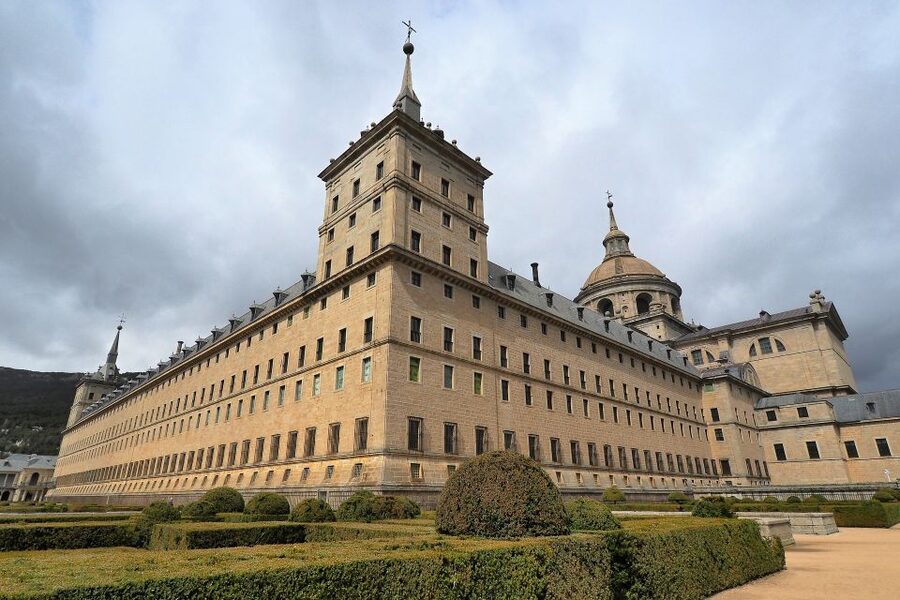
Two hours inside San Lorenzo de El Escorial feels like walking through Spain’s statecraft. This UNESCO-listed Renaissance monument near Madrid is famous for its ideas, not just its size, and a good guide helps you see the point of every corridor. The big theme here is Philip II and the Spanish Golden Age, told through architecture you can actually read.
I love how the tour turns the building into a story, moving you from the sacred heart to the more political spaces without making it feel like a lecture. I also love the stop at the Royal Library, because it explains why Philip II gathered books and how that humanist goal fits into the monastery’s power.
One thing to consider: the rules inside are real. Plan on no large bags, and dress in a way that fits the site (no sleeveless shirts or short skirts), plus keep your voice down.
In This Review
- Quick hits
- El Escorial is a monastery with a mission
- Finding the entrance and getting oriented fast
- The basilica: where the building sets the tone
- The Battle Hall: Spain’s Golden Age in one major stop
- Pantheon and royal rooms: where rule meets remembrance
- Royal Library: the power of books at Philip II’s scale
- How the 2-hour tour pacing works
- Price and value: what you get for $47
- Who should book this tour
- Practical tips so the visit feels smooth
- Should you book San Lorenzo de El Escorial?
- FAQ
- How long is the San Lorenzo de El Escorial monastery guided tour?
- What is included in the $47 per person price?
- Where do I meet the guide?
- Do I need to bring anything?
- Is the tour offered in Spanish?
- Are there any restrictions on bags or clothing?
Quick hits
- UNESCO Royal Monastery: a Renaissance complex you will understand faster with a guide
- Philip II and the Spanish Golden Age explained through rooms, not just dates
- Basilica, Battle Hall, and Pantheon in one focused circuit
- Royal Library as a statement of power and humanist ambition
- A 2-hour pace that keeps momentum, even if you like to linger
El Escorial is a monastery with a mission
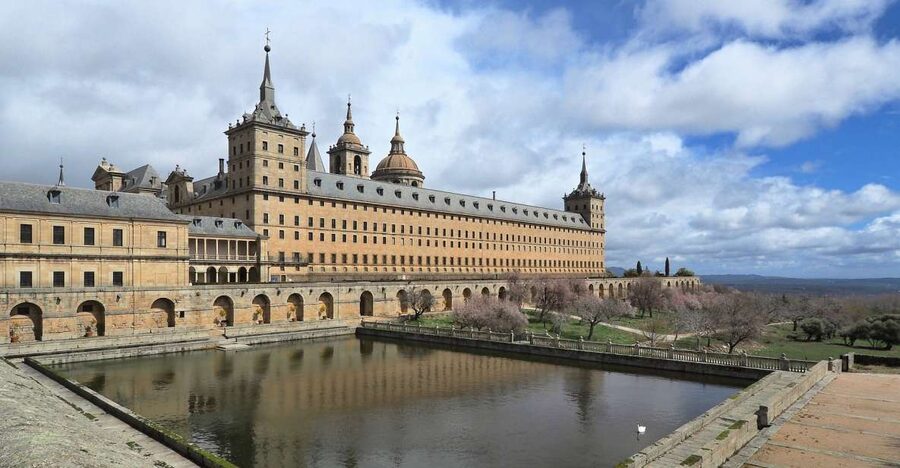
San Lorenzo de El Escorial is often described as a Renaissance marvel, and that is true. But what makes it worth your time is that it is also a big political and cultural message, built in stone. You come expecting architecture, and you end up learning why Spain wanted to look strong, disciplined, and intellectually serious during the Spanish Golden Age.
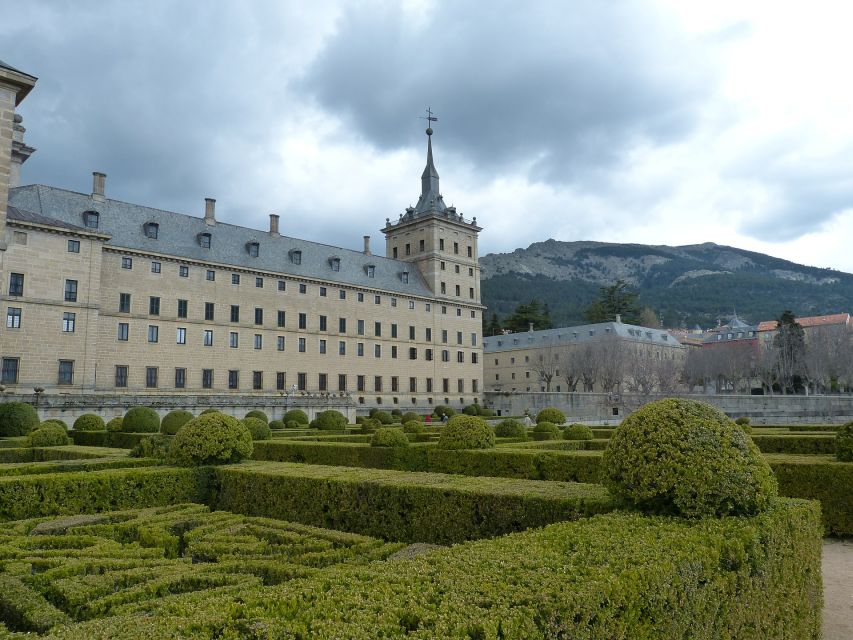
This site is commonly associated with Philip II, and you will feel his influence in the way the complex is organized. The monastery is sometimes described as grill-shaped, a form that helps create order and rhythm as you move through it. When you are there with a guide, the shape stops being a trivia fact and starts to make sense as a planning tool.
If you care about how power worked in the 1500s, this tour gives you a practical entry point. The guide connects the religious purpose of the monastery with the state-minded worldview of the time. That balance is the difference between seeing rooms and actually understanding them.
Finding the entrance and getting oriented fast
You will want to arrive about 15 minutes early, because you need to exchange your voucher before you start. The meeting point is at the access door to the monastery, the main entrance with the flag of Spain at the top, and the guide is waiting with a blue umbrella from Todo Tours.
That small detail matters more than you might think. El Escorial can feel like a maze, and once you get inside, you want to get your bearings early. A guided start helps you learn where you are in the big layout, so you spend your energy looking, not searching.
Also note the simple reality of this visit: you are inside a major historic religious building. That means you will see rules in action. You’ll need a passport or ID card, and you should plan to travel light since luggage or large bags are not allowed.
Same idea, different operator. Our other El Escorial, Aranjuez and Alcala Trips
The basilica: where the building sets the tone
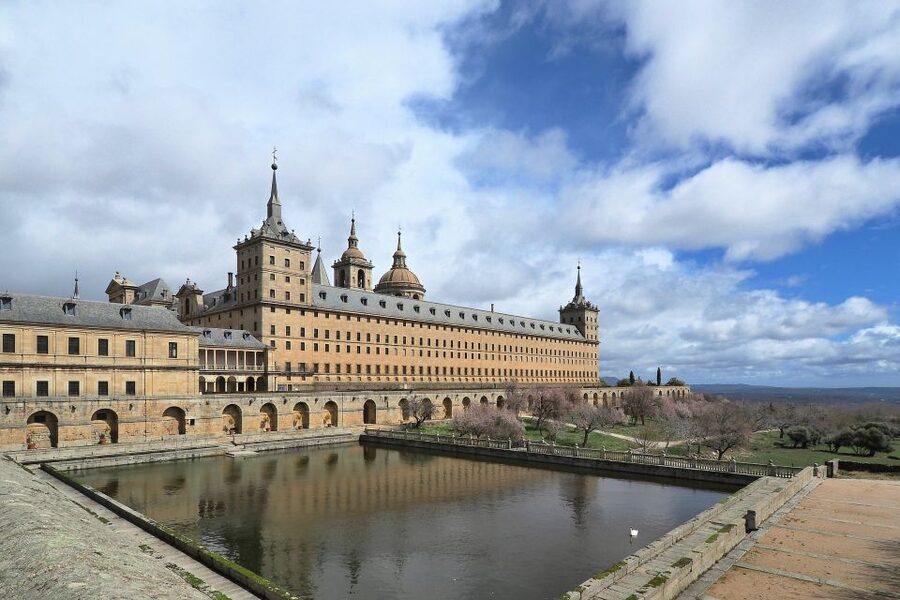
The tour typically begins by taking you into the heart of the complex: the basilica. This is the part that immediately tells you how seriously the Spanish crown took faith and ceremony. Even if you do not consider yourself a religious-history person, the basilica is where the architecture speaks the loudest.
When you stand in the basilica area with a guide, listen for how the layout supports ritual and authority. You’re not just looking at decoration. You’re seeing how a place of worship could also function as a stage for royal identity.
A practical tip: take a moment at each main stop and look for how visitors flow. The power of a guided tour here is that it slows you down at the right moments, so you notice relationships between spaces. Without that, you can rush through the most important room and miss the logic.
The Battle Hall: Spain’s Golden Age in one major stop
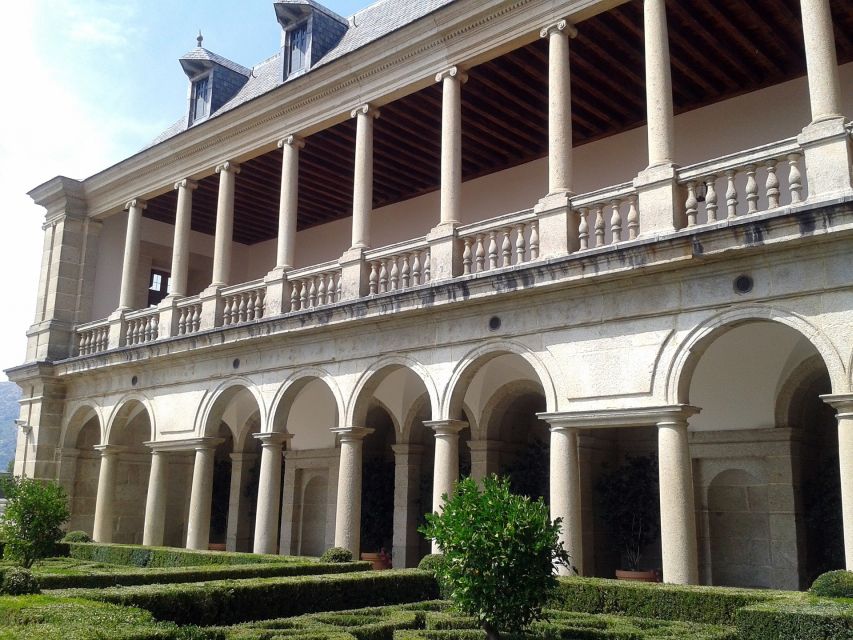
One of the standout rooms on this tour is the Battle Hall. This is where the monastery starts to feel less like a quiet retreat and more like a royal showcase.
The name alone gives you a clue: it’s a place tied to victory themes, and it helps explain how the Spanish monarchy framed conflict as part of a larger national mission. With a guide guiding your attention, you will understand that the hall is not only about what happened, but about what Spain wanted people to believe about itself.
Look at how the room supports that message. The design encourages the same feeling from wall to wall, which makes it easier to connect art and meaning. If you are the type who usually reads every sign, you will still get value here because the guide translates symbolism into plain language.
Pantheon and royal rooms: where rule meets remembrance
Next comes a shift from public power to memory. The pantheon is a powerful stop because it ties the monarchy to place, not just time. You get the sense of permanence, and you also learn why the monastery became a burial center for Spanish royalty.
One of the reasons people rave about this monument is that it is not a generic palace feeling. It’s a monastery, and yet it functions like a national monument for the rulers it holds. You may hear explanations about how nearly all Spanish kings are buried here, which gives the pantheon a scale that goes beyond one family.
After that, you move through palatial rooms. This is where you see how the monarchy’s daily world and ceremonial world overlap. The guide helps you connect these rooms back to the larger theme: the Spanish crown wanted to project legitimacy, discipline, and cultural ambition all in one complex.
If you like interior spaces, this is your stretch. If you get tired easily on walking tours, pace yourself. Sit when you can. Take a photo, but spend more time looking than photographing.
Royal Library: the power of books at Philip II’s scale
The Royal Library is the stop that often seals the deal for people. It is not just a room with shelves. It is presented as a Renaissance statement of power and a humanist ambition.
Philip II’s collection of volumes is the key idea. The guide’s job is to show why books mattered to the reign of someone who was also building an enormous religious and royal monument. In other words, it’s the intellectual side of authority.
When you reach the library, slow down and watch how the space frames the collection. Even if you cannot read everything, you can still sense how the monarchy treated knowledge as a tool. That is the kind of connection that a self-guided visit can struggle to provide, especially if you are bouncing around without a narrative thread.
For you, this is probably the moment that turns El Escorial from impressive to memorable.
How the 2-hour tour pacing works
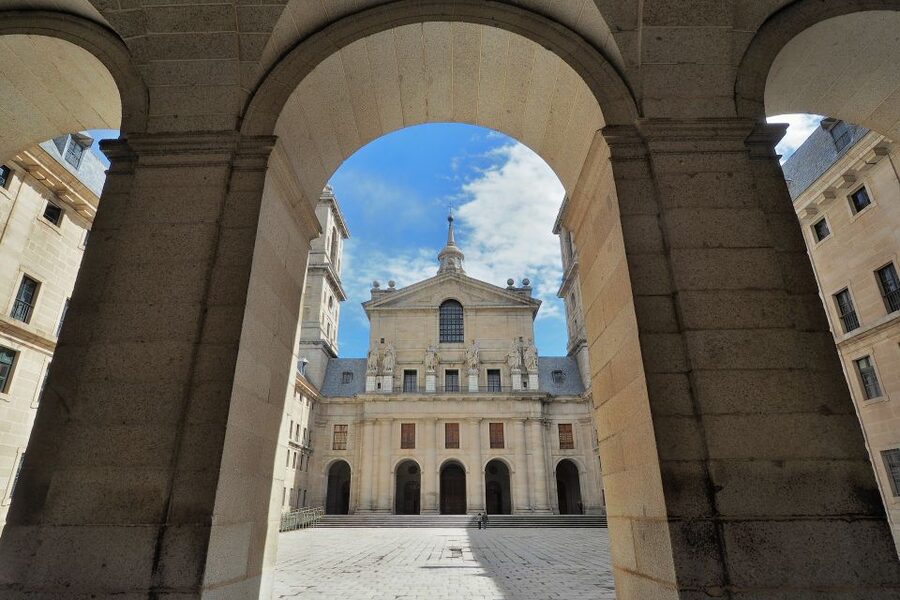
This is a 2-hour guided experience, and it is designed to cover the essentials without you wandering for hours. That is a real advantage because El Escorial is big, and the site’s layout can make independent time feel longer than expected.
The tradeoff is that the pace is focused. If you are the type who loves lingering with slow, quiet photos, you might wish you had more time in your favorite room. You can fix that by planning a follow-up hour on your own after the tour, if your schedule allows.
The good news is that the tour wraps up right near the entrance after unveiling the major highlights. That makes it easy to continue your day without feeling stuck inside.
Price and value: what you get for $47
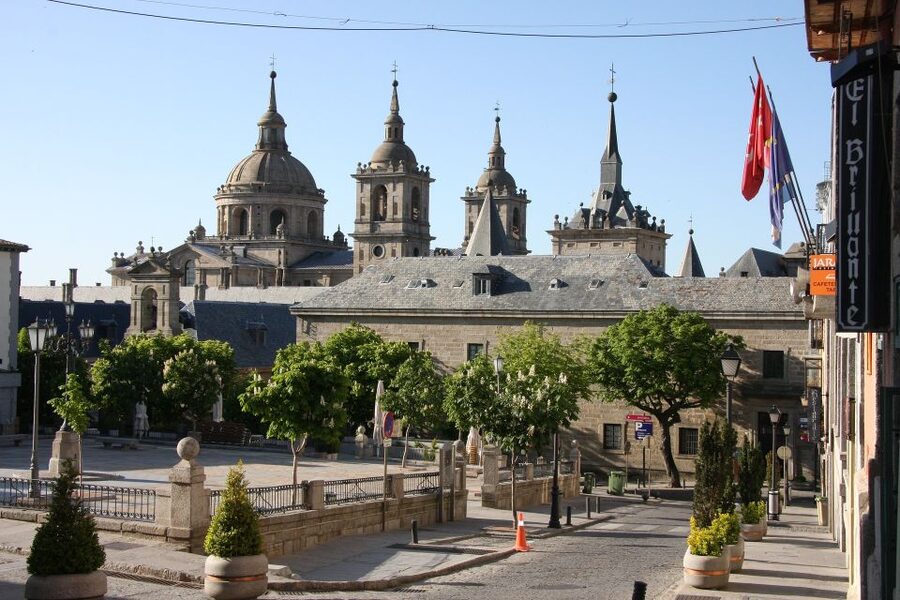
At $47 per person, you are paying for two things that matter here: a guided interpretation and an entry ticket to the monastery.
If you were going to spend money only on the entry ticket, you might still feel like you needed help making sense of the bigger picture. A guide gives you that structure, especially around the reign of Philip II and the way the building expresses Spanish Golden Age aspirations. When a tour explains why the monastery looks the way it does and what each major room is trying to communicate, the cost starts to look more reasonable.
Also, guides here seem to be a major strength. People specifically praise guides such as Alejandro, Isabella, and Marta for making the history clear and interesting, with humor and energy. Even with a Spanish-led tour, the presentation style comes through in a way that helps you follow.
Value for you is simple: if you want meaning, not just sightseeing, this is the right format.
Who should book this tour
Book this guided tour if you:
- Want Renaissance architecture explained through the Spanish Golden Age and Philip II
- Prefer a guided route so you do not get lost in a large complex
- Care about the relationship between religion, monarchy, and culture
- Want the Royal Library included as a meaningful stop, not an afterthought
Skip it or add your own time if:
- You dislike rules and quiet behavior in historic sites
- You plan to carry large bags (they are not allowed)
- You hate a timed visit and need long, slow pauses in every room
It also helps if you can handle a Spanish-language guide. The tour is listed as Spanish, but several guides have been described as especially strong in communication, including one guide whose English was reported as excellent. Still, assume Spanish is the norm and choose accordingly.
Practical tips so the visit feels smooth
- Bring your passport or ID card. This is not optional.
- Dress for a conservative historic site. Short skirts and sleeveless shirts are not allowed, so plan something with coverage.
- Keep it quiet. Making noise is not allowed.
- Travel light. Luggage or large bags are not permitted.
- If you want the easiest start, arrive 15 minutes early and find the blue umbrella at the main entrance with the flag of Spain.
If you are visiting in a wheelchair, good news: the activity is listed as wheelchair accessible.
Should you book San Lorenzo de El Escorial?
I think you should book this tour if your goal is understanding, not just ticking off a landmark. El Escorial is too important to treat casually. With a guide, the basilica, Battle Hall, pantheon, palatial rooms, and the Royal Library stop being separate sights and start feeling like one coherent statement about Philip II and the Spanish Golden Age.
If you are already strong in Spanish history and architecture and you like wandering, you might manage without a guide. But if you want to get your bearings fast and connect what you see to why it was built, the guided format is the smart move for most people.
My bottom line: at $47 with entry included and a tight 2-hour narrative, this is a high-value way to experience one of Spain’s most significant Renaissance monuments near Madrid.
FAQ
How long is the San Lorenzo de El Escorial monastery guided tour?
The tour lasts 2 hours.
What is included in the $47 per person price?
The price includes a tour guide and an entry ticket to the Monastery.
Where do I meet the guide?
Meet at the access door to the monastery, the main entrance with the flag of Spain at the top. The guide is waiting with a blue umbrella from Todo Tours. Arrive about 15 minutes early and exchange your voucher at the meeting point.
Do I need to bring anything?
You should bring your passport or ID card.
Is the tour offered in Spanish?
Yes. The live tour guide language is Spanish.
Are there any restrictions on bags or clothing?
Yes. Luggage or large bags are not allowed, and short skirts and sleeveless shirts are not allowed. Swimwear is not allowed, and you should avoid making noise.
Keep browsing El Escorial, Aranjuez and Alcala Trips
- From Madrid: El Escorial, Valley and Segovia Day Trip
★ 4.5 · 134 reviews
Fresh off the desk: recent El Escorial experiences we have written up
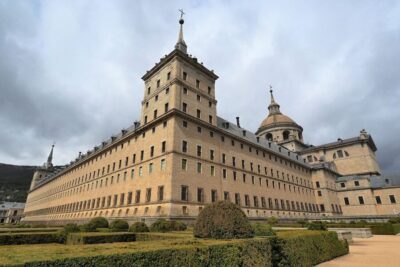
El Escorial, Aranjuez and Alcalá Trips, side by side.
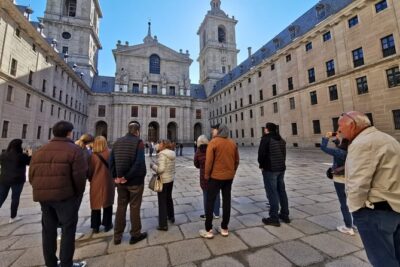 ★ 5.0Escorial Monastery and the Valley of the Fallen Tour from MadridFrom $742,494 reviews
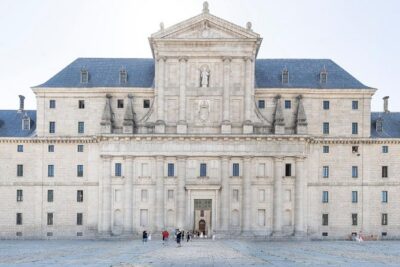 ★ 4.0Escorial Monastery and the Valley of the Fallen from MadridFrom $791,023 reviews
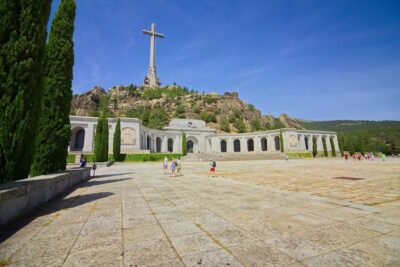 ★ 4.4From Madrid: El Escorial and Valley’s Basilica Half Day TourFrom $78638 reviews
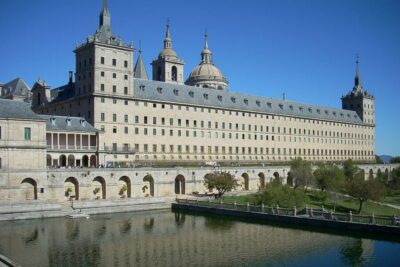 ★ 4.4From Madrid: Escorial Monastery & Valley of the Fallen TripFrom $78389 reviews
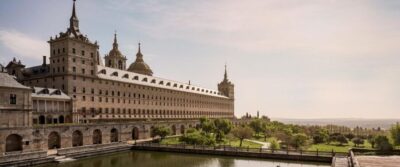 ★ 4.4Royal Site of San Lorenzo de El Escorial Entrance TicketFrom $21239 reviews
 ★ 4.5Day Tour to Chinchón, Aranjuez and Toledo from MadridFrom $77142 reviews
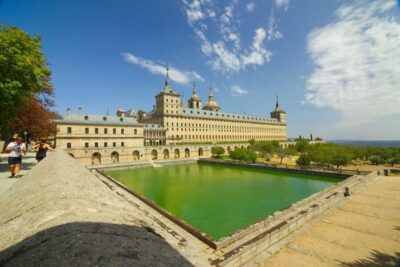 ★ 4.5From Madrid: El Escorial, Valley and Segovia Day TripFrom $105134 reviews
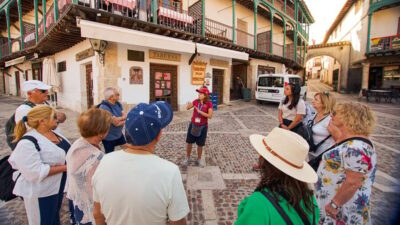 ★ 4.3From Madrid: Guided Day Trip to Chinchon, Aranjuez & ToledoFrom $75132 reviews
This tour also sits in