
Reviewed · EL ESCORIAL, ARANJUEZ AND ALCALÁ TRIPS
Royal Site of San Lorenzo de El Escorial Entrance Ticket
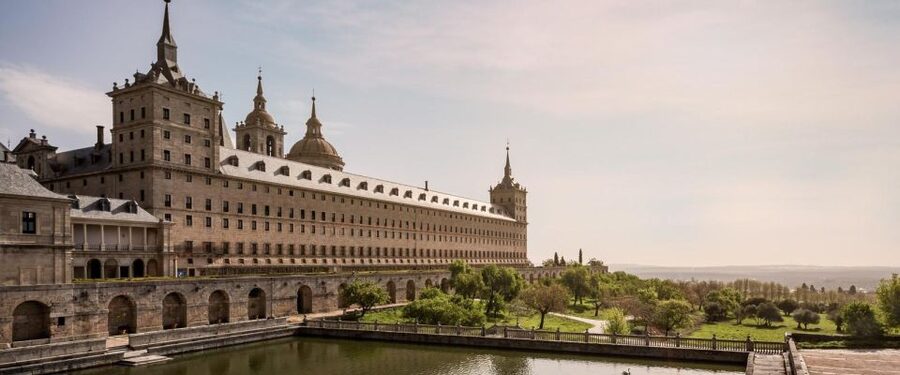
El Escorial looks grim from outside, then surprises you. This Royal Site ticket gets you into a massive Spanish power complex tied to Philip II and the Spanish Golden Age, where quiet corridors turn into jaw-dropping art-filled rooms.
I especially love the way the complex reads like a map of royal ambition, from the monastery roots to the palace spaces. Second, I like that you can explore at your own pace and still hit the big-ticket sights, including the Basilica and the carefully kept gardens.
One drawback to plan around: this option is admission only, so if you want full context as you walk, you will need to rely on signage or add an audio or guide elsewhere, since no guide is included.
In This Review
- Key highlights you should care about
- Royal power in stone: what El Escorial really feels like
- Planning your day trip from Madrid: train first, then the uphill walk
- Getting in smoothly: what the express security check means for your time
- Inside San Lorenzo: Renaissance buildings you can navigate at your own pace
- Library to palace spaces: the St. Jerome to royal blend
- The Basilica and the artwork that took years
- Royal crypt and the Charles V connection
- Gardens, outdoor views, and the Sierra de Guadarrama mood
- Where the Valley of the Fallen fits into the bigger picture
- Price and value: is $21 for admission a good deal?
- Self-guided or guided? How to choose based on your style
- Who this ticket suits best, and who may need a different plan
- Should you book this Royal Site of San Lorenzo de El Escorial ticket?
- FAQ
- What is included in the Royal Site of San Lorenzo de El Escorial entrance ticket?
- Is a guide included with this activity?
- How long is the visit?
- Does the ticket help you avoid long waits?
- How much does the ticket cost?
- When will I receive confirmation after purchasing?
- Is the ticket refundable?
- Is this suitable for people with mobility impairments?
- What are the main places you can expect to see?
Key highlights you should care about
- Express security check to speed up the entry moment
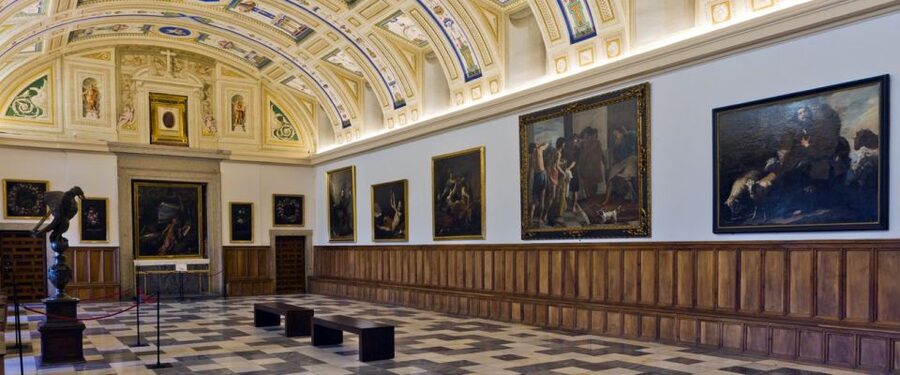
- San Lorenzo de El Escorial interior with frescoes, royal decoration, and standout Renaissance rooms
- Renaissance buildings and gardens that feel designed for walking, not just staring
- Royal connections tied to Charles V and his wife, plus a royal crypt
- Basilica sighting and big-scale religious architecture tied to the era
- Sierra de Guadarrama views that make the day feel bigger than a museum stop
Royal power in stone: what El Escorial really feels like
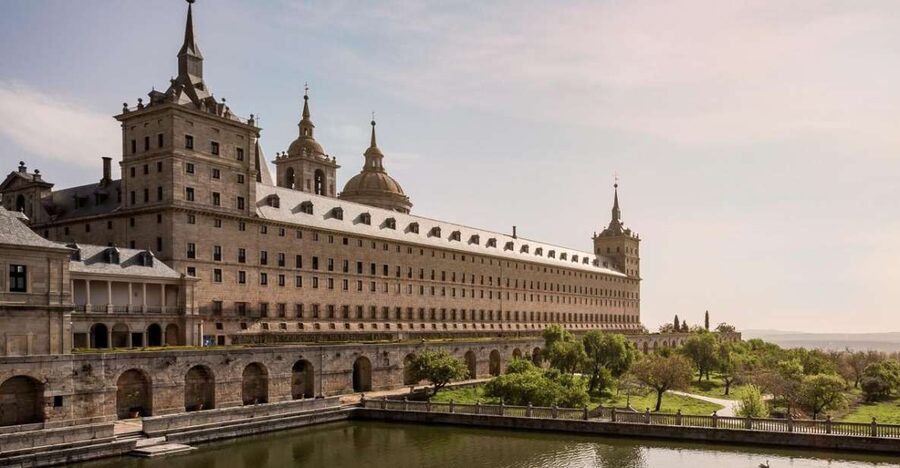
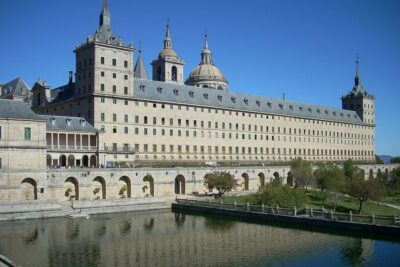
San Lorenzo de El Escorial is the kind of place that forces you to slow down. From the outside, it can seem severe and even prison-like, which is exactly what makes the interior punch so hard. Once you get inside, the tone changes quickly, with color, ornament, and a sense of design that was meant to impress.
What makes it especially interesting is that it is not just one thing. It was built for the monks of the Order of St. Jerome, but it also functioned as a royal complex, blending sacred space, administrative space, and palace life under one monumental roof. That mix helps you understand why the Spanish monarchy invested so heavily in symbolism and architecture.
If you like places where art and politics overlap, this is a very good match. And if you prefer a strictly guided format, you might want to pair this ticket with extra interpretation, because the structure is large and you can miss connections if you rush.
Planning your day trip from Madrid: train first, then the uphill walk
A big value of this experience is that the trip is simple. You can get to El Escorial by train in under an hour from Madrid, then walk from the station up to the monastery area. Expect a pleasant 25 to 30 minute uphill walk, which is long enough to get your legs warm but not so long that it turns into a mission.
This walk matters because it sets the mood before you even enter. You start seeing how the complex sits in the landscape, and that makes the later views of the surrounding mountains feel more earned. If you come on a foggy or cold day, you can still enjoy the experience, but dress for chill and damp, since outdoor time happens before you get the interior warmth.
One planning note that will save you stress: choose a start time that gives you enough daylight to enjoy the gardens. If you arrive late, you can still do the core buildings, but the outdoor experience will be shorter.
Same idea, different operator. Our other El Escorial, Aranjuez and Alcala Trips

Getting in smoothly: what the express security check means for your time
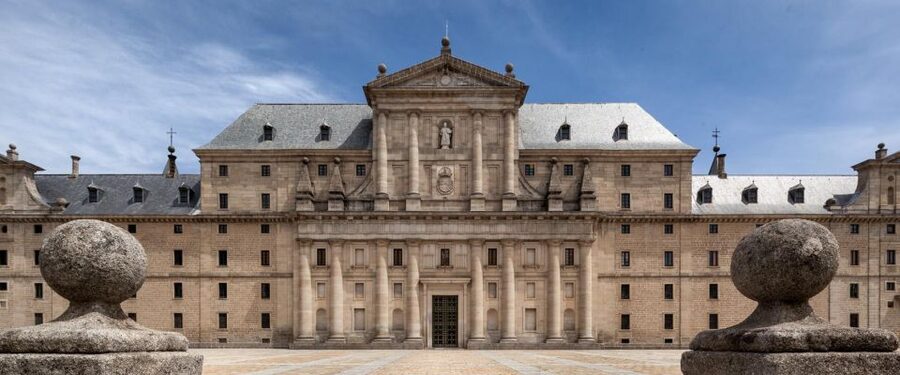
This ticket includes admission and also a smoother entry via an express security check. In practice, that is the kind of small service that can make a large difference at a busy site, especially when you are trying to fit everything into one day.
Also, because this is not a guided tour, your flow depends on you. You will need to manage your own entry timing, find the main rooms efficiently, and decide how long to linger in each space. If you thrive with a self-guided plan, you will probably love that freedom.
Make your plan simple: arrive, scan the site orientation info, then move in an order that matches your interests. People who try to bounce randomly often end up retracing steps in a complex this big.
Inside San Lorenzo: Renaissance buildings you can navigate at your own pace
Once you enter, you are stepping into a layout designed to be experienced on foot, not just photographed. The complex has an unusually preserved feel, with an untouched layout that remains largely unaltered to this day. That matters, because you are not just looking at restored highlights, you are walking through an arrangement that still makes sense as a functioning royal and religious space.
A practical way to think about it is this: the site is built so you can move from one purpose to another as you go. You start in monastic territory, then you encounter palace spaces and formal religious areas. That gradual shift is one reason the complex feels coherent instead of random.
Look for the internal rhythm as you walk: rooms that feel more private and contemplative, then spaces that feel designed for ceremony and display. If you keep that in mind, you will understand why the architecture is so confident, even when the building looks plain or severe from the outside.
Library to palace spaces: the St. Jerome to royal blend
One of the most compelling ideas here is the building’s origin. The monastery of San Lorenzo el Real was created for the monks of the Order of St. Jerome, and you can feel the original sacred purpose in how spaces relate to each other.
At the same time, this was not a monastery that lived only in quiet isolation. The complex connects to important royal figures, including Emperor Charles V and his wife, who once lived there. Even if you do not know the full story before arriving, you will likely notice how carefully the royal and religious functions are linked.
As you move through the library to palace areas, try to pay attention to transitions. Those transitions help explain how power worked in that era, where religious authority, learning, and monarchy were not separate worlds.
If you enjoy architecture and design, this is one of the days where paying attention to how the building guides your movement is part of the fun.
The Basilica and the artwork that took years
The Basilica, erected in 1574, is the kind of focal point that reorganizes your attention as soon as you reach it. The site’s scale makes it tempting to rush, but the best approach is to slow down at the most finished, most ceremonial-looking spaces.
This is also where you will find the long-term effort behind the art. The basilica artwork took years to complete, and that time investment shows in the feeling of deliberate detail. You might not catch every artistic nuance without a guide, but you will still feel the seriousness of the space.
If your walking pace is quick, you can still see it in a single loop. Still, I recommend saving a little time here, because this is the area that most strongly communicates the identity of El Escorial as a royal-religious statement.
Royal crypt and the Charles V connection
El Escorial is not just about buildings. It is also about who is buried and remembered within those walls. A key highlight is the crypt, where royals connected to the site once lived or are honored.
Charles V and his wife come up as part of the royal layer of the complex. Even if you are not a deep reader of Spanish imperial history, this connection helps you make sense of why the building is so monumental and why the royal presence feels built into the architecture.
What I like about the crypt and royal connections is that they add weight to the walk. The complex can feel like a museum from far away, but the royal burial element makes it more human, more personal, and more grounded.
Gardens, outdoor views, and the Sierra de Guadarrama mood
After the main buildings, the outdoor spaces can be a reset for your brain. The gardens are presented and maintained well, and they give the whole day a lighter pace than the interior corridors.
On clear days, you get impressive views over the surrounding landscape, including the Sierra de Guadarrama mountain range. Even on a foggy, cold day, you can still enjoy the gardens, but you will likely get more atmosphere than panoramic clarity.
This is where timing matters. If you finish outside too early, you miss how the light changes. If you finish outside too late, you lose the best of the garden rhythm.
If you want a practical plan, aim to do one indoor cluster, take a break to regroup, and then let the gardens and viewpoints close out your visit.
Where the Valley of the Fallen fits into the bigger picture
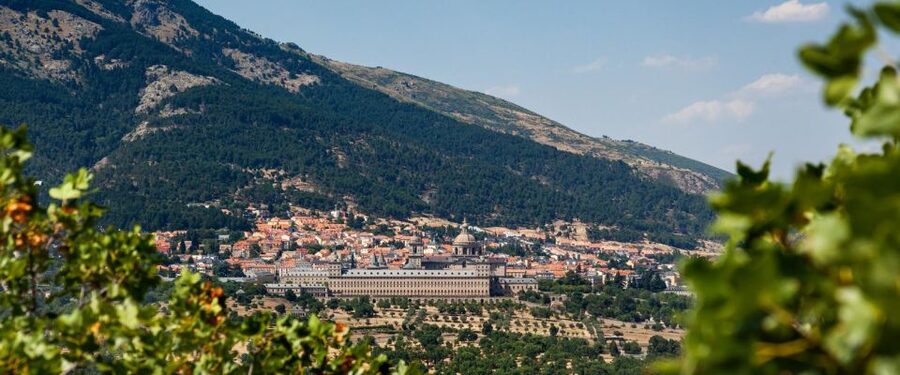
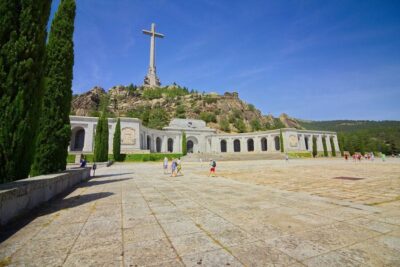
One of the highlights is that you can view the Valley of the Fallen’s basilica from the El Escorial area. That sightline turns your visit into more than a single-site stop.
You start to connect how monumental architecture shaped Spanish public identity across eras, not just during Philip II’s reign. When you can see another major religious landmark from here, it helps you understand how geography and power were connected visually.
Treat this as a moment to look outward and reframe the day. You are still at El Escorial, but you are thinking in a larger historical and spatial way.
Price and value: is $21 for admission a good deal?
At $21 per person, this is priced as an admission ticket with added entry convenience through express security. For a site this large, value depends on what you want most: freedom to explore versus structured interpretation.
If you are comfortable reading on-site info and moving at your own pace, admission-only can be an efficient, low-stress way to see the core spaces. You are paying for access, plus a time-saver at entry, not for a guide’s narration.
If you want guided storytelling, the cost might feel incomplete because a guide is not included. In that case, you can still book this ticket and add interpretation elsewhere, but you should plan for that need before you arrive.
One more value point: the site’s layout is largely unaltered, which makes a self-guided visit feel more authentic. You are not just seeing highlights, you are walking through the original organization of functions.
Also, this experience has a strong overall rating, 4.4 out of 5 from 239 reviews, which is a decent signal that most people are satisfied with the experience quality for the price.
Self-guided or guided? How to choose based on your style
Because the ticket does not include a guide, the experience works best when you enjoy figuring things out as you go. If you like reading the room, scanning displays, and choosing your own tempo, you will probably appreciate the freedom.
If you want the full impact of Spanish Golden Age context, I would consider adding guidance. One of the most consistent messages from people who did not get the full story is that the building deserves more than a quick walk. Even a short guided segment could help connect what you are seeing to why it mattered.
Your best strategy is to match your expectations. If you think you are booking a narrative tour, you may feel disappointed. If you think you are booking admission to a major royal site, you will likely feel satisfied.
Who this ticket suits best, and who may need a different plan
This is a strong fit if you:
- Enjoy royal and religious architecture
- Want a self-paced day trip from Madrid
- Like gardens and viewpoints as part of the day, not only interior rooms
- Prefer paying for access and controlling your own time
It is not a great fit if you have mobility impairments, because the tour is marked as not suitable for that need. It is also worth thinking twice if you know you get lost easily in large, multi-room complexes and need step-by-step help.
Finally, if you are the type who likes clear coordination, double-check your entry instructions before you go. Some problems can happen when people arrive expecting a guided meeting point. Since the included service is admission, you should expect to manage your own route once inside.
Should you book this Royal Site of San Lorenzo de El Escorial ticket?
Yes, if you want a meaningful Spanish royal-site visit without paying for a full guided tour. This $21 admission ticket gives you access to a complex that is largely unaltered, with major highlights like the Basilica, gardens, and royal areas.
I would book it especially if you can handle self-guided navigation and you enjoy architecture that mixes monastic purpose with royal power. The express security check is a nice practical perk, and the day trip setup from Madrid is efficient.
Skip the booking only if you strongly need a guide for interpretation, or if mobility concerns will limit your ability to move through the complex. If either of those apply, you may want to look for a guided version instead of admission-only.
If you do book, plan your order, give the Basilica enough time, and save energy for the gardens and mountain views. That combination is where El Escorial goes from impressive to memorable.
FAQ
What is included in the Royal Site of San Lorenzo de El Escorial entrance ticket?
The ticket includes admission.
Is a guide included with this activity?
No, a guide is not included.
How long is the visit?
The activity is listed as lasting 1 day, with starting times based on availability.
Does the ticket help you avoid long waits?
Yes. It includes an express security check.
How much does the ticket cost?
The price is listed as $21 per person.
When will I receive confirmation after purchasing?
You should receive ticket confirmation within 48 hours.
Is the ticket refundable?
No. This activity is non-refundable.
Is this suitable for people with mobility impairments?
No. It is listed as not suitable for people with mobility impairments.
What are the main places you can expect to see?
You can explore the monastery interiors, Renaissance buildings and gardens, the Basilica area, and you can view the Valley of the Fallen’s basilica and the Sierra de Guadarrama mountain range.
Keep browsing El Escorial, Aranjuez and Alcala Trips
- From Madrid: Escorial Monastery and the Valley of the Fallen
★ 4.7 · 1,434 reviews
Fresh off the desk: recent San Lorenzo De El Escorial experiences we have written up
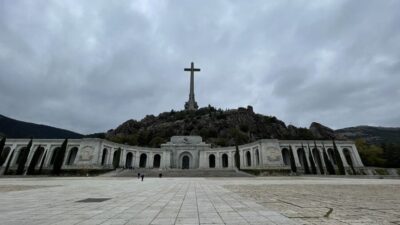
El Escorial, Aranjuez and Alcalá Trips, side by side.
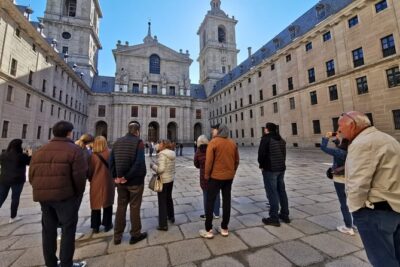 ★ 5.0Escorial Monastery and the Valley of the Fallen Tour from MadridFrom $742,494 reviews
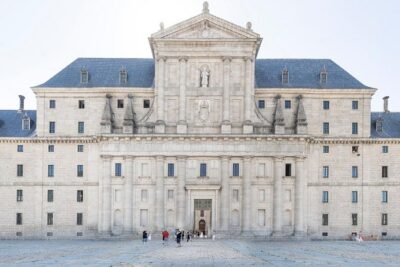 ★ 4.0Escorial Monastery and the Valley of the Fallen from MadridFrom $791,023 reviews
 ★ 4.4From Madrid: El Escorial and Valley’s Basilica Half Day TourFrom $78638 reviews
 ★ 4.4From Madrid: Escorial Monastery & Valley of the Fallen TripFrom $78389 reviews
This tour also sits in