
Reviewed · TENERIFE ISLAND EXCURSIONS
Tenerife: Los Arcos Canyoning Tour with Guide
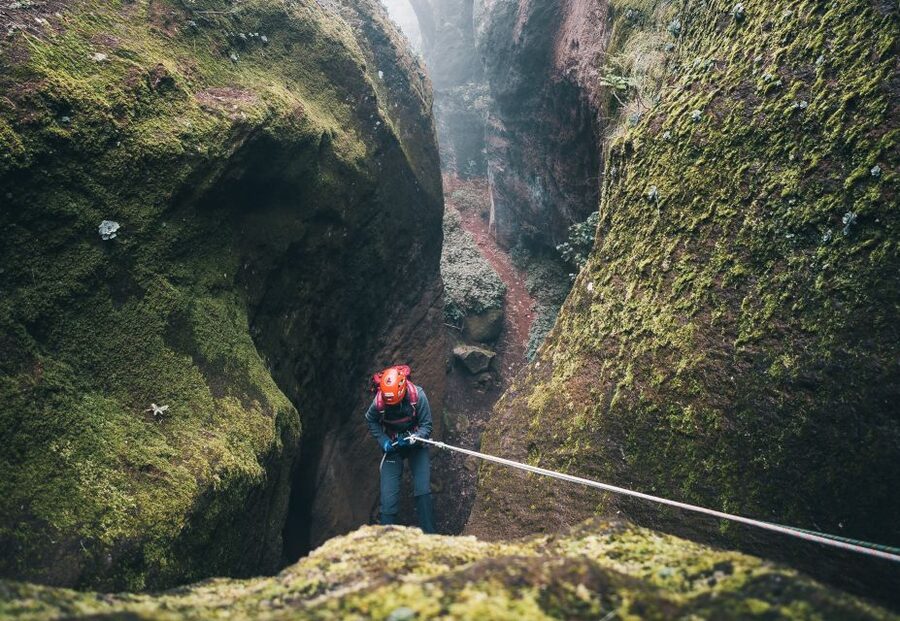
Orange canyon walls and ropes up close. This Los Arcos canyoning tour in Tenerife is built around controlled rappels in a dry canyon, with geology you can actually see as you go. You also get a real guide, not a “good luck” vibe.
Two things I really like: the coaching from Jorge is patient and practical, especially if it’s your first time on rope. And the canyon itself, with orange rock dusted by time, has that moss-covered look that makes every descent feel like a slow-motion photo spot.
One consideration: this tour is not for people who freeze at heights. If you’re worried about rappelling, the activity is marked as not suitable for that, so you should choose something calmer instead.
In This Review
- Key Highlights I’d Plan Around
- The Real Experience: Los Arcos is All About Controlled Adrenaline
- Meeting at Mirador de La Bermeja, Then Sorting Out Safety Like Pros
- The 45-Minute Forest Track Approach: Warming Up for the Rope Work
- Entering the Dry Canyon: The First Rappel at Around 22 Meters
- The Volcanic Ash Story: Why This Canyon Looks the Way It Does
- Between Drops: How Small-Group Guides Keep You Comfortable
- The Chimoche Track Finish and Your 30-Minute Walkout
- Gear, Photos, and Insurance: What You Get for $82
- What to Pack: Warm Clothes, Hiking Shoes, and the Stuff You Forget
- Who Should Book This and Who Should Skip It
- Logistics Without the Headache: Getting There and Getting Ready
- What You’ll Learn Along the Way (Beyond Rappelling)
- Should You Book Los Arcos Canyoning in Tenerife?
Key Highlights I’d Plan Around
- Small group (up to 8) means you get attention during gear checks and each rappel
- 8 rappels on one route, including a first descent around 22 meters
- Volcanic ash + erosion shaped a dry canyon you can read with your own eyes
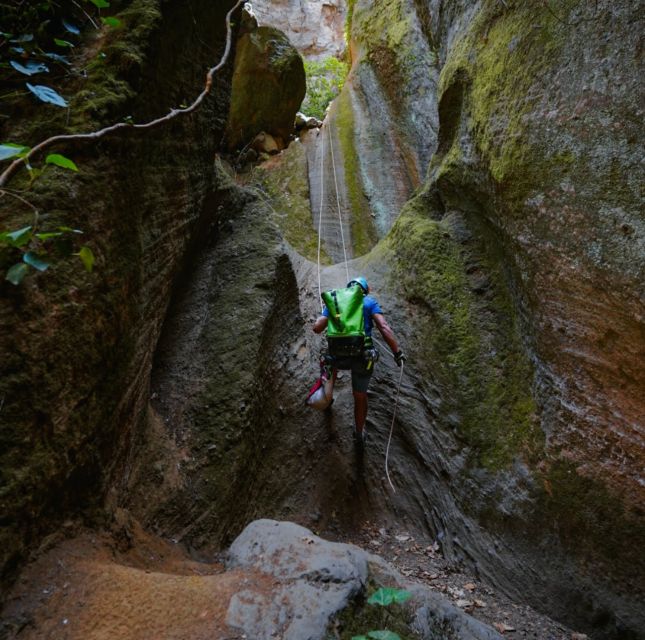
- Warm orange rock and moss make the canyon feel alive, not just rocky
- Photos included, so you spend time canyoning, not chasing your camera
- Safety-first guidance from Jorge is a repeated theme in real feedback
The Real Experience: Los Arcos is All About Controlled Adrenaline
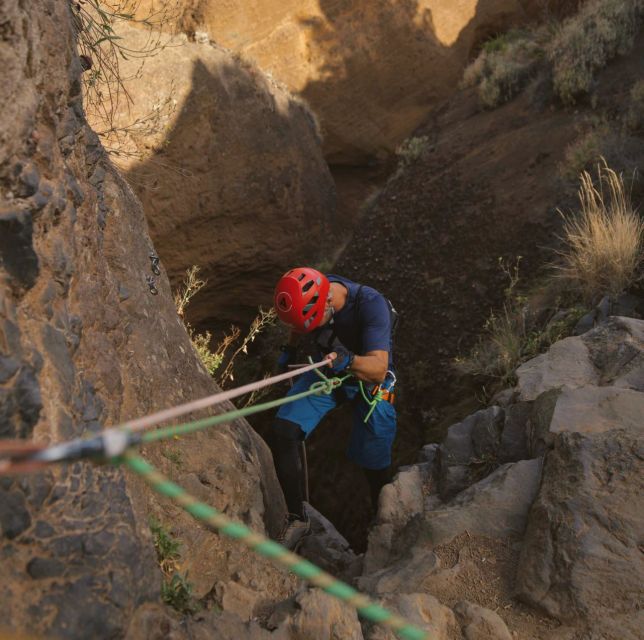
This is an active day outdoors, not a casual walk with a few thrills. You’ll gear up and then spend the bulk of the tour moving through a canyon that’s made for rappelling, with repeated drops that keep your attention locked in.
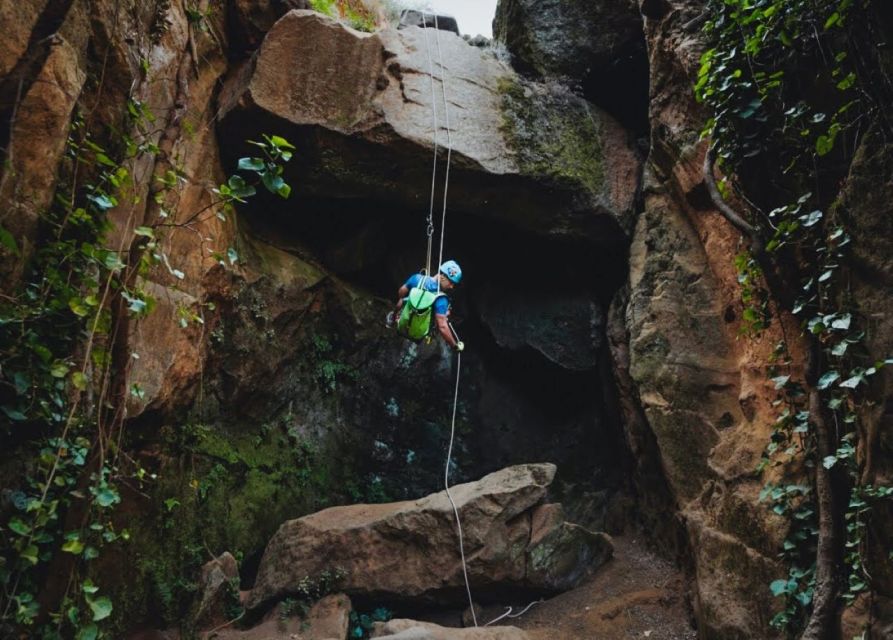
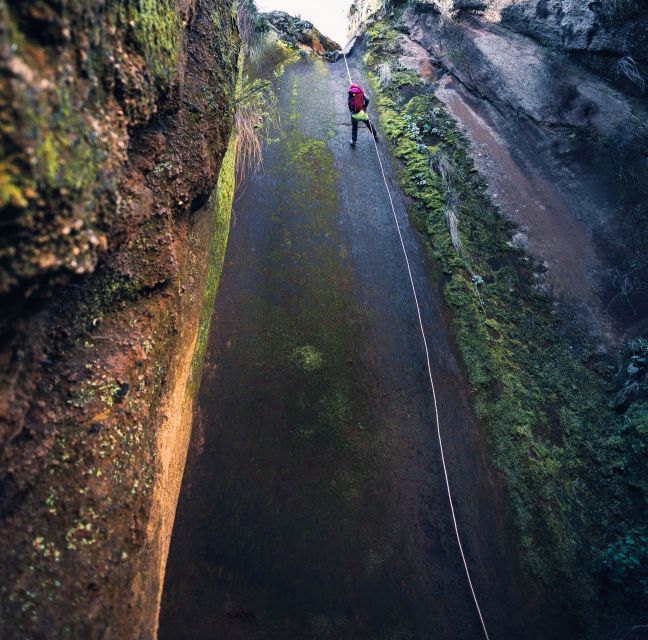
What makes Los Arcos stand out is the color and texture. The canyon walls are warm orange, and they’re topped with moss in places, so you’re not just looking at “rock.” You’re seeing a mix of mineral history and weathering. One guide-focused detail you’ll likely appreciate: the canyon is described as a dry canyon formed over time from volcanic ash accumulation and erosion. That gives the day an extra layer. It’s not only adrenaline, it’s also a geology lesson you experience with your body.
And yes, you’ll feel it. There’s a reason people rank it as a top Tenerife activity alongside hiking and viewpoints. But the tone stays practical. With the right guide, the “fear” part turns into “I can do this” after the basics.
Meeting at Mirador de La Bermeja, Then Sorting Out Safety Like Pros
Your day starts with your guide at Mirador de La Bermeja. This matters because canyoning isn’t just about the canyon, it’s about what happens before you ever reach the ropes.
Right after you meet, there’s a safety briefing for about 15 minutes. This is where you should pay attention, not tune out. The guide will explain how the descent works, how your body fits into the system, and what to do if something feels off. In real feedback, people repeatedly note that Jorge checks in and helps you get comfortable.
If you’re driving, note this practical tip: from the north, people are advised to take TF-21 and follow signs toward El Teide. GPS can sometimes suggest shortcuts on steep and narrow roads, so it’s worth being cautious and patient.
Reviewed and rated alongside this one, further Tenerife Island Excursions





The 45-Minute Forest Track Approach: Warming Up for the Rope Work
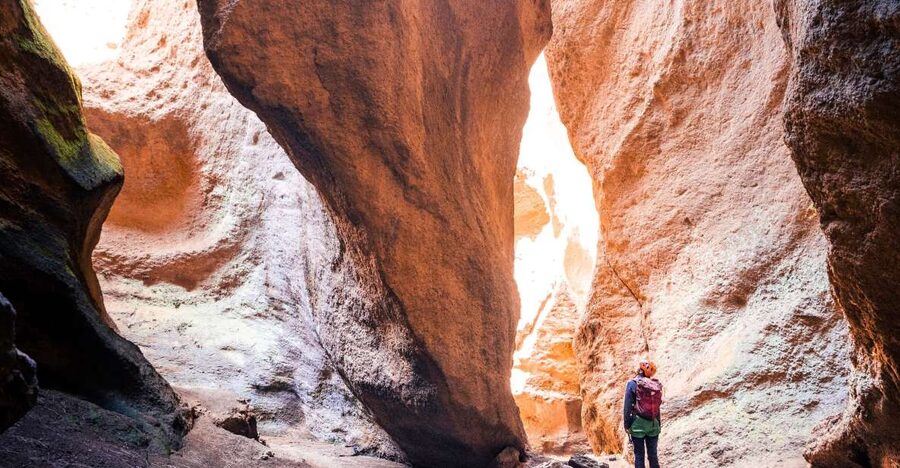
Before the canyon starts, you walk a gentle-slope forest track for about 45 minutes. Think of it as your runway. Your legs get moving, your breathing steadies, and you start to notice the soundscape shift from open air to a tighter corridor that feels made for echo.
This approach also helps you mentally. You can see where the canyon route leads and get your head around the idea that the “action” isn’t right away. You’ll also be moving at a pace that lets your guide keep an eye on everyone in a small group.
Bring what you need for comfort. Even though you’re not in the canyon yet, you’ll want water and a daypack, because you’ll be outdoors for the full half-day.
Entering the Dry Canyon: The First Rappel at Around 22 Meters
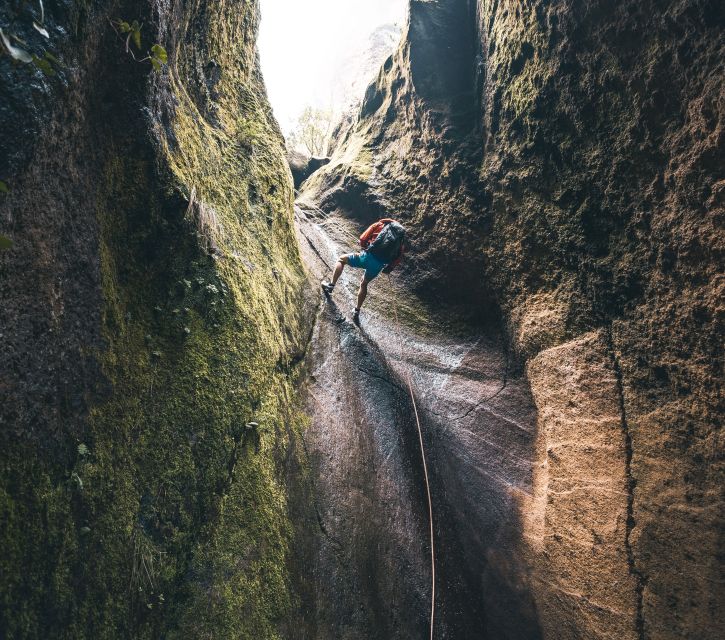
The start of your descent begins with the first rappel, around 22 meters. That first drop is the moment many first-timers remember most, mostly because it’s the start of the learning curve.
This is also where you’ll likely notice the canyon’s character. The walls are described as orange with moss, and light plays on those textures as you lower. It’s one of those details you can’t fully capture on a phone screen, because shadows and color shift as you move.
From there, the tour becomes a rhythm:
- you rappel
- you reposition
- you continue
- you rappel again
The route is planned as a series of technical passages, and the total is eight rappels on this tour. The guide’s job is to make each one feel like the last, just with a new angle and a new spot on the rock.
The Volcanic Ash Story: Why This Canyon Looks the Way It Does
Los Arcos is described as a canyon shaped through a mix of volcanic ash accumulation and erosion. In plain terms, you’re moving through a channel carved over time, with rock features that reflect long-term weathering instead of sudden man-made changes.
As you go deeper, you’ll see how erosion has worn and shaped the canyon, leaving you with corners, narrow sections, and surfaces that change feel from one rappel to the next. That’s why people don’t only call it beautiful. They call it interesting. The canyon gives you “visual chapters” as you descend.
And you’ll likely hear local context from your guide. In real experiences, Jorge shares stories about the canyon and the surrounding area, including endemic fauna. Even if you don’t spot every animal, it changes how you look at small signs on the rock.
Between Drops: How Small-Group Guides Keep You Comfortable
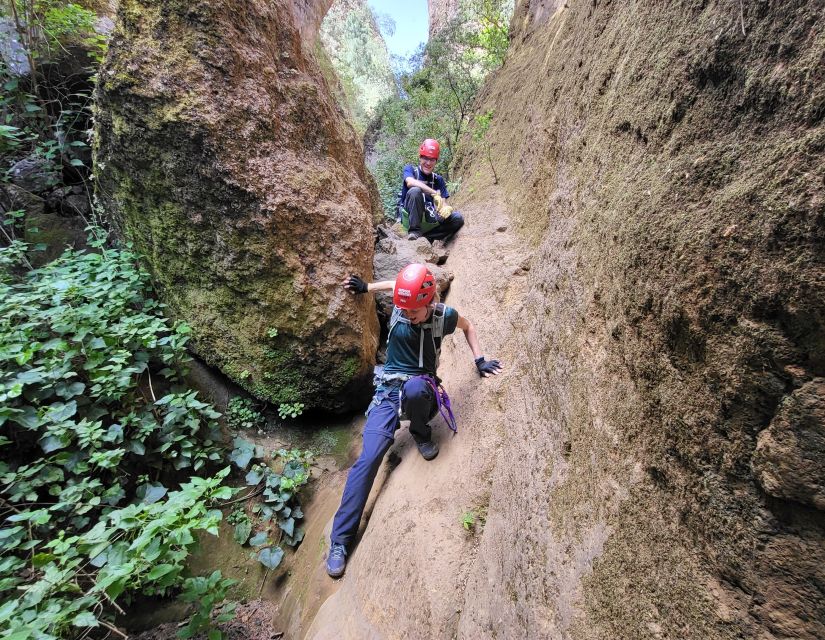
With a max group size of 8 participants, you’re not just another face in a helmet. In practice, this usually means better communication. You get more chances to ask questions and to confirm how you should position yourself.
This is where Jorge’s reputation matters. People highlight:
- clear instruction for first-timers
- patience while you learn
- safety checks you can follow yourself
- attention to questions about equipment and nature
Another practical point that comes up: you may notice tiny rock movement during some technical sections, something like a minor “rain” effect from loose bits during descents. It’s not the kind of thing that should spook you, but it’s a reminder that you’re part of a living outdoor system, not a theme park set.
The Chimoche Track Finish and Your 30-Minute Walkout
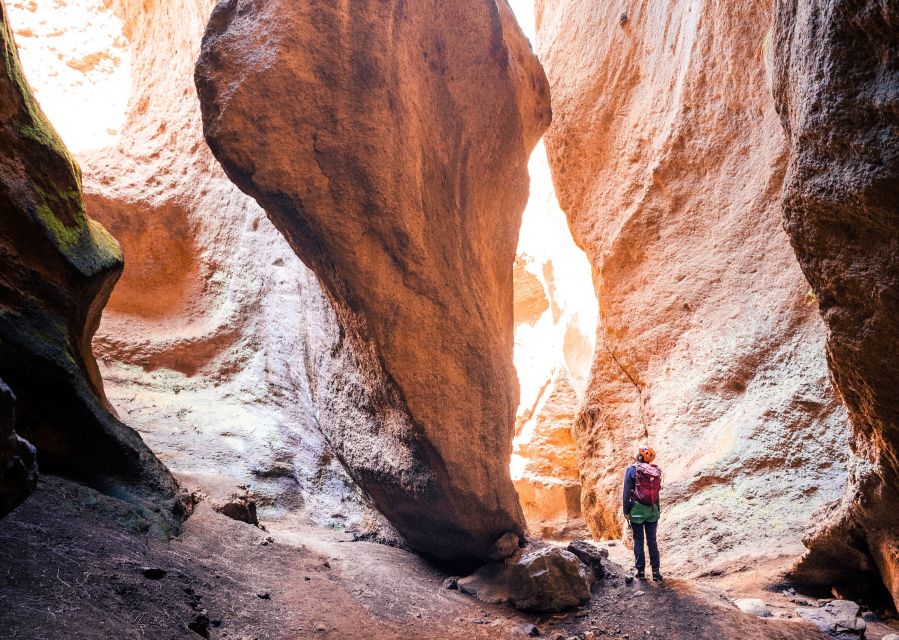
After completing the eight rappels, the tour ends with the arrival at the Chimoche track to conclude your descent. From there, you transition to the walk back.
You’ll return on foot for about 30 minutes to get back to the starting area. This walk is part of the experience. It helps you cool down your body and reset your attention, and it’s a chance to take in what you just did from ground level.
If you’re feeling proud at this point, you should. People come to canyoning for views and adrenaline, but the real win is confidence. You did real rope work in a real canyon, under supervision.
More of the same shelf: our Canyoning and Via Ferrata write-ups
Gear, Photos, and Insurance: What You Get for $82
This tour costs $82 per person and includes a lot that changes the value math.
You get:
- a canyoning guide
- all canyoning equipment
- photos of your experience
- accident insurance
What you don’t get is also clear: food and drinks are not included, and there’s no hotel pickup or drop-off.
Here’s why that $82 can feel fair. In many outdoor activities, the “real cost” is safety equipment plus professional oversight. Here, those are built into the price. You’re also getting photos, which means you don’t need to worry about documenting each rappel in the middle of all the focus your hands and body need.
If you already know you’ll need guidance and gear anyway, this is a “pay once and show up” kind of day. That’s value, not just cost.
What to Pack: Warm Clothes, Hiking Shoes, and the Stuff You Forget
Even in Tenerife, a canyoning day can feel cool once you’re wet or exposed. Bring warm clothing and rain gear. Long pants are optional, but you’ll be safer and more comfortable with them.
You also need:
- hiking shoes (or trail running shoes)
- a daypack
- water
- food
A small gear note: hiking boots can be provided for rent if you request them from the provider. That’s helpful if you’re packing light or don’t want to damage your good shoes on wet rock.
One local caution that comes up in feedback: there can be stinging nettle in the area. So keep your eyes on the ground during the approach and when you’re walking between technical spots.
Who Should Book This and Who Should Skip It
This tour is not for everyone. It’s specifically marked as not suitable for:
- children under 13
- pregnant women
- people with back problems
- people with mobility impairments
- people with heart problems
- people afraid of heights
- people with epilepsy
- people over 65 years
- people over 110 kg / 243 lbs
So the right fit is pretty clear. You want to be able to walk for about an hour plus, handle rope work, and accept that your comfort level with heights needs to be high.
Why it’s still beginner-friendly for the right person: real feedback emphasizes that first-timers do well when the guide patiently teaches the basics and keeps you safe and supported. If you’re excited about learning, you’ll likely enjoy the day. If you’re hoping you can “tough it out” while panicking, skip it.
Logistics Without the Headache: Getting There and Getting Ready
No hotel pickup means you’ll need to get yourself to Mirador de La Bermeja. That’s not a deal-breaker, but it does change your planning.
If you drive, plan for narrow roads and double-check your route. It’s also smart to build time into your schedule so you don’t arrive flustered, because the briefing is time you’ll want to focus.
Also, there’s a simple behavior rule: no smoking or vaping. You’ll be dealing with equipment, harnesses, and gear checks, so the day is designed to stay clean and orderly.
What You’ll Learn Along the Way (Beyond Rappelling)
Canyoning tours can feel like action only. Los Arcos goes further because the canyon itself invites questions.
From real experience, Jorge shares:
- how the canyon is formed (volcanic ash and erosion)
- how rappelling works step by step
- local flora and fauna, including endemic species
- practical tips for the rest of your Tenerife day, like what to eat and drink
One tip that popped up clearly in feedback: people mention enjoying a Barraquito, a Tenerife classic. Even if you don’t follow every food tip, it’s a sign the guide is thinking beyond the rope, into your whole trip.
Should You Book Los Arcos Canyoning in Tenerife?
If you want a half-day where you get a real outdoor workout, see striking orange-and-moss canyon walls, and learn rope skills under a calm guide, then yes, book it. The small-group size and Jorge’s hands-on instruction show up again and again for a reason: they help you feel in control.
Skip this tour if heights are a problem for you, if you have any of the health limitations listed, or if you want a sightseeing-only day. This is active adventure, not a slow wander.
One last decision helper: pack like you’re going to be outdoors and possibly wet. Bring warm clothes, water, food, rain gear, and wear the right shoes. Do that, and you’ll spend your energy on the part that matters, the eight rappels and the canyon views you can only get by going down into it.
Tours: the rest of our Tenerife write-ups
- Tenerife: Mount Teide Tour with Cable Car Ticket & Transfer
★ 4.3 · 5,094 reviews - Costa Adeje: Whale Watching Catamaran Tour with Drinks
★ 4.7 · 3,653 reviews - No chase Whale & Dolphin tour putting Marine Life first – we care
★ 4.5 · 2,168 reviews - Tenerife: Marine-Life Tour with Transfer, Buffet and Drinks
★ 4.8 · 1,865 reviews - Whale watching and listening Eco-Catamaran Tour with Food Tasting
★ 5.0 · 1,447 reviews
Canyoning and Via Ferrata worth comparing before you book
- Tenerife: Guided Canyoning Experience in Los Arcos
★ 4.8 · 230 reviews
Tenerife Island Excursions: the rest of our write-ups
- Tenerife: Eco-Yacht Whale and Dolphin Watching and Swimming
★ 4.7 · 15,619 reviews - Tenerife: Loro Parque Entry Ticket
★ 4.8 · 12,411 reviews - Tenerife: Kayak and Snorkel with Turtles, Wetsuits Included
★ 4.6 · 7,215 reviews - Tenerife: Mount Teide Tour with Cable Car Ticket & Transfer
★ 4.3 · 5,094 reviews - Tenerife: Whale & Dolphin Watching with Drinks and Snacks
★ 4.4 · 2,929 reviews
Fresh off the desk: recent Tenerife experiences we have written up




Tenerife Island Excursions, side by side.
 ★ 4.7Tenerife: Eco-Yacht Whale and Dolphin Watching and SwimmingFrom $1315,619 reviews
 ★ 4.8Tenerife: Loro Parque Entry TicketFrom $5212,411 reviews
 ★ 4.6Tenerife: Kayak and Snorkel with Turtles, Wetsuits IncludedFrom $357,215 reviews
 ★ 4.4Tenerife: Whale & Dolphin Watching with Drinks and SnacksFrom $772,929 reviews
 ★ 4.7Tenerife: Sunset and Stargazing at Teide National ParkFrom $472,826 reviews
 ★ 4.4From South Tenerife: Loro Park Zoo Ticket & Hotel TransfersFrom $752,672 reviews
 ★ 4.8Southern Tenerife: 50-Minute Submarine DiveFrom $722,216 reviews
 ★ 4.9Tenerife: Los Gigantes Whale Watching Cruise by Sail BoatFrom $882,040 reviews
This tour also sits in