
Reviewed · TEIDE NATIONAL PARK TOURS
Teide National Park: Stargazing Experience
Cold night, big sky. That is the point here.
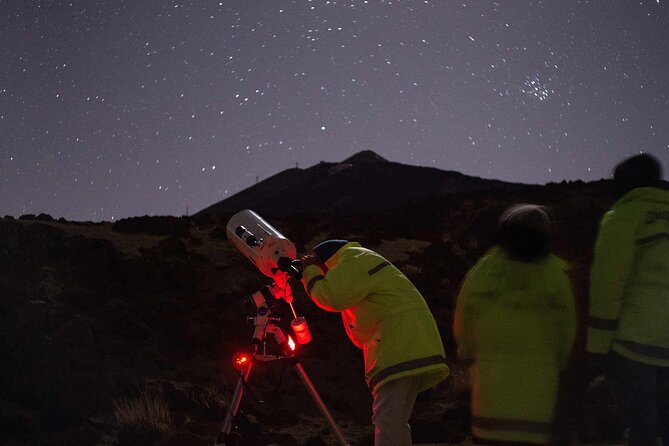
In Teide National Park, you start with naked-eye sky training and quickly learn how to find the essentials like Polaris and the celestial north pole. I love that it is not just random star gazing, it is guided so you actually understand what you are seeing.
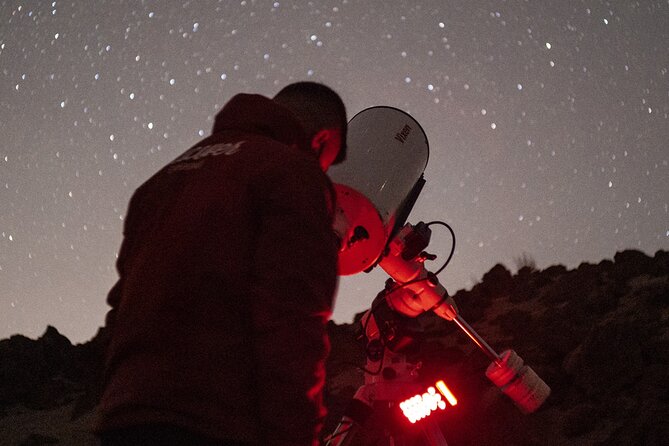
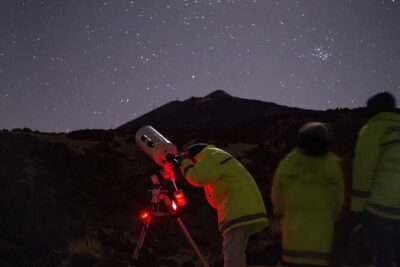
Second, I love the shift from orientation to equipment time, with high-grade telescopes and even an astrophoto telescope that turns what you see into images. When the guide keeps things clear and fun, like Miguel or Manuel have done in past nights, the whole sky starts to make sense fast.
The only real drawback is the cold. Even if the day was pleasant, after sunset at this park the air is properly chilly, so you will want warm layers and footwear that can handle standing still.
In This Review
- Key takeaways before you go
- Why Teide National Park Makes the Stars Look Close
- 80 Minutes of Sky Training: From Sunset to Polaris
- Greek Mythology as a Memory Tool for Constellations
- Telescope Time: Planets, Clusters, and Galaxies You Can Actually See
- The Astrophoto Telescope: Photos That Make the Night Last
- What to Wear for a Night in the Teide Air
- Who This Fits Best (and Who Should Skip It)
- Price and Value: Is $41 for 80 Minutes Worth It?
- Meeting Point at Minas de San José: Finding the Parking Area
- Moon Phase Timing: Why Your Best Night Might Not Be the Only Night
- Should You Book This Teide Stargazing Tour?
- FAQ
- Where is the meeting point for the stargazing tour?
- How long does the tour last?
- What happens first during the tour, naked-eye viewing or telescope viewing?
- What is included in the price?
- What should I bring to stay comfortable?
- Are pets allowed on the tour?
- What languages does the live guide speak?
- Is it suitable for everyone?
- Can I cancel, and can I pay later?
Key takeaways before you go
- Naked-eye first, telescope second, so you learn the sky instead of just watching it.
- Polaris and the celestial north pole get explained early, which makes later constellation spotting easier.
- Ecliptic and zodiac line navigation is part of the lesson, not just a fun add-on.
- Greek mythology through the constellations helps you remember star patterns without memorizing charts.
- Telescopes plus astrophoto can produce images from what you observe.
- Moon phase matters, so your best views depend on the lunar cycle.
Why Teide National Park Makes the Stars Look Close
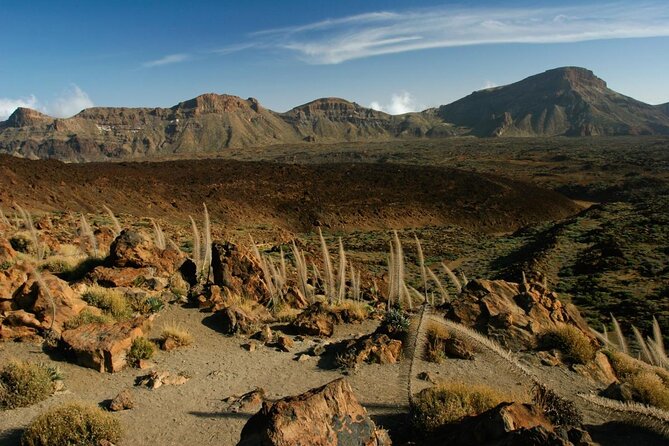
Teide National Park is famous for big, dark-sky nights, and this tour is built around that strength. The key advantage is that you are looking at a sky with far less light pollution interference than you get near towns, so faint stars and deep-sky objects have a better chance of showing up.
This matters because stargazing is partly about equipment and partly about context. A telescope under a gray, light-filled sky can still be fun, but you end up seeing the “bright stuff only” version of the universe. Here, the dark conditions help the tour deliver on the wow factor.
Also, the park is where the night sky feels like it has weight. The guide leads you through constellations and then, once you have your bearings, you use telescopes for targets that look sharper and more dramatic than the same view would from a bright street.
80 Minutes of Sky Training: From Sunset to Polaris
The tour begins after sunset, and the pacing is designed around learning. The early part is intentionally simple: you start by looking with your eyes only before anyone turns on the telescope.
You will work through practical orientation steps like spotting Polaris and understanding where the celestial north pole sits in the sky. That is a big deal because once you know where north is in the night sky, you can build a mental map instead of freezing every time someone points upward.
Next, you move along the ecliptic and zodiac line. Even if you do not care about astrology, this gives you a framework for why certain constellations appear where they do. It also helps you connect the stories you may have heard with actual star positions you can see.
Then comes the fun part: the guide links what you see to Greek mythology, using constellations as the “shapes” behind the myths. This is a memory trick with real value. If you leave remembering one or two star stories, you will find more constellations on your own later.
Once your bearings are set, the tour shifts into telescope time, where the sky becomes more detailed and less abstract.
Our remaining Teide National Park Tours notes, in case one suits you better
Greek Mythology as a Memory Tool for Constellations
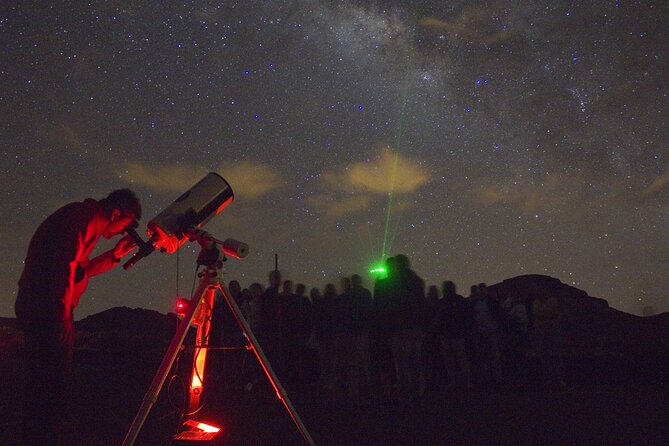
The mythology component is not there just for entertainment. It works as a structured way to remember patterns. When you connect a constellation to a story shape, you stop treating the sky like random dots and start treating it like an organized scene.
You also get help navigating the sky by learning constellation positions rather than just hearing names. That is why the tour starts naked-eye first. By the time the telescope arrives, you are not clueless. You have a direction, you know what to look for, and the guide is pointing with purpose.
If you like a mix of science and culture, this format hits a sweet spot. Some nights also lean into the joy of the “zodiac signs” people want to see, but the real win is that you learn how to find them instead of relying on a label.
One more thoughtful detail: the tour emphasizes orientation before hunting objects. That reduces the usual stargazing frustration, where you spend most of the time asking, “Where are we supposed to look?”
Telescope Time: Planets, Clusters, and Galaxies You Can Actually See
After you get oriented, you observe standout objects through the telescope. This is the moment most people book for, and here it is tied to the earlier learning so it feels earned.
On past nights, the targets have included bright planets such as Jupiter and Saturn, with their moons visible through the telescope. You may also see Mars depending on conditions and season. That planet viewing is usually the quickest way to turn stargazing from pretty to unforgettable.
Deep-sky views can include familiar favorites like the Orion nebula and the Andromeda galaxy when conditions allow. The tour is designed to observe the most outstanding celestial objects of the night, so the exact selection can vary, but the structure stays the same: orientation first, then telescope targets.
One practical note: planets and star clusters tend to be more forgiving than very faint galaxies. But since the park is chosen for low light interference, you have a genuine shot at seeing more than just bright pinpoints.
The Astrophoto Telescope: Photos That Make the Night Last
This tour includes an astrophoto telescope, and that changes the experience. When the tour is done, you are not stuck with only shaky memories and one fuzzy phone picture taken at the wrong time.
In recent outings, images of at least one star cluster and one galaxy have been sent after the tour. That is a big plus if you want to remember details beyond “I saw something cool.”
It also helps you review what you learned. If the guide pointed out Orion’s neighborhood, for example, the photo can help you connect the dots later at home when you look at the same patch of sky again.
Just keep expectations realistic. Astrophoto results depend on sky conditions, and the photo is a companion to the viewing, not a substitute for the live telescope look.
What to Wear for a Night in the Teide Air
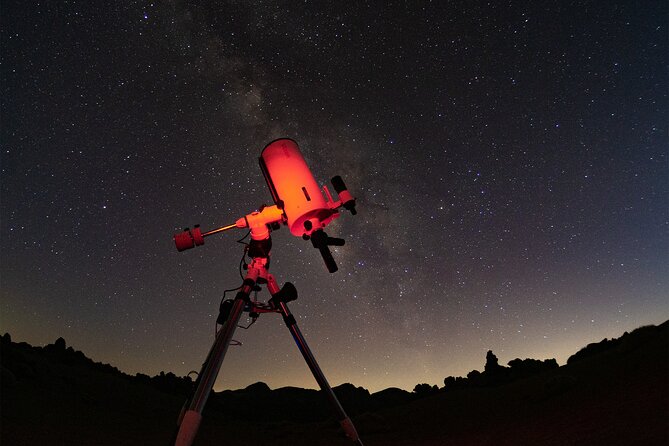
This is a cold-weather activity. The tour runs at night, and the guidance is clear: warm clothing and warm shoes are essential.
Comfortable shoes matter because you will likely be standing or moving slightly as you follow directions. Dress like the temperature will drop fast and then keep dropping. Past participants have described needing serious warmth after a couple hours outside.
If you only bring a light jacket, you might still have a good time, but you will spend energy on staying comfortable instead of enjoying the sky. And stargazing gets hard when you are busy shivering.
Bring layers you can adjust, and choose clothing that does not restrict movement while looking up. You want your neck and shoulders to feel free, not locked in a hunched “survive the cold” posture.
Who This Fits Best (and Who Should Skip It)
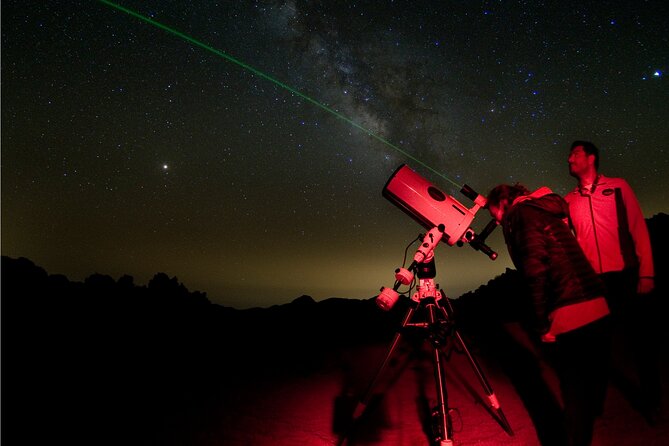
This tour is a great fit if you want a guided astronomy experience without needing to already know the sky. It is also ideal if you like learning how to find things yourself, not just looking through a lens.
A few important limitations are spelled out:
- Pets are not allowed.
- Unaccompanied minors are not allowed.
- It is not suitable for people with heart problems or respiratory issues.
- If you have been diving within the last 24 hours, you should not book.
That last one is a reminder that stargazing still happens outdoors and at night, and the activity is not just a casual walk. If you have any health concerns, it is worth checking with the provider before you go.
If you are traveling with family and kids, you might find it works well, but the unaccompanied minor rule means you should plan accordingly.
If this one is booked out, these Volcano and Stargazing Experiences come close
Price and Value: Is $41 for 80 Minutes Worth It?
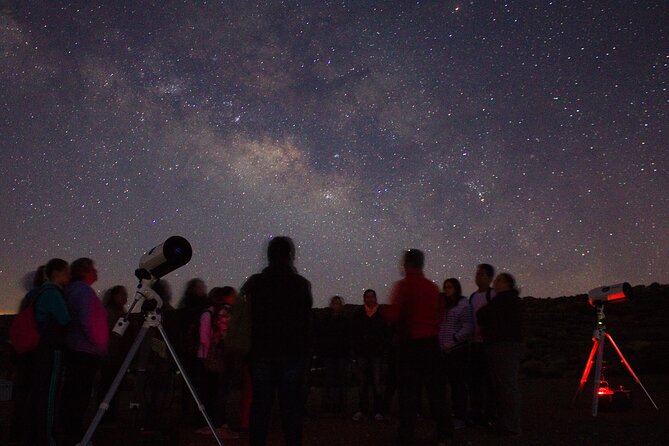
At $41 per person for 80 minutes, the value comes from what is included, not just the time.
You get:
- Stargazing explanation with naked-eye guidance
- Astronomical observation with telescopes
- A professional astronomical guide
- Insurance during the tour
For a short session, the biggest cost drivers are usually the guide time, equipment, and the effort to bring people into a good viewing area. Because the tour also teaches orientation before telescope viewing, you are paying for more than access to a telescope. You are buying understanding, and that makes the whole night more satisfying.
Is it the cheapest thing on Tenerife? No. But if you have ever watched the sky from a city and felt like you were missing the real view, this is one of the better ways to fix that. The dark-sky location plus guided structure is the combination that justifies the price.
Meeting Point at Minas de San José: Finding the Parking Area
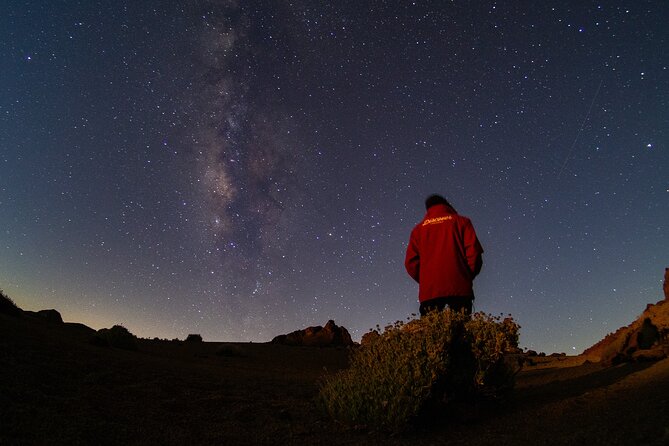
You meet in the parking area just in front of the natural environment of Minas de San José.
If you come from the south, it is the second car park on the right. If you come from the north, it is the first car park on the left.
One practical tip: arrive a few minutes early with your warm layers on. Night logistics are easier when you are not rushing in the dark.
There is no hotel pickup or drop-off included, so you should plan to reach the meeting point on your own.
Moon Phase Timing: Why Your Best Night Might Not Be the Only Night
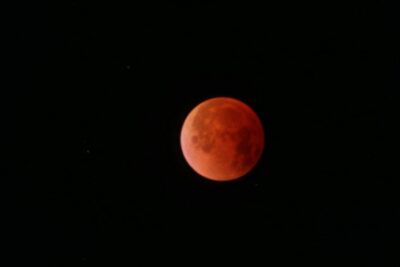
The tour explicitly warns you to pay attention to the moon’s cyclical nature when booking. That matters because a bright moon can wash out faint stars and make deep-sky targets harder to see.
You cannot always control when you travel, but you can make a smarter choice if you are flexible. If you can pick dates, aim for nights when the moon is less intense. Even then, planets and brighter stars can still be visible, but the “wow” factor for the faint stuff is usually better in darker conditions.
If you are set on a specific date, do not panic. The tour still offers telescope viewing and structured constellation orientation, so you will leave with knowledge and a memorable view.
Should You Book This Teide Stargazing Tour?
Book it if you want:
- A guided night sky experience that teaches you Polaris, zodiac navigation, and constellation positions
- Time with telescopes focused on standout celestial objects
- A tour format that helps you remember what you saw through astrophoto images
Skip it if:
- You cannot handle cold outdoor conditions, or you forget to dress warmly
- You have health concerns that match the stated restrictions
- You need hotel pickup, because this one expects you to handle getting to the meeting point
If you are visiting Tenerife and you want one activity that feels genuinely different from beaches and viewpoints, this is a strong pick. The value comes from the mix of naked-eye learning, guided pointing, and telescope viewing under dark skies, all in an 80-minute window that does not drag.
FAQ
Where is the meeting point for the stargazing tour?
Meet in the parking area just in front of the natural environment of Minas de San José. Coming from the south, it is the second car park on the right. Coming from the north, it is the first car park on the left.
How long does the tour last?
The duration is 80 minutes.
What happens first during the tour, naked-eye viewing or telescope viewing?
You start after sunset with naked-eye observations to learn constellations and key stars. After you get oriented, you switch to telescope viewing.
What is included in the price?
Included are the stargazing explanation at naked eye, astronomical observation with telescopes, a professional astronomical guide, and insurance during the tour.
What should I bring to stay comfortable?
Bring comfortable shoes, warm clothing, and warm shoes.
Are pets allowed on the tour?
No, pets are not allowed.
What languages does the live guide speak?
The live guide speaks Spanish and English.
Is it suitable for everyone?
No. It is not suitable for people with heart problems or respiratory issues. Pets are not allowed, and unaccompanied minors are not allowed. People who have been diving up to 24 hours prior should not book.
Can I cancel, and can I pay later?
You can cancel up to 24 hours in advance for a full refund. You can also reserve now and pay later.
National Parks we rated next in Tenerife
- Tenerife: Sunset and Stargazing at Teide National Park
★ 4.7 · 2,826 reviews - Teide National Park Sunset & Stargazing with Dinner (Star Safari)
★ 5.0 · 2,601 reviews - Tenerife: Snorkeling Tour in a Marine Protected Area
★ 4.9 · 636 reviews - Small Group Teide National Park Volcanic and Forest Wonders
★ 5.0 · 402 reviews - Teide National Park: Guided Large Telescope Stargazing Tour
★ 4.9 · 319 reviews
Volcano and Stargazing Experiences we rated next
- Tenerife: Sunset and Stargazing at Teide National Park
★ 4.7 · 2,826 reviews - Teide National Park Sunset & Stargazing with Dinner (Star Safari)
★ 5.0 · 2,601 reviews - Teide by Night: Sunset & Stargazing with Telescopes Experience
★ 4.5 · 1,492 reviews - Sunset & Stargazing Experience From Teide
★ 4.5 · 1,129 reviews - Small Group Teide National Park Volcanic and Forest Wonders
★ 5.0 · 402 reviews
Our other Teide National Park Tours, side by side
- Tenerife: Mount Teide Tour with Cable Car Ticket & Transfer
★ 4.3 · 5,094 reviews - Tenerife: Sunset and Stargazing at Teide National Park
★ 4.7 · 2,826 reviews - Teide National Park Sunset & Stargazing with Dinner (Star Safari)
★ 5.0 · 2,601 reviews - Teide by Night: Sunset & Stargazing with Telescopes Experience
★ 4.5 · 1,492 reviews - Sunset & Stargazing Experience From Teide
★ 4.5 · 1,129 reviews
Fresh off the desk: recent Tenerife experiences we have written up
Teide National Park Tours, side by side.
 ★ 4.7Tenerife: Sunset and Stargazing at Teide National ParkFrom $472,826 reviews
 ★ 5.0Teide National Park Sunset & Stargazing with Dinner (Star Safari)From $952,601 reviews
 ★ 4.5Teide by Night: Sunset & Stargazing with Telescopes ExperienceFrom $1071,492 reviews
 ★ 4.5Sunset & Stargazing Experience From TeideFrom $481,129 reviews
 ★ 4.5Mt. Teide and Masca Valley Tour in TenerifeFrom $61965 reviews
 ★ 4.3Tenerife: Mount Teide Summit Hiking Adventure with Cable CarFrom $160688 reviews
 ★ 4.3Tenerife: Teide, Icod de los Vinos & Garachico Full Day TourFrom $45602 reviews
 ★ 5.0Small Group Teide National Park Volcanic and Forest WondersFrom $78402 reviews
This tour also sits in