
Reviewed · TAPAS AND PINTXOS TOURS
Spanish Cooking Class Paella Tapas and Sangria in Madrid
Paella in 4 hours, in Madrid, in your own pan. This hands-on class has you shopping for ingredients (in the morning class), cooking in pairs, and then eating a big Spanish meal with sangria. I love that it is small, up to 12 people, and you are not stuck watching from the sidelines. I also love the way the chefs, like Teresa and Eduardo, mix clear instruction with real talk about food and eating in Spain.
One thing to consider: the morning and evening sessions are different menus. If you want paella, book the paella class. If you want a broader tapas spread, choose the tapas session.
In This Review
- Key things to know before you cook
- Your Madrid cooking class, minus the tourist-food feeling
- A quick reality check on the sessions
- Morning market shopping and paella class flow
- Evening tapas spread and crema catalana skills
- How the class really works in the kitchen
- What you’ll eat, and why it matters for taste and confidence
- Paella (morning main)
- Gazpacho (morning starter)
- Sangria (both sessions)
- Tapas menu stars (evening)
- Value check: what $102.79 buys you in real life
- Who should book this class (and who might not)
- Practical tips for a smooth, fun experience
- Should you book the paella and tapas cooking class?
- FAQ
- How long is the Spanish Cooking Class in Madrid?
- Where does the class meet?
- Is the class taught in English?
- What is the group size?
- Do I cook the food myself or just watch?
- Is there a market visit?
- What dishes are included?
- Can the class accommodate dietary restrictions?
- What if I want to drink sangria?
- What is the cancellation policy?
Key things to know before you cook
- Small group cooking (max 12), you work in pairs, even if you come solo
- Morning class market stop to pick fresh ingredients
- You actually cook your dishes, not just get a demonstration
- English-speaking local chef with a lively, hands-on teaching style
- Take-home recipe booklet so you can recreate your menu later
- Dietary restrictions are accommodated when you build your menu
Your Madrid cooking class, minus the tourist-food feeling
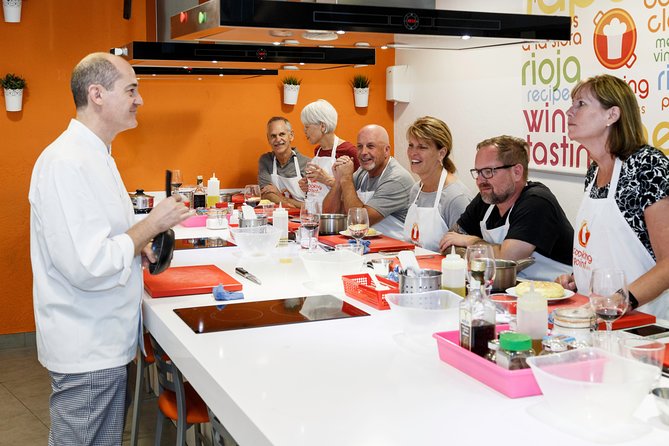
This is one of those Madrid experiences that gets you out of the role of spectator. You arrive at the kitchen in the Centro area at C. de Moratín, 11, and within no time you are chopping, stirring, and learning why Spanish cooking is built on simple, quality ingredients and smart timing.
The format is what makes it work. The class is capped at 12 people, and you pair up to cook as a team. If you come alone, you will be matched with a cooking buddy. That matters, because you get hands-on help without feeling like you are performing solo in a class kitchen.
Another reason I like this setup: it is family-friendly by design. You will not need special culinary skills. What you do need is a willingness to taste, follow steps, and accept that a kitchen is a place where things can get a little busy, in a fun way. Also, the instructors are consistently praised for keeping instructions clear and the energy upbeat, whether you have Angel, Elisa, Eduardo, or Teresa guiding the group.
A quick reality check on the sessions
Before you pick your day or time, choose the menu that matches your food mood. The paella-focused morning option includes paella, gazpacho, and sangria. The evening tapas option is more wide-ranging, with dishes like garlic shrimp, chorizo in cider, patatas bravas, and crema catalana, plus sangria again.
Worth a side-by-side look, our other Tapas and Pintxos Tours





Morning market shopping and paella class flow
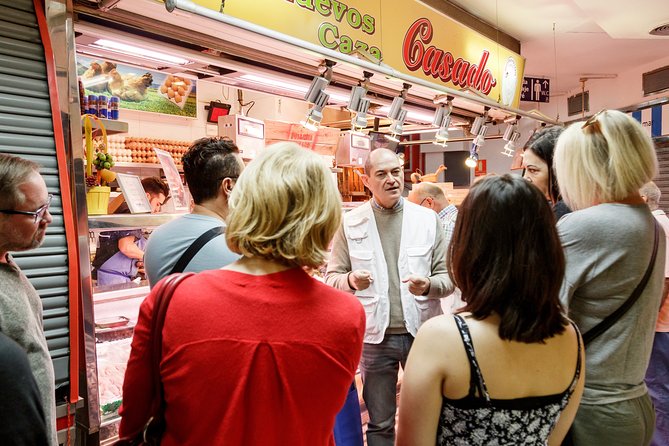
If you book the morning cooking class, expect a little extra adventure before the pots start heating. The biggest perk is the market visit, where you shop for fresh ingredients with the chef. This is not just a walk and a photo moment. You get guidance on what to look for and why those choices matter for Spanish flavor.
Then you move to cooking. The menu in the morning class centers on the classics:
- Paella as the main dish
- Gazpacho as the starter
- Sangria as part of the drinks
Why this is a smart way to do Madrid food early in your trip: paella and gazpacho give you two sides of Spanish eating. Paella is the hot, rice-and-saffron style you associate with festive tables. Gazpacho is cool and bright, built for warm days and simple comfort. When you learn both in one session, you start to understand how Spanish meals shift with season and mood, not just with the restaurant menu.
Also, because the chef is guiding you while you cook, you learn practical technique, not just theory. A few reviewers mentioned learning specific methods and timing that you can actually use again later at home, which is the point of a class like this.
Evening tapas spread and crema catalana skills
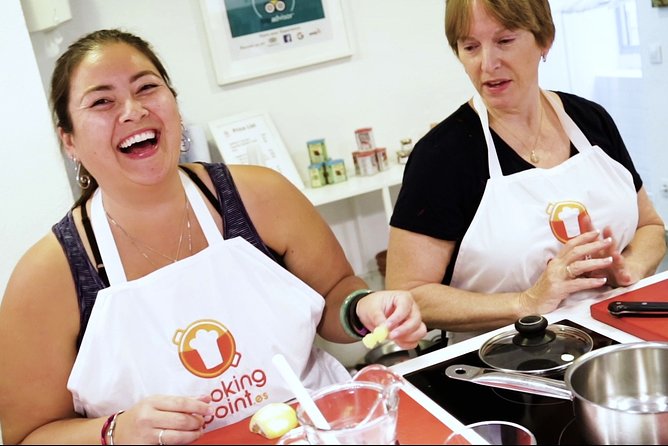
The evening class is for people who want more variety in one sitting. You still cook as a group, in pairs, with an English-speaking local chef, but the menu goes beyond paella and leans into tapas-style sharing and that Spanish habit of stacking small plates on the table.
A sample evening menu includes:
- Spanish potato omelet
- Garlic shrimp
- Chorizo in cider
- Patatas bravas
- Tomato bread with ham
- Crema catalana
- Sangria
Here is the nice part for home cooks: this menu teaches you multiple foundational patterns. You get egg technique with the omelet, a seafood handling moment with garlic shrimp, and a sweet-savory twist with chorizo cooked in cider. Then you get crema catalana, which connects to custard-making skills, not just a dessert recipe.
And yes, patatas bravas is a great choice to learn because it is recognizable in many places but rarely done exactly right. Cooking it yourself helps you understand the balance between crispy potato texture and the sauces.
How the class really works in the kitchen
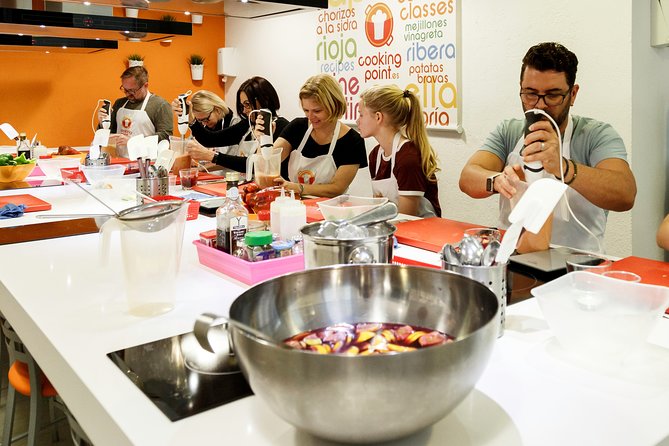
Here is what you are likely to feel once the class kicks off: you get organized fast. Chefs typically explain what you are doing, then let you do the work, while still stepping in when needed. Multiple reviews praised that hands-on approach, where instructors guide you without taking over every step.
Expect this rhythm:
- Instructions and workflow setup
- Ingredient prep, in pairs
- Cooking your assigned dishes (or cooking stations)
- Tasting and adjusting with guidance
- Sitting down together to eat what you made
That last part is key. You do not cook and then watch someone else enjoy. You eat as a class, sharing travel stories at the table. It turns the kitchen into a social experience, not a task list.
The facility is also described as very clean in multiple accounts, which sounds like a small thing until you are actually in a cooking space. Comfort equals better learning. If you feel at ease, you focus on the food instead of the mess.
What you’ll eat, and why it matters for taste and confidence
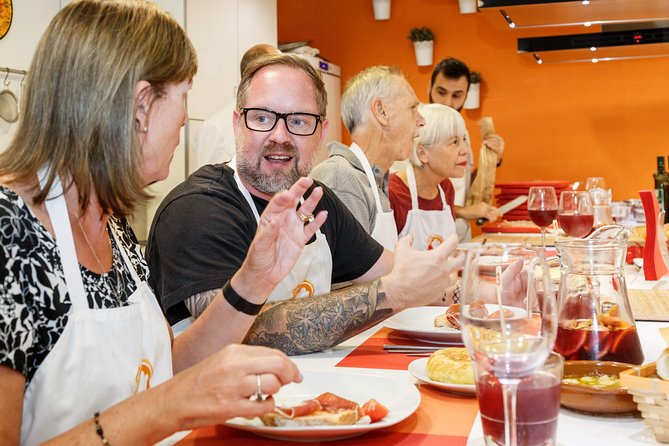
Let’s break down why these dishes make the class useful beyond the fun factor.
Paella (morning main)
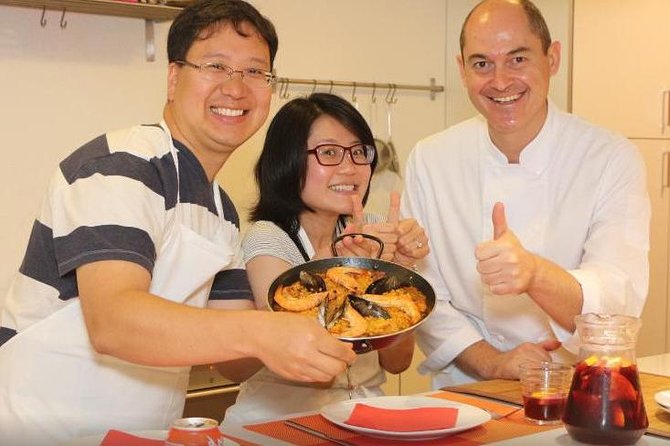
Paella is all about timing and judgment. You learn how to build flavor and manage the process so the rice comes out how it should. Even if you have eaten paella in Madrid before, cooking it yourself helps you understand why it tastes different when made with the right ingredients and a proper approach to heat and cooking time.
Reviewed and rated alongside this one, further Paella Pans and Market Cookery
Gazpacho (morning starter)
Gazpacho teaches you how Spanish flavors can be clean and bold without heavy cooking. You start thinking in terms of freshness, balance, and the cooling effect that makes it such an easy crowd-pleaser.
Sangria (both sessions)
Sangria is included with the class. If you are 18 or older, it is part of the meal experience. Several people mentioned enjoying refills, which makes it feel less like a token drink and more like a real Spanish table drink.
A practical note: there is a minimum drinking age of 18. If you are younger, you should plan around that.
Tapas menu stars (evening)
- Garlic shrimp helps you practice quick, high-flavor cooking without overthinking it.
- Chorizo in cider adds a cozy, slightly sweet depth that people usually do not taste in everyday home cooking.
- Patatas bravas teaches texture and sauce balance.
- Tomato bread with ham shows how Spanish meals can be both simple and satisfying.
- Crema catalana is where you get dessert confidence, especially if you are learning custard-style technique.
In other words, you leave with a mini toolkit. Not just a list of dishes, but the sense of how Spanish flavors fit together: savory first, bright and fresh notes, then something creamy or sweet at the end.
Value check: what $102.79 buys you in real life
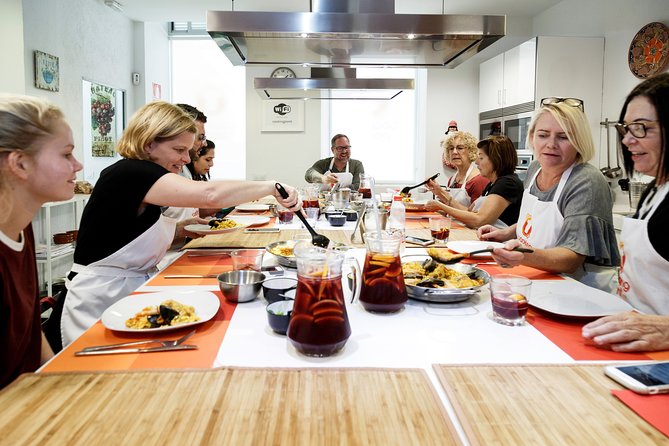
At $102.79 per person, this is not a bargain class. But it is also not overpriced for what you are getting.
You are paying for:
- A small-group class (max 12)
- An English-speaking local chef guiding you step by step
- Hands-on cooking, not a lecture
- Drinks with the meal, including sangria
- A recipe booklet you can use later
- In the morning session, a market visit to shop for fresh ingredients
That combination is why people rate it so highly. You are not just buying a meal. You are buying time in a kitchen with instruction, plus the ingredients and drink that go with the experience.
If you compare it to paying restaurant prices for a meal and then hoping you can recreate it at home with no help, this class starts to look like a good deal. Even if you do not cook often, taking home techniques and a recipe brochure is the difference between tasting Spanish food once and understanding it.
Who should book this class (and who might not)
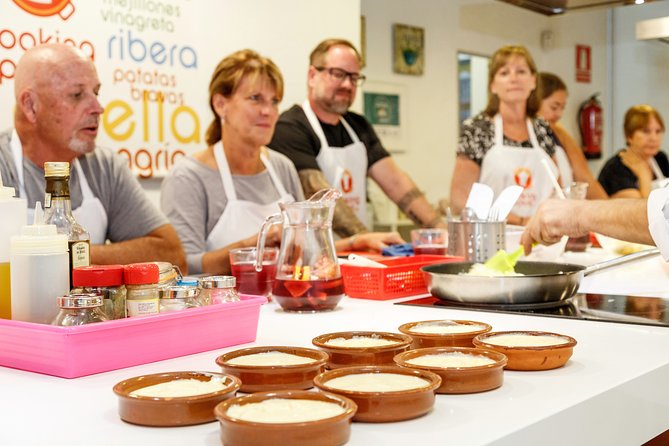
This class is ideal if:
- You want a hands-on activity in Madrid that is more engaging than walking tours
- You like Spanish food and want to learn it in a practical way
- You travel with family and want something where kids can actively participate
- You want to meet other people without it feeling forced, because the meal includes shared table time
- You have dietary needs and want to build a menu around them
It might not be ideal if:
- You are only interested in one specific menu and you might mix up the paella and tapas options
- You want zero alcohol involvement, since sangria is part of the included experience and the class lists an 18+ drinking age
Practical tips for a smooth, fun experience
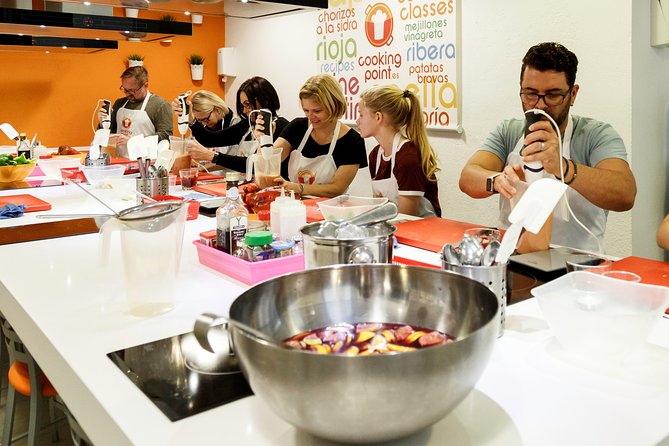
Here are the small things that help you get the most from the 4-hour session.
- Pick the correct session. Paella is morning. Tapas is evening. Read your menu choice carefully so you get what you are craving.
- Come hungry. The class ends with a shared meal that people describe as plentiful.
- Expect to work. Even if you are not a confident cook, follow the steps. That is how you learn.
- Ask about dietary needs at booking. They accommodate needs by letting you build your menu accordingly.
- Plan for central walking. The meeting point is in Centro at C. de Moratín, near public transport, and the activity ends back at the same location.
Should you book the paella and tapas cooking class?
Yes, if you want an experience that teaches you real Spanish cooking while also feeding you properly. This is especially worth it if you like structure but hate being stuck watching. The best part is that you cook your meal, then sit down and eat what you made, with an instructor who keeps things moving and explains the why behind the steps.
Book it if you:
- want paella and gazpacho, choose the morning class
- want a wider tapas spread and crema catalana, choose the evening class
- want a small-group class where you work in pairs
Skip it if you already know you only want to eat out and do not want any kitchen work. You will enjoy this less if you are hoping for a pure tasting tour with minimal involvement.
FAQ
How long is the Spanish Cooking Class in Madrid?
The class runs about 4 hours.
Where does the class meet?
It starts at Cooking Point, C. de Moratín, 11, Centro, 28014 Madrid, Spain, and it ends back at the meeting point.
Is the class taught in English?
Yes, the class is offered in English.
What is the group size?
The class has a maximum of 12 travelers.
Do I cook the food myself or just watch?
You cook your own dishes hands-on as part of the class.
Is there a market visit?
The morning class includes a visit to a local market to shop for fresh ingredients.
What dishes are included?
Menus vary by session. A paella-focused menu includes paella, gazpacho, and sangria in the morning. An evening tapas menu can include dishes such as Spanish potato omelet, garlic shrimp, chorizo in cider, patatas bravas, tomato bread with ham, crema catalana, and sangria.
Can the class accommodate dietary restrictions?
Yes. You can build your menu based on your specific dietary requirements, and the class can accommodate them.
What if I want to drink sangria?
The minimum drinking age is 18. Sangria is included with the class.
What is the cancellation policy?
You can cancel for a full refund up to 24 hours in advance of the experience start time. If you cancel less than 24 hours before, the amount paid is not refunded.
Cooking Classes we rated next in Madrid
- Paella Cooking Class in Madrid with Bottomless Wine Pairing
★ 5.0 · 985 reviews - Madrid Tapas & Paella Cooking Experience with Local Market Visit
★ 5.0 · 432 reviews - Taste of Spain: Tapas Cooking Class with Bottomless Wine Pairing
★ 5.0 · 414 reviews - Madrid: Half-Day Spanish Cooking Class
★ 5.0 · 345 reviews - Madrid: 10 Tapas 2.5-Hour Cooking Class
★ 4.7 · 222 reviews
Paella Pans and Market Cookery: the rest of our write-ups
- Madrid: Paella and Sangria Workshop in the City Center
★ 4.9 · 1,264 reviews - Paella Cooking Class in Madrid with Bottomless Wine Pairing
★ 5.0 · 985 reviews - Paella Workshop with Bottomless Sangria in Central Madrid
★ 5.0 · 763 reviews - Madrid Tapas & Paella Cooking Experience with Local Market Visit
★ 5.0 · 432 reviews - Madrid: Paella & Sangria Classes- Seafood, Chicken & Vegan option
★ 5.0 · 265 reviews
Tapas and Pintxos Tours: the others that earned a place
- Madrid: Small Group of Prado Museum Tour & Optional Tapas
★ 4.6 · 2,437 reviews - Madrid: Tapas & Wine Tasting Tour with Local Guide
★ 4.8 · 2,171 reviews - Madrid Tapas & Wine Tour with Rooftop Views and Local Guide
★ 5.0 · 2,047 reviews - Madrid by Night Small Group Tour: Stories, Sights and Tapas Bites
★ 5.0 · 1,956 reviews - Madrid: Highlights Guided Vintage Bike Tour and Tapas Option
★ 4.9 · 962 reviews
Fresh off the desk: recent Madrid experiences we have written up






Tapas and Pintxos Tours, side by side.
 ★ 5.0Montserrat Half-Day Tour with Tapas and Gourmet WinesFrom $557,359 reviews
 ★ 5.0Montserrat & Cogwheel Train, Gourmet Wine Tasting & Tapas/LunchFrom $816,290 reviews
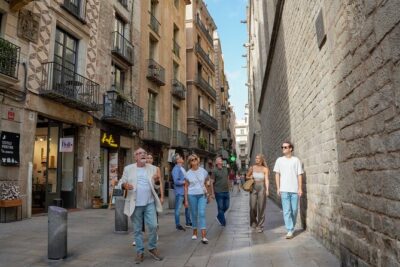 ★ 5.0Barcelona Tapas and Wine Experience Small-Group Walking TourFrom $835,804 reviews
 ★ 5.0Montserrat with Black Madonna & Medieval Winery with Tapas/LunchFrom $655,209 reviews
 ★ 4.8Barcelona: Montserrat and Winery Tour with Tapas or LunchFrom $614,695 reviews
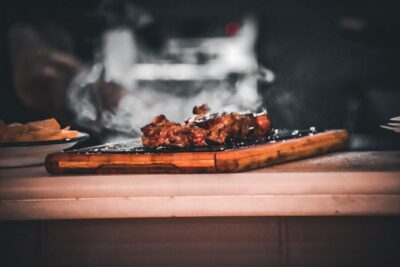 ★ 4.8Barcelona: Tapas Walking Tour with Food, Wine, and HistoryFrom $784,261 reviews
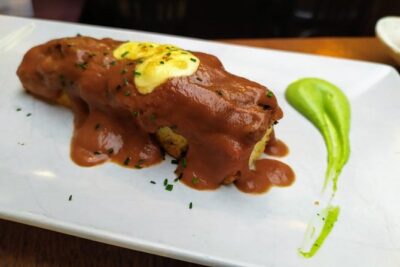 ★ 5.0Sevilla Food Tour: Tapas, Wine, History & TraditionsFrom $833,468 reviews
 ★ 5.0Valencia Old Town Tour with Wine & Tapas in 11th Century Historic MonumentFrom $963,234 reviews
This tour also sits in