
Reviewed · FUERTEVENTURA ISLAND EXCURSIONS
Fuerteventura: Guided Stargazing Calderón Hondo Volcano Tour
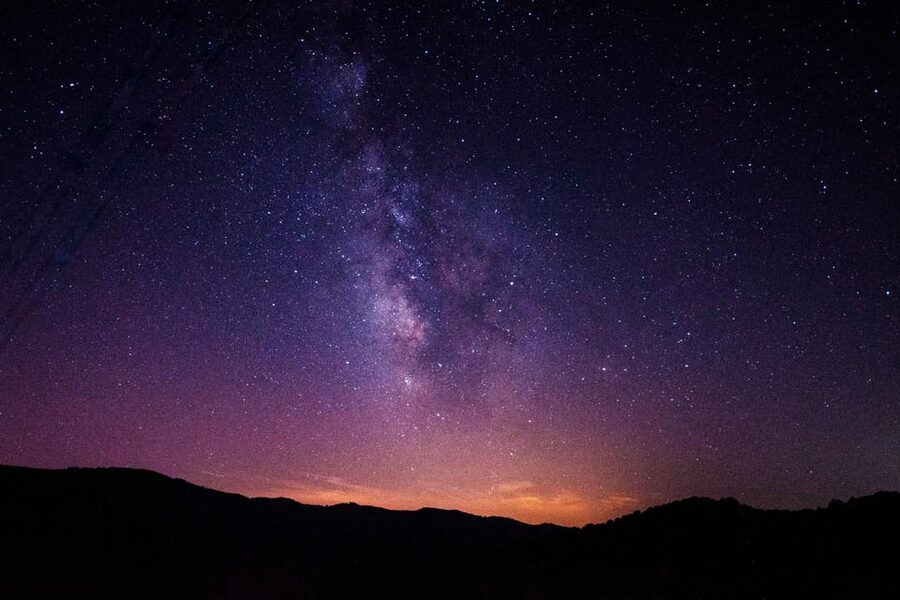
The Milky Way has a home here. This guided night tour at Calderón Hondo puts you at the edge of an active volcano, then turns the darkness into a front-row show of the Milky Way.
I love the volcano-meets-astronomy setup because it makes stargazing feel earned, not just watched. You also get a calm, focused guide style from start to finish, with practical help like headlamps so you can safely enjoy the crater.
The main drawback is simple: weather rules the night. If the stars are not visible due to clouds, you won’t get a refund, so come prepared to pivot and still enjoy the volcano views.
In This Review
- Key things that make this tour special
- Calderón Hondo at night: why this volcano tour feels different
- Price and logistics: what $53 covers in real life
- From pickup to the volcano: how the night starts
- What to bring (and why it actually affects your night)
- The crater edge climb: views you get before the stars
- Inside the crater: stargazing that turns confusing into clear
- Fire, mythology, and astrology: what the sky lesson is really for
- Cloud cover reality check: how to still enjoy a cloudy night
- Who should book this tour, and who should skip it
- Value for $53: what you are really paying for
- Should you book the Fuerteventura guided stargazing at Calderón Hondo?
- FAQ
- What is the duration of the Calderón Hondo stargazing tour?
- Where is the meeting point if I do not choose transfer?
- Is pickup and drop-off included?
- What languages are the guides available in?
- What should I bring for the tour?
- Will I get a refund if the stars are not visible due to weather?
- Is the tour suitable for everyone?
Key things that make this tour special
- Climbing Calderón Hondo crater edge at night for big views over Lajares, Corralejo dunes, and Lanzarote
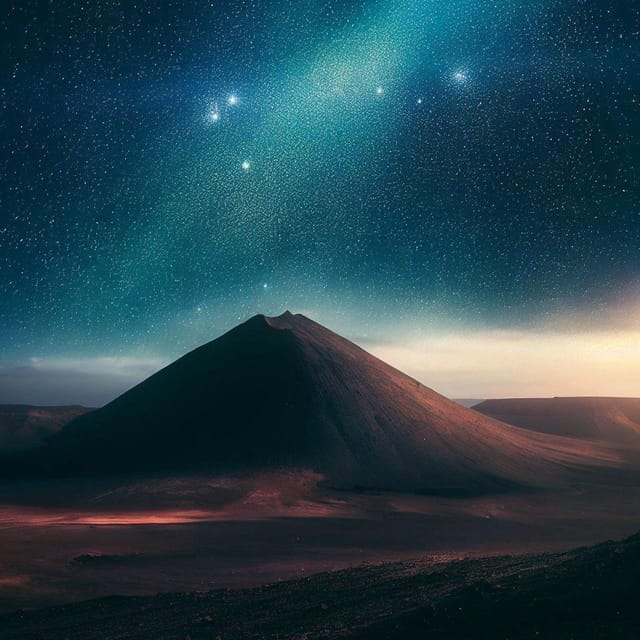
- Stargazing from inside an active volcanic crater with the Milky Way as the goal
- Fire-and-sky folklore alongside astronomy so you understand why the sky mattered to local culture
- Viktor-style star finding using tools like a laser pointer and a guide app on a tablet
- Headlamps and water included, so you are not scrambling for basic essentials
- A short 3-hour format that fits easily into a night on Fuerteventura
Calderón Hondo at night: why this volcano tour feels different
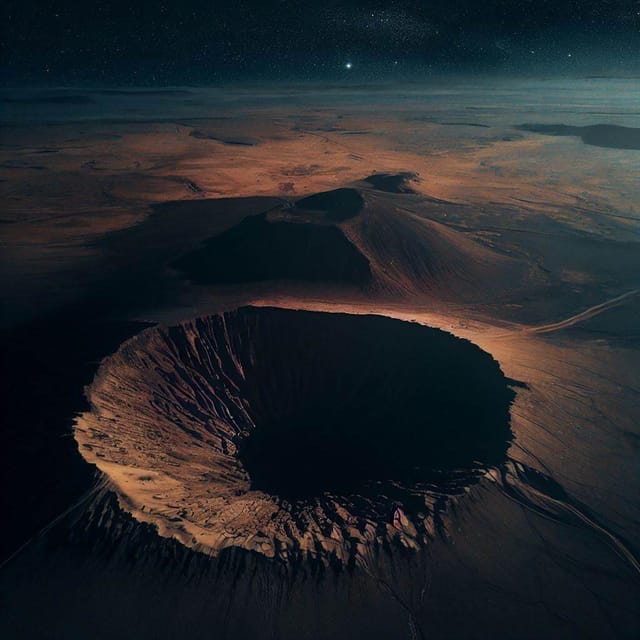
Most stargazing tours start in a field and end with a few constellations. This one starts with geology. You are heading to Calderón Hondo, the last active volcano on Fuerteventura, and the atmosphere changes fast once you move from regular outdoor light into true night.
That volcanic setting matters. A crater is a natural bowl, and it changes how you experience the sky. Instead of looking at the stars from a distance, you are in the scene. It helps you feel the scale, not just see it. And since the plan includes time both at the crater edge and then deeper in the crater area, you get a nice rhythm: first the dramatic terrain, then the quiet night.
I also like the cultural angle. You are not just learning star names. You connect them to mythology and the way local people linked fire and the sky. That makes the astronomy feel more human, less like memorizing.
Price and logistics: what $53 covers in real life
At $53 per person for a 3-hour guided tour, the value is mostly in the combo: guided volcano access plus structured stargazing. You also have a couple of “annoyance savers” included: water and headlights. That means you can pack lighter, and you can focus on the experience instead of gear.
Pickup and drop-off can be included, but only if you select the Transfer option. The bus pickup is offered from Corralejo, El Cotillo, and Puerto de El Rosario. If you do not select transfer, your meeting point is the Repsol h2go service station.
Timing also works like a real night tour, not a daytime excursion. The duration is listed as 3 hours, and the exact start time can vary depending on where you are picked up and the season. The guide sends an email 24 hours before the activity with the exact time, so keep an eye on your inbox.
One practical tip: eat beforehand. Food is not included, so if you tend to get hungry, plan a proper meal before pickup or grab something to eat after you get back.
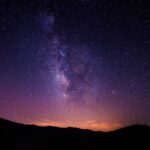
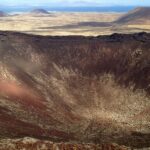
If this one is booked out, these Volcano and Stargazing Experiences come close
From pickup to the volcano: how the night starts
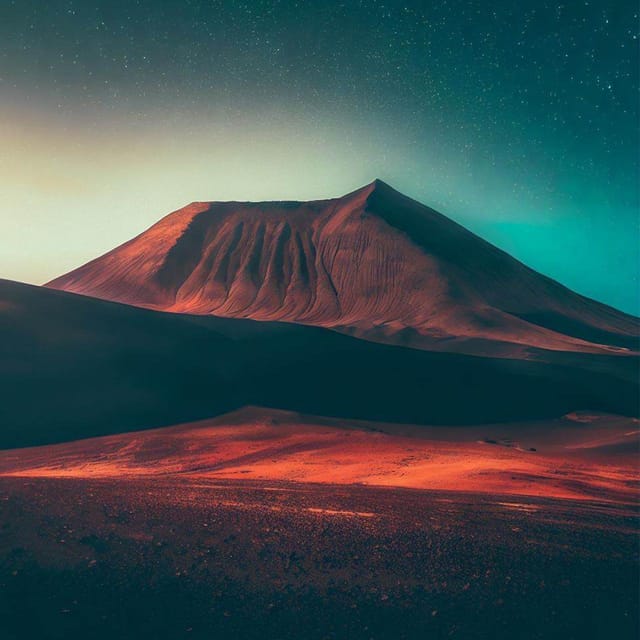
Once you are collected, the tour is built to get you to the right area before the sky show begins. Even the ride has a purpose. In the dark, a guided minibus setup helps you settle in, warm up mentally, and get ready for what you are about to see.
When people mention the experience, a recurring theme is the guide’s energy and the way the group stays comfortable. That matters more than you might think. Night tours can feel long if the pace is dull or if people get nervous on the walk. A good guide keeps the mood steady and makes sure everyone stays together.
You should also plan for a physical transition. This is not a flat stroll. You will climb to the crater edge, and the terrain can feel rocky. If you have mobility limits or you do not do well on uneven ground in the dark, you need to take that seriously.
That brings me to the “be ready” checklist.
What to bring (and why it actually affects your night)
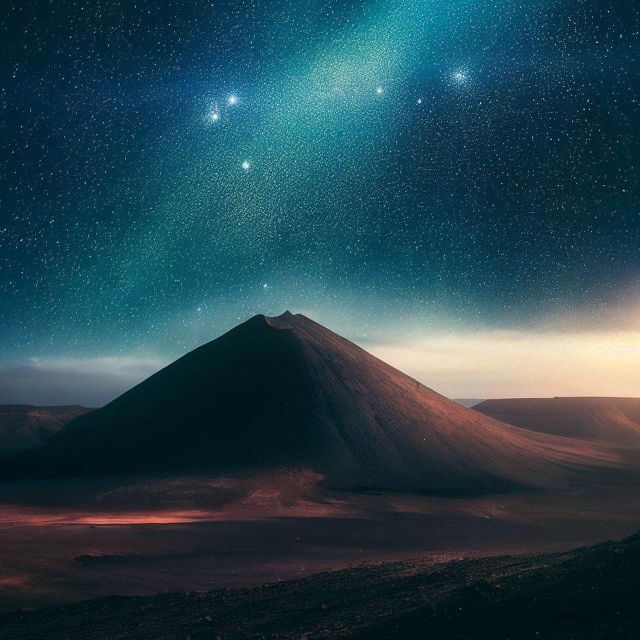
Bring comfortable shoes and closed-toe shoes. The crater walk is the core of the tour, and good footwear changes everything for balance and safety.
Pack a jacket. It can get cold and windy at night, and several guides include headlamps so you can see where you are stepping, but the air temperature still affects your comfort.
Also, wear clothing you can move in. This tour includes walking and a climb, and the whole point is to stay focused on the view rather than forcing yourself to rush because you are uncomfortable.
If you want photos, remember that stargazing works best when you keep your hands steady and your movements calm. The guide can help you find objects, but you still need to be prepared to stand still for a moment.
The crater edge climb: views you get before the stars
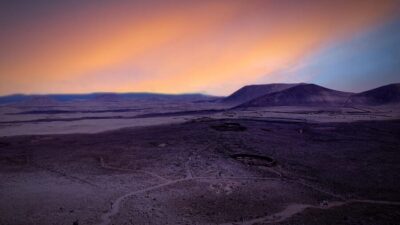
The tour’s first big payoff is reaching the edge of the Calderón Hondo crater. From there, you can take in a panoramic view that anchors the stargazing experience in real place.
You are looking out over Lajares, the dunes of Corralejo, and even Lanzarote. Seeing those landmarks helps you understand why the island’s nights are so special. It is not random darkness. It is island geography stretched beneath a wide sky.
The climb itself is part of the fun, but it is also where your comfort level matters. The tour is not suitable for people afraid of heights, and it is also not suitable for cruise ship guests and people over 65 years, plus babies under 1 year. Even if you are within the age guidelines, if you dislike steep or uneven walking, this is the section where you will feel it most.
If clouds hang around, the crater edge is also a good Plan B. Even without a full star show, you can still enjoy the volcanic terrain and the broad island view.
Inside the crater: stargazing that turns confusing into clear
This is the heart of the tour: you spend time observing constellations, planets, and the thousands of stars in the Milky Way. And you do not just get left alone with a blanket.
A standout from the experience is how the guide helps you aim your attention. Many people highlight that Viktor uses a laser pointer to show where to look, then supports it with an app on a tablet to map what you are seeing against the night sky. That turns guesswork into something you can actually follow.
In clear conditions, you can sometimes spot planets like Saturn and Jupiter. People also talk about seeing the Milky Way with the naked eye, which is exactly what you came for. The stars can look extra crisp because you are in a dark volcanic setting rather than a town with stray light.
Now, the honest part. Clouds can reduce what you see. The tour does not pretend to guarantee the Milky Way every time. You should treat the stars as the goal, and accept that the night may become a mix of partial breaks in cloud cover plus impressive crater views.
One more small but important detail: headlights are included. That helps you move safely without blinding yourself or fumbling for phone flashlights.
Fire, mythology, and astrology: what the sky lesson is really for
Here is what I like most about the cultural part: it explains why the sky is more than scenery. The tour connects astronomy with mythology and local tradition that centers fire and the sky.
You will learn about astronomy and mythology, including the idea that astrology held meaning for local people. In practice, this means you hear star stories while you are actively looking at stars. It stops the sky lesson from feeling like a lecture.
Instead, you get a layered understanding. You see the constellations, then the guide offers context for how people in the region traditionally related the sky to life, seasons, and beliefs. That adds emotion and memory, not just facts.
If you like travel that feels grounded in place, this angle is why the tour is more than a quick check-the-box stargazing evening.
Undecided so far? The rest of our Fuerteventura Island Excursions coverage
- Morro Jable: Dolphin & Whale Watching Cruise, Drinks & Swim
- From Morro Jable: Dolphin and Whale Watching and Snorkelling
- Fuerteventura: Cofete Beach Jeep Safari
- Fuerteventura: Lobos Island Round-Trip Speedboat Ticket
- Fuerteventura: Glass Bottom Boat Cruise with Lunch & Drinks
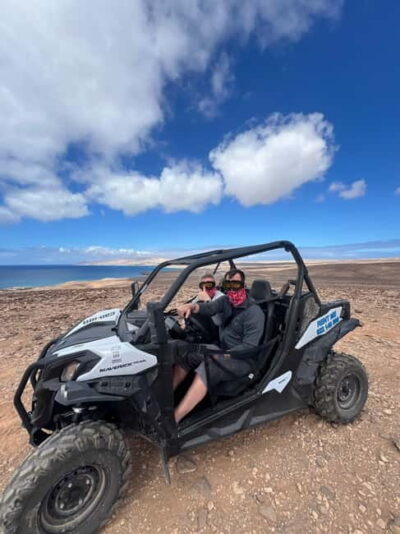
- Fuerteventura: Jandía Natural Park & The Puertito Buggy Tour
- Fuerteventura: Sailing with Snorkeling and Dolphin Watching
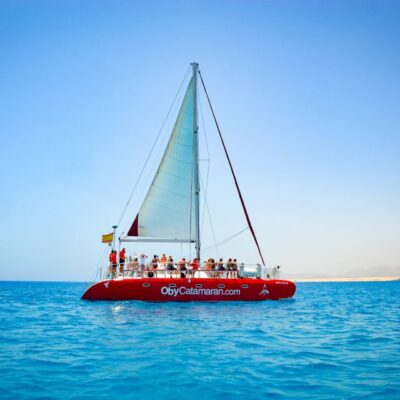
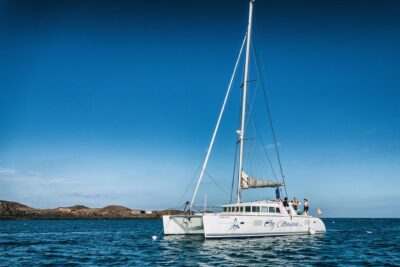
- Fuerteventura: Small-Group Magic Deluxe Catamaran Cruise
Cloud cover reality check: how to still enjoy a cloudy night
You are booking a nighttime sky experience. So you have to plan for the one variable you cannot control.
The tour notes that weather can affect what you see, and refunds will not be given if the stars are not visible due to the weather. That is a tough line, but it also tells you the operator is being realistic.
So how do you make the night still worthwhile?
First, show up dressed for the elements. A jacket is not a suggestion. If you are warm enough to relax, you will enjoy the crater walk and the storytelling even when the sky is partly blocked.
Second, let the guide run the plan. Viktor’s approach, as people describe it, is to keep things moving and make the session fun even when visibility changes. When clouds break, you get quick windows to see constellations and planets.
Third, treat it like a volcano tour with stargazing as the best part. That mindset reduces disappointment and increases enjoyment. You are still standing in an active volcanic crater with a dark sky and a guided explanation of what you are seeing.
Who should book this tour, and who should skip it
This experience is for you if you want something unusual for Fuerteventura. A volcano at night plus guided astronomy is a combo you cannot replicate with a rental car alone.
It is also a good fit if you like structure. The guide helps you find objects and keeps the experience friendly and engaging, including for people who might not feel confident with astronomy.
Skip it if any of these apply:
- You are afraid of heights, since you climb toward the crater edge.
- You are on a cruise ship, as the tour is not suitable for cruise ship guests.
- You are over 65 years, since the activity is listed as not suitable.
- You are bringing a baby under 1 year, since the activity is not suitable.
Also, think about footing. Even if you are not afraid of heights, rocky terrain in the dark can be hard on joints and balance.
Value for $53: what you are really paying for
The price includes the big essentials that make the experience work: guided tour, water, and headlights. Plus, if you select it, pickup and drop-off by bus from key areas on the island.
For me, the real value is the guide’s role in translating the sky. You can stand under stars anywhere, but it is much harder to find your way to what is interesting. Tools like a laser pointer and a sky app mean you leave the night understanding what you saw.
And the setting is the other half of the value. Calderón Hondo gives you the kind of darkness that helps the Milky Way pop, and the crater environment makes the whole thing feel more intimate than just driving to a lookout.
Food is not included, so plan for that. If you eat before you go, you eliminate most of the remaining “budget friction.”
Should you book the Fuerteventura guided stargazing at Calderón Hondo?
If you want a memorable night on Fuerteventura that mixes volcano terrain with real astronomy help, I think you should book it. The combination of crater-edge views over Lajares and Corralejo dunes, then a guided push toward constellations and the Milky Way, is exactly the kind of experience that makes a trip feel specific to this island.
Just go in with the weather mindset. Stars are the headline, but the volcano experience and cultural sky lesson still work, even when clouds steal part of the show. If you are comfortable walking on rocky ground, pack a jacket, and are okay with some uncertainty, this is an easy yes for a few hours well spent.
FAQ
What is the duration of the Calderón Hondo stargazing tour?
The tour duration is 3 hours, though it may vary depending on the client’s location.
Where is the meeting point if I do not choose transfer?
The meeting point is the Repsol h2go service station.
Is pickup and drop-off included?
Pickup and drop-off by bus from Corralejo, El Cotillo, and Puerto de El Rosario is included only if you select the Transfer option.
What languages are the guides available in?
The live tour guide is available in English, Italian, and Spanish.
What should I bring for the tour?
Bring comfortable shoes, a jacket, and closed-toe shoes.
Will I get a refund if the stars are not visible due to weather?
No. Refunds will not be given if the stars are not visible due to weather.
Is the tour suitable for everyone?
No. It is not suitable for people afraid of heights, cruise ship guests, people over 65 years, or babies under 1 year.
If you want, tell me when you’re traveling (month is enough) and where you’re staying on Fuerteventura, and I’ll help you decide if this night slot is likely to be a good fit.
Tours: the rest of our Fuerteventura write-ups
- Fuerteventura: Jandía Natural Park & The Puertito Buggy Tour
★ 4.3 · 1,263 reviews - From Fuerteventura: Lanzarote Volcano and Wine Region Tour
★ 4.4 · 1,220 reviews - Corralejo: Buggy Safari Tour
★ 4.6 · 1,174 reviews - Corralejo: Lobos Island Catamaran Tour with Drinks & Snorkel
★ 4.8 · 991 reviews - 2h Dolphin and Whale Viewing + Snorkeling Tour
★ 4.5 · 940 reviews
Further Fuerteventura Island Excursions we have reviewed
- Morro Jable: Dolphin & Whale Watching Cruise, Drinks & Swim
★ 4.1 · 4,158 reviews - From Morro Jable: Dolphin and Whale Watching and Snorkelling
★ 4.6 · 3,111 reviews - Fuerteventura: Cofete Beach Jeep Safari
★ 4.5 · 1,644 reviews - Fuerteventura: Lobos Island Round-Trip Speedboat Ticket
★ 4.8 · 1,473 reviews - Fuerteventura: Glass Bottom Boat Cruise with Lunch & Drinks
★ 4.4 · 1,317 reviews
Volcano and Stargazing Experiences we rated next
- From Fuerteventura: Lanzarote Volcano and Wine Region Tour
★ 4.4 · 1,220 reviews - Lanzarote Volcano and Wine Region Tour from Fuerteventura
★ 4.5 · 264 reviews - Fuerteventura: Calderón Hondo Volcano Tour
★ 4.7 · 188 reviews - From Fuerteventura: Sunset Hike at Volcano with Scenic Views
★ 4.7 · 122 reviews
Fresh off the desk: recent Fuerteventura experiences we have written up



Fuerteventura Island Excursions, side by side.
 ★ 4.1Morro Jable: Dolphin & Whale Watching Cruise, Drinks & SwimFrom $584,158 reviews
 ★ 4.6From Morro Jable: Dolphin and Whale Watching and SnorkellingFrom $593,111 reviews
 ★ 4.5Fuerteventura: Cofete Beach Jeep SafariFrom $741,644 reviews
 ★ 4.8Fuerteventura: Lobos Island Round-Trip Speedboat TicketFrom $181,473 reviews
 ★ 4.4Fuerteventura: Glass Bottom Boat Cruise with Lunch & DrinksFrom $881,317 reviews
 ★ 4.3Fuerteventura: Jandía Natural Park & The Puertito Buggy TourFrom $1651,263 reviews
 ★ 4.4From Fuerteventura: Lanzarote Volcano and Wine Region TourFrom $981,220 reviews
 ★ 4.7Fuerteventura: Sailing with Snorkeling and Dolphin WatchingFrom $1041,083 reviews
This tour also sits in