
Reviewed · FUERTEVENTURA ISLAND EXCURSIONS
Fuerteventura South: Learn to surf on stunning beaches!
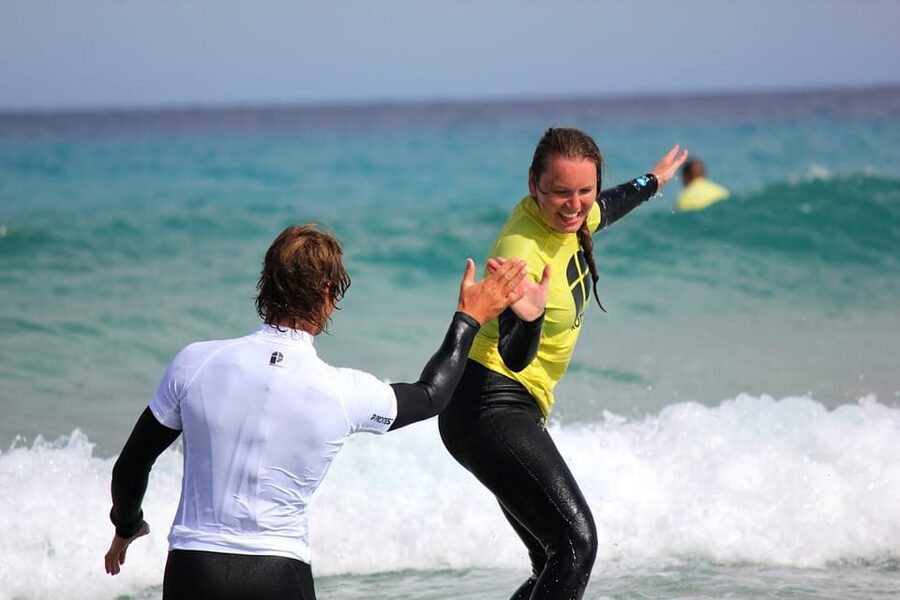
Your first wave is closer than you think. In South Fuerteventura, learning to surf at La Pared with Wellenkind Surfschool is built for beginners, with licensed coaches, a calm setup, and plenty of time in the water. It is also one of those rare activities where hotel pickup means you can focus on balance, not logistics.
What I like most is the small group size (max 8). That extra space matters when you are new, because instructors can watch your paddling, your timing, and your pop-up without rushing anyone. I also really appreciate the coaching quality, with instructors such as Amy, Annie, George, and Rolf showing up in the feedback as patient, helpful, and tuned into individual progress.
One consideration: surf conditions are always weather and tide dependent, so you might not get the same wave feel every day. Lesson times can shift based on conditions, and there can also be a short carry from the surf school area to the beach, which one person described as a bit tiring after surfing.
In This Review
- Key things I’d plan around
- La Pared in South Fuerteventura: Why it works for beginners
- Pickup from the south: What the logistics get you
- Inside your 2-hour lesson: From wetsuit to first stand
- If La Pared waves are off: Esquinzo or Jandía plan
- Gear, comfort, and what to pack so you enjoy it
- Who this surf lesson suits best
- Price and value: What $60 really includes
- Tips to get more from your first session
- Should you book this South Fuerteventura surf lesson?
- FAQ
- Where does pickup work for this surf lesson?
- How long is the surf lesson?
- What’s included in the price?
- Do I need to be able to swim?
- Are children allowed?
- Which beach do you surf at?
- What languages are the instructors?
- Is there a place to shower and change?
- What should I bring with me?
- Is food included?
Key things I’d plan around
- Max 8 per group, so you get real coaching attention, not a crowd-brief and good luck
- 2 hours at the beach for practice time, with about 4 hours total including transfer
- La Pared first, with a smart plan B to Esquinzo or Jandía if conditions at La Pared are not ideal
- Board and wetsuit included, plus shower and changing rooms at the south location
- Hotel pickup in the south (Las Playitas, Tarajalejo, La Lajita, Costa Calma, La Pared, Esquinzo, Morro Jable)
La Pared in South Fuerteventura: Why it works for beginners
La Pared is on Fuerteventura’s southwest coast, and it’s a go-to spot for learning because it is a sandy beach setting where you can actually get comfortable with the routine before you chase waves. The lesson is designed for first timers and people who want to improve technique, not just for anyone who already knows what they are doing.
The coaching flow is also beginner-minded. You start with the basics and ocean safety, then move to paddling, and finally pop-up technique. That order is important. If you skip the safety and paddling piece, standing up becomes guesswork. Here, they build the steps so you can repeat them while you are tired and the water is moving.
The vibe also helps. Because the group stays small, the lesson feels supportive rather than chaotic. One of the repeated themes in the feedback is that people actually felt guided the whole time, with attention that helped them progress faster than they expected.
Pickup from the south: What the logistics get you
This is one of those “start happy” activities. Your session includes hotel pickup and drop-back across the southern area of Fuerteventura, including Las Playitas, Tarajalejo, La Lajita, Costa Calma, La Pared, Esquinzo, and Morro Jable.
Why you should care: if you have done surf lessons before, you know how much time is wasted on finding parking, wrangling gear, and walking too far in the wrong shoes. Here, the bus has the school’s logo, and pickup times are shared ahead of time via the booking email system, with possible follow-up by WhatsApp, email, or phone. It is not just convenient. It keeps the lesson start from turning into a stressful scramble.
Another practical win: this surf school is noted as the only one in the south area with shower and changing rooms. That matters because surf days can leave you cold, salty, and sandy. Being able to rinse off and change before heading back is a big value add.
And because the group is capped at 8, the instructor can keep the rhythm of the lesson while you are still learning the basics. That pacing is where beginners usually either improve or give up.
Undecided so far? The rest of our Fuerteventura Island Excursions coverage


Inside your 2-hour lesson: From wetsuit to first stand
Your day starts at the surf school, where you get your wetsuit and surfboard. Then you head to the beach with your coach. Once you arrive, you get a short briefing on the sand, then you go into the water.
Plan on roughly 2 hours of lesson time on the beach, which is the core of why this works. Many “short” activities skim the water time. Here, the format is built to maximize actual practice. In plain terms, you spend time doing the thing, not just watching or waiting for turns.
In the water, the lesson covers:
- ocean safety basics (how to handle the water responsibly)
- paddling skills (getting into position with less effort)
- pop-up technique (moving from prone to standing with better timing)
- repeated practice so you can make small corrections and keep going
The feedback includes plenty of first-timer wins. People described managing to stand on the board by the end of the lesson, even when they were new to surfing and not naturally sporty. That lines up with the step-by-step teaching approach.
One note I’d factor in: surfing uses muscles you do not always train for. One person specifically called it a workout and said it felt exhausting. If you have stiff legs or you have not been doing much movement lately, expect to feel it the next day.
If La Pared waves are off: Esquinzo or Jandía plan
Surf is not a theme park. Conditions change. That is why Wellenkind uses a smart rule: if La Pared is not suitable for the day, you will go to either Esquinzo or Jandía, both also on the south side with sandy beaches and consistent wave potential.
This matters for your experience. When you are learning, the wrong conditions can turn progress into frustration. The plan is basically protecting your lesson quality. You are not locked into one beach no matter what the ocean is doing.
There’s also a subtle benefit: you get to see more of South Fuerteventura. Even if you planned for La Pared, a shift to Esquinzo or Jandía can still deliver a strong beginner surf day, as long as the instructors judge conditions properly.
Do not read this as a guarantee of big waves. The feedback includes a case where the waves were less than expected, but the lesson was still considered worthwhile. The takeaway for you is simple: focus on learning the technique and letting the coaches choose the best setup for the day.
Gear, comfort, and what to pack so you enjoy it
The big gear items are handled for you: surfboard and wetsuit are included. That is a real value point because wetsuits and boards are the parts that make surf lessons feel expensive and complicated when you try to do it on your own.
You will still want to think about comfort. Bring a change of clothes and a towel, plus sunscreen and water. The lesson is in the sun, and you will be in salty wind, so water and sun protection are not optional if you want to stay comfortable.
If you hate the idea of sandy clothing for the rest of the day, the changing rooms and shower in the south location are a big deal. Add in hotel pickup and drop-back, and your day stays smooth.
Photos are optional. There is an on-site photographer you can book with, and some people said the photos look amazing but can be expensive. If you want that souvenir but you are watching your budget, ask about pricing in advance once you are there.
Finally, consider the walk. One review mentioned needing to carry the boards from the school area to the beach for a short, uphill-ish route around 15 minutes. It was not described as impossible, but it could be tough if you are tired or if you are traveling with someone who has less upper body strength. If you want to keep things as easy as possible, plan for a little walking with gear.
Who this surf lesson suits best
This is a beginner-focused lesson with technique support. It is described as perfect for:
- first-time surfers
- beginners who want ocean safety and correct fundamentals
- anyone who wants to improve technique with certified surf instructors
Language options include English, German, and Spanish, so you are unlikely to be stuck if you do not speak Spanish.
There are clear limits. It is not suitable for children under 8, and it is not suitable for non-swimmers. If you are not confident in water, this one is not the right starting point. Also, if you have a very young kid, you would need a different activity that fits the age requirement.
It is also a nice solo-friendly option. With small groups and step-by-step coaching, you are not forced into a “look how cool I am” dynamic. People described feeling individually supported, which is especially helpful when you are traveling alone and you want to learn without feeling self-conscious.
Price and value: What $60 really includes
At $60 per person, the value depends on what you avoid doing yourself. Here’s the practical math from what’s included:
- You get hotel pickup and drop-back in the southern area.
- You get a 2-hour beach lesson, designed for practice time.
- You get a surf board and wetsuit.
Those are the three cost and hassle categories that usually push surf lessons upward: transport, equipment, and instruction. Even if you compare just time and convenience, that’s a strong deal for a beginner lesson.
What can change your total cost is optional extras. Photos can be booked on site, and one review mentioned they were expensive. Food and drinks are not included, so you will want to bring a snack strategy or plan to eat before or after.
Overall, I see this as good value if your priority is learning in a small group with real coaching attention, rather than a rushed “try it once” experience.
Other Surf Lessons and Coasteering we sat down and reviewed
Tips to get more from your first session
Want the best odds of standing up, or at least feeling in control fast? Here are a few things that fit this lesson style.
1) Arrive ready for the beach
Bring your change of clothes, towel, sunscreen, and water. This keeps you from rushing and skipping the basics before you even hit the sand.
2) Treat it like a skills lesson, not a performance
The lesson is built around safety, paddling, and pop-up technique. If you keep that in mind, you are more likely to get corrections that actually help.
3) Pace yourself in the water
Surfing is exhausting. Even when you are doing well, you can burn energy fast. If you feel wiped out, take the coaching feedback and focus on the next try, not the last miss.
4) Listen for the small adjustments
The strongest coaching moments for beginners are usually simple: hand position, timing, or how you rise. With max 8 in the group, you should get more direct cues than in larger classes.
5) If you are uneasy about conditions, trust the plan
Because La Pared can switch to Esquinzo or Jandía based on suitability, you are not stuck with a bad setup. Let the instructors guide what you should do that day.
Should you book this South Fuerteventura surf lesson?
Book it if you want a beginner surf experience in South Fuerteventura that feels structured and safe, with small group sizes, board and wetsuit included, and hotel pickup. I also think it’s a smart choice if you care about practice time, because you get around 2 hours on the beach rather than just a quick taste.
Consider skipping or choosing carefully if you:
- cannot swim, since it is not suitable for non-swimmers
- need something for children under 8
- strongly prefer zero walking with gear, because there may be a short carry from the school area to the beach
- are very budget-sensitive about photos, since optional photographer shots can cost extra
If your goal is to learn the fundamentals and come away feeling more confident, this lesson checks the boxes. The combination of licensed instructors, small group attention, and the best-spot-of-the-day approach makes it a solid first step into Fuerteventura surfing.
FAQ
Where does pickup work for this surf lesson?
Pickup is included in the south of Fuerteventura for areas including Las Playitas, Tarajalejo, La Lajita, Costa Calma, La Pared, Esquinzo, and Morro Jable.
How long is the surf lesson?
The lesson time at the beach is around 2 hours, and the total experience is around 4 hours including transfer.
What’s included in the price?
It includes a surf board, a wetsuit, and hotel transfer. It also includes the 2-hour beach lesson.
Do I need to be able to swim?
Yes. The activity is not suitable for non-swimmers.
Are children allowed?
Children under 8 are not suitable for this lesson.
Which beach do you surf at?
La Pared is the main beach. If conditions are not suitable, the group will go to Esquinzo or Jandía.
What languages are the instructors?
Instructors are available in English, German, and Spanish.
Is there a place to shower and change?
Yes. This surf school is noted as the only one in the south with shower and changing rooms.
What should I bring with me?
Bring a change of clothes, a towel, sunscreen, and water.
Is food included?
No. Food and drinks are not included.
More Surf Lessons and Coasteering from the notebook
- Fuerteventura: Surfing Lesson in the south of Fuerteventura
★ 4.8 · 354 reviews - Lezioni di Surf per Beginner e Intermedi (6 persone a istruttore)
★ 5.0 · 350 reviews - Fuerteventura: Surf Lesson for All Levels and Ages
★ 4.8 · 205 reviews - Surf Beginner Course
★ 5.0 · 196 reviews - Fuerteventura : Corralejo Surf Lesson
★ 4.7 · 186 reviews
Further Fuerteventura Island Excursions we have reviewed
- Morro Jable: Dolphin & Whale Watching Cruise, Drinks & Swim
★ 4.1 · 4,158 reviews - From Morro Jable: Dolphin and Whale Watching and Snorkelling
★ 4.6 · 3,111 reviews - Fuerteventura: Cofete Beach Jeep Safari
★ 4.5 · 1,644 reviews - Fuerteventura: Lobos Island Round-Trip Speedboat Ticket
★ 4.8 · 1,473 reviews - Fuerteventura: Glass Bottom Boat Cruise with Lunch & Drinks
★ 4.4 · 1,317 reviews
Fresh off the desk: recent Fuerteventura experiences we have written up


Fuerteventura Island Excursions, side by side.
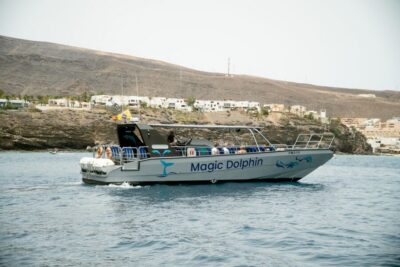 ★ 4.1Morro Jable: Dolphin & Whale Watching Cruise, Drinks & SwimFrom $584,158 reviews
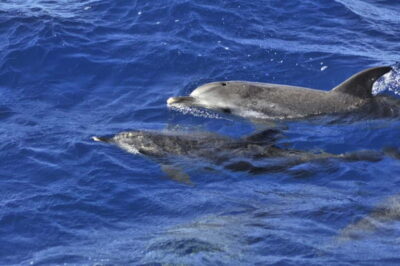 ★ 4.6From Morro Jable: Dolphin and Whale Watching and SnorkellingFrom $593,111 reviews
 ★ 4.5Fuerteventura: Cofete Beach Jeep SafariFrom $741,644 reviews
 ★ 4.8Fuerteventura: Lobos Island Round-Trip Speedboat TicketFrom $181,473 reviews
 ★ 4.4Fuerteventura: Glass Bottom Boat Cruise with Lunch & DrinksFrom $881,317 reviews
 ★ 4.3Fuerteventura: Jandía Natural Park & The Puertito Buggy TourFrom $1651,263 reviews
 ★ 4.4From Fuerteventura: Lanzarote Volcano and Wine Region TourFrom $981,220 reviews
 ★ 4.7Fuerteventura: Sailing with Snorkeling and Dolphin WatchingFrom $1041,083 reviews
This tour also sits in