
Reviewed · SERRA DE TRAMUNTANA AND SÓLLER
Sóller: Jardines de Alfabia Entrance Ticket
Alfabia is a history lesson you can walk through. In one ticket, you get a classic Mallorcan house with over 500 years behind its walls, plus Arab-inspired gardens tucked in the Serra de Tramuntana UNESCO landscape. I love that the site feels designed for wandering, not rushing.
My other favorite part is the garden-to-house contrast. You stroll through cooling Arab gardens, then step into a home where multiple European and Moorish styles seem to share the same rooms. The one downside: garden color and the overall feel can vary with the season, so winter blooms can be lighter than you hope for.
In This Review
- Key things to know before you go
- Alfabia in the Serra de Tramuntana, what makes it special
- The old house with Roman-Andalusian roots and layered European styles
- Arab-style gardens, fountains, and the tree-lined route
- What the English garden influence looks like in practice
- When to go: winter calm vs early spring bloom
- How to plan your 1-day visit without rushing
- Price and value for an Alfabia entrance ticket
- Getting there from Palma and around Sóller
- Who should book this, and who might want a different stop
- Should you book Jardines de Alfabia?
- FAQ
- How long is the visit?
- What is included in the ticket price?
- What is the price per person?
- What is the last time I can enter?
- Can I cancel for a full refund?
- Can I reserve now and pay later?
- How can I get there using public transportation from Palma?
- Is there a way to travel by train?
- Do visitors need to wear anything during the visit?
Key things to know before you go
- A 500 plus year house: Layers of Roman-Andalusian roots and later European styles are visible as you move room to room.
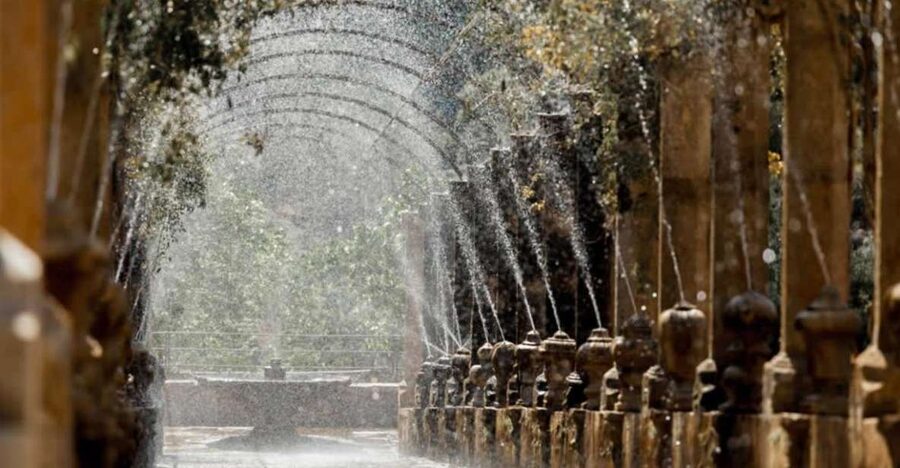
- Arab gardens with English garden design influence: Plan for wide paths, fountains, and carefully framed views.
- The tree-lined avenue: There is a wide avenue that leads you toward the traditional patio, with three lanes of large plane trees.
- Water and hydrangeas: Expect fountains and hydrangeas as recurring garden details.
- Season matters: If you’re visiting when blooms are low, you can still enjoy the setting, but it may feel less showy.
- You’ll wear an ID bracelet: Expect this at the site, during your visit.
Alfabia in the Serra de Tramuntana, what makes it special
Alfabia is one of those places where the setting is doing half the job. It sits in the Serra de Tramuntana area, a UNESCO World Heritage Site, and the whole complex feels like it belongs to Mallorca’s mountain world: stone, shade, and walkable outdoor rooms.
What I really like is that you are not just seeing a pretty garden. You’re seeing how Mallorca absorbed different cultural influences over time, and you can feel those changes in the layout and details. In the gardens, you get the calm, ordered feel of Arab-style planting and water features. In the house, the decoration shifts across eras, so the building reads like a timeline you can walk through.
One practical note: this is a visit that rewards slow movement. If your plan is only quick photos and out the door, you’ll miss the charm.
The old house with Roman-Andalusian roots and layered European styles
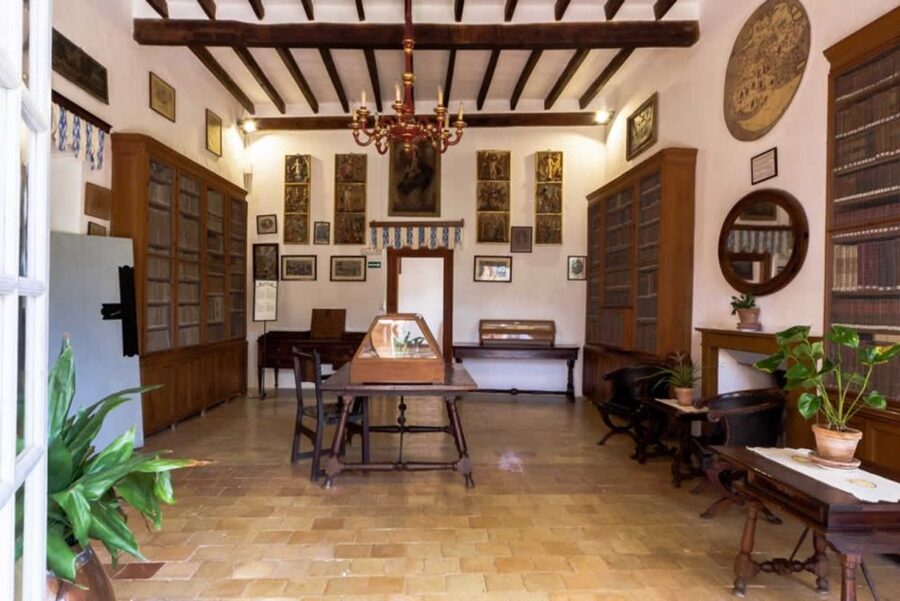
The heart of Alfabia is the typical Mallorcan house, and it’s not a small, modern reproduction. You’re looking at a building with history stretching back more than 500 years, and the real excitement is how many eras show up in the same place.
As you tour the house, you’ll notice the way Roman-Andalusian roots connect to later artistic additions. The site describes a combination of Roman-Andalusian foundation and elements linked to Arabic, Gothic, Renaissance, Baroque, Roman, Rococo, and even English decoration. That list might sound like trivia, but the effect is visual. You’ll see how decorative choices changed over centuries, and how the complex still feels balanced instead of chaotic.
This is also where the concept of conservation meets evolution. The complex is presented as a model of respect for the past, plus ongoing change. That matters for you as a visitor because the house does not feel like a museum frozen in one era. It feels like a living record of how taste and building style evolved.
If you’re sensitive to “museum-like” indoor areas, keep an eye on expectations. Some visitors have found the indoor exhibition less cohesive than they wanted. It’s still worth your time, but I’d treat the house mainly as a place to appreciate the architecture and rooms, not as one perfectly focused display.
Reviewed and rated alongside this one, further Serra de Tramuntana and Soller


Arab-style gardens, fountains, and the tree-lined route
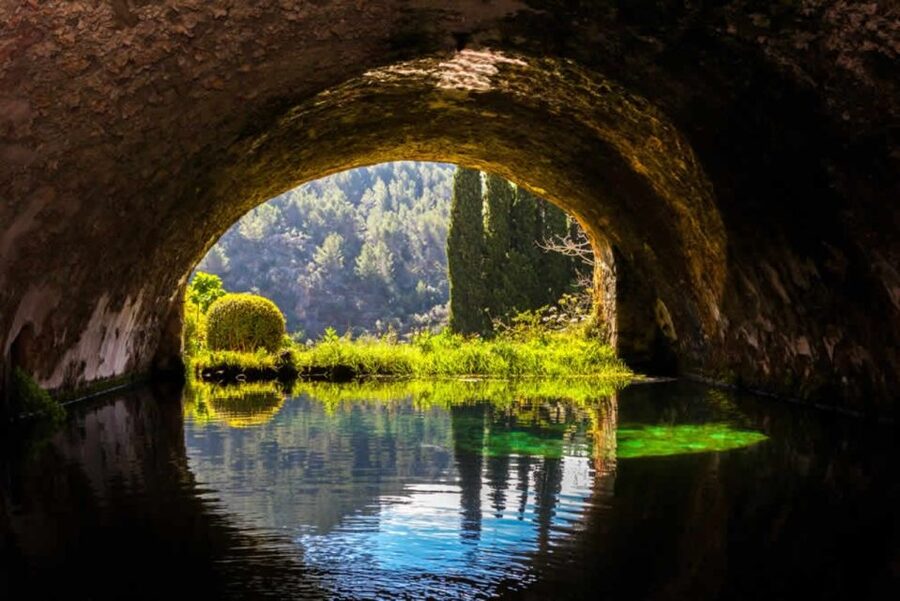
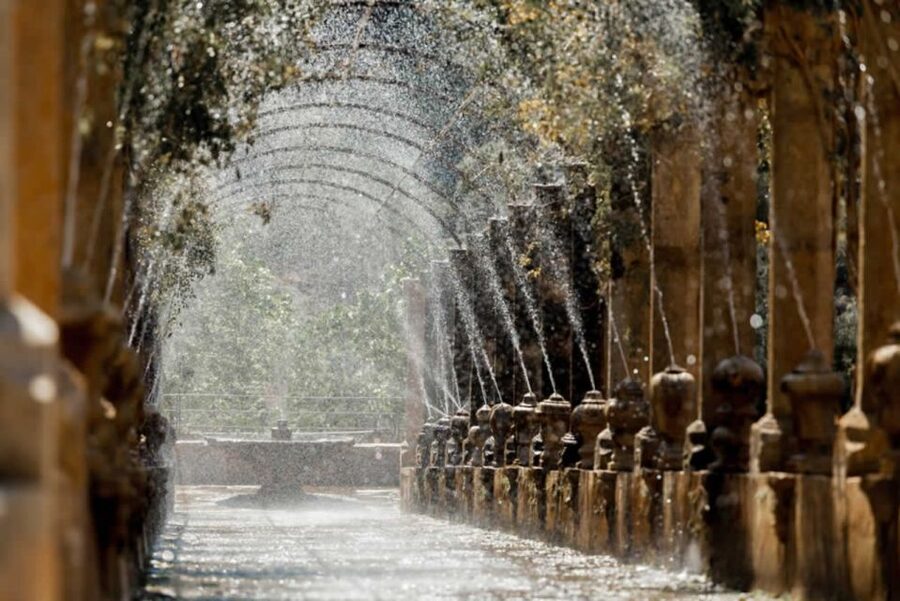
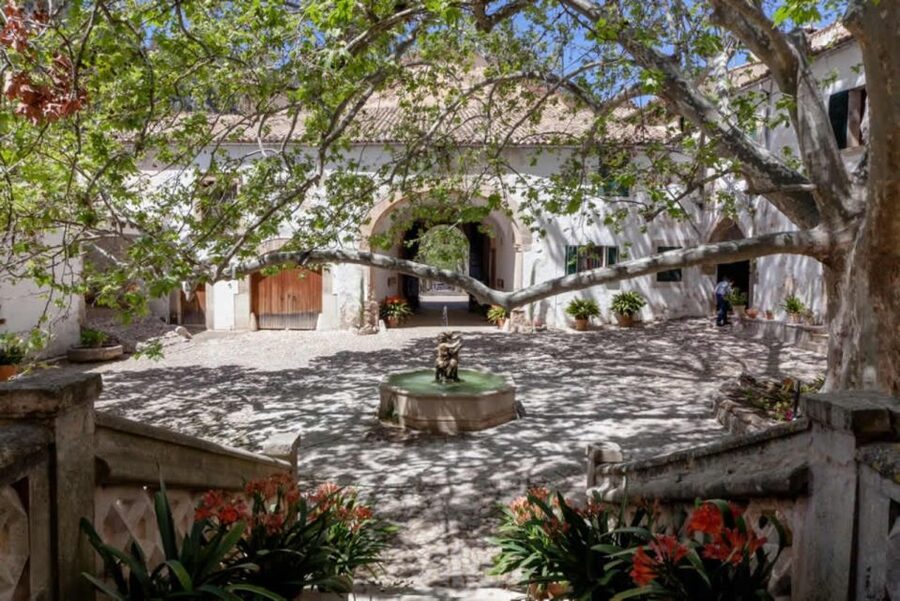
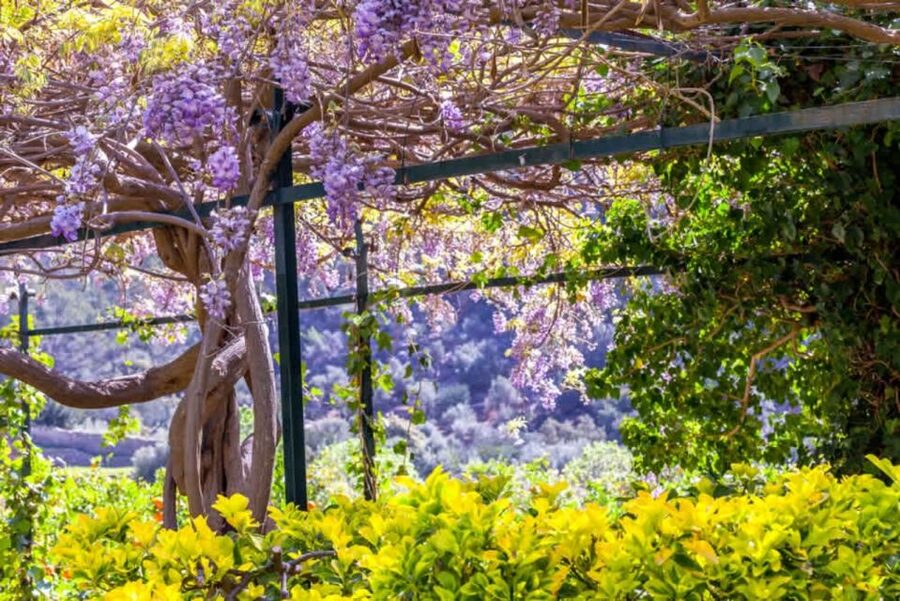
Then you step outside, and the experience changes pace. The Arab gardens are the cooling, sensory part of Alfabia, and they’re built to encourage strolling. You’re not just following narrow paths. You’re moving through outdoor spaces that feel like rooms made of plants and water.
One of the most specific details here is the avenue leading toward the traditional patio. The garden design includes a wide avenue made up of three lanes of large plane trees. That tree corridor does two things for you: it gives you shade and it creates a strong sense of direction, so the walk feels purposeful.
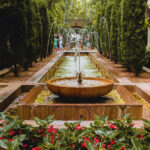
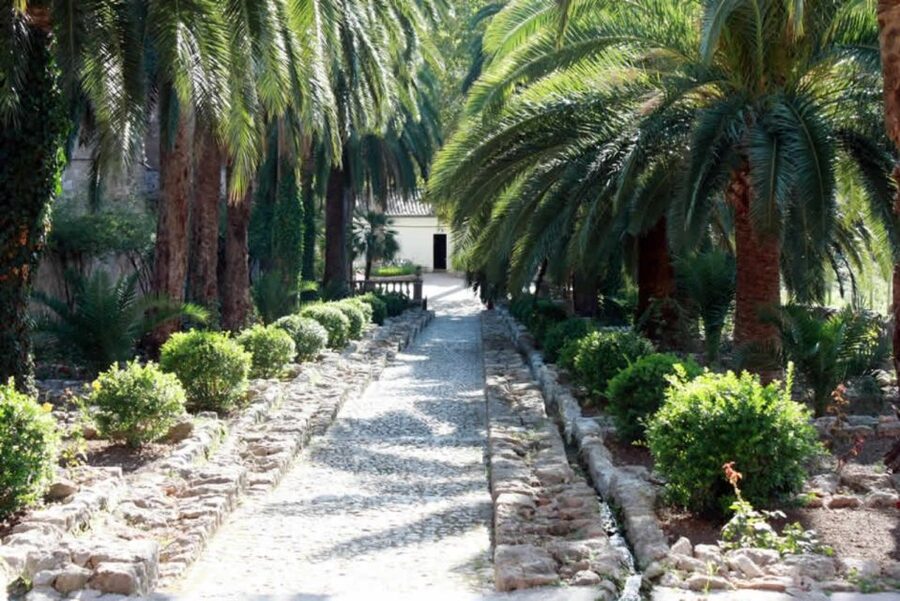
The gardens also include water fountains and hydrangeas. Even when blooms are not at their peak, water always helps. It adds sound, freshness, and a sense that the garden was designed for comfort, not just beauty.
And then there’s that English garden influence, which shows up in how the garden paths open and how the layout guides your eye. It’s described as a clear influence of English landscaping. I find that blend is part of the charm: you get an Arab garden mood plus European garden planning, all on the same ground.
What the English garden influence looks like in practice
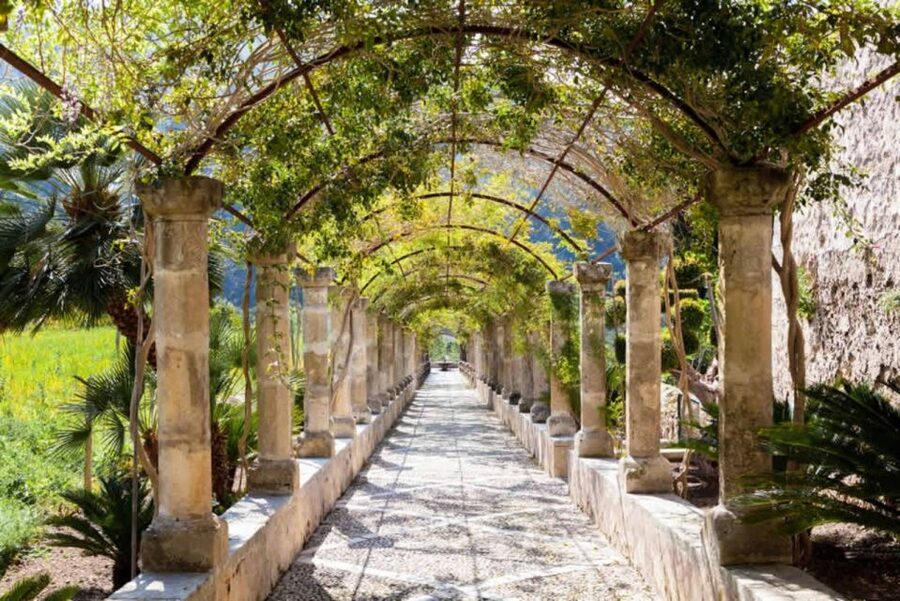
So what does “English landscaping” mean here, as a real visitor experience? For me, it shows up in the rhythm of movement and framing. Instead of only tight courtyards or enclosed planting, you get a broad, structured walkways feel.
The three-lane plane tree avenue is a great example. You can see how the garden wants you to move forward, pause, and then continue. It turns the garden into a series of views rather than a single spot to stand.
The English influence also pairs nicely with the Arab-style water elements. Arab gardens are often associated with coolness and controlled environments. Add in English planning and you get a more open, strolling-friendly experience that still keeps that calm, sheltered feeling.
This matters for planning, too. If you want a garden visit where you can walk for an hour without feeling like you’re tracing the same route twice, Alfabia is a solid pick. It’s not just “pretty corners.” It’s a guided-by-design route.
When to go: winter calm vs early spring bloom
Timing is the difference between gardens that feel like a show and gardens that feel like a quiet retreat.
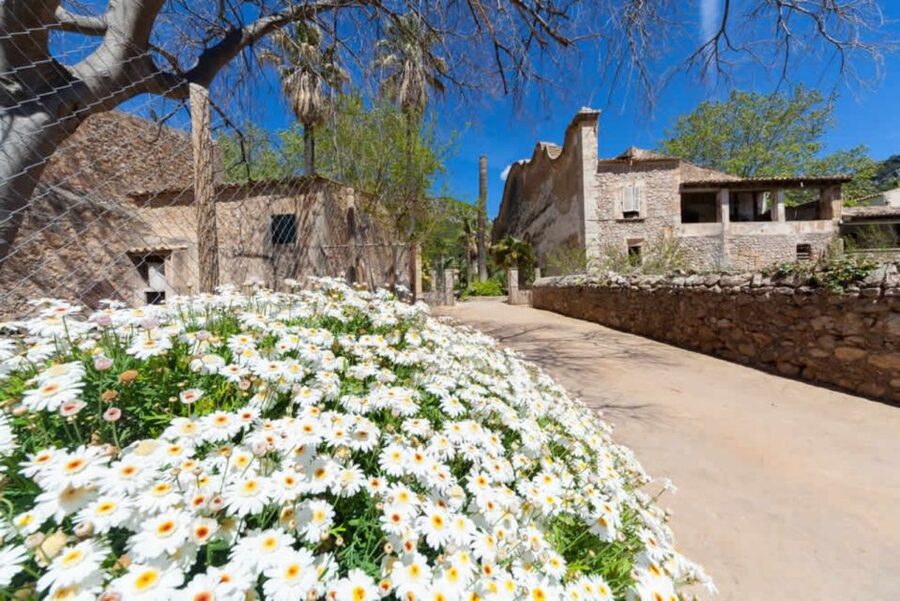
In February, the gardens can still be enjoyable, even if you should not expect a full bloom festival. One visitor experience described the gardens as beautiful and charming in February, with a recommendation to visit early spring when flowering kicks in. If you’re the type who wants hydrangeas and flowers looking their best, early spring is your safer bet.
If you visit in a colder or less flower-heavy period, you might still love the shaded walks and fountain atmosphere. But there’s a chance the overall color looks muted. That same seasonal factor also affects how you perceive maintenance. In one critical experience, some trees were described as sick and the gardens as only moderately maintained. I’m not going to claim that’s always the case, but it’s a reminder that garden conditions shift.
My practical advice: if your dates are fixed and you’re going outside spring, go in expecting atmosphere first and peak blossoms second.
How to plan your 1-day visit without rushing
Because this is an entrance ticket experience valid for 1 day, you have more control than many group tours. You can set your own pace between the house and the gardens, and that flexibility is a big part of the value.
Give yourself enough time to do both properly. The house needs time because it’s layered and detail-based. The gardens need time because they are a walking route and the best moments happen as you move, not from one single spot.
Also remember the timing rule: the last entrance is 60 minutes before closure. That matters more than people think. If you arrive late, you may only get the start of the experience and end up feeling like you paid for a partial visit. I’d treat that last entrance window as your hard cutoff, not a “maybe.”
Comfort-wise, this is outdoors much of the time. Wear shoes you don’t mind walking in, and bring water if you’re visiting warm months. Plan for sun and shade, because the avenue with large plane trees helps, but you’ll still move between indoor and outdoor spaces.
If you’d like a small local treat, one review mentioned fresh orange juice made from oranges of the area. That’s the kind of detail that makes a garden visit feel complete, like you’re part of the place rather than just passing through.
Price and value for an Alfabia entrance ticket
At about $11 per person for an entrance ticket, Alfabia is surprisingly good value if you care about cultural layers, not only scenery.
Here’s why the math works:
- You’re paying for two big experiences in one: a centuries-old house and the Arab-style gardens.
- The site spans different styles and materials across eras, which gives you more “content” than a typical single-genre garden.
- It’s a UNESCO area visit without needing to add multiple stops to “make the day worth it.”
Could it be less satisfying if you only want flowers and nothing else? Yes. If your main goal is a garden full of blossoms in peak season, and you show up when flowering is light, the garden might feel less spectacular. But if you’re there for atmosphere, architecture, and the mix of design influences, the price still makes sense.
And if you like flexibility, there’s a clear approach to planning: you can reserve your spot and pay later, which helps if your schedule is still uncertain.
Reviewed and rated alongside this one, further Tickets in Mallorca
- Palma: Cathedral of Mallorca Skip-the-Line Entry Ticket
- Porto Cristo: Caves of Hams Entry Ticket
- Mallorca: Palma Aquarium Entry Ticket w/ Optional 3D Cinema
- Mallorca: Dinosaurland and Caves of Hams Combined Ticket
- La Almudaina Palace Entry Ticket
- Manacor: Rafa Nadal Exhibition Entry Ticket
- Magaluf: Pirates Adventure Dinner Show Ticket
- Palma: Caves of Genova Ticket & Digital Informational Video
Getting there from Palma and around Sóller
Getting to the site is part of the decision for many people, so it helps to know your main options.
From Palma, you can reach the location by public transportation using Palma bus Line 211. The departure times are listed on the official transport site from Palma to the relevant connections. The exact timing will depend on the day, so check the schedule close to your travel dates.
You can also use the Sóller Train. Departure times are available through the train schedule page for Tren de Sóller, so you can line up your train with the window you want for the last entrance.
If you’re staying in the Palma area, a simple strategy is: plan your route so you arrive with plenty of time before the last entrance cutoff. That gives you wiggle room if traffic, walking time, or station timing runs a little late.
Who should book this, and who might want a different stop
This experience fits best if you enjoy:
- architectural details and how styles change over time
- gardens where design guides your walking route
- a slower day in a place that feels curated by time and place
It’s also a good choice for couples, solo travelers, and families who are comfortable with walking and want a mix of house interior and outdoor space.
You might consider a different option if:
- you’re only coming for peak spring flowers and your trip lands in a bloom-light season
- you expect every indoor exhibition to feel tightly focused, because at least one experience described the exhibition as lacking coherence
Should you book Jardines de Alfabia?
Book it if you want a one-day visit that mixes a centuries-old Mallorcan house with Arab-style gardens, plus the extra bonus of that English garden design influence. The value is strong for the price, and the “walk-through history” feel is exactly the kind of stop that makes Mallorca more than beaches and viewpoints.
If your dates are winter or late season, go anyway, but adjust expectations: you’re here for atmosphere, architecture, and shaded strolling, not a guaranteed explosion of blooms. If you’re going for hydrangeas and flowers at their best, aim for early spring when the garden is more likely to be in its prime.
Either way, remember the last entrance is 60 minutes before closure, so plan around that and you’ll avoid the most common regret.
FAQ
How long is the visit?
The experience is valid for 1 day. Exact starting times depend on availability.
What is included in the ticket price?
The ticket includes entrance fees.
What is the price per person?
The price is listed as $11 per person.
What is the last time I can enter?
The last entrance is 60 minutes before closure.
Can I cancel for a full refund?
Yes, free cancellation is offered up to 24 hours in advance for a full refund.
Can I reserve now and pay later?
Yes. You can reserve your spot and pay nothing today.
How can I get there using public transportation from Palma?
You can use Palma bus Line 211. Departure times are available on the TIB schedule website.
Is there a way to travel by train?
Yes. You can use the Sóller Train, and you can check departure times using the Tren de Sóller schedule page.
Do visitors need to wear anything during the visit?
You may be asked to wear an identification bracelet during the visit.
Tickets: the rest of our Mallorca write-ups
- Palma: Cathedral of Mallorca Skip-the-Line Entry Ticket
★ 4.6 · 14,386 reviews - Porto Cristo: Caves of Hams Entry Ticket
★ 4.2 · 6,548 reviews - Mallorca: Palma Aquarium Entry Ticket w/ Optional 3D Cinema
★ 4.5 · 2,280 reviews - Mallorca: Dinosaurland and Caves of Hams Combined Ticket
★ 4.5 · 1,167 reviews - La Almudaina Palace Entry Ticket
★ 4.4 · 874 reviews
Serra de Tramuntana and Soller: the rest of our write-ups
- Sóller: Boat Trip to Sa Calobra and Torrent de Pareis
★ 4.4 · 690 reviews - Alcudia/Marratxi: Valldemossa & Soller Tour by Tram & Bus
★ 4.7 · 499 reviews - Mallorca Full-Day VIP Tour: Valldemossa, Deià & Sóller Experience
★ 5.0 · 270 reviews - Palma: Tramuntana Full-Day Tour with Sóller Train and Lunch
★ 4.9 · 213 reviews - Valldemosa and Valley of Soller Tour in Mallorca
★ 4.5 · 192 reviews
Fresh off the desk: recent Mallorca experiences we have written up





Serra de Tramuntana and Sóller, side by side.
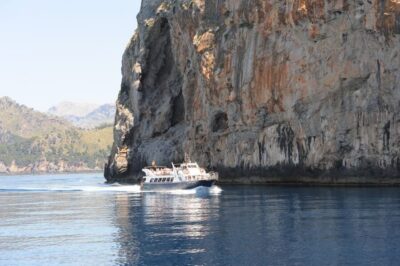 ★ 4.4Sóller: Boat Trip to Sa Calobra and Torrent de PareisFrom $40690 reviews
 ★ 4.7Alcudia/Marratxi: Valldemossa & Soller Tour by Tram & BusFrom $58499 reviews
 ★ 5.0Mallorca Full-Day VIP Tour: Valldemossa, Deià & Sóller ExperienceFrom $114270 reviews
 ★ 4.9Palma: Tramuntana Full-Day Tour with Sóller Train and LunchFrom $230213 reviews
 ★ 4.5Valldemosa and Valley of Soller Tour in MallorcaFrom $59192 reviews
 ★ 4.1Palma, Cathedral & Valldemossa: Guided walking TourFrom $40182 reviews
 ★ 4.6Mallorca: Day Trip to Hidden Gems of Tramuntana with LunchFrom $147111 reviews
 ★ 4.5From Palma: Serra Tramuntana and Lluc Monastery Guided TourFrom $118111 reviews
This tour also sits in