
Reviewed · TENERIFE ISLAND EXCURSIONS
Santa Cruz de Tenerife: Beginner’s Diving & Introduction
Breathing underwater feels unreal at first. This beginner scuba try session in Santa Cruz de Tenerife walks you through an equipment walkthrough on land, then takes you into the water for a guided first experience around 6 meters. You’ll get clear, step-by-step coaching so your brain knows what to do before your lungs start working differently.
Two things I really like: the calm, patient way the instructors teach gear and safety, and the way you can still see fish and sea life at shallow depth. In small groups, it also feels easier to settle in and ask questions, instead of guessing and hoping.
One drawback to plan for: this isn’t for everyone. It’s not suitable for kids under 8, pregnant women, people with respiratory issues or back problems, anyone with recent surgery, or people over 70, and you also need to leave at least 24 hours between your session and your next flight.
In This Review
- Key Highlights You Should Care About
- Why Santa Cruz de Tenerife Works So Well for First-Timers
- The 3 Hours, Step by Step: From Check-In to Your First Underwater Breath
- Arrival and gear setup (about 0h to 1h)
- Water entry and your first controlled underwater session (about 1h to 2h)
- Back on land, shower, and photos/video (about 2h to 3h)
- The Instructor and Equipment Lesson That Makes You Feel Safe
- What the Underwater Experience Feels Like at 6 Meters
- The weightlessness feeling
- The marine life payoff
- How “easy” it feels depends on you
- Small Group Size, Real Pacing, and What You Get in Return
- Price and Value: Is $89 Worth It?
- Who Should Book, and Who Should Skip This Session
- You’ll likely enjoy this if:
- You should skip if any of this fits you:
- Timing, Travel Planning, and What to Bring
- Should You Book This Beginner Scuba Session?
- FAQ
- How deep do I go during the beginner scuba session?
- How long is the activity in total?
- What do I need to bring?
- What is the minimum age?
- Is the activity suitable for everyone?
- What languages are the instructors?
- How big is the group?
- What’s included after the underwater part?
Key Highlights You Should Care About
- 6-meter first-timer depth with guided support throughout
- Small group (up to 8) so you get personal attention
- English or Spanish instructors for hands-on teaching
- 30 to 45 minutes in the water plus a full gear briefing
- Photos and souvenir material, plus a short video and photo viewing after
- Hot showers and a drink to help you reset after
Why Santa Cruz de Tenerife Works So Well for First-Timers
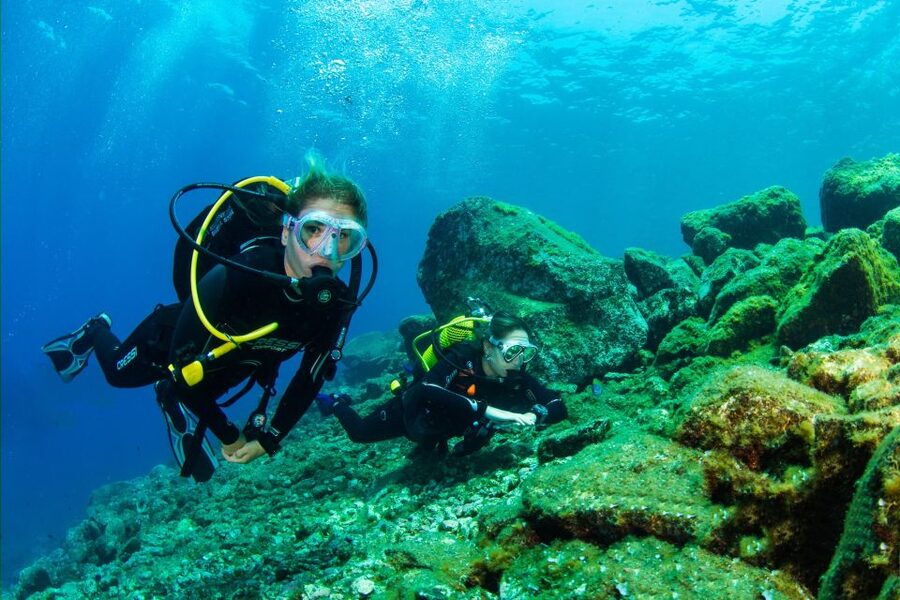
Santa Cruz de Tenerife is one of those places where you can try scuba without turning your day into a big production. You get to start close to the coast, and the experience is designed for beginners who want the feeling of controlled breathing underwater without complicated goals.
The water time is short on purpose. You’re not chasing distance or performance. Instead, you focus on the basics: getting comfortable with your equipment, learning what each piece does, and understanding how your body behaves in the water. At around 6 meters, you’re deep enough to feel like you left the surface, but shallow enough to keep things manageable.
What makes it extra appealing is the marine life payoff. Even at shallow depth, the area around the center can show a surprising mix of colorful fish and sea creatures. In the feedback I read, people repeatedly mention seeing fish quickly once they’re suited up and settled, which is exactly what you want on a first attempt.
The 3 Hours, Step by Step: From Check-In to Your First Underwater Breath
This is a tight, beginner-friendly schedule. You’re not rushed, but you also don’t waste half a day waiting around.
Reviewed and rated alongside this one, further Tenerife Island Excursions





Arrival and gear setup (about 0h to 1h)
You start by arriving at the Macaronesian Divers center about 30 minutes before the activity begins. That time matters. It gives you space to get checked in, use the changing facilities, and get your equipment sorted without feeling flustered.
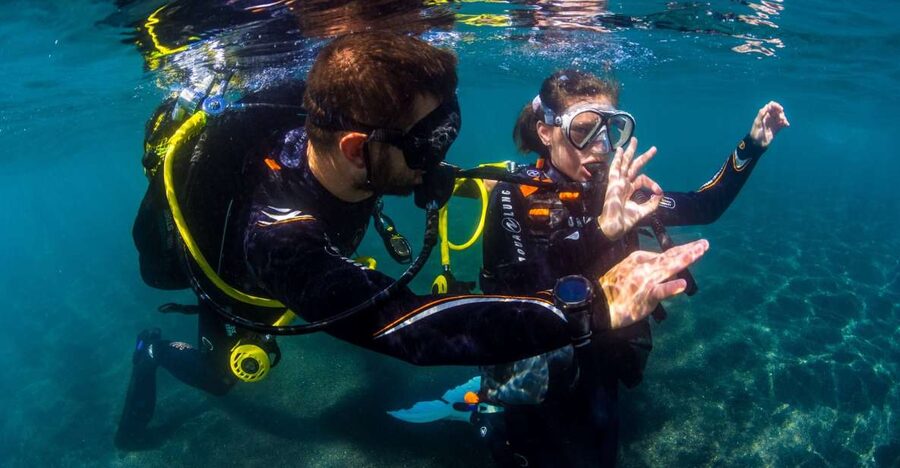
Then your instructor leads the equipment parts and function lesson. This is where you learn what the major scuba components are for and how they work underwater, not just what they are called. If you’ve ever worn snorkeling gear and thought, okay, I can do this, scuba still feels different. The briefing helps you connect the dots before you’re in the water.
Water entry and your first controlled underwater session (about 1h to 2h)
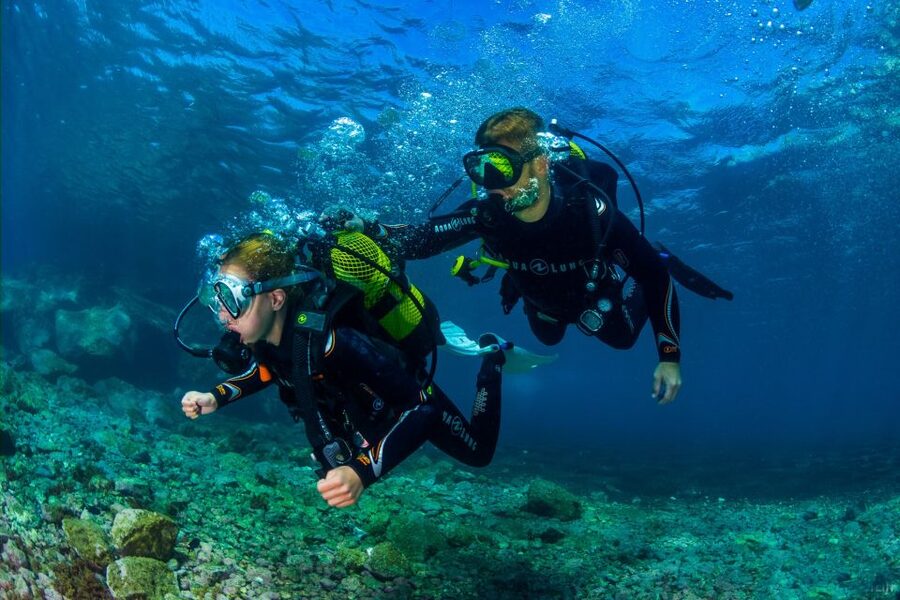
Next comes the part you came for. You go into the water with your instructor, and you spend about 30 to 45 minutes underwater at roughly 6 meters.
The feedback also hints that the shoreline entry area can deepen rather quickly once you start out. That can sound intimidating, but the point of the training is to keep you steady as you transition from surface to water. You’ll be with your instructor, and they’ll check in so you don’t feel like you’re doing this alone.
In terms of sensations, people focus on two standout feelings:
- the weightlessness that kicks in once you’re neutrally supported
- the calm, slow rhythm of breathing through the regulator
Back on land, shower, and photos/video (about 2h to 3h)
When you surface and finish, you rinse off and enjoy hot showers and changing rooms. Then you get to view the videos and photos from the activity, plus your souvenir photos. It’s a nice touch because first-timer memories can feel blurry in the moment, and having the footage helps you see what you actually did correctly.
Finally, you get a drink at the end of the activity. Several people mention beer or soft drinks, which is a simple way to mark the end of the training day.
The Instructor and Equipment Lesson That Makes You Feel Safe
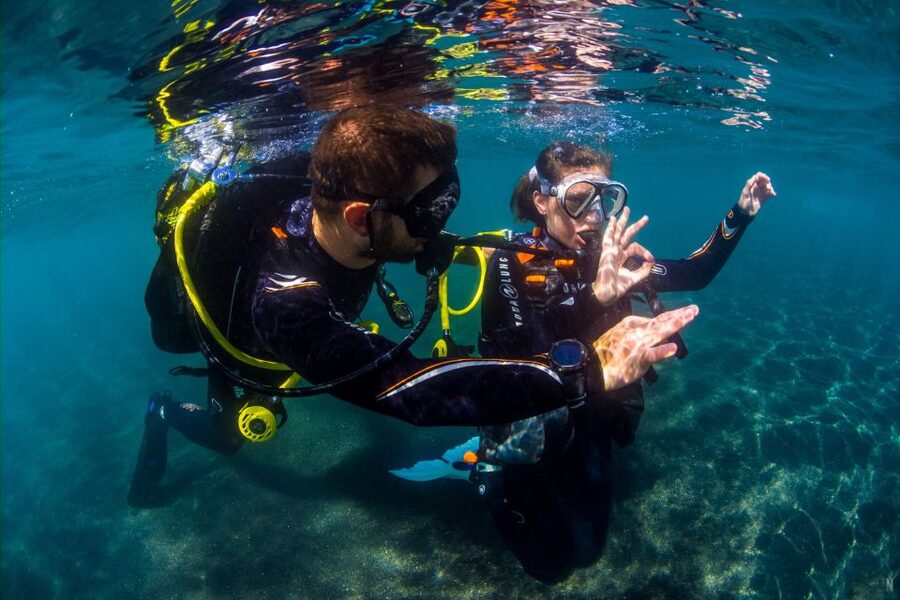
A first scuba try session lives or dies on the instructor. Here, you’re not just handed gear and sent down. You get guided teaching and ongoing support.
In the experiences shared, named instructors including Carla, Abigail, and Vicky come up again and again. The common thread is how they manage nervous first-timers:
- They take time with instructions
- They explain clearly in English and Spanish
- They stay patient when someone feels shaky at the start
- They keep a close eye on you during the underwater part
That matters because beginners often worry about two things: getting the equipment right and staying calm if something feels unfamiliar. If you’re a bit anxious, you’ll likely appreciate that the instructors show you what to expect and then pace you once you’re in the water.
One practical bonus: the briefing is focused on gear function and how to use the equipment underwater. That’s better than a lecture with random jargon. You leave understanding what you’re carrying and why, which makes you less likely to panic when you feel different underwater.
What the Underwater Experience Feels Like at 6 Meters
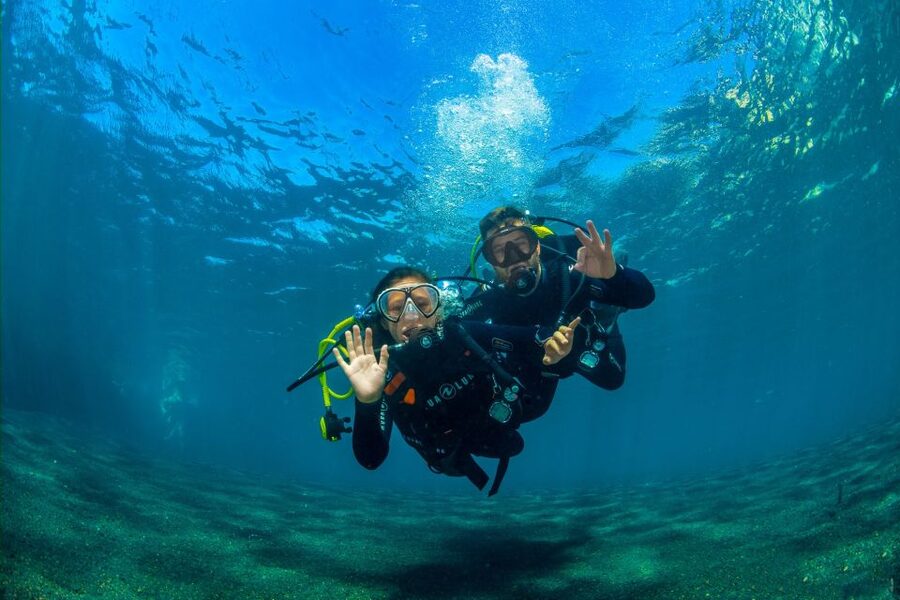
This session is short and shallow, but it still delivers the core scuba magic.
Our remaining Scuba Diving notes from Tenerife, in case one suits you better
- Tenerife: Beginners Scuba Dive Experience in Turtle Area
- Tenerife First Time Scuba Dive – Turtle Habitat, Small Groups
- Try Dive – PADI Discover Scuba Diving in Tenerife
- Tenerife: Abades Beach Beginner Diving Experience
- Scuba Diving Beginner’s Session in Costa Adeje
- Discover Scuba Diving in Tenerife
- Santa Cruz de Tenerife: Beginner’s Diving & Introduction
- guided Scuba Diving on Tenerife (for certified divers)
The weightlessness feeling
The activity is specifically described as a chance to experience weightlessness. And that’s exactly the moment when your brain goes, okay, this is real. Once you’re supported properly and your breathing settles into a slower rhythm, movement feels smoother. You stop thinking about “where your feet are” and start noticing the water around you.
The marine life payoff
You’ll discover marine life during the swim with your instructor. At 6 meters, you’re in a zone where fish can be visible without needing perfect conditions or a long time underwater. People talk about colorful fish and sea life seen very close to where they enter and descend, which is a big deal if you’re doing this for the first time and want something exciting fast.
How “easy” it feels depends on you
A quick reality check: shallow scuba still involves breathing underwater and managing buoyancy. If you’re nervous, you’re not alone. In the feedback, people repeatedly say they were scared at first but felt mesmerized once they got moving and found a calm rhythm.
So if you want the experience to feel good, do the simple things:
- listen carefully during the gear lesson
- move slowly underwater
- communicate early if you feel uncomfortable
Small Group Size, Real Pacing, and What You Get in Return
The group limit is 8 participants. That number sounds small on paper, and in practice it’s what makes the experience feel like training rather than mass activity.
In small groups, instructors can:
- correct positioning and comfort faster
- spend extra seconds with someone who’s unsure
- keep the pacing beginner-friendly
- create a safer, calmer atmosphere before anyone enters the water
This also shows up in how long you spend at key moments. The activity includes a full setup period before you enter, and your underwater time is clearly defined as 30 to 45 minutes. You’re not guessing how long you’ll be down there.
And you still get extras that matter: after the water time, you get videos and photos, hot showers, and a drink. It’s not just an underwater experience, it’s an event you can review later.
Price and Value: Is $89 Worth It?
At $89 per person for a 3-hour beginner scuba try session, the value comes from what’s included and what’s avoided.
You’re paying for:
- the scuba equipment needed for the activity
- instruction and in-water guidance to around 6 meters
- souvenir photos
- use of facilities, including hot showers
- a drink at the end
What you’re not paying for separately (based on what’s included here) is the “hidden costs” that often turn day trips sour, like renting gear, scrambling for facilities, or missing out on photo documentation.
Compared to many short experiences, the real value is the teaching. You’re not just going underwater, you’re learning the equipment basics and practicing in a controlled way. If scuba is new to you, that knowledge helps you decide whether you want to go further later, and it reduces the stress of your first real contact with scuba gear.
If you’re traveling on a budget, keep one practical thought in mind: you still need to plan your day carefully because of the 24-hour flight buffer. If that schedule is hard for you, the cost may feel less worth it, even if the price itself is fair.
Who Should Book, and Who Should Skip This Session
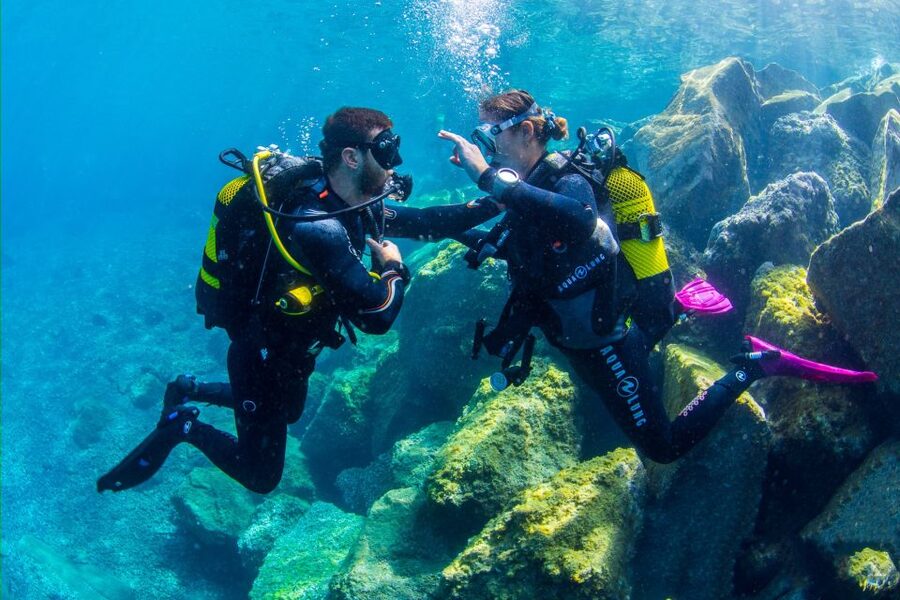
This is clearly designed for beginners who meet the criteria. That’s good news because it means the training is built around comfort and confidence building rather than advanced skills.
You’ll likely enjoy this if:
- You’re at least 8 years old and want your first scuba introduction
- You can swim at least at a basic level and feel comfortable following instructions
- You want to see fish and marine life at shallow depth without long underwater time
- You like structured, step-by-step guidance
You should skip if any of this fits you:
- You’re under 8
- You’re pregnant
- You have respiratory issues
- You have back problems
- You’ve had recent surgery
- You’re over 70
This list is there for a reason. Scuba is not just about fun, it’s about safety and medical considerations.
Timing, Travel Planning, and What to Bring
This is one of those experiences where timing is part of the safety plan.
You need to plan so there’s at least 24 hours between your session and your next flight. If your itinerary is tight, build this buffer in early. Don’t try to “make it work” at the last minute.
You’ll want to show up ready to change and get suited up. What to bring is simple: swimwear. Everything else for the water activity is handled by the center, including equipment.
Also, arrive at the center 30 minutes before the activity starts. That isn’t bureaucracy. It’s what keeps the session calm for first-timers.
Should You Book This Beginner Scuba Session?
If you want a first scuba experience in Santa Cruz de Tenerife that focuses on comfort, clear equipment teaching, and a manageable underwater time, I think this is a strong pick. The small group size, around 6-meter depth, and the emphasis on video, photos, and a proper reset afterward make it feel complete for the price.
Book it if:
- you want the weightlessness feeling and a real introduction to scuba gear
- you appreciate patient instruction, especially if you’re nervous
- you want marine life without an all-day commitment
Skip it if:
- you don’t meet the age or health requirements
- your schedule makes the 24-hour flight buffer hard to follow
- you’re hoping for a long, adventurous scuba session instead of a beginner trial
If you can match the safety requirements and plan your timing, this is the kind of experience that leaves you smiling, and also leaving with a clearer sense of what scuba is actually like.
FAQ
How deep do I go during the beginner scuba session?
You’ll dive to a depth of 6 meters with an instructor.
How long is the activity in total?
The experience lasts 3 hours.
What do I need to bring?
Bring swimwear.
What is the minimum age?
The minimum age is 8 years.
Is the activity suitable for everyone?
No. It is not suitable for pregnant women, people with back problems, people with respiratory issues, people with recent surgeries, and people over 70.
What languages are the instructors?
The instructor speaks English and Spanish.
How big is the group?
The group is small, limited to 8 participants.
What’s included after the underwater part?
You’ll have hot showers, changing room access, and you can view videos and photos of the activity, plus souvenir photos and a drink at the end.
Our other Scuba Diving across Tenerife
- Tenerife: Beginners Scuba Dive Experience in Turtle Area
★ 4.6 · 1,347 reviews - Tenerife First Time Scuba Dive – Turtle Habitat, Small Groups
★ 4.5 · 456 reviews - Try Dive – PADI Discover Scuba Diving in Tenerife
★ 5.0 · 214 reviews - Tenerife: Abades Beach Beginner Diving Experience
★ 4.7 · 164 reviews - Scuba Diving Beginner’s Session in Costa Adeje
★ 5.0 · 163 reviews
Tenerife Island Excursions: the rest of our write-ups
- Tenerife: Eco-Yacht Whale and Dolphin Watching and Swimming
★ 4.7 · 15,619 reviews - Tenerife: Loro Parque Entry Ticket
★ 4.8 · 12,411 reviews - Tenerife: Kayak and Snorkel with Turtles, Wetsuits Included
★ 4.6 · 7,215 reviews - Tenerife: Mount Teide Tour with Cable Car Ticket & Transfer
★ 4.3 · 5,094 reviews - Tenerife: Whale & Dolphin Watching with Drinks and Snacks
★ 4.4 · 2,929 reviews
Fresh off the desk: recent Tenerife experiences we have written up





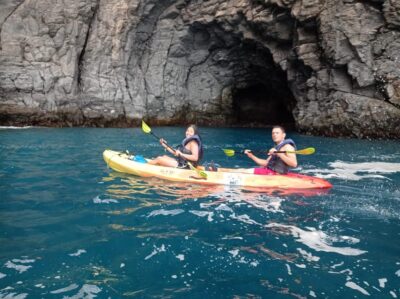
Tenerife Island Excursions, side by side.
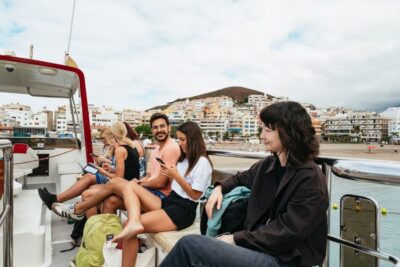 ★ 4.7Tenerife: Eco-Yacht Whale and Dolphin Watching and SwimmingFrom $1315,619 reviews
 ★ 4.8Tenerife: Loro Parque Entry TicketFrom $5212,411 reviews
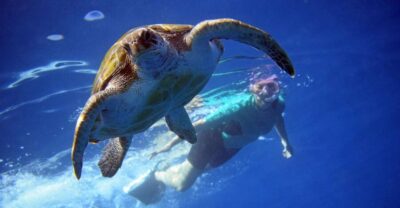 ★ 4.6Tenerife: Kayak and Snorkel with Turtles, Wetsuits IncludedFrom $357,215 reviews
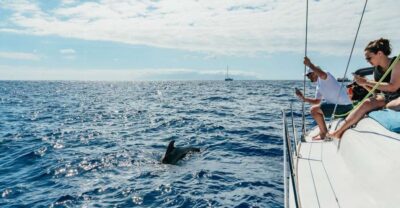 ★ 4.4Tenerife: Whale & Dolphin Watching with Drinks and SnacksFrom $772,929 reviews
 ★ 4.7Tenerife: Sunset and Stargazing at Teide National ParkFrom $472,826 reviews
 ★ 4.4From South Tenerife: Loro Park Zoo Ticket & Hotel TransfersFrom $752,672 reviews
 ★ 4.8Southern Tenerife: 50-Minute Submarine DiveFrom $722,216 reviews
 ★ 4.9Tenerife: Los Gigantes Whale Watching Cruise by Sail BoatFrom $882,040 reviews
This tour also sits in