
Reviewed · PRADO AND MADRID ART MUSEUMS
Málaga: Carmen Thyssen Museum Ticket
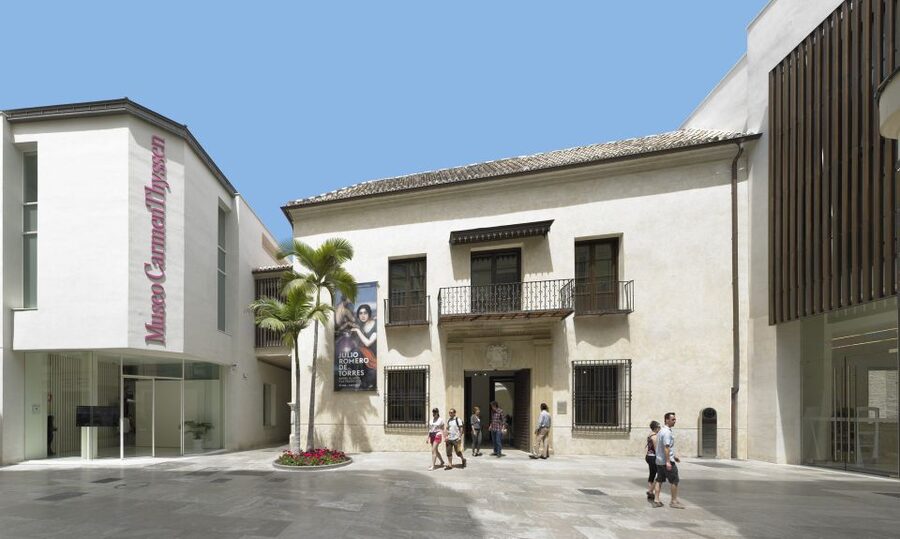
A palace setting makes this ticket feel special right away. The Museo Carmen Thyssen in Málaga brings 19th-century Spanish and Andalusian art to life inside the restored Palacio de Villalón, with an included audioguide to help you move room to room.
I also love the way the collection ranges from Old Masters to romantic and naturalist scenes, with artists such as Sánchez-Perrier and Ortega showing up in the paintings. One possible drawback is that cameras and phones are not allowed in the galleries, and some explanatory labels can be small enough that you might need to lean in to read them.
In This Review
- Key Things to Know Before You Go
- Palacio de Villalón: Where the Art Museum Really Starts
- Your Practical Game Plan: How to Tour the Museum Without Getting Lost
- Ground Floor and the Palace Touchpoints You Shouldn’t Rush
- 19th-Century Spain and Andalusia: What the Permanent Collection Is Really About
- Romantic Landscapes and the Names to Keep in Your Head
- Temporary Exhibitions: When Your Timing Hits Something Extra
- Rules That Shape Your Visit, Cameras, Phones, and Bags
- $14 Worth It? Value for This Museum Ticket
- Who Should Buy This Ticket
- Should You Book the Museo Carmen Thyssen Ticket?
- FAQ
- Where is the Carmen Thyssen Museum meeting point?
- What does the ticket include?
- Is there a hotel pickup included?
- What languages are available for the audioguide?
- Is this visit self-guided or guided?
- How long is the ticket valid?
- Is the museum wheelchair accessible?
- Can I bring a camera or use my phone inside the galleries?
- What art periods should I expect to see?
Key Things to Know Before You Go
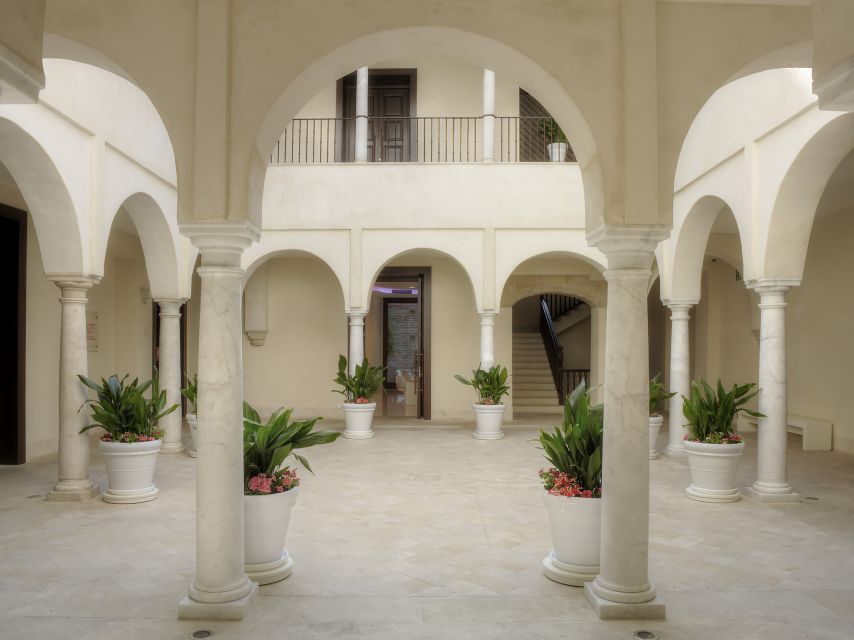
- Palacio de Villalón architecture: A 16th-century Renaissance-style palace with a central courtyard and arcaded galleries that set the mood fast.
- Audio guide included: Available in Spanish, English, French, German, and Italian, so you can go at your own pace.
- 19th-century focus with Andalusia at the center: The Carmen Thyssen-Bornemisza collection highlights Spanish painting genres, with a special lens on Andalusia.
- Romantic and naturalist sections: Expect romantic scenes, including works tied to artists like Sánchez-Perrier and Ortega.
- Check the small-print details: Labels may be hard to read at normal standing height, so plan to slow down in key rooms.
Palacio de Villalón: Where the Art Museum Really Starts
The Museo Carmen Thyssen is housed in the Palacio de Villalón, a 16th-century building that’s a big part of the experience, not just a container. The palace sits on top of older layers of Málaga, including remains of the Roman city, and it’s located in the old Moorish quarter. That mix of eras matters because the museum doesn’t feel like a generic gallery box.
When you arrive, you’ll notice the restoration choices right away. The museum focused on recovering the palace’s original layout, then added new spaces around it in a contemporary style. The result is a quieter kind of modern, where the architecture does the heavy lifting for atmosphere without screaming for attention.
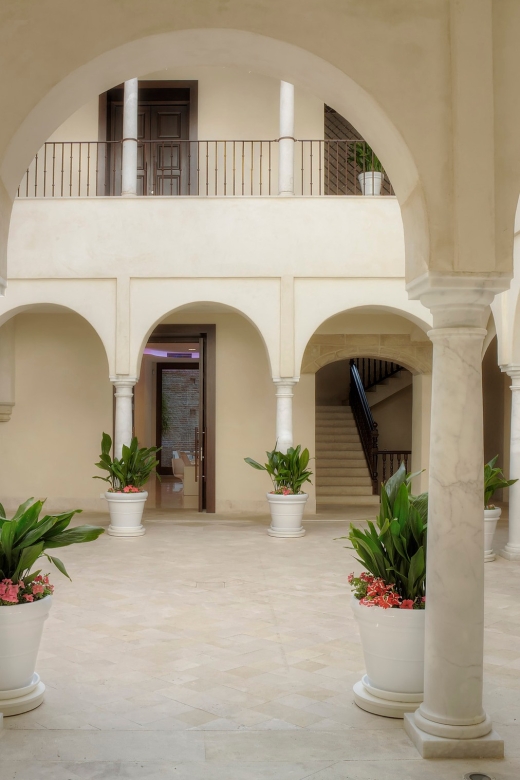
Inside, the palace layout is built around a central courtyard. Around that courtyard you get arcaded galleries, plus decorative touches like carved wooden ceilings and fretwork in the principal rooms. You’re not just looking at paintings, you’re surrounded by 16th-century craftsmanship while some 17th-century Spanish paintings are displayed in those main rooms.
If you like art museums best when the building is part of the story, this one scores points early. You can walk in cold, then naturally start thinking about how Málaga’s layers show up not only in history, but in the way the art collections are presented.
Your Practical Game Plan: How to Tour the Museum Without Getting Lost
Because this is essentially an independent visit with an included audioguide, you can shape the order. I recommend using the audio guide as your spine, then letting your interests pick the pace.
Start by giving yourself a simple target: decide if you want the permanent collection only, or permanent plus temporary. The museum allows you to explore both if you have time. Either way, the building makes it easy to understand the structure, since the museum spans two floors organized around the courtyard.
Here’s a smart approach if you want both variety and flow:
- Walk through the palace spaces first, so the architecture becomes your reference point.
- Then move into the painting galleries and let the audio guide introduce the major themes.
- Save the temporary exhibition areas for last, so you end with the newest ideas rather than starting with them and getting worn out early.
The audioguide languages listed are Spanish, English, French, German, and Italian. That matters if you’re traveling with someone who needs their preferred language, or if you want to pause and re-listen when you catch a name you recognize.
Also, keep in mind that phones are restricted in the galleries. Since mobile use isn’t allowed, the audioguide becomes your main tool for labels, context, and artist background. If you’re the type who normally relies on your phone for quick explanations, plan to switch habits for this visit.
More of the same shelf: our Prado and Madrid Art Museums write-ups
Ground Floor and the Palace Touchpoints You Shouldn’t Rush
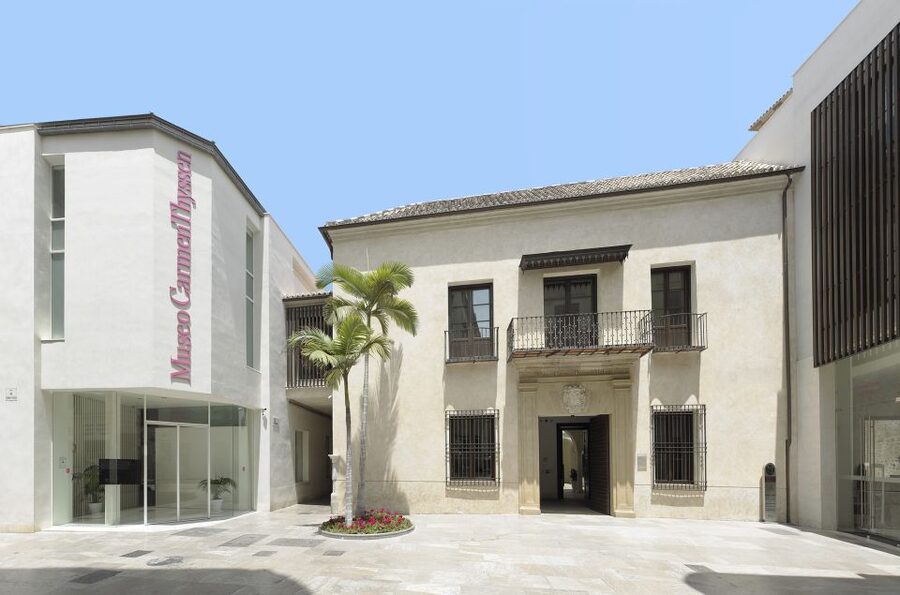
Even if your main goal is 19th-century Spanish painting, don’t skip the palace spaces on the lower level. The palace rooms are where you get the clearest sense of the 16th-century Renaissance-style design and the restoration effort that kept the original layout in mind.
Look for the carved wooden ceilings and the supporting fretwork in the principal rooms. These details help you understand the setting for the paintings displayed there, including some 17th-century Spanish works. In a lot of museums, decorative elements are just decoration. Here, they make the whole place feel like it has a memory.
This is also a good time to slow down and let your eyes adjust. The museum includes both the palace and newer gallery buildings. Early on, it’s easy to mentally separate them, as if you’re constantly switching from old to new. If you treat the architecture like part of the interpretation, the transitions feel more intentional.
If you’re with someone who usually tunes out art museums after a room or two, this palace foundation can help them stay interested longer. Architecture is a different kind of “reading,” and the museum gives you that option immediately.
19th-Century Spain and Andalusia: What the Permanent Collection Is Really About
The big reason to come is the Carmen Thyssen-Bornemisza collection. It’s described as a broad survey of 19th-century Spanish painting genres, with a particular focus on Andalusia. That focus is practical for you because it anchors the art to a place. Even if you only know Málaga as a beach city, the collection helps you see a different side of Andalusian life and taste.
In the permanent collection areas, you can expect more than one style coming into view. The museum includes works tied to naturalist and romantic approaches, and it also highlights a precious style. In plain terms, that means you’ll see variety in:
- how figures and daily life are treated,
- how light and mood are painted,
- how a theme can shift from realistic observation to more emotional storytelling.
If your frame of reference is mainly the famous names you’ve already heard, this collection can feel like a useful broadening of the story. You get the sense that Spanish painting in the 1800s was doing more than repeating a few headline artists. It was exploring genres, tastes, and regional identity.
You might also notice how much of the collection is built for looking closely, not only for walking by. Some rooms tend to reward patience, especially when paintings include small details. That’s one of the reasons this museum can land well for people who love craftsmanship, brushwork, and composition.
And for a nice bonus of variety, you may find religious paintings displayed on the upper level, described as dating from the 15th and 16th centuries. That doesn’t turn the museum into an older-art museum, but it adds a helpful contrast point while you’re already thinking in time periods.
Romantic Landscapes and the Names to Keep in Your Head
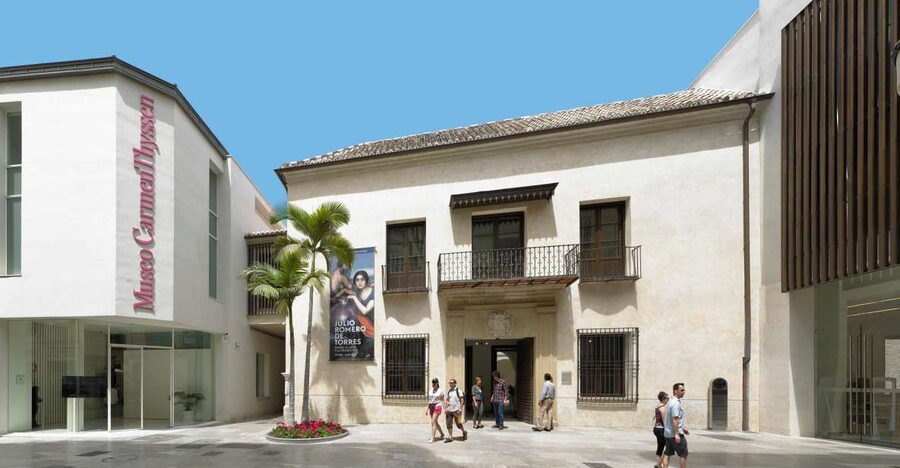
One of the most enjoyable parts of this ticket is the chance to see romantic landscapes connected to artists such as Sánchez-Perrier and Ortega, plus others. The word landscape can sound generic, but in painting it usually means more than scenery. Romantic landscape works often carry mood, atmosphere, and a sense of storytelling about how people felt about place.
When you’re in these rooms, I suggest you use a quick mental checklist:
- What emotion does the painting aim for?
- Does it feel about nature itself, or about how humans see nature?
- Are details sharp and controlled, or softer and more about atmosphere?
Romantic art tends to work like that. Even if you cannot name the movement, your eyes usually understand the intention.
The other thing to keep in mind is that the museum gives you a sequence from genre to genre, so you can feel how painting styles shift through time. That’s one of those experiences that sticks, even after you leave the museum. You start noticing patterns like how color, subject matter, and finishing choices change as the decades move forward.
Temporary Exhibitions: When Your Timing Hits Something Extra
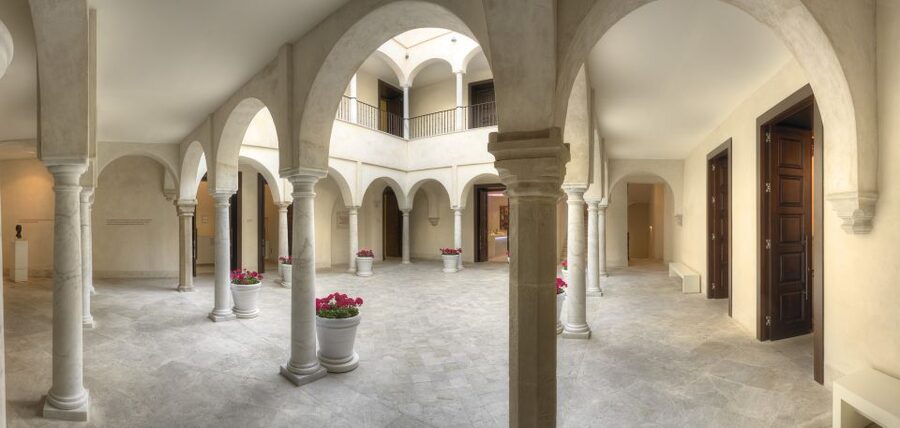
Alongside the permanent collection, the museum also has temporary exhibitions in adjoining contemporary buildings. The museum layout makes it easy to treat the temporary section as a “second chapter.”
Sometimes a temporary show can add a single artist or theme that helps you connect dots between different rooms. For example, one visit included a special exhibition connected to Sorolla, which is a clue that the museum does occasional shows that expand what you’re already seeing in the main collection.
You should not assume any specific temporary exhibition will be there on your date. But the setup is worth noting. If you’re buying a ticket because you love 19th-century Spanish art, temporary shows can either deepen that focus or give you a new angle, depending on what’s on during your visit.
If you want to get the most out of your time, take a brief lap through the main permanent galleries first. Then, when you reach the temporary sections, you’ll have more context for judging what you’re seeing.
Rules That Shape Your Visit, Cameras, Phones, and Bags
The museum has clear rules, and they’re the kind that affect comfort more than they do interest.
Cameras are not allowed, and video recording is also not permitted. In the galleries, mobile phones are not allowed either. That’s a big deal if your normal habit is snapping photos for later. Instead, use your audioguide and your memory. If you want a souvenir, you can lean on the information you pick up in the museum and any printed materials available there.
You also can’t bring food and drinks, and larger items like luggage or large bags are not allowed. There’s a stated size limit for bags over 80 x 50 centimeters. Plan to travel light, so you can keep momentum inside the galleries.
One more rule that matters for your experience is that you must not touch the works of art. That may sound obvious, but it’s worth calling out because these galleries ask you to stay mindful about distance and viewing angles.
The museum also notes that it’s wheelchair accessible. That’s useful both for planning and for confidence about navigating the building comfortably.
Undecided so far? The rest of our Malaga Museums and Picasso coverage
$14 Worth It? Value for This Museum Ticket
At around $14 per person, the price can feel very reasonable for what you actually get. You’re not just paying for entry to a painting collection. You’re paying for entry to a restored palace with a courtyard layout and gallery spaces designed to showcase art across time periods.
Also, the ticket includes an audioguide. That’s part of the value because it turns your visit from looking at paintings as objects into understanding them as part of a story. You can choose your language, pause when something clicks, and avoid the frustration of tiny text explaining everything poorly.
The most convincing value argument is the combination of:
- a palace setting that gives context before you even reach the paintings,
- a 19th-century Spanish and Andalusian art focus that isn’t just a random mix,
- and the opportunity to see permanent and possibly temporary exhibitions, depending on what you choose.
If your goal is to experience art and architecture in one stop, this ticket tends to make sense quickly. If you only want one famous artist or you’re in a rush to check off highlights, the museum’s strengths are better when you give yourself at least a little time.
Who Should Buy This Ticket
This museum is a strong fit if you want Spanish art beyond the usual headlines. If you tend to know names like Velázquez, Goya, and Picasso, you’ll probably enjoy how this collection broadens the story by focusing on genres and styles from the 19th century, with Andalusia as a clear thread.
It’s also a good choice if you love museum buildings. The Palacio de Villalón is not just background. The courtyard, arcades, carved ceilings, and fretwork shape how you experience the galleries.
If you’re traveling with teens or younger kids, the museum is still worth considering for the architecture and the idea of going at your own pace. One piece of feedback noted that admission can be free for under 18 visitors, so if you have minors, it’s smart to confirm age rules before you pay for extra tickets.
Should You Book the Museo Carmen Thyssen Ticket?
Book it if you want a calm, high-value art stop in Málaga that’s tied directly to Andalusian identity. The palace setting is a real plus, and the included audioguide helps you get more meaning from what you see, especially in rooms where details matter.
Skip or rethink it if you’re only interested in quick photo-worthy museum moments. With cameras and phones restricted in the galleries, you’ll need to be comfortable enjoying art without recording it. And if you are allergic to reading labels, you might find some text harder to catch than you’d like.
If that sounds like your kind of visit, this is one of the more satisfying ways to spend a chunk of time in Málaga.
FAQ
Where is the Carmen Thyssen Museum meeting point?
The meeting point is the Carmen Thyssen Museum, Fundación Palacio de Villalón, C/ Compañía 10, 29008 Málaga.
What does the ticket include?
The ticket includes entrance to the Museo Carmen Thyssen and an audioguide.
Is there a hotel pickup included?
No. Hotel pickup and drop-off are not included.
What languages are available for the audioguide?
The audioguide is available in Spanish, English, French, German, and Italian.
Is this visit self-guided or guided?
You have the option to tour on your own, or with a guide.
How long is the ticket valid?
The ticket is valid for 1 day. Starting times depend on availability.
Is the museum wheelchair accessible?
Yes, the activity is listed as wheelchair accessible.
Can I bring a camera or use my phone inside the galleries?
No. Cameras and video recording are not allowed, and mobile phones are not allowed in the galleries.
What art periods should I expect to see?
You’ll see 19th-century Spanish and Andalusian art in the Carmen Thyssen-Bornemisza collection, plus 17th-century Spanish paintings in palace rooms. There can also be religious paintings displayed on the upper level, described as dating from the 15th and 16th centuries.
Museums: the rest of our Malaga write-ups
- Malaga: Picasso Museum Guided Tour with Skip-the-Line Ticket
★ 4.8 · 485 reviews - Skip the Line: Malaga Automobile and Fashion Museum Entrance Ticket
★ 4.5 · 379 reviews - Malaga: Tour of Malagueta Bullring & Immersive Exhibition
★ 4.7 · 271 reviews - Málaga: Picasso Birthplace Museum Ticket & City Audio Guide
★ 4.1 · 158 reviews - Visit Oil Mill Museum and Olive Oil Tasting in Ronda
★ 4.5 · 105 reviews
Further Malaga Museums and Picasso we have reviewed
- Malaga: Picasso Museum Guided Tour with Skip-the-Line Ticket
★ 4.8 · 485 reviews - Malaga: Gibralfaro Castle, Bullring and Port Segway Tour
★ 4.8 · 298 reviews - Tour to Gibralfaro
★ 4.7 · 182 reviews - Málaga: Picasso Birthplace Museum Ticket & City Audio Guide
★ 4.1 · 158 reviews - Museo Carmen Thyssen de Malaga Entrance Ticket
★ 4.5 · 136 reviews
Prado and Madrid Art Museums worth comparing before you book
- Museo Carmen Thyssen de Malaga Entrance Ticket
★ 4.5 · 136 reviews
Fresh off the desk: recent Malaga experiences we have written up







Prado and Madrid Art Museums, side by side.
 ★ 4.6Madrid: Prado Museum Entry TicketFrom $2117,509 reviews
 ★ 4.5Madrid: Reina Sofía Museum Entrance TicketFrom $146,889 reviews
 ★ 4.6Madrid: Small Group of Prado Museum Tour & Optional TapasFrom $532,437 reviews
 ★ 4.5Madrid: Prado Museum Guided Tour with Skip-the-Line TicketFrom $462,018 reviews
 ★ 4.8Madrid: Prado Museum Guided Tour With Fast AccessFrom $281,785 reviews
 ★ 5.0Prado Museum Small Group Tour with Skip the Line TicketFrom $541,738 reviews
 ★ 4.5Royal Palace & Prado Museum Skip the Line Guided TourFrom $821,347 reviews
 ★ 3.6Madrid: Prado Museum Ticket with In-App Audio GuideFrom $351,154 reviews
This tour also sits in