

Reviewed · NERJA CAVES AND THE FRIGILIANA HILLS
La Herradura Coffee Farm: tour in Europe’s only plantation
Coffee grows here, and fruits too. This is a 70-minute walking tour at La Herradura Coffee Farm where you see organic coffee and up to 30 exotic fruit types, with sea views and a real working farm feel.
I especially like meeting the farm owner-guide Manuel and getting his story as you walk, and I love the variety, from centennial chirimoyas to dragon fruit and sugar cane. One consideration: the route has two steep sections, so bring good shoes and expect a slow pace with pauses.
In This Review
- Key highlights you will feel right away
- Europe’s only coffee farm, tucked near La Herradura beach
- The 70-minute walking loop, with stops that matter
- Coffee, organic farming, and the water story you actually care about
- The tropical fruit orchard walk: up to 30 crops in one visit
- Meeting Manuel (and why the guide factor is huge)
- End at the 300-year-old cortijo: buy fruit and roasted coffee
- Price and value: why $17 can actually feel fair
- Who should book, and who should pass
- Practical tips so your visit goes smoothly
- Should you book La Herradura Coffee Farm?
- FAQ
- Where is La Herradura Coffee Farm, and how far is it from Nerja?
- How long is the tour?
- Is there easy access from the beach?
- What should I bring?
- What languages are offered?
- What is included in the tour?
- Is food or drinks included?
- Who should not book?
- Final decision
Key highlights you will feel right away
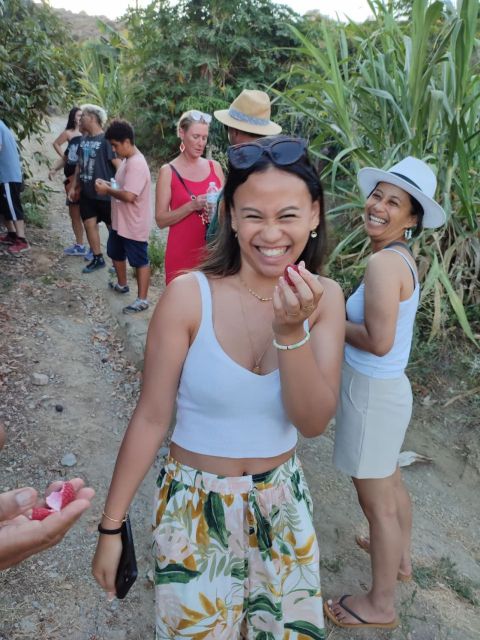
- Europe’s only coffee farm in Europe, just minutes from Nerja
- Up to 30 exotic fruit types growing in one compact, walkable area
- Organic practices explained clearly, including permaculture and water optimization
- Hands-on, sensory farm time, with smells, sights, and chances to sample crops
- An end stop at a 300-year-old Andalusian cortijo, where you can buy seasonal fruit and roasted coffee
Europe’s only coffee farm, tucked near La Herradura beach
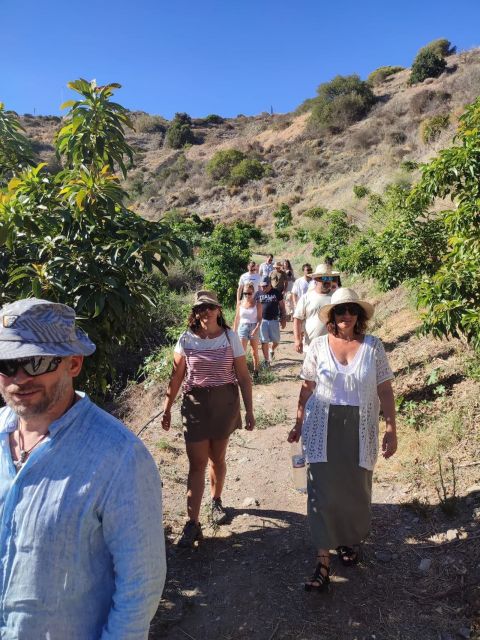
La Herradura Coffee Farm sits in Andalusia near the coast, close enough that you can picture the farm as an extension of the Mediterranean hills. The big hook is simple: you’re visiting Europe’s only coffee plantation, only about 10 minutes from Nerja, which makes this feel unusual in a region better known for beaches.
What makes the setting work for you is the mix of climates and crops. You’ll walk through coffee plants and alongside tropical fruit trees that thrive here thanks to the local microclimate. You also get that Mediterranean angle, sea views included, so it doesn’t feel like a stuffy greenhouse tour. It feels like a living food system.
If you’re a coffee person, you will appreciate that the tour isn’t only about beans in a cup. You’re shown the farm side of coffee, from how plants are cultivated to harvest and roasting as part of the full chain.
The 70-minute walking loop, with stops that matter
This is a walking-guided experience designed to be manageable, not a long hike. The total time is about 70 minutes, so you can fit it between beach time in La Herradura and dinner plans.
That said, the walk isn’t flat. There are two steep areas, and the guide builds in pauses, plus there are chairs available if you need a breather. This is one of those “plan for it and it becomes pleasant” walks. If you arrive wearing sandals you’ll regret it by minute 20, especially in warmer months.
A nice detail for your planning: you can access the farm easily on foot. One visitor described walking from La Herradura in about 30 to 35 minutes in the morning when it was cooler. If you want that, just remember you’ll still do the farm’s steep sections during the tour itself.
Reviewed and rated alongside this one, further Nerja Caves and the Frigiliana Hills

Coffee, organic farming, and the water story you actually care about
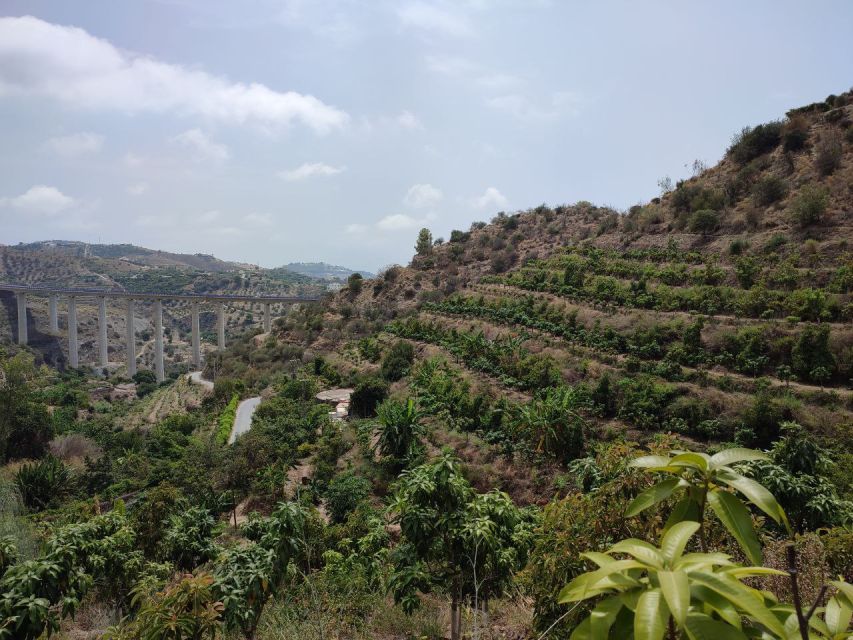
The farm’s approach is a key part of why this tour feels worth your time. You’ll see productive coffee plants, and your guide explains how organic cultivation works in this specific environment. That includes the challenges of growing coffee and fruit without relying on pesticides.
You will also hear about permaculture and water optimization. Even if you don’t care about farming as a hobby, this is useful context for why coffee and tropical crops in southern Europe are not “easy mode.” The guide talks about balancing the needs of crops with preserving water, plus soil health through regeneration practices.
If you’ve ever wondered why some farms look lush year after year while others struggle, this is the kind of explanation that makes the difference feel real. It’s less theory and more practical farming logic, rooted in this hillside, this weather, and this daily workload.
There’s also a process component. You’ll be shown steps connected to coffee production, including harvest and roasting. The point is that coffee is not one moment. It is a chain of decisions, from planting to processing to what ends up in your bag.
The tropical fruit orchard walk: up to 30 crops in one visit
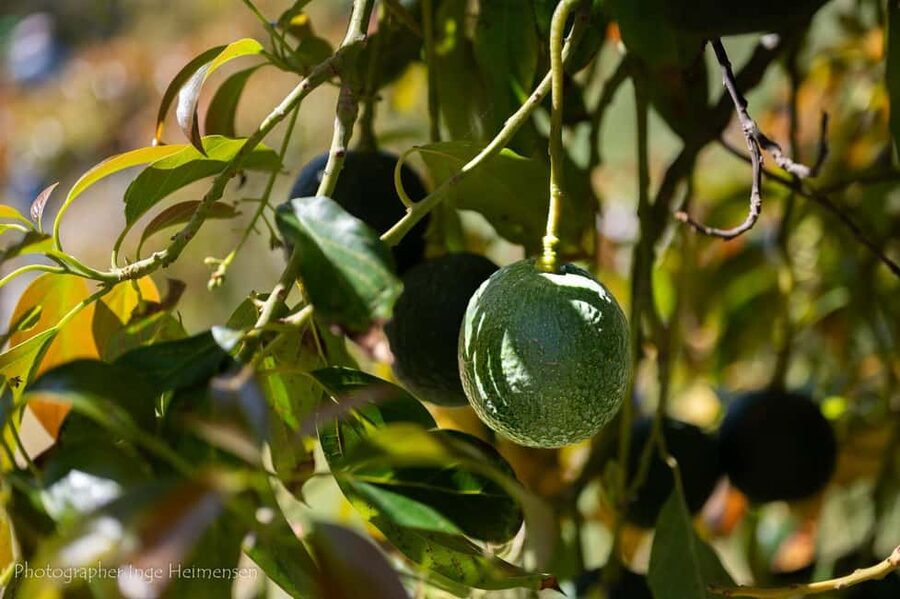
The fruit section is where a lot of people decide this wasn’t just a coffee stop. You’ll see up to 30 types of exotic fruits, and they’re planted together in a way that helps you understand how diverse agriculture can share the same space.
Some standout crops you’ll likely notice:
- centennial chirimoyas
- dragon fruit trees
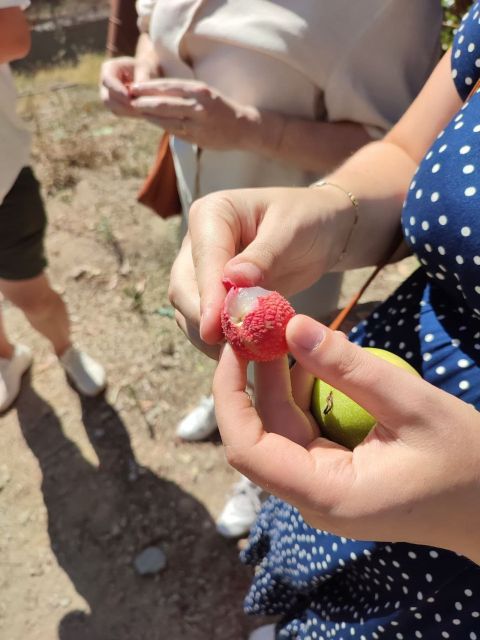
- lychees
- sugar cane
- mangoes
- avocados (including a low-water style plantation)
This variety matters for you because it turns the tour into more than “look at coffee trees.” You start connecting the dots between plant types, seasonality, and why the guide emphasizes organic and sustainable choices. A mango tree looks different from a chirimoya, and the growing needs are different too. That contrast helps the information stick.
Sampling is another big reason this works. Several people mention tasting fruits during the walk, and even small extras like an avocado provided by the guide. One person also wished tastings of coffee happened during the visit, which tells you the tour leans more toward fruit experiences than formal coffee cupping. Either way, you’re likely to leave with a stronger sense of flavor, not just facts.
One more practical note: since insect allergies are listed as a reason to avoid the tour, be honest with yourself about sensitivities. Outdoor fruit farms can mean insects. If you’re prone to reactions, talk to your doctor and reconsider.
Meeting Manuel (and why the guide factor is huge)
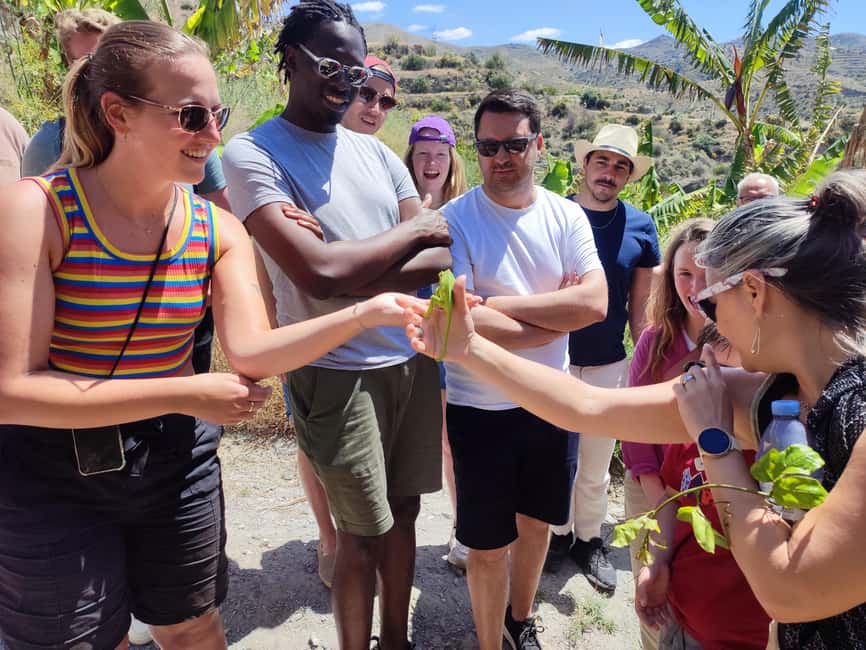
The tour is led by a live guide, and in a lot of cases that guide is Manuel, the farm owner. People consistently describe him as engaging, funny, and genuinely passionate about the project. That matters, because you’re walking through a lot of plants in a short time. Without a strong guide, it would blur into “trees and labels.”
With Manuel, you get a story arc: how the farm developed, why these crops were chosen, and what is hard about making an organic farm work in this environment. It also becomes interactive. People mention that he encourages questions and keeps the group moving at a human pace.
You might also hear from other guides at times. One review mentioned Carlos being patient during the walk, and another mentioned Sonia. The common thread is that you’re not getting a scripted lecture. You’re getting an explanation with personality, and that makes the science easier to follow.
The tour runs in multiple languages, including English, French, Spanish, and German. If your group is mixed, that’s a real advantage since the guide can keep everyone included without turning it into a translation headache.
End at the 300-year-old cortijo: buy fruit and roasted coffee
The tour finishes in a 300-year-old Andalusian cortijo. This is a clever ending point because it shifts from “walking through plants” to “taking food seriously.” The cortijo is where you can buy seasonal fruit from the farm, local products, and the farm’s roasted coffee.
For your money, this part matters. At the end of many tours, the shopping feels like an upsell. Here, the buying option feels like a natural continuation of what you just saw. You can bring home produce that’s tied to this hillside and this season.
What to consider:
- Prices aren’t listed in the info provided, so assume you’ll pay farm-direct rates for freshness and roasting.
- If you want coffee, decide before you get to the final stop. Coffee beans can be easy to underestimate in quantity, and you’ll be tempted.
- If you’re sensitive to certain fruits or allergies, ask what is available seasonally.
Some visitors describe the coffee they bought as absolutely delicious, with strong aroma and taste. Even if you skip buying, the atmosphere of ending in a historic courtyard makes the tour feel complete.
Price and value: why $17 can actually feel fair

At about $17 per person, this is positioned as a short, focused experience. It’s not “one more museum ticket.” For the price, you’re getting:
- a real working farm walk
- coffee cultivation and roasting context
- sustainable farming explanations (permaculture, water optimization, soil regeneration)
- a tropical fruit variety you can’t replicate easily in many places near Nerja
- an end stop at a cortijo with farm products
If you break it down by time and access, the value improves. Seventy minutes is long enough to see a lot, short enough that it doesn’t steal a whole half-day. For families, couples, and coffee curious travelers, it’s a good trade: you spend a little cash and come away with both knowledge and something tangible to take home.
The main value risk is your personal interest level. If you don’t care about plants, farming, or food flavors, the tour could feel like “a walk in a place you can’t easily repeat.” But if you enjoy nature, questions, and learning how food grows, this is the kind of stop that tends to feel worth the admission price.
Who should book, and who should pass
This tour is a great fit for people who like:
- coffee and the process behind it
- exotic fruits and seasonality
- nature walks with explanations
- families with kids, since the stories and variety keep attention
Many reviews mention that children enjoyed it too, even when they didn’t start out loving coffee. The fruit aspect helps a lot, especially if kids like seeing unusual plants.
It is not suitable for:
- people with mobility impairments or wheelchair users
- people with low fitness
- people with insect allergies
- people with heart problems
If you fall into any of those groups, it’s better to choose a different activity where the pace and terrain are easier.
Practical tips so your visit goes smoothly
A few small decisions make a big difference here:
- Wear comfortable shoes. The tour includes steep sections, and the farm walk is on uneven ground.
- Bring sun protection. Even with pauses and chairs, you’ll be outdoors. One visitor specifically advised sunscreen.
- Confirm your meeting point. It can vary depending on the starting option you choose, and it is different from the ending point at the cortijo.
- Plan your return transport. The info does not include hotel pick up, and the ending location is different from the start. If you’re relying on ride apps, it’s smart to have a backup plan for getting back.
- Follow farm rules: no littering, no making fire, no smoking.
If you’re visiting with a group or in a mixed-language setting, arrive a little early so your guide can get everyone oriented before you start walking.
Should you book La Herradura Coffee Farm?
I think you should book it if you want something real and local in the Nerja area that connects food to land. The mix of coffee plus a huge variety of tropical fruit, explained by a lively farm owner-guide like Manuel, is the core reason it works. At $17 for about 70 minutes, it’s also one of the more practical “food experiences” around, especially if you like taking home roasted coffee and seasonal fruit.
Skip it if steep outdoor walking is a problem for you, if insect allergies could be an issue, or if you’re only in the mood for a quick stop with minimal walking. If you’re in the happy middle, this is the kind of tour that makes you look at coffee and fruit differently long after you leave the cortijo.
FAQ
Where is La Herradura Coffee Farm, and how far is it from Nerja?
It’s in Andalusia, Spain, near La Herradura, and the farm is described as about 10 minutes from Nerja.
How long is the tour?
The walking guided tour takes about 70 minutes.
Is there easy access from the beach?
Yes. The farm is described as within walking distance from La Herradura beach, and minutes away from Nerja.
What should I bring?
Wear comfortable shoes. The route includes steep areas.
What languages are offered?
The live tour guide is available in English, French, Spanish, and German.
What is included in the tour?
You get the visit to Europe’s only coffee farm, time in the farm with many crops (including mango trees, chirimoyas, dragon fruit trees, sugar cane, lychees, and an avocado plantation), explanations of the challenges of organic farming and topics like permaculture, water optimization, and soil regeneration, and the tour ends at a 300-year-old Andalusian cortijo where you can buy farm and local products plus roasted coffee.
Is food or drinks included?
Food and drinks are not included.
Who should not book?
The tour is not suitable for people with mobility impairments, wheelchair users, low fitness, insect allergies, or heart problems.
Final decision
If you like food that has a story, and you’re comfortable with a short walk that includes steep bits, book it. The coffee is the headline, but the tropical fruit variety and the guide-led farm walk are what tend to make the experience stick. If those things are your thing, it’s a strong value.
Tours: the rest of our La Herradura write-ups
- La Herradura: Maro Cliffs Kayak and Snorkeling Tour
★ 4.6 · 418 reviews - La Herradura: Kayak & Snorkel Tour to Cerro Gordo Reserve
★ 4.8 · 210 reviews
Nerja Caves and the Frigiliana Hills: the rest of our write-ups
- La Herradura: Maro Cliffs Kayak and Snorkeling Tour
★ 4.6 · 418 reviews - La Herradura: Kayak & Snorkel Tour to Cerro Gordo Reserve
★ 4.8 · 210 reviews - La Herradura: Sailing with a view of dolphins
★ 4.5 · 124 reviews
Fresh off the desk: recent La Herradura experiences we have written up

Nerja Caves and the Frigiliana Hills, side by side.
 ★ 4.7Nerja: Guided Kayak Tour Nerja Cliffs and Maro WaterfallFrom $412,916 reviews
 ★ 4.7From Málaga: Caves of Nerja, Nerja and Frigiliana Day TourFrom $812,187 reviews
 ★ 4.6Nerja: Caves of Nerja Entry Ticket with Audio GuideFrom $181,616 reviews
 ★ 4.5Nerja: Cliffs of Maro-Cerro Gordo Guided Kayak TourFrom $38923 reviews
 ★ 4.9Nerja, Torrox, or Torre del Mar: Caminito del Rey Day TripFrom $81762 reviews
 ★ 4.5Kayak & Snorkel Tour in Cerro Gordo Natural Park, La HerraduraFrom $34649 reviews
 ★ 4.6Nerja-Maro: Snorkeling & Sea Scooter Speedboat TripFrom $47497 reviews
 ★ 4.6La Herradura: Maro Cliffs Kayak and Snorkeling TourFrom $23418 reviews
This tour also sits in