
Reviewed · ROMAN RUINS AND ANCIENT SITES
From Seville: Italica Roman City & Medieval Monastery Tour
Roman ruins right outside Seville are a joy. You get well-preserved Roman ruins plus the Dragonpit amphitheater moment, all in a tight half-day format.
I especially like how the tour turns Italica into a story, not just a lineup of walls. You also spend enough time with a guide to understand why Italica mattered, including the fact that it is linked to emperors Trajan and Hadrian.
One thing to keep in mind: on-site facilities can be basic, and if you are a slow walker or you rely on frequent breaks, plan extra time for your bathroom stop and photo pauses. Also, the day can run a little longer if traffic hits.
Key highlights worth your attention
- Birthplace of Trajan and Hadrian at one of Spain’s top Roman archaeological sites
- Dragonpit vibes at the amphitheater, the Game of Thrones filming location for a major scene
- Mosaics and amphitheater scale that still feel jaw-dropping up close
- Underground passages and arena details like gladiator routes and the lion holding area
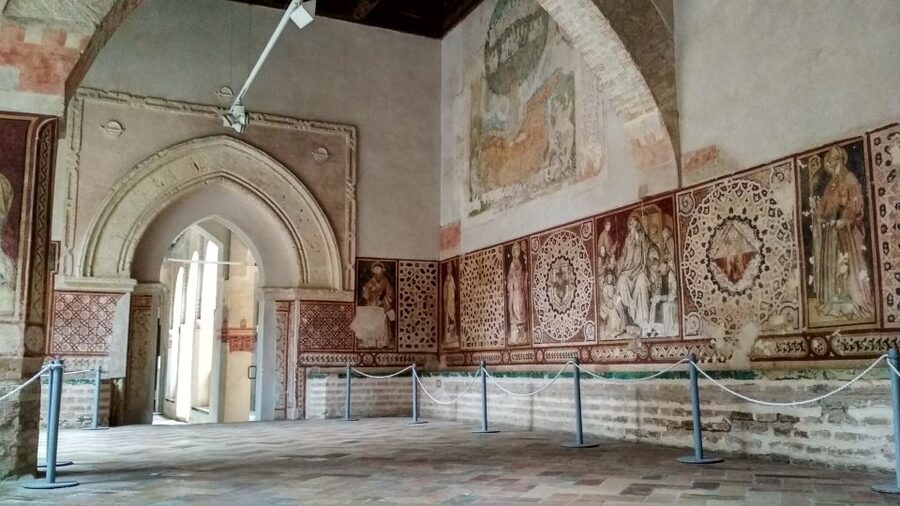
- San Isidoro del Campo monastery with Mudejar, Gothic, and Baroque architecture
- Guides that actually explain, with strong reviews naming guides like Carlos Leon and Miguel
In This Review
- A half-day Roman adventure with a strong guide focus
- Getting to Italica from Seville: short ride, real time on site
- Italica Roman city: Trajan and Hadrian’s birthplace, not just ruins
- What you will see and what it means
- The amphitheater: the Dragonpit moment for Game of Thrones fans
- Underground passages and the lion den: Roman violence, explained
- San Isidoro del Campo monastery: a medieval fortress in Mudejar, Gothic, Baroque layers
- Timing, pacing, and when the tour might run long
- Price and value: what you pay for and why it feels fair
- Who should book this tour?
- Should you book the Italica and San Isidoro del Campo tour?
- FAQ
- How long is the Italica Roman city and monastery tour?
- What is included in the $46 per person price?
- Is this tour shared or private?
- What languages are available for the guide?
- Are there any minimum language requirements for the shared tour?
- What about pickup from my hotel in Seville?
- Is there a cancellation policy or flexible booking option?
A half-day Roman adventure with a strong guide focus
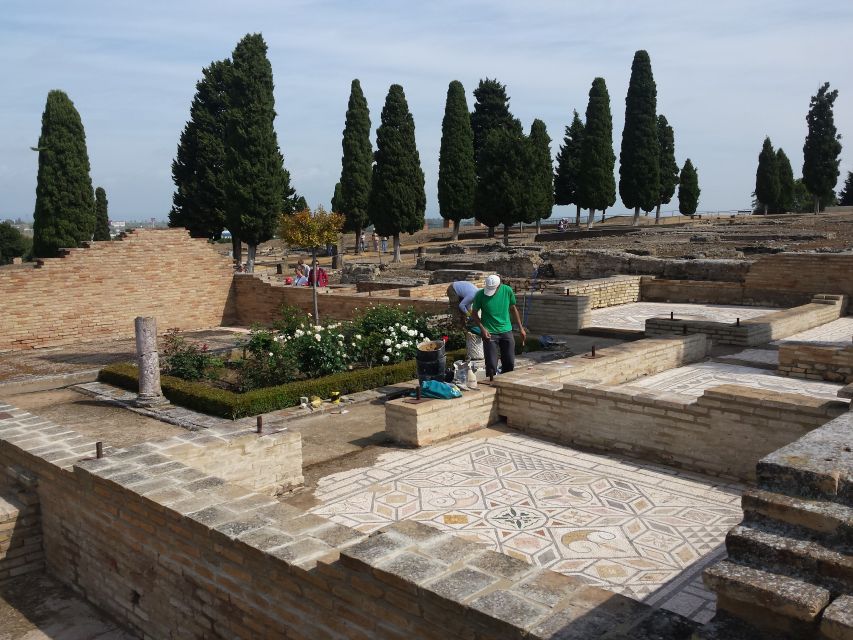
Italica is one of those rare day trips that feels both big and manageable. In about four hours, you travel out of Seville, get a guided walk through some of the most impressive Roman remains in Spain, then add a medieval monastery that feels like a change of pace.
What makes this tour work is the structure. You do not just hop on a bus and wander. You arrive, get guided context for what you are seeing, and then your guide helps connect the dots between Italica’s Roman era and the later monastery complex.
From the reviews, one pattern shows up again and again: the people leading the tour matter. Guides such as Petra, Miguel, Jesus, Carlos Leon, and Alberto earn praise for turning ruins and architecture into something you can picture, not just something you can photograph.
Getting to Italica from Seville: short ride, real time on site
The format is simple. You start with pickup or a set meeting point in Seville, then ride the bus to Italica. The travel time is short, and the schedule keeps the day from feeling like a long commute.
Expect a bus/coach ride in the neighborhood of 20 minutes on the way out. After the Roman site, you get another short transfer to the monastery area. The total in-transit time stays limited so most of your time goes where it counts: walking and learning.
If you choose the shared option, the bus may bring together multiple groups, and the tour often splits by language once you arrive. Several reviews note comfortable transport, with one mentioning USB charging ports on the coach, which is handy if you are using your phone for photos and maps.
Practical tip: you are less likely to waste time if you arrive early at the meeting point. A few reviews mention that sat nav can sometimes point to the wrong spot, so give yourself a buffer.
Italica Roman city: Trajan and Hadrian’s birthplace, not just ruins
Italica was founded in 206 BC by General Publius Cornelius Scipio. Later, it became closely tied to the emperors Trajan and Hadrian, and the site is often described as their birthplace. That matters because it changes your mindset.
Instead of thinking, I am looking at old stones, you start thinking, I am standing in a place that had political weight and prestige. Once you have that context, the city layout feels more purposeful, even when parts are excavated and restored instead of fully intact.
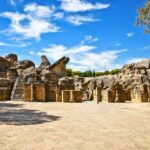
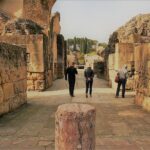
Your guided time at Italica is about 105 minutes. That is enough time for the major highlights without feeling rushed through everything. You should come expecting a mix of open-air ruins, interpretive information, and the kind of details you can only really appreciate when someone explains what you are looking at.
Same idea, different operator. Our other Roman Ruins and Ancient Sites
What you will see and what it means
During the guided walk, expect the big-ticket Roman remains, including:
- Streets and city layout, so you can picture daily life rather than only the grand public spaces
- Grand amphitheater scale, described as once seating up to about 25,000
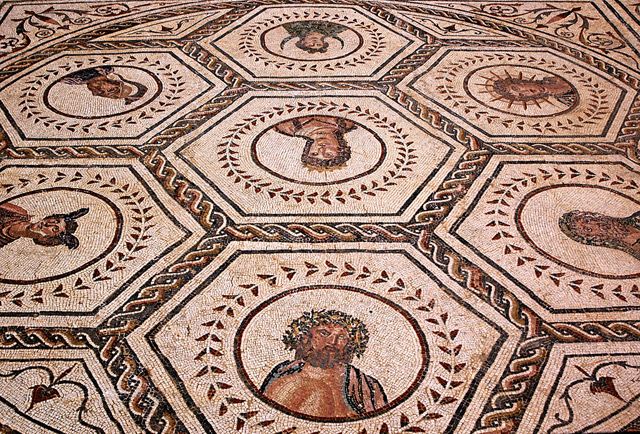
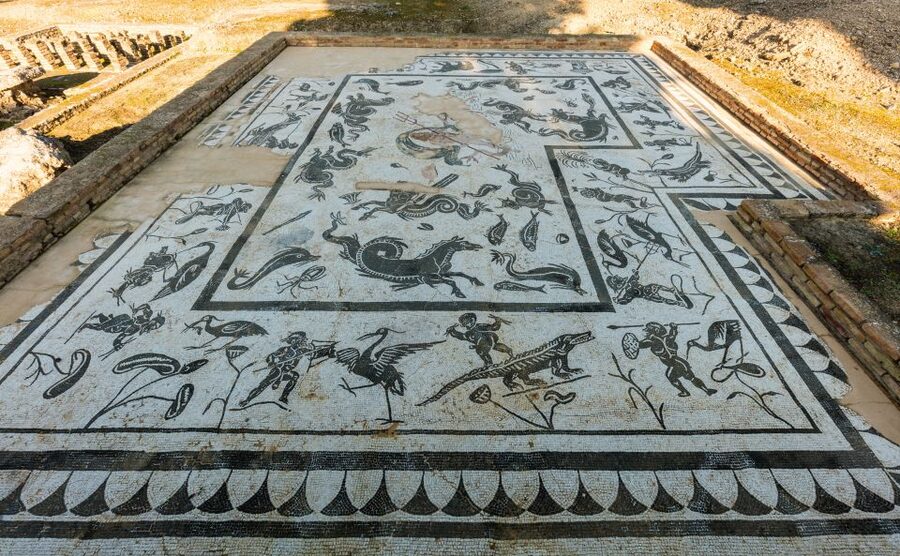
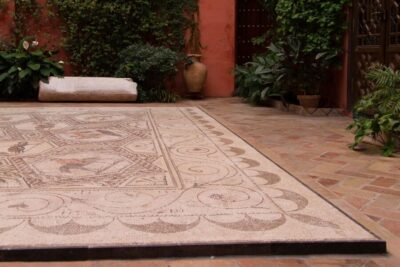
- Intricate mosaics, repeatedly praised as unbelievable
- Under-the-arena elements, including underground passages once used by gladiators
- The lion holding den, referenced as the spot where lions were kept before combat
Even if you are not a Roman-empire specialist, your guide should help you read these features. You start noticing how the arena worked like a machine: people, animals, and performers moving through specific routes.
The amphitheater: the Dragonpit moment for Game of Thrones fans
The amphitheater is the centerpiece. It is also where the tour earns extra attention from pop-culture fans. If you watched Game of Thrones, you might recognize Italica as the filming location used for the Dragonpit, tied to a major summit scene in season seven.
The standout part is not just that it looks dramatic. It is that the setting helps you understand how Roman theater and politics blurred together. The amphitheater was a stage for power, public drama, and crowd spectacle.
When you stand near the seating areas and look toward the arena floor, the size hits you. One review called it jaw-dropping, and I get why. It is hard to fully grasp the scale until you are there, looking out and imagining the crowd.
Photo tip: bring a phone-friendly strap or keep your grip steady. The viewpoints are great, but you may be changing angles quickly as you follow the guide’s path.
Underground passages and the lion den: Roman violence, explained
One of the most memorable parts of Italica is also one of the most unsettling: the underground passages. These are tied to how gladiatorial shows were managed, with routes that helped control the timing and movement of performers.
You will also see the den where lions were held before combat. The point of including these features in a tour is not shock value. It helps you understand that the spectacle had choreography behind the curtain.
This is where a good guide makes a difference. Multiple reviews mention guides who brought the place to life with stories and clear explanations, and you will feel that here. Instead of only seeing an opening in the stone, you will understand why it mattered to the show.
If you like history through human-scale details, this portion is a win.
San Isidoro del Campo monastery: a medieval fortress in Mudejar, Gothic, Baroque layers
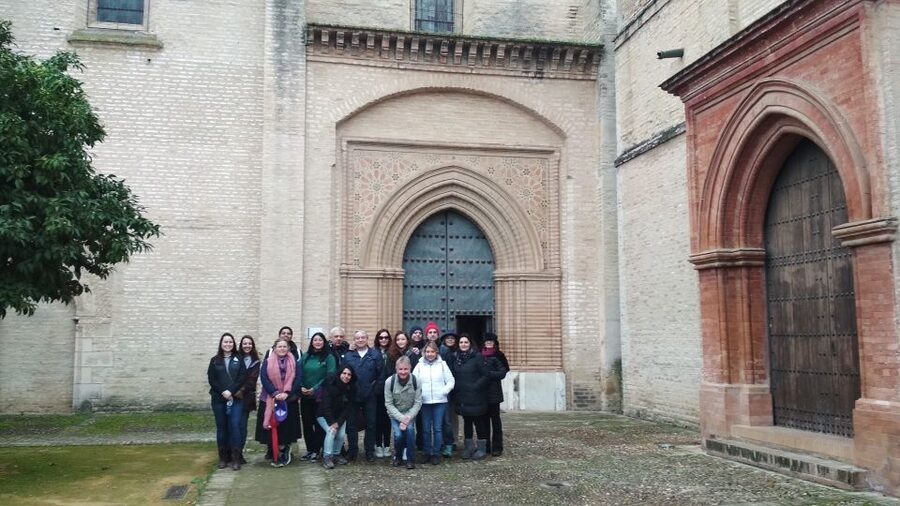
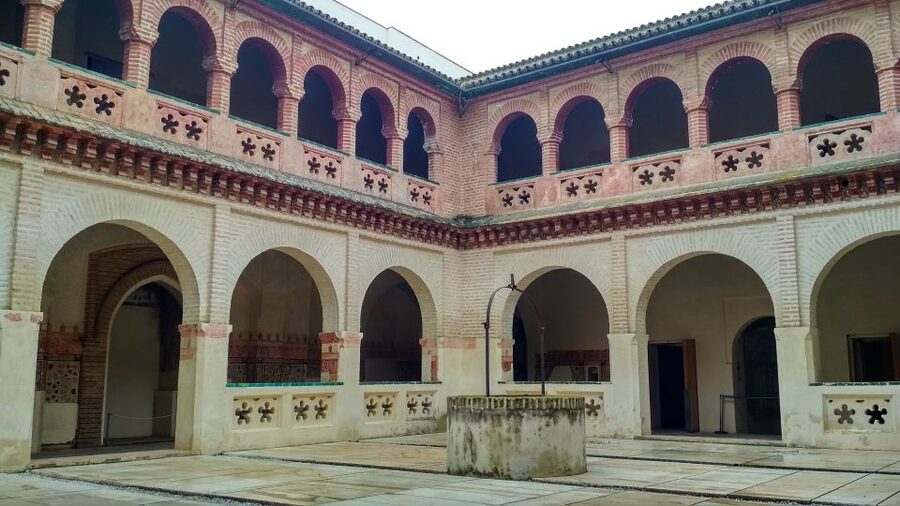
After the Roman site, you switch gears. The bus ride to the monastery is short, and then you get guided time at San Isidoro del Campo. The guided visit runs about 40 minutes.
This stop is a powerful contrast. Italica shows Roman authority in architecture built to hold crowds. San Isidoro del Campo shows medieval authority expressed through devotion and defensive-looking forms, with design elements spanning Mudejar, Gothic, and Baroque styles.
Several reviews call this monastery an extra bonus or even a highlight by itself. If you enjoy architecture details, you are likely to appreciate the mix of styles because it is not one uniform look. It is a layered story you can spot while walking.
One review also notes that only part of the monastery might be open at times due to funding issues, which can affect what you are able to see. The good news is that even with limited access, the guided visit still gives you a sense of the site’s character and use over time.
Timing, pacing, and when the tour might run long
The tour is listed at about four hours. That is a sweet spot if you want to keep your Seville plans flexible.
However, do not treat four hours as a hard guarantee. Some reviews mention the itinerary running longer, mainly due to traffic leaving Seville. In one case, the guide extended time rather than cutting the experience. In another case, someone wanted slightly more time to wander on their own.
So here is my practical advice: leave breathing room after the tour. If you have dinner reservations or another booked activity, schedule it with some slack.
Within the tour, the pace is generally described as well paced and not rushed. Still, if you know you need extra time for photos, stairs, or a slower walk, you will probably want to mention it to your guide early in the day so they know to keep an eye on the group.
Same idea, different operator. Our other City Tours in Seville
- Seville: City Sightseeing Hop-On Hop-Off Bus Tour
- Seville: Highlights City Bike Tour
- City Sightseeing Seville Hop-On Hop-Off Bus Tour
- Seville: Relaxing City Bike Tour with a Tour Guide
- Seville: Small-Group City Highlights Walking Tour
- Seville: City Sightseeing and Local Culture Bike Tour
- Seville: Private City Tour by Eco Tuk Tuk
- Seville City Tour 2 Hour Monumental Segway Tour
Price and value: what you pay for and why it feels fair
At about $46 per person, this tour is priced like a value trip from Seville rather than a high-end private excursion. The key is what is included:
- Entry tickets
- Transport from Seville
- A local guide
Food and drinks are not included. That makes sense for a half-day trip, but it also means you should plan for your own snack and water. One review mentions getting hungry toward the end, so I would pack a small snack even if you think you will be fine.
When you compare this to the cost of entry tickets plus the hassle of arranging your own transport, the price starts to look reasonable. You are also paying for guided context, and the reviews are consistent on this point. People repeatedly praised guides for being fun, engaging, and able to answer questions.
Shared group tours can be a particularly good deal because you still get guidance and tickets, just in a multi-language format. Private tours cost more, but you get the personalized pace and, in many cases, pickup options depending on where you stay.
Who should book this tour?
This is a strong match if you want:
- Roman history with visible, well-preserved remains
- A guided walk that helps you understand what you are seeing
- The bonus of a medieval monastery in the same half-day
- Game of Thrones set-spotting at the amphitheater
If you prefer to travel completely on your own, you might find guided time slightly limiting. But even then, Italica is one of those sites where context pays off fast. A guide helps you interpret features like the underground passages and the arena systems.
This also works for many ages, including people who are not comfortable with long travel days. A short bus ride plus two focused stops is easier on the schedule than a full-day itinerary.
Should you book the Italica and San Isidoro del Campo tour?
Yes, I would book it if you are in Seville and you want to see more than one “wow” site in a single outing. The best reasons are practical: well-preserved Roman remains, the amphitheater’s scale, and a monastery visit that adds style and variety.
Choose shared if you want the best value and you are okay with language grouping. Choose private if you want pickup included (when available), a smaller group feel, and a pace you can more easily shape.
Before you go, do two things:
- Arrive early at the meeting point and double-check navigation details, since one review warns sat nav may send you slightly off.
- Bring a small snack and water because food is not included and some people feel hungry toward the end.
If you want a half-day trip that mixes big Roman visuals with a genuinely interesting medieval stop, this one fits.
FAQ
How long is the Italica Roman city and monastery tour?
The tour duration is listed as 4 hours.
What is included in the $46 per person price?
The price includes entry tickets, transport from Seville, and a local guide. Food and drinks are not included.
Is this tour shared or private?
You can choose between a shared group tour and a private or small group option.
What languages are available for the guide?
Live guided tours are offered in English, French, Italian, and Spanish.
Are there any minimum language requirements for the shared tour?
Yes. A minimum of 4 participants speaking the same language is required to guarantee the tour in that language. If the requirement is not met, you will be offered an alternative language, a different date, or a full refund.
What about pickup from my hotel in Seville?
Pickup is optional for the private tour option. After booking, you provide the name and address of your accommodation. If you are within the pickup area, the operator confirms the exact time and collection spot, and if not, you will be told the nearest accessible pickup point.
Is there a cancellation policy or flexible booking option?
The activity offers free cancellation up to 24 hours in advance for a full refund. It also offers a reserve now & pay later option, so you can book without paying immediately.
Keep browsing City Tours in Seville
- Seville: City Sightseeing Hop-On Hop-Off Bus Tour
★ 4.0 · 4,633 reviews - Seville: Highlights City Bike Tour
★ 4.8 · 2,168 reviews - City Sightseeing Seville Hop-On Hop-Off Bus Tour
★ 4.0 · 1,782 reviews - Seville: Relaxing City Bike Tour with a Tour Guide
★ 4.8 · 1,588 reviews - Seville: Small-Group City Highlights Walking Tour
★ 5.0 · 1,204 reviews
Tours: the rest of our Seville write-ups
- Seville: Cathedral, Giralda, and Royal Alcázar Guided Tour
★ 4.7 · 9,165 reviews - Seville: Cathedral, Giralda & Alcazar Entry With Guided Tour
★ 4.6 · 8,560 reviews - Seville: Priority Access Cathedral, Giralda & Alcázar Tour
★ 4.8 · 7,563 reviews - Seville: Alcázar and Cathedral Entry Ticket and Guided Tour
★ 4.6 · 5,056 reviews - Seville: City Sightseeing Hop-On Hop-Off Bus Tour
★ 4.0 · 4,633 reviews
Keep browsing Roman Ruins and Ancient Sites
- Historical Italica: Half-Day Guided Tour from Seville
★ 4.5 · 416 reviews - Seville: Game of Thrones and Roman Empire Italica Tour
★ 4.3 · 372 reviews - Visit to Italica Roman Ruins Tour tickets included
★ 4.5 · 285 reviews
Fresh off the desk: recent Seville experiences we have written up




Roman Ruins and Ancient Sites, side by side.
 ★ 4.8Málaga: Alcazaba and Roman Theatre Guided Tour With EntryFrom $145,792 reviews
 ★ 4.6Córdoba: Medina Azahara 3-Hour Guided TourFrom $19969 reviews
 ★ 4.4Cartagena: Roman Theater, Forum, Castle and Panoramic LiftFrom $24710 reviews
 ★ 4.9From Málaga: Caminito del Rey & Antequera: Dolmens and free timeFrom $64605 reviews
 ★ 4.5Malaga Tour with Cathedral, Alcazaba and Roman TheatreFrom $45548 reviews
 ★ 4.4Cartagena : Roman Theatre Museum Entry TicketFrom $8481 reviews
★ 4.7Cordoba: Medina Azahara 3–Hour Guided TourFrom $18472 reviews
★ 4.4Cartagena : Roman Theatre Museum Entry TicketFrom $8481 reviews
★ 4.7Cordoba: Medina Azahara 3–Hour Guided TourFrom $18472 reviews
 ★ 4.5Historical Italica: Half-Day Guided Tour from SevilleFrom $47416 reviews
This tour also sits in