
Reviewed · DÉNIA, JÁVEA AND CALPE BOAT TRIPS
Denia: L’Albarda Garden Entry Ticket
One ticket gets you into a calm world. L’Albarda Garden is an easy Denia day trip where you can wander a 50,000-square-meter property packed with 700+ native plant species, plus fountains, pergolas, and mountain views.
I especially like how the garden feels like a walk through different chapters of Mediterranean design. The Arab-inspired layout and tiled details are a big part of the charm, and the formal main-house area gives you a clear starting point that helps you shape your route quickly.
One thing to consider: this is a self-guided garden visit, so if you want a tightly scripted itinerary or a long, sit-down guided tour experience, you might feel like you’re doing your own navigating.
In This Review
- Key Things I’d Plan Around
- Denia Day Trip to L’Albarda Garden: Why It’s Such an Easy Win
- Price and Entry Flow: What Your $8 Buys
- First Stop: The Walk Down to the Main House and Formal Garden
- Arab-Inspired Layout Meets Renaissance Touches
- Roses, Palms, and the 700+ Native Species Factor
- Pergolas, Walkways, and How to Find Your Best Route
- Mountain Views and the Outdoor Break You Didn’t Know You Needed
- Fountains, Pools, and Tiled Details: The Spots Worth Slowing Down For
- Cafe Time and Occasional Music Events
- Wheelchair Accessible and Good for Many Pace Styles
- FUNDEM Connection: Why This Garden Matters Beyond the Walk
- Who Should Book This Denia Garden Ticket
- Should You Book L’Albarda Garden Entry Ticket?
- FAQ
- What does the L’Albarda Garden entry ticket include?
- Where do I exchange my ticket for entry?
- How much does the ticket cost?
- How long is the ticket valid?
- Can I get a refund if my plans change?
- Do I need to pay right away?
- Is this visit wheelchair accessible?
- What kind of scenery and features should I expect?
- What plants and flora will I see?
- Is the garden connected to any conservation work?
- Are there food and drink options on site?
Key Things I’d Plan Around
- Start at the main house so the formal gardens help you pick a direction fast
- Arab and Renaissance influences show up in the architecture, not just the plants
- Fountains and pools appear in surprising spots as you pass vine-covered pergolas
- Mountain views give you easy photo breaks without leaving the garden path
- Value is strong at about $8 for a big, plant-filled grounds visit
Denia Day Trip to L’Albarda Garden: Why It’s Such an Easy Win
If you’re based in Denia, L’Albarda Garden is the kind of outing that fits real life. You’re not committing to an all-day bus tour or a complicated route. You just exchange your ticket for entry and then spend your time at your own pace, soaking up the garden atmosphere and the views.
What makes it work is the scale. You’re walking through a large, well-organized garden spread across 50,000 square meters. That matters because it reduces the feeling that you’ll see everything in 20 minutes. Even with breaks, you can comfortably spend the better part of a day meandering, stopping at fountains, and looping back to sections you want to linger in.
And then there’s the plant story. The ticket gives access to a collection of 700+ native flora, much of it tied to the Mediterranean ecosystem. That’s why this place feels more than decorative. It’s like seeing how Mediterranean plants grow when they’re given space, care, and the right conditions.
Price and Entry Flow: What Your $8 Buys
The entry ticket is about $8 per person. For that price, you’re not just buying pretty scenery. You’re getting access to a big, curated garden with formal and wilder-feeling sections, plus the chance to slow down in a setting built for walking.
Your day starts with a simple step: exchange your ticket for entry at L’Albarda Garden. From there, the visit is straightforward. You go in, take your bearings, and then head toward the main house and the formal garden area first. This is smart, because it’s the quickest way to understand how the paths connect and where the best sights may be clustered.
Your ticket is valid for 1 day, with starting times available when you check availability. That means you can match your garden walk to your travel rhythm, whether you want a morning start or a later slot.
If you’re price-sensitive, the big question is whether this will feel like enough time. With 50,000 square meters to walk and hundreds of plants to see, the answer is usually yes. This is the kind of place where returning to a fountain pool or walking back under pergolas doesn’t feel like time wasted.
Worth a side-by-side look, our other Denia, Javea and Calpe Boat Trips





First Stop: The Walk Down to the Main House and Formal Garden

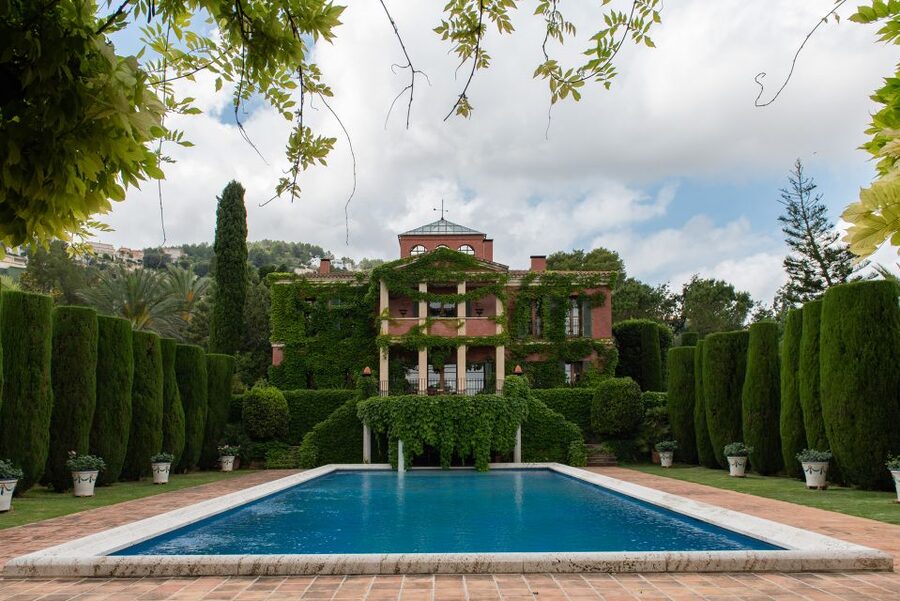
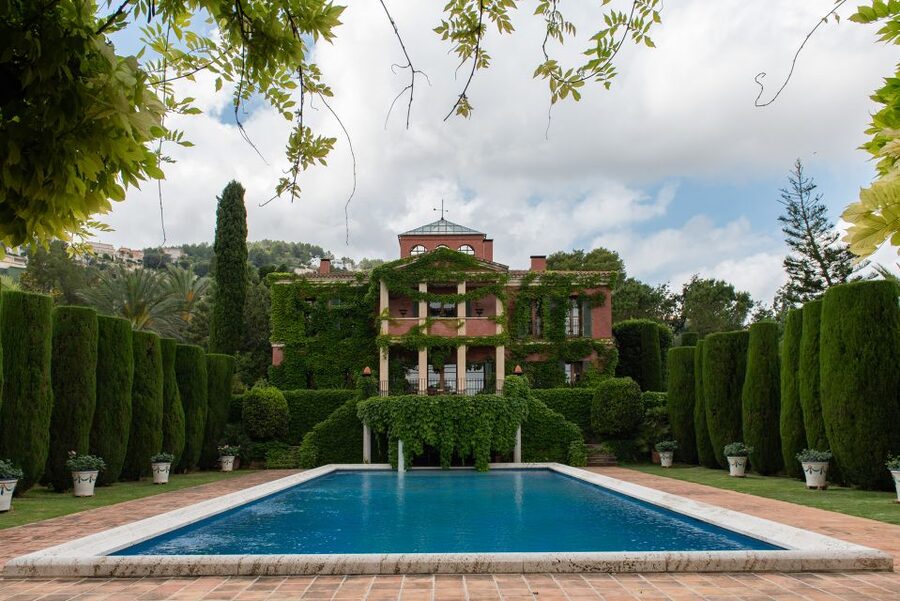
Right after you enter, head for the main house and formal garden. This part of the grounds acts like a visual map. It’s where you can get your bearings fast, then decide which direction to go next.
I like that you don’t have to follow a rigid sequence. You can start by observing the formal structure, then follow your curiosity from there. Want more shade? Head toward vine-covered areas. Want big views? Look for where the garden opens toward the mountains.
This first area also helps you understand the garden’s mix of styles. You’ll see architectural choices and layout decisions that blend European and Arab influences, which becomes more obvious as you wander deeper.
One practical tip: if you’re visiting when the weather is changeable, like a cloudy day, arrive close to the beginning of the day. At opening time, you’ll likely find space to move at a relaxed pace, with fewer people competing for the nicest angles and quiet corners.
Arab-Inspired Layout Meets Renaissance Touches
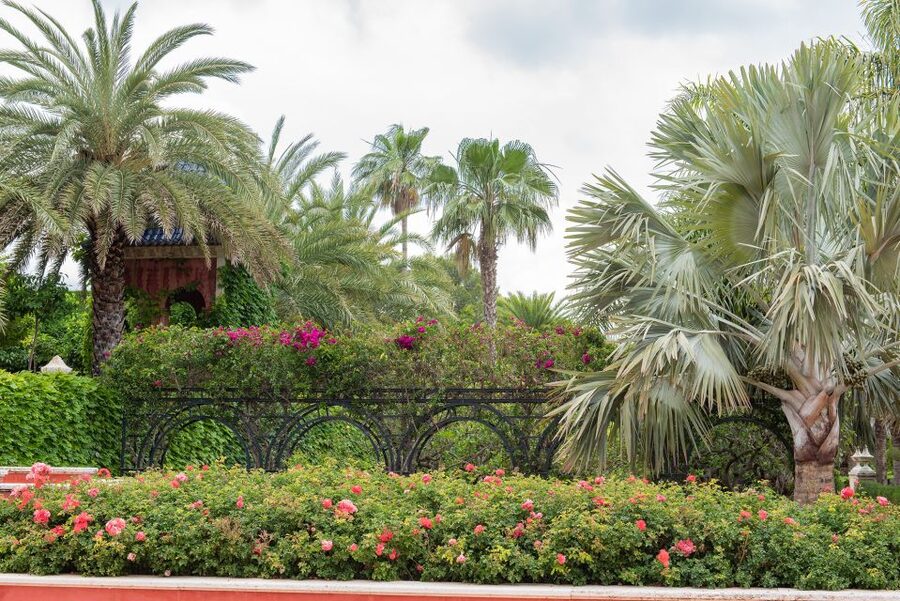
The garden stands out because it doesn’t rely on one aesthetic. Instead, it blends influences in a way that feels intentional and walkable.
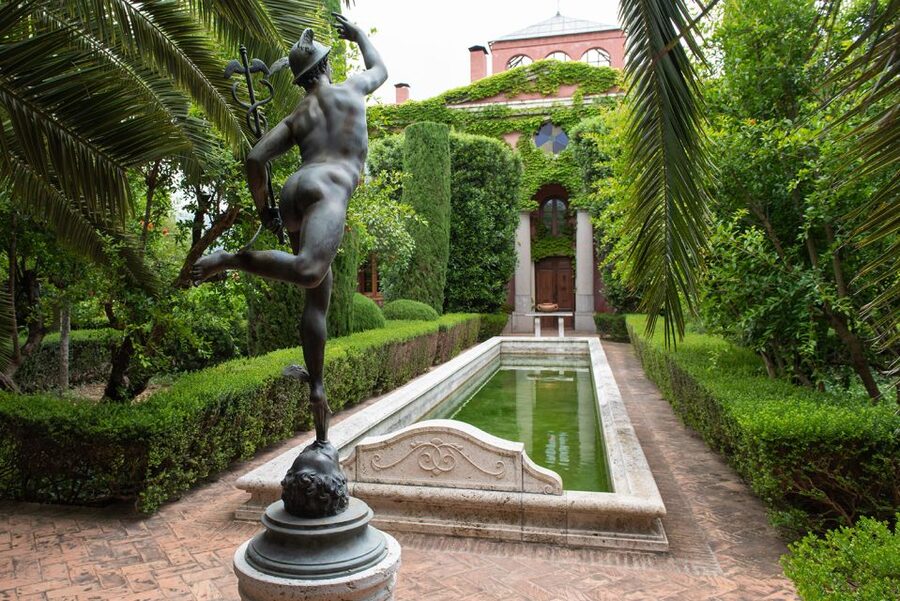
You’ll notice Arab cultural influence in how the spaces are arranged and how features show up along the paths. Expect tiled walls, fountains, and enclosed-feeling pockets where the garden slows you down. Those elements create a sequence, like you’re moving through rooms made of plants and water.
Then there’s a Renaissance feel in the structure and the sense of formality around the main house and formal garden area. The property isn’t just wild and natural, it’s also planned. That mix is part of why the experience works for different tastes.
A detail I think you’ll appreciate is the variety in garden texture. In some sections, you’ll find manicured, tidy edges. In others, it feels more natural. That contrast keeps the walk interesting and helps you avoid the feeling that you’re seeing the same kind of planting over and over.
Roses, Palms, and the 700+ Native Species Factor
The garden is built around Mediterranean plants, and the entry ticket gets you access to that collection in one place. You’ll see roses and palm trees mentioned as part of the core experience, and as you move through, you’ll likely spot a wider mix of local flora.
Why this matters: plant collections can be either informative or purely decorative. Here, the garden size and the mention of native species suggests you’re seeing plants meant for the Mediterranean climate, not just imported showpieces. That gives the whole walk a more rooted feeling.
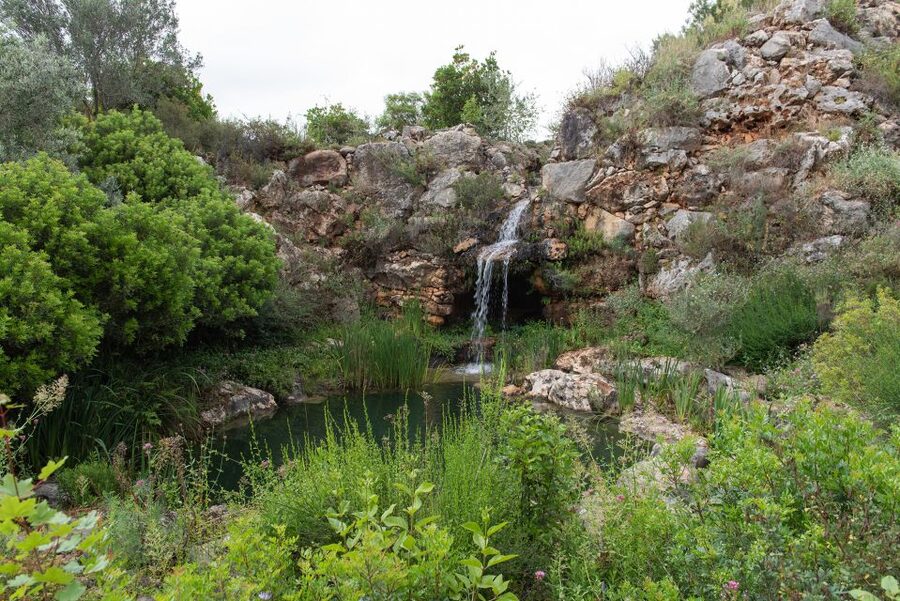
I also love how fountains and water features tie into the plant experience. Water points keep you paying attention to your surroundings. You notice where it gathers, how it reflects light, and how plants frame it. It’s also a natural reason to slow down and take breaks, especially on warmer afternoons.
In the reviews, one of the most repeated themes is how often you get a sense of wow from a new angle, almost like the garden is presenting surprises at different corners. That’s exactly what a garden with lots of paths and water features tends to do well.
Pergolas, Walkways, and How to Find Your Best Route
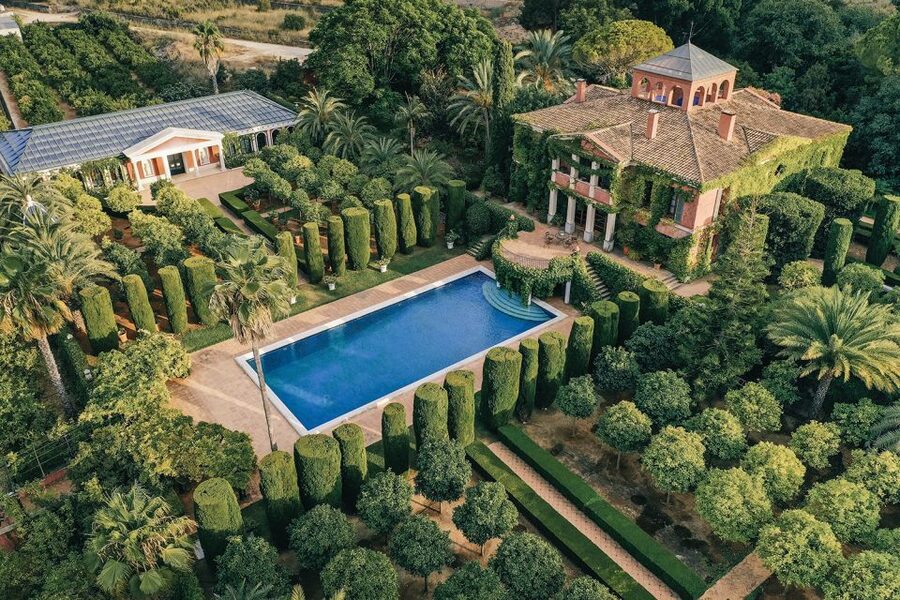
The garden is designed for walking, not rushing. You’ll pass tree-lined walkways and vine-covered pergolas that naturally guide you forward. These shaded corridors are useful in two ways. They give you comfort, and they also create a sense that the garden is changing as you move.
Because this visit is self-paced, the best strategy is simple. Choose a direction after you visit the main house area, then follow the garden features rather than trying to see everything equally.
If you like architecture, prioritize sections with the main house, formal garden, tiled walls, and pergola structures. If you prefer nature detail, slow down in areas where plant variety seems higher and where paths give you close views.
A helpful mindset: think of it as multiple mini-gardens connected by walkways. You don’t have to see every inch to get a full experience. If you’re the type who enjoys lingering, you’ll likely naturally cover enough to feel satisfied.
Also, note the garden includes a map concept, with references to around 25 points on it. That’s useful if you like structure. You can treat the map as a checklist, then skip what doesn’t grab you.
Mountain Views and the Outdoor Break You Didn’t Know You Needed
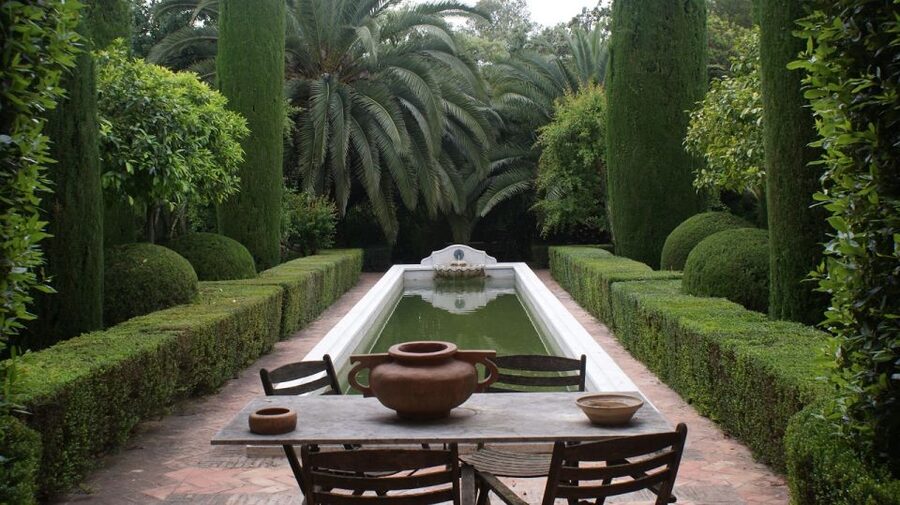
One of the highlights is the setting. As you approach the garden grounds, you’re greeted by striking mountain views. That’s not just a photo moment. It changes how the garden feels, because you’re not enclosed in a bubble.
Those views work especially well if you plan a short break mid-visit. Take a few minutes away from the densest plant areas, then return when you’re ready to keep walking. It resets your attention and makes the garden feel fresh again.
Even better, a cloudy day can be ideal for sightseeing. Light is softer, paths can feel cooler, and photos often look more even. One review notes how opening time on a cloudy day meant plenty of space. That’s the kind of practical win that makes an “ordinary” garden visit feel special.
Fountains, Pools, and Tiled Details: The Spots Worth Slowing Down For
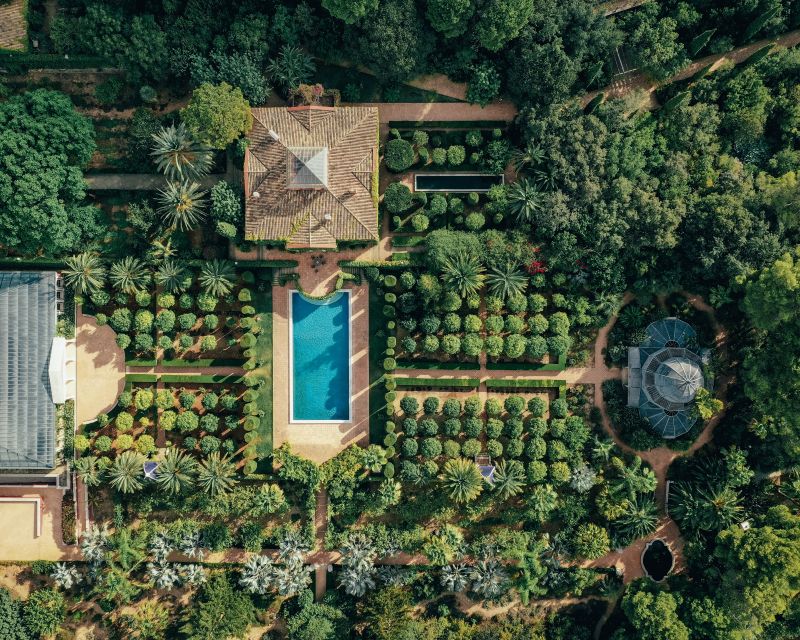
As you wander, fountains, pools, and tiled walls show up along the way. These details matter because they create movement inside the garden. You keep looking for where the water is, then you find it tucked behind plants or framed by pergolas.
Some gardens only show you their best parts at the entrance. L’Albarda Garden tends to spread the highlights out. The result is a walk where you keep getting little rewards at regular intervals, not just at the beginning.
If you’re traveling with someone who gets bored easily, water features usually help. They give you a clear destination in a place where you might otherwise feel like you’re wandering without goals.
And if you’re a repeat visitor type, the experience can still feel new. One review mentions a second visit across seasons and highlights waterfalls, pools, fountains, and refreshments. That’s a good hint that the garden changes enough to justify going again, even if you already know the basics.
Cafe Time and Occasional Music Events
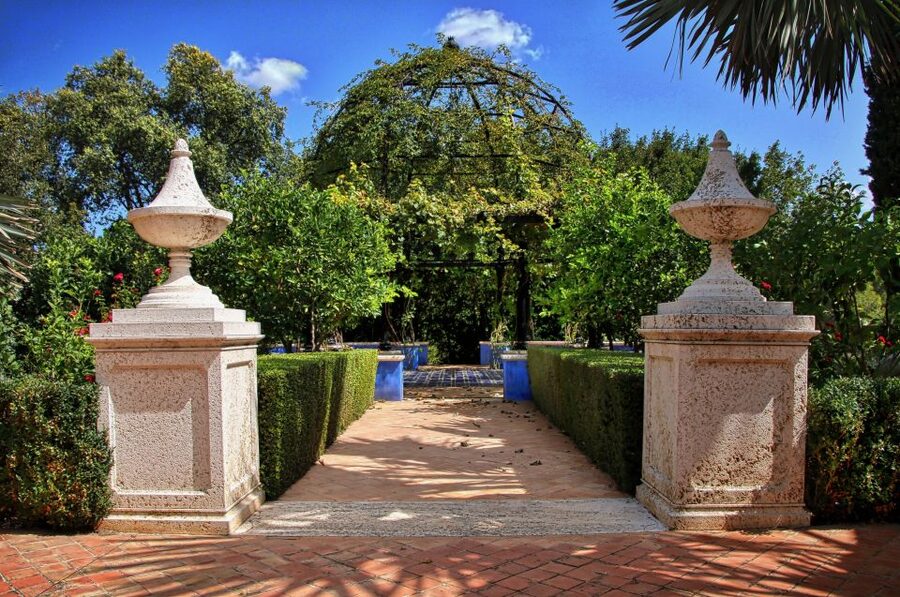
You’ll find a little cafe area on site. Reviews mention stopping for coffee and carrot cake, and snacks or drinks at reasonable prices. It’s a good fallback if you want a pause without leaving the garden grounds.
If you like pairing nature with culture, keep an eye out for events. One review specifically calls out a piano concert by Yukiko Akagi. The point for you is not that you’ll always catch a concert, but that the garden can host music, which can add a memorable extra layer to an already scenic walk.
Timing-wise, if there’s a concert on, plan for potential lines around the cafe. One comment notes that when a concert started at 11 o’clock, the cafe window had long waiting lines and that it would have been better if it opened earlier. So if you’re going on an event day, get your snack early to avoid the wait.
Wheelchair Accessible and Good for Many Pace Styles
The entry is wheelchair accessible, which is a big factor when you’re deciding whether a garden is worth your time. A garden that’s accessible tends to be more enjoyable for more people, including visitors who want to take a slower pace or stop often for photos.
That said, gardens always involve paths, slopes, and outdoor surfaces, so it’s smart to think about your own comfort level. The data here confirms accessibility, so you can plan with confidence, but you should still choose comfortable shoes and give yourself time.
Groups can also work well. One review describes a coach group of 53 people all enjoying the visit. That suggests the garden can handle crowds without collapsing the experience into chaos, especially if you choose a good time to arrive.
FUNDEM Connection: Why This Garden Matters Beyond the Walk
L’Albarda Garden is part of FUNDEM, a foundation focused on conserving Mediterranean fauna and flora. That’s not just a label. It’s a reason to treat the garden as more than a pretty backdrop.
When a place is connected to conservation, it typically means the plant collection and care approach are meant to support Mediterranean biodiversity. For you, that translates into a garden visit that feels purposeful. You’re not only enjoying the experience, you’re also learning through what’s grown and protected.
It also supports a “nice-to-do” outing that aligns with responsible travel. You get beauty, but you’re also stepping into a conservation-oriented space.
Who Should Book This Denia Garden Ticket
This is a strong fit if you:
- Want a half-day to full-day walk that doesn’t require a tour guide to enjoy
- Love plants, garden design, fountains, and shaded paths
- Like cultural mixing, especially Arab and European influences in architecture and layout
- Prefer quieter, scenic time over check-the-box attractions
It may be less ideal if you want:
- A fully guided narrative tour with lots of interpretation from a guide
- A high-energy, fast-moving sightseeing format
But for most people looking for a genuinely relaxing Denia add-on, L’Albarda delivers.
Should You Book L’Albarda Garden Entry Ticket?
I’d book it if you want a calm, scenic outing with strong value and plenty of walking options. At about $8, you’re getting a large property, hundreds of native species, and garden design that blends different cultural styles in a way you can actually experience step by step.
Go for it especially if you enjoy gardens that have multiple “chapters,” formal sections near the main house and then more wandering, shaded routes under pergolas. And if you can, aim to arrive close to opening time. The odds of having more space and a calmer pace are better, and you’ll enjoy the surprises more.
If you’re traveling with someone who worries that gardens are boring, bring them anyway. The fountains, the tiled details, the mountain views, and the sense of wow around corners are the kind of rewards that usually land well.
FAQ
What does the L’Albarda Garden entry ticket include?
The entry ticket gives you access to L’Albarda Garden. The experience information lists the ticket as the included item.
Where do I exchange my ticket for entry?
You exchange your ticket for entry at L’Albarda Garden, and the activity ends back at the meeting point.
How much does the ticket cost?
The price is listed as about $8 per person.
How long is the ticket valid?
Your ticket is valid for 1 day. You should check availability to see starting times.
Can I get a refund if my plans change?
Yes. Free cancellation is available up to 24 hours in advance for a full refund.
Do I need to pay right away?
You can reserve and pay later, so you can book your spot and pay nothing today.
Is this visit wheelchair accessible?
Yes. The activity is listed as wheelchair accessible.
What kind of scenery and features should I expect?
You can expect a garden oasis with mountain views, fountains, pools, tiled walls, walkways, and vine-covered pergolas, plus collections of Mediterranean flora.
What plants and flora will I see?
You should expect to see a mix of Mediterranean flora, including roses and palm trees, and a collection featuring more than 700 native species.
Is the garden connected to any conservation work?
Yes. L’Albarda Garden is part of FUNDEM, a foundation for conservation of Mediterranean fauna and flora.
Are there food and drink options on site?
Yes. There is a little cafe mentioned in reviews, with items like coffee and carrot cake, plus snacks and drinks.
Denia, Javea and Calpe Boat Trips: the others that earned a place
- Dénia: Daytime or Sunset Catamaran Cruise
★ 4.4 · 952 reviews - Denia: Cova Tallada Catamaran Tour and Swimming Stop
★ 4.1 · 514 reviews - From Denia: Boat Trip to Tallada Cave with Optional Swim
★ 3.6 · 376 reviews - Dénia & Jávea: Portixol Sailing Catamaran Excursion with BBQ
★ 4.2 · 288 reviews - From Dénia/Jávea: Cala Blanca Boat Trip with Jet Ski & Lunch
★ 4.2 · 174 reviews
Fresh off the desk: recent Denia experiences we have written up



Dénia, Jávea and Calpe Boat Trips, side by side.
 ★ 4.4Dénia: Daytime or Sunset Catamaran CruiseFrom $17952 reviews
 ★ 4.6Guadalest & Algar Falls Tour – From Albir, Benidorm & CalpeFrom $38740 reviews
 ★ 5.0Uncharted Caves & Snorkelling Heaven: Cala Granadella Kayak TourFrom $60724 reviews
 ★ 4.5Jávea: Cala Tango and San Antonio Nature Reserve Kayak TourFrom $59547 reviews
 ★ 4.1Denia: Cova Tallada Catamaran Tour and Swimming StopFrom $21514 reviews
 ★ 4.5Guadalest & Algar Falls Excursion – From Albir, Benidorm & CalpeFrom $38380 reviews
 ★ 3.6From Denia: Boat Trip to Tallada Cave with Optional SwimFrom $14376 reviews
 ★ 4.9Granadella: Caló, Cova Llop Marí, and Ambolo Kayak TripFrom $53358 reviews
This tour also sits in