
Reviewed · MURCIA AND CARTAGENA
Calasparra: Cueva del Puerto Entry Ticket with Guided Tour
Underground bridges feel like a movie set. A guided walk through Cueva del Puerto mixes geology lessons with real adrenaline, especially when you cross 20-meter-high bridges below ground.
What I really like is the way the guide brings the caves to life, and the way the lighting makes the shapes easy to see and understand.
My one caution is simple: this route is not for everyone. There is a short flight of stairs on the way, and it is not suitable if you get uncomfortable in tight or enclosed spaces (claustrophobia).
In This Review
- Key things you will notice fast
- Entering Cueva del Puerto: meeting the guide and starting the descent
- Walking 700 meters through 15-million-year-old caves
- The lights make the shapes: LED shadows and the Gaudí gallery
- The luminescent minerals room: where the cave glows
- Indiana Jones energy: crossing bridges 20 meters above the floor
- How the caves were discovered in 1966, and why the guide matters
- What to wear and how to handle cave temperature
- Price and value: what $22 buys you in 1.5 hours
- Who should choose this tour in Murcia
- Should you book the Calasparra Cueva del Puerto guided tour?
- FAQ
- How long is the Cueva del Puerto guided tour?
- Where do I meet the guide?
- How deep do you go underground?
- Are the bridges part of the route?
- What should I wear?
- Is this tour suitable for claustrophobia, and are pets allowed?
Key things you will notice fast
- 50-meter descent underground, where the air and humidity shift right away
- 700 meters of cave walking, with bridges, galleries, and well-lit paths
- LED lighting that changes what you see, turning shadows into part of the show
- The Gaudí gallery named after Antoni Gaudí, a highlight for design lovers
- A luminescent minerals room, where the cave seems to glow
- Guides like Manolo, Ana, and Mavi, who explain how water shaped it over thousands of years
Entering Cueva del Puerto: meeting the guide and starting the descent
The experience starts at the main entrance, where you meet your guide. From the very beginning, the caves feel like a different world. One minute you are in daylight conditions, the next you are gearing up for a real underground walk, not a quick photo stop.
Plan on bringing warm clothing and closed-toe shoes. You might assume caves are just “cool,” but the more practical truth is that they can feel damp and chilly against the skin. That is why warm layers help, even if you later feel oddly warm from movement. One practical tip from the tour experience itself: one person noted that although you are told to dress warmly, the cave can feel hot with high humidity. So dress in layers that you can manage.
Also note the route includes a short flight of stairs. It is not a deal-breaker, but it is a reminder that you are walking on cave terrain, not strolling on a flat city sidewalk.
Walking 700 meters through 15-million-year-old caves
Your route runs about 700 meters through natural galleries, with the caves estimated to be around 15 million years old. That number is big, but what matters for you is the pace. This is a guided walking tour, so you get enough time to look up, not just pass through.
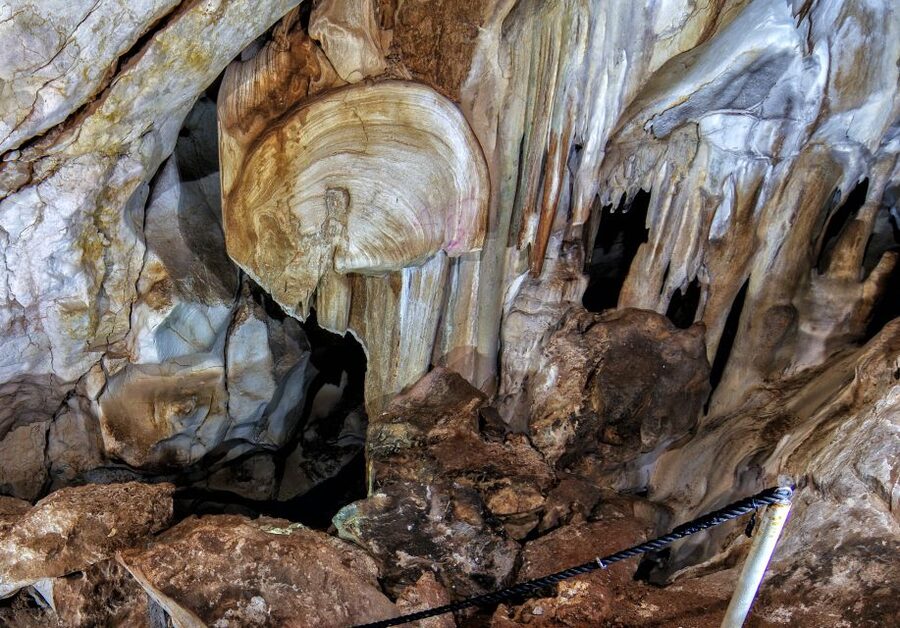
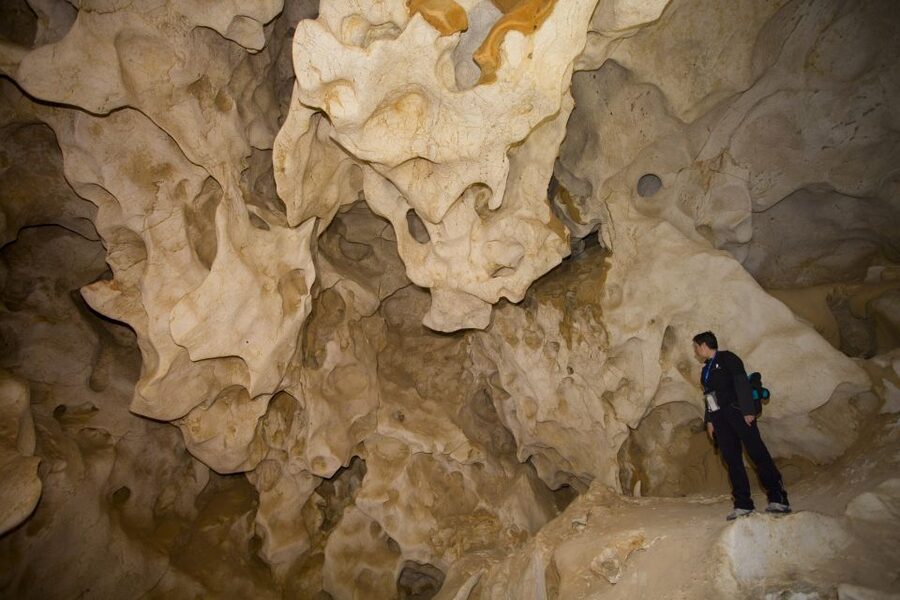
As you go, you will see the cave ceiling and walls sculpted into recognizable shapes. The guide helps you spot what you might otherwise miss, like formations that resemble roots and smaller pieces that look a bit like popcorn. Those are not just pretty accidents. They connect to how limestone and mineral deposits form over long periods.
You will also notice a pattern to what you are shown. You start with general cave features, then the tour moves into more specific formations and named spaces. The guides explain how water drives the process, and how the shapes you see today took a long time to build.
The lights make the shapes: LED shadows and the Gaudí gallery
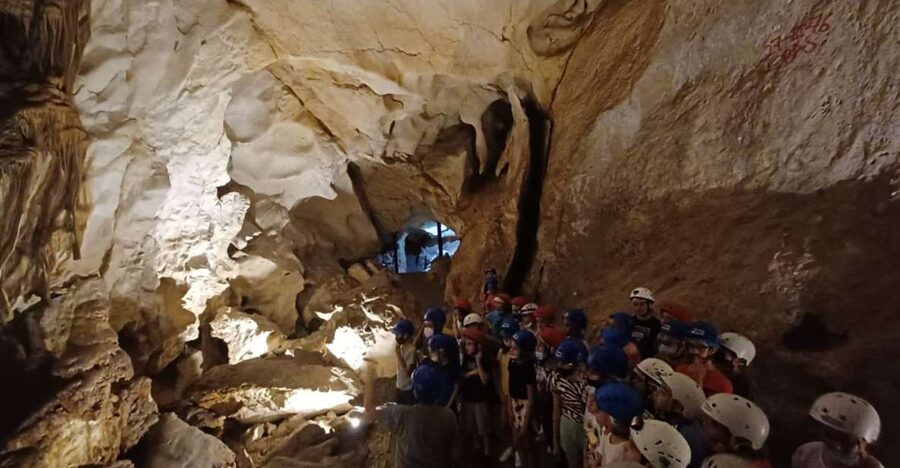
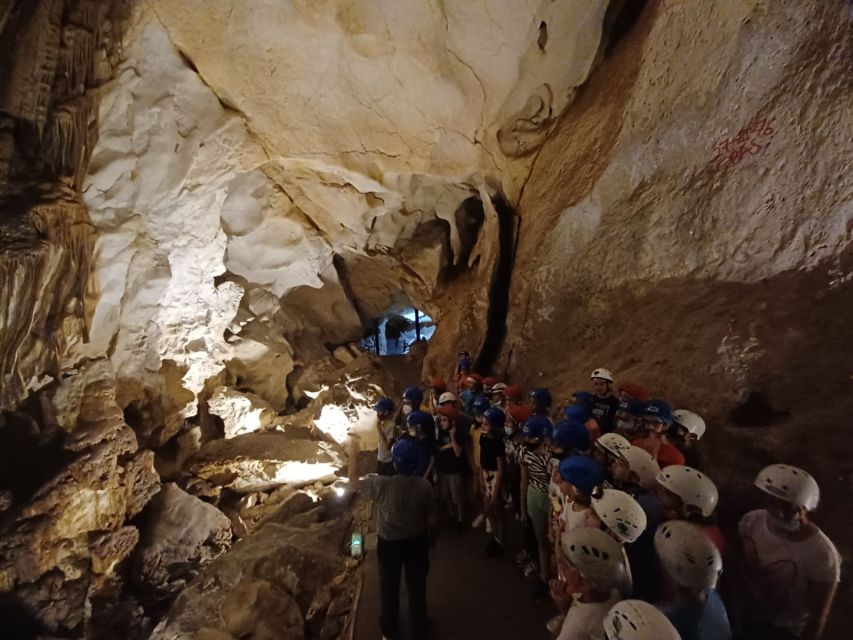
Inside, the lighting is part of the experience. You walk along well-illuminated walkways and bridges, and LED lights are used to highlight ceilings and walls. That matters because cave formations are subtle in low light. With the lighting, the shapes look sharper, and shadows help you understand depth.
One of the most memorable named highlights is the gallery named after Antoni Gaudí. Even if you are not the type who studies architecture, you will likely see why the name sticks once you are there. It is one of those spaces where the cave seems to play with curves and irregular, expressive forms. The guide helps you connect those shapes to the underlying geology.
The cave’s “cinema lighting” also makes it easier to follow the route without feeling rushed. You get a steady flow of viewpoints, rather than a single dramatic moment and then back to darkness.
The luminescent minerals room: where the cave glows
A key stop is the luminescent minerals room. This is where the tour shifts from “look at shapes” to “watch the cave change its mood.” The description of this room is exactly what you want on a guided cave trip: it gives you a controlled way to see minerals in a way that the natural cave darkness alone would not.
What you will feel here is less about wonder-by-mystery and more about wonder-by-visual. The LED setup and the room’s lighting allow minerals to show their glow. The guide’s context also helps. When you understand that mineral formations and their patterns develop through water movement and deposition, the glow feels earned, not gimmicky.
If you like natural science that you can actually see, this is the moment. You will probably want to slow your pace here and take in how the light interacts with the formations.
Indiana Jones energy: crossing bridges 20 meters above the floor
Yes, you will get that adrenaline moment. The tour includes bridges that are 20 meters above the cave floor. It is the kind of view that makes you naturally check your footing and look out into open space you cannot otherwise imagine underground.
If you are comfortable with heights, you will likely enjoy it as a peak highlight. If you are not, the practical approach is to keep your eyes on the path and the next handrail point. You do not have to stare out into the drop to cross safely.
Also, because this is on a guided tour, you are not left on your own to figure out timing. You move as a group, and the guide keeps things moving while you focus on where to step.
This is also a good reason to wear the right shoes. Closed-toe footwear with solid grip is your friend here, because cave surfaces and walkways are not designed for flip-flops or slippery soles.
How the caves were discovered in 1966, and why the guide matters
One of the best parts of this tour is that you are not just moving through pretty spaces. You are learning how the caves became known. The story includes the caves being discovered in 1966, and your guide explains what it means that humans found this underground network and then studied it.
That context matters because it gives you a frame for everything you are seeing. Without that, you might treat the formations like random art. With it, you get a sense of a real system: water flows, minerals deposit, space evolves over time, and then eventually humans arrive with flashlights and curiosity.
In the guide department, the tour seems to deliver. People mention specific names like Manolo, who gave a complete tour and explained the formation process for different rooms, and guides like Ana and Mavi, who were praised for being great. The common theme is that the explanations are clear enough to make the cave feel understandable, not just impressive.
If you enjoy turning on your science brain, you will get more out of the route. If you prefer simple sightseeing, the guide still helps you spot the “wow” features quickly.
What to wear and how to handle cave temperature
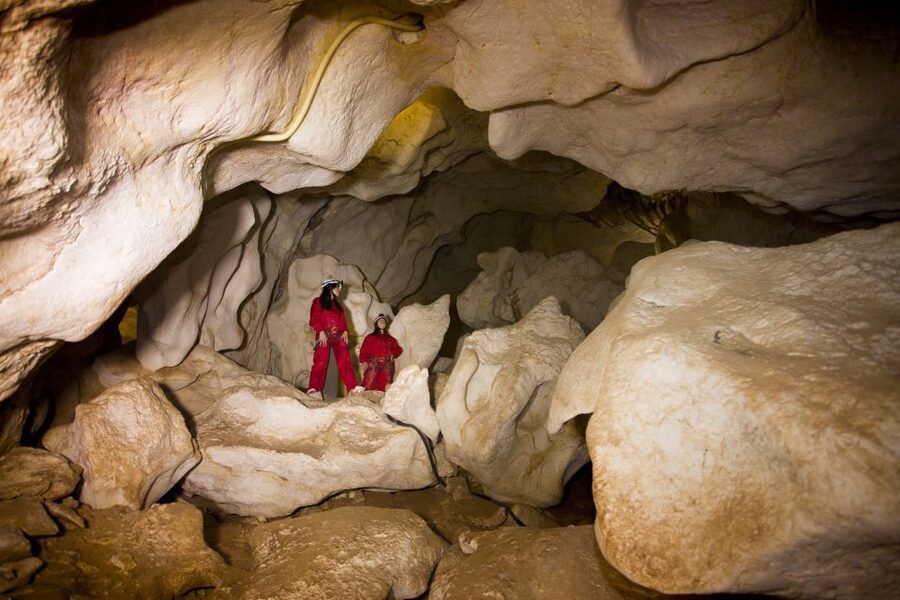
Caves are their own climate, and Cueva del Puerto is no exception. You will feel that change in air and humidity once you start. You are advised to bring warm clothing and wear closed-toe shoes for comfort.
Now here is the honest balance: one piece of feedback suggests that you may be told to dress warm, and then find the cave can feel hot instead. That does not contradict the general advice. It just means your experience will depend on how much you move, how warm you run, and what season you visit.
So I recommend dressing like you would for a damp indoor visit with a workout component:
- a layer you can keep on during the first part
- something you can remove if you overheat
- shoes that handle smooth surfaces and possible moisture
Also, pets are not allowed. If you are traveling with a furry friend, plan ahead.
Price and value: what $22 buys you in 1.5 hours
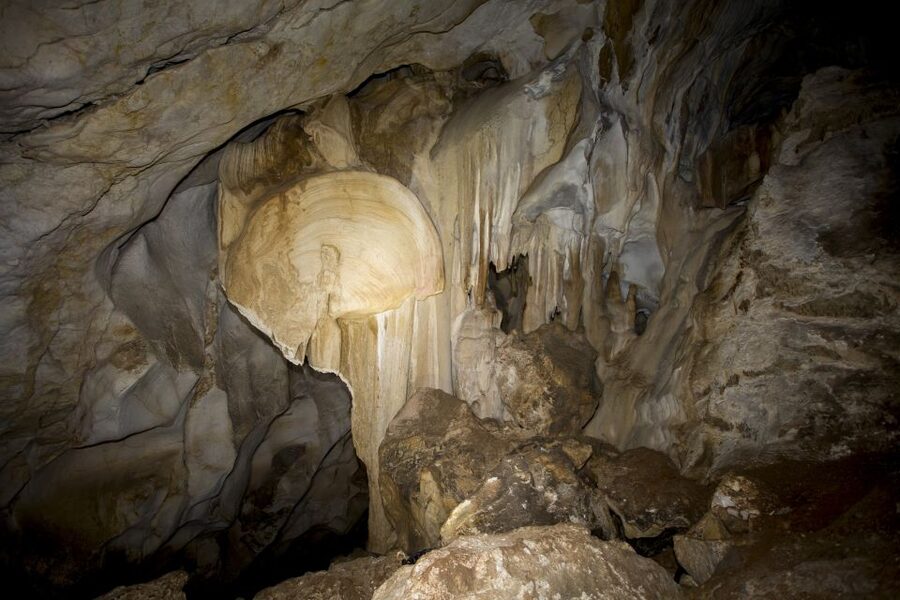
At about $22 per person, this ticket price feels like a solid value because you are paying for more than entry. What’s included is the entry ticket, a walking tour, and a local guide. In other words, you are not just buying access, you are buying interpretation and structure.
The tour lasts about 1.5 hours, and that time is used well. You get enough duration to descend, walk through multiple galleries, stop for the luminescent minerals room, and still experience the adrenaline moments like the bridges. The route is designed to keep you moving at a steady pace while letting you look up and around.
Is it the cheapest cave option you might find in the region? Maybe. But if you care about understanding what you are seeing, the guide time makes the price easier to justify. The $22 covers the difference between passing through and actually getting the story.
Who should choose this tour in Murcia
This is a great match if you like active sightseeing. You will be walking, following a route, and dealing with bridges and a short stair section. You are also in a good spot if you enjoy geology and the kind of explanations that help you recognize how water creates rock formations.
It is not the right fit if you have claustrophobia. Even with the route being on walkways and illuminated areas, this is still an underground cave environment. If you are afraid of enclosed spaces, skip it.
And if you get nervous about heights, be realistic. The bridges are part of the main thrill, so you will want to decide based on your comfort level, not hope.
Should you book the Calasparra Cueva del Puerto guided tour?
If you want an underground experience that balances visuals with real explanations, I would book this. You get a route with multiple highlight spaces, including the luminescent minerals room and the Gaudí gallery, plus the adrenaline hit from the 20-meter bridges. The guide quality seems consistently strong, with named guides like Manolo, Ana, and Mavi receiving praise for making the geology make sense.
Just go in with the right expectations: it is an active cave walk for about 1.5 hours, it includes some stairs, it is Spanish guided, and it is not suitable if enclosed spaces make you anxious.
If that fits your travel style, you are in for a memorable Murcia cave day.
FAQ
How long is the Cueva del Puerto guided tour?
The tour lasts about 1.5 hours.
Where do I meet the guide?
You meet your guide at the main entrance of the cave.
How deep do you go underground?
The tour includes a descent of 50 meters underground.
Are the bridges part of the route?
Yes. There are bridges on the route, including some that are 20 meters above the cave floor.
What should I wear?
Bring warm clothing and wear closed-toe shoes.
Is this tour suitable for claustrophobia, and are pets allowed?
The tour is not suitable for people with claustrophobia. Pets are not allowed.
Murcia and Cartagena, side by side.
 ★ 4.4Cartagena: Roman Theater, Forum, Castle and Panoramic LiftFrom $24710 reviews
 ★ 4.7Calasparra: Almadenes Canyon Rafting with Caves and Rock ArtFrom $34558 reviews
 ★ 4.1Cartagena, Spain: Panoramic Double-Decker Bus TourFrom $9526 reviews
 ★ 4.4Cartagena : Roman Theatre Museum Entry TicketFrom $8481 reviews
 ★ 5.0Murcia: Canyon of Almadenes Rafting, Caves & PhotosFrom $35417 reviews
 ★ 4.6Rafting Adventure in MurciaFrom $29312 reviews
 ★ 4.3Cartagena: Panoramic Lift & Conception Castle TicketFrom $7272 reviews
 ★ 4.3Murcia: Terra Natura Murcia Ticket EntryFrom $10211 reviews
This tour also sits in