
Reviewed · GRAN CANARIA ISLAND EXCURSIONS
Beginners Scuba Diving Experience in Gran Canaria
Trying scuba in Gran Canaria is a big-feeling moment without the long training slog. What makes this experience work is the small group setup and the way you practice basics first, so the reef swim feels like progress, not a leap. Two things I really like are that all the equipment is included (you just bring your swimwear) and that the instruction is hands-on and safety-focused throughout.
One consideration: the schedule can feel tight for true first-timers. A small number of people reported they wished they had more time staying in the shallow water for extra practice before moving on.
In This Review
- A Calm Setup for Your First Reef Swim
- Key Things That Make This Experience Worth It
- What You’re Really Buying for Your Money
- Where It Starts in Las Palmas, and Why the Water Location Matters
- The Morning Flow: Paperwork, Gear Fitting, and the Shallow-Water First Step
- Gear fit and comfort checks
- Skills in shallow water, not just a quick taste
- Your First Breathing Underwater: What It Feels Like and What to Do With Nerves
- The Reef Swim: Marine Life, Controlled Depth, and Real 3D Movement
- Depth: usually shallow to moderate
- What you can realistically expect to see
- The best part: moving in three dimensions
- Duration and Group Size: How Long You’ll Be in the Whole Process
- What’s Included, and What You Must Bring Yourself
- Included
- Not included
- What you should remember
- Safety, Instructor Support, and Why People Keep Rebooking
- Who This Experience Fits Best
- Timing and Flying: A Small Detail That Can Matter
- Pricing Value Check: Is $108.89 a Good Deal?
- When It Might Not Feel Perfect
- Should You Book This Beginner Scuba Try-Out?
A Calm Setup for Your First Reef Swim
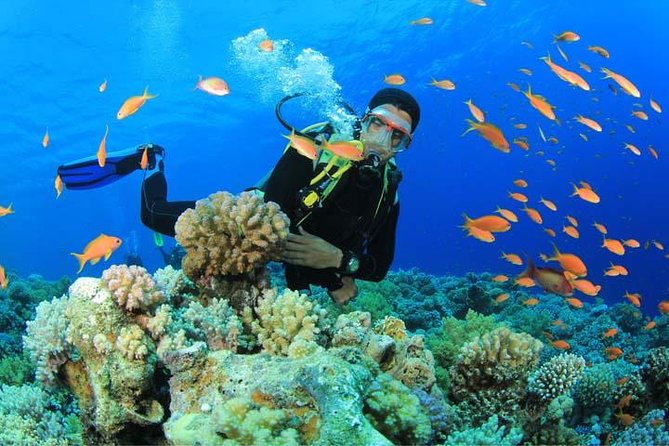
You start at Blue Water in Las Palmas, get paperwork done, then sort out your gear before you even hit the water. After a shallow-water skills session to get your breathing steady, you’ll head out to the reef area for an instructor-led underwater swim where you can actually enjoy the three-dimensional world below the surface.
Because there’s a health questionnaire and some conditions can prevent you from diving, it’s smart to read the requirements carefully ahead of time, especially if you have asthma or heart issues. Also note the experience is weather dependent, so plan for flexibility.
Key Things That Make This Experience Worth It
- Gear included: you do not need to shop for or rent a full setup
- Shallow-water practice first: you learn breathing and control before going to the reef
- Max 8 participants: you get attention instead of feeling like a number
- Professional instructor guidance: safety checks are constant, not occasional
- Reef wildlife time: you’re there for fish and marine life, not just a checklist
- Beginner-friendly pace for most people: many reported they felt safe even with nerves
What You’re Really Buying for Your Money
At $108.89 per person for about 2 hours, you’re paying for three main values: guided instruction, complete equipment, and a short supervised experience that lets you taste real scuba without committing to a full certification path.
Compared with doing a full course, this is cheaper and faster. You’re not paying for weeks of lessons and pool time. Instead, you’re getting a short “try it” format where you can see if scuba feels doable for you, and then decide whether you want to continue toward open-water training later.
Also, the group limit matters. With a maximum of 8 travelers, the instructor can check breathing, buoyancy control, and comfort rather than giving a quick briefing and sending you off. That is a huge difference for nervous first-timers, and it shows up in the feedback: many people said they felt safe because the team stayed close and patient.
More of the same shelf: our Gran Canaria Island Excursions write-ups






Where It Starts in Las Palmas, and Why the Water Location Matters
The meeting point is at Blue Water Diving, Calle Olimpicos, C. Doreste y Molina, s/n, 35130 Gran Canaria, Las Palmas, Spain. The activity ends back at the same meeting point.
Even so, here’s a practical heads-up. Some people found that the actual water location was farther south than they expected, like Amadores Beach near Puerto de Mogán. The ride can be simple, but if you’re on a cruise or tight on timing, you’ll want to confirm the exact water site in your booking details and leave buffer time to get there.
If you’re relying on public transportation, the good news is the meeting point is near public transit, so you’re not locked into a hotel pickup (and that’s important because pickup is not included).
The Morning Flow: Paperwork, Gear Fitting, and the Shallow-Water First Step
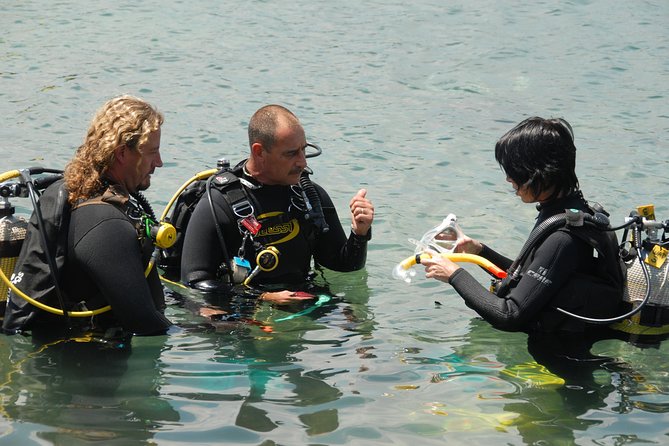
Your first part of the experience is all about removing friction. You meet your instructor at the center, complete the required paperwork, and then organize your equipment.
From a practical standpoint, this matters because scuba is not hard in concept, but it is technical in execution. If straps do not fit well or your gear setup is awkward, you’ll spend your attention fighting the equipment instead of learning to breathe and move calmly.
Gear fit and comfort checks
The team includes your necessary gear, and instructors adjust it so you can feel stable. Several people mentioned that fitting was part of why they felt confident once they were underwater.
Then the session moves to the shallow water for skills practice. Expect breathing drills and basic technique work while you stay close to the instructor.
Skills in shallow water, not just a quick taste
This is one of the most praised parts. People often describe it as the moment anxiety starts to shrink because you can see exactly how the equipment works while you still have depth control. There’s also a recurring theme of instructors being patient with first-timers who need extra time.
Possible drawback, based on the experiences shared: if you’re a brand-new beginner who really wants to linger longer in the shallow zone, you might find the transition forward feels time-pressured. If that’s you, show up early, communicate your needs clearly, and ask for extra shallow-water practice if the group pace allows.
Your First Breathing Underwater: What It Feels Like and What to Do With Nerves
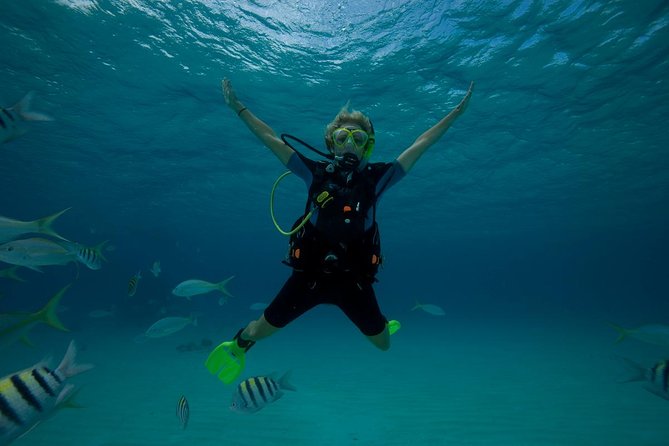
Scuba starts with a weird sensation for almost everyone. You’re breathing through a regulator, your body feels different in buoyancy, and sound travels oddly underwater. Many first-timers focus on the sensation and forget that the instructor is there to coach you.
A few names show up in the feedback, and they match the style you want to look for: Kate, Keko, Chris, Jerry, and others. The consistent point is that instructors explained procedures clearly and helped people calm down when nerves spiked.
If you get anxious, try this mental trick:
- Focus on slow breathing and simple hand signals.
- Keep your movements gentle, even if you feel like you should rush.
When you move slowly, your buoyancy tends to behave better, and your mind stops racing.
Our remaining Scuba Diving notes from Gran Canaria, in case one suits you better
The Reef Swim: Marine Life, Controlled Depth, and Real 3D Movement
Once you’re comfortable, you go for an underwater swim around the reef. This is where the experience stops feeling like a class and starts feeling like a travel memory.
Depth: usually shallow to moderate
Reviews mention depths around 8 meters and also around 11 meters. For most beginners in a try-out session, you should expect to stay within a beginner-appropriate range, with the instructor supervising you closely.
What you can realistically expect to see
You’re going for marine life. People reported lots of small fish and reef creatures. Sightings included:
- fish schools and individual reef fish
- a sea anemone
- crabs and sea cucumbers
- baby barracudas (not guaranteed, but reported)
- a stingray (a standout report, with one person describing a large ray resting on the seabed)
- occasional luck with larger animals, while others noted a seahorse was hiding
Plan for this as a “you’ll see plenty” situation, not a wildlife certainty. The reef is alive, and the instructor can point things out you might miss if you’re focused only on your breathing.
The best part: moving in three dimensions
What makes scuba special is that you move like you’re weightless. You can hover, kneel on the seabed, and look around instead of staring through a snorkel from the surface. That ability to scan slowly and watch behavior is why people say they want to repeat the experience.
Duration and Group Size: How Long You’ll Be in the Whole Process
The experience runs about 2 hours. That includes the meet-and-greet, paperwork, gear setup, the shallow-water skills time, the reef swim, and then returning to the center.
Because the group maximum is 8 travelers, the overall timing depends on how quickly each person settles into breathing and technique. Most people felt the pacing worked, but a minority felt rushed. Your best defense is simple: arrive rested, communicate early if you feel nervous, and let the instructor know you want more shallow practice if needed.
What’s Included, and What You Must Bring Yourself
Included
- Professional guide
- All necessary equipment
This is a big practical win. Renting gear, buying it, or figuring out fit can eat your time and energy before you even reach the water.
Not included
- Food and drinks
- No hotel pickup or drop-off service
So plan a snack or water on your own before or after. Also plan your transportation to the meeting point and any onward travel to the water site if that applies.
What you should remember
Bring your swimwear. Several people also suggested wearing clothes you don’t mind slipping over a wet swimsuit for the short walk back, since changing afterward can be messy if you show up unprepared. If you like comfort, bring a small towel and consider a light layer for after.
Safety, Instructor Support, and Why People Keep Rebooking
Scuba is the kind of activity where safety is not a brochure claim. It shows in how instructors manage your breathing, your equipment, and your movement in the water.
The feedback is heavy on support and safety, including specific details like:
- an instructor being right there alongside you during the session
- staff being patient with anxious beginners
- constant supervision during gear adjustments and underwater tasks
- personalized attention that helped people go from panic to calm
If you’re wondering whether this is for you, look at how the team handles beginners. The most convincing sign is that people reported feeling safe while learning, not safe after already knowing what to do.
This is also why many said the try-out sparked interest in continuing. If you feel hooked, you can build from this into more training.
Who This Experience Fits Best
This works best if you:
- want to try scuba without a full training course
- feel curious but nervous and want patient coaching
- want to see real reef marine life with an instructor pointing things out
- are comfortable following basic instructions and staying close to your guide
It also fits families in the sense that there’s a minimum age of 10 years old. For younger kids, you’d need other options. For older teens and adults who want a first experience, this is often described as a highlight of a trip.
If you have medical concerns, treat the health questionnaire as non-negotiable. Some conditions can prevent diving, so talk to your doctor if you’re unsure.
Timing and Flying: A Small Detail That Can Matter
One practical rule: diving within 12 hours of flying is not recommended. If your travel plan includes a short layover or the same-day flight out, you should consider shifting days so you are not cutting it too close.
If you’re a frequent flyer, this is the kind of instruction you follow once, and then it becomes part of your personal routine.
Pricing Value Check: Is $108.89 a Good Deal?
For the price, you are getting:
- pro guidance
- full equipment
- a shallow skills session
- a reef swim with marine life time
In other words, you’re paying for the full package you would otherwise cobble together. If you had to rent gear and pay for separate instruction, your costs would likely rise fast.
So yes, for a first scuba try-out, this is strong value, especially because the group size keeps the instruction personal.
When It Might Not Feel Perfect
Based on what people reported, the main mismatch comes down to expectations about pacing.
If you want extra time practicing in the shallow water, a tight schedule could feel frustrating. If you want a leisurely underwater session where you slowly explore at your own pace, this try-out format may not satisfy that style of diving.
Also, if you’re expecting hotel pickup, you may need to handle your own transport. The good news is the start point is near public transit, so this is manageable.
Should You Book This Beginner Scuba Try-Out?
Book it if you want a structured, beginner-friendly first underwater experience with gear included, a professional instructor, and enough time to see reef life beyond the surface.
Don’t book it if you have limited flexibility, hate tight schedules, or know you might need lots of extra time in the shallows before going forward. If nerves are part of your equation, choose this only if you’re ready to communicate and trust the coaching.
If you fit the beginner sweet spot, this is the kind of outing that can turn into a real hobby, not just a checkmark on your itinerary.
Our other Scuba Diving across Gran Canaria
- Scuba Diving Experience for Beginners in Gran Canaria
★ 5.0 · 561 reviews - Gran Canaria: Try Scuba Diving for Beginners
★ 4.9 · 403 reviews - Gran Canaria: Discover Scuba Diving – Free Transfers
★ 4.9 · 115 reviews - Gran Canaria: Discover Scuba Diving Beginner Program
★ 4.4 · 103 reviews
Gran Canaria Island Excursions worth comparing before you book
- From Puerto Rico de Gran Canaria: Dolphin Watching Cruise
★ 4.3 · 2,520 reviews - Gran Canaria: Dolphin and Whale Watching Cruise
★ 4.3 · 1,855 reviews - Gran Canaria Guided Buggy Tour
★ 4.7 · 1,743 reviews - South Gran Canaria: Off-Road Valleys & Villages Jeep Tour
★ 4.5 · 1,200 reviews - Gran Canaria: Camel Ride Safari w/ Optional Food & Transport
★ 4.2 · 1,167 reviews
Fresh off the desk: recent Gran Canaria experiences we have written up







Gran Canaria Island Excursions, side by side.
 ★ 4.3From Puerto Rico de Gran Canaria: Dolphin Watching CruiseFrom $472,520 reviews
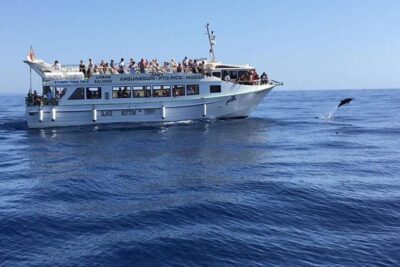 ★ 4.3Gran Canaria: Dolphin and Whale Watching CruiseFrom $401,855 reviews
 ★ 4.7Gran Canaria Guided Buggy TourFrom $851,743 reviews
 ★ 4.5South Gran Canaria: Off-Road Valleys & Villages Jeep TourFrom $741,200 reviews
 ★ 4.2Gran Canaria: Camel Ride Safari w/ Optional Food & TransportFrom $501,167 reviews
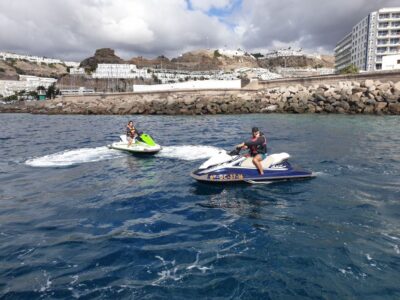 ★ 4.6Puerto Rico de Gran Canaria: Jetski TourFrom $82949 reviews
 ★ 5.0Buggy Tour Gran CanariaFrom $90914 reviews
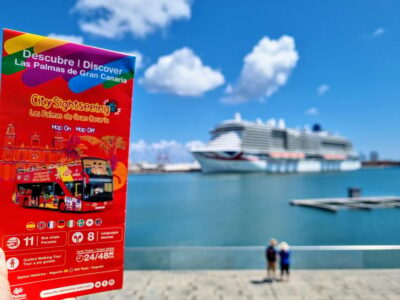 ★ 3.7Las Palmas: City Sightseeing Hop-On Hop-Off Bus TourFrom $29888 reviews
This tour also sits in