
Reviewed · BARCELONA GOTHIC QUARTER WALKS
Barcelona: Gothic Quarter Walking Tour
Medieval Barcelona feels close enough to touch. On this 3.5-hour walking tour of the Barri Gòtic, I love how the guide turns streets into a timeline you can actually follow, and I also like the shift between tight alleys and open squares in the Ribera area. It’s entertaining and fast on details, including Roman, medieval, and early 18th-century stories, not just dry landmarks. One possible drawback: the tour is in German, and you do cover plenty of old-stone pavement.
You meet in front of the Hotel Olivia Plaza at Plaça de Catalunya, then finish near Passeig del Born, with a relaxed pace that leaves room for photos and a bathroom break. The big practical win is that it runs in sun, rain, and wind, and it stays mostly at street level, so you are not stuck in long ticket lines.
In This Review
- Key takeaways before you go
- Entering the Barri Gòtic on foot, not through a screen
- Meeting at Plaça de Catalunya, then slipping into medieval lanes
- How the guide builds a timeline from Roman to the early 18th century
- A note on what you see versus what you enter
- Cloister stop: dress for the shoulders and knees
- The Jewish Quarter and the long shadow of conflict
- Santa Maria del Mar and why this church matters to the city
- The crown of Aragon, maritime power, and the politics in stone
- Ribera Quarter contrast: where “romance” meets real streets
- Price and logistics: does $212 per group make sense?
- Who this tour suits best
- Practical expectations: weather, pace, and comfort
- Should you book this Barcelona Gothic Quarter Walking Tour?
- FAQ
- How long is the Barcelona Gothic Quarter walking tour?
- Where does the tour start and where do you end?
- What language is the live guide?
- Are interior visits and entry fees included?
- What should I wear for the cloister visit?
- What is the cancellation policy and can I reserve without paying immediately?
Key takeaways before you go
- German guide storytelling, with a structured route and lots of practical context
- Roman to early-18th-century themes tied to what you can see outside
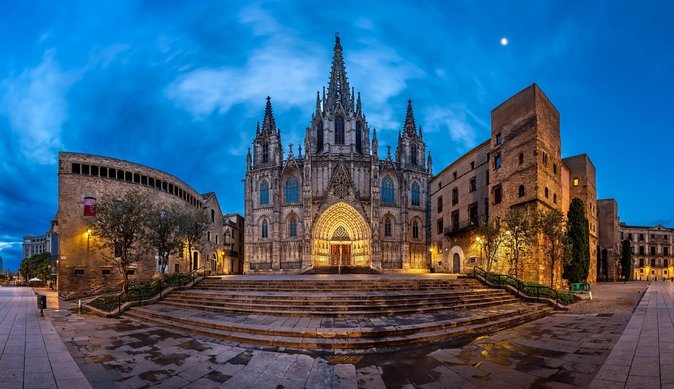
- Barri Gòtic plus Ribera quarter walking, including small alleyways and romantic squares
- Photo-supported explanations, plus hands-on tips for restaurants and local shopping
- A relaxed pace with time for photos and breaks, even on a busy day
- One cloister visit with a dress code (knee-length and shoulders covered)
Entering the Barri Gòtic on foot, not through a screen
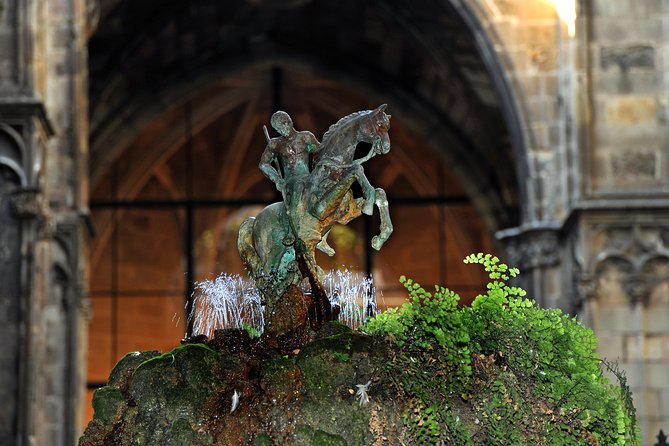
The Gothic Quarter is one of those places where a map can feel useless. The streets twist, the squares appear like surprises, and the buildings look like they have been waiting for you. That’s why I like this kind of walking tour, you get to move at human speed and let the city’s layers show up in order.
This tour is built around the idea that Barcelona is not a museum. It’s a working Mediterranean port city that keeps reinventing itself, and you see that contrast as you go. Old stones tell their stories, while modern street life keeps humming around them.
The other thing I appreciate is that you are not stuck only doing one “theme.” You get Roman-era references, medieval politics and religion, and even later chapters like the early 18th century, all connected to what you pass. It’s the difference between seeing sights and understanding how the city became itself.
Meeting at Plaça de Catalunya, then slipping into medieval lanes
The tour starts at Plaça de Catalunya, in front of the Hotel Olivia Plaza (Plaça de Catalunya, 19). That matters because it’s a recognizable hub, and it’s an easy place to orient yourself before you head into older streets.
From there, the route gently pulls you away from the big central avenue energy and into narrower lanes. This is where the whole experience begins to click. Walking lets you notice how the space changes, how views open and then suddenly tighten again, and how squares can feel like they were designed for conversation rather than traffic.
You will also notice the guide keeps the focus on what you can see from the outside. The program is built around street-level storytelling, so you are not constantly stopping for indoor tickets. That keeps the day flowing, but it also means you have to bring your imagination for the places you cannot enter.
More of the same shelf: our Barcelona Gothic Quarter Walks write-ups





How the guide builds a timeline from Roman to the early 18th century
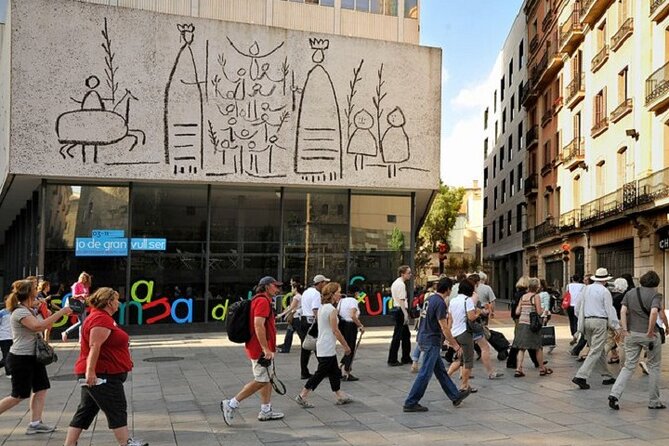
The tour is not a “here is a monument, move on” script. The guide organizes the walk like a story with chapters. You start with early layers that point back to Roman Barcelona, then the narrative shifts into the Middle Ages, and later into the early 18th century.
What I like about this approach is that you do not just learn facts. You learn how one era’s power and people shape the next era’s city. For example, the guide covers topics like Roman luxury tied to flowing water, then moves into power struggles and holy-city references, then follows the thread into later political and social changes.
Along the way, you’ll hear Barcelona’s legends and darker footnotes too. The route includes themes such as how the dragon came to Barcelona, a story about a young girl in the pines, and the “watch that egg dance” kind of detail that makes the city feel human instead of official. It’s the same reason you remember street graffiti years later, it sticks because it’s specific.
If you want a clear sense of “what came first” and “why this place looks like it does,” this structure is a big win. It also helps you enjoy the less obvious corners, because the guide gives you a reason to look there instead of treating it as dead space.
A note on what you see versus what you enter
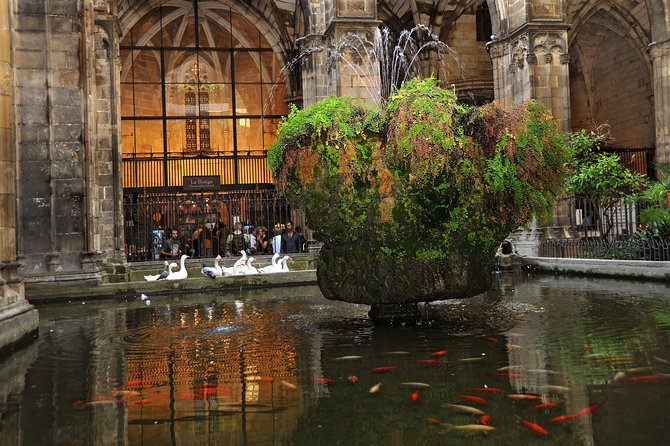
This is mostly an exterior-only experience. Monuments and buildings are admired from the outside, and interior visits are not the standard part of the program. There are a couple of exceptions, and one of them includes a cloister.
That matters for planning. If you are hoping for a museum-style day with lots of inside stops, adjust your expectations. You’ll get plenty of atmosphere, but the tradeoff is fewer interior spaces.
Cloister stop: dress for the shoulders and knees
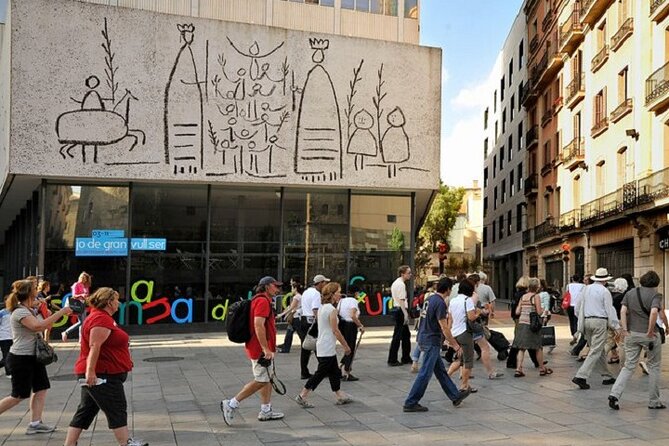
One of the program elements includes a cloister visit. For that stop, you need at least knee-length clothing and shoulders covered.
It’s a small rule, but it can save you from an awkward wardrobe scramble at the last minute. If you are traveling in summer, bring a light layer just in case. Think practical, not fancy.
Also remember this is a walking tour with weather included. Even if you plan for comfort, dress in a way that keeps you covered for that cloister moment without turning the rest of the day into discomfort.
The Jewish Quarter and the long shadow of conflict
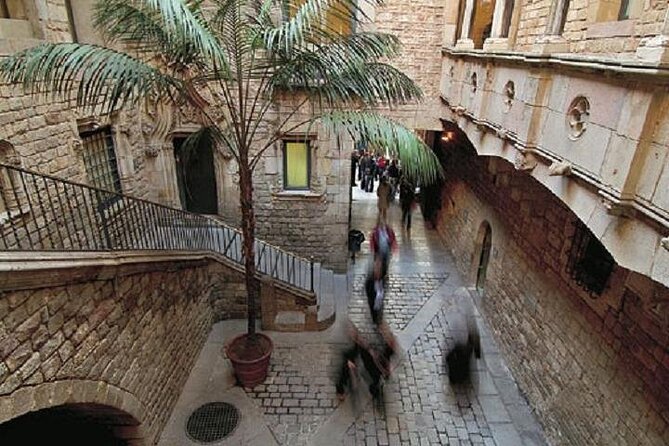
A major part of the walk covers the Jewish Quarter area and the remnants of a lost world. The guide connects these places to bigger historical forces rather than presenting it as a postcard topic.
That style is important here. The Gothic Quarter has sections that can feel like they are all architecture and no emotions, but Barcelona’s history is not that clean. You get references to the Inquisition and the broader political climate too, including “hound kings” themes and moments that point to fear and control rather than romance.
Then you get a different tone with a stop connected to My Immortal, where the guide ties the story to scars from the Spanish Civil War. That shift is one reason I like this kind of tour. It keeps the history grounded in real human consequences, not only timelines and dates.
If you prefer your history light and purely entertaining, some of these topics may feel heavier. On the other hand, if you want context for why the city looks and feels the way it does, this portion is one of the most meaningful.
Santa Maria del Mar and why this church matters to the city
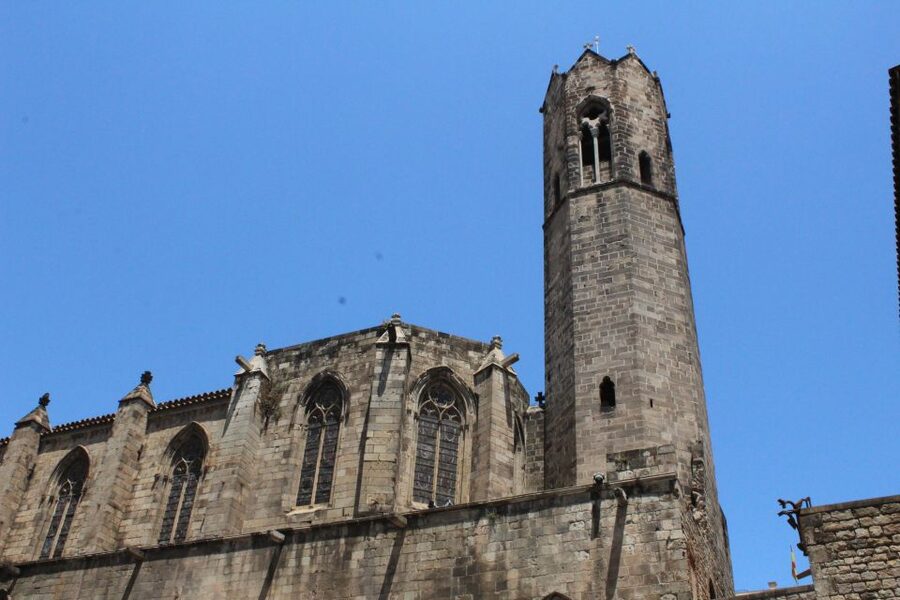
As the walk progresses, you reach the area around Santa Maria del Mar, one of the city’s most recognizable Gothic church settings. The guide emphasizes it as the first collaborative project, and also touches legends and heroes connected to it.
What I like here is how the tour makes the church feel like part of daily civic life, not only an art object behind glass. You’re walking through streets that once served the people who built and supported these institutions, so the setting feels less like a staged viewpoint.
Santa Maria del Mar also works as a natural emotional midpoint. You get earlier centuries’ conflicts and stories, and then this stop grounds the narrative in community effort. If you are the type who needs a breath between heavy topics, the pacing helps.
Our remaining Walking Tours notes from Barcelona, in case one suits you better
- Barcelona Tapas and Wine Experience Small-Group Walking Tour
- Barcelona: Tapas Walking Tour with Food, Wine, and History
- Barcelona Tapas Walking Tour: Food, Wine & History
- Barcelona: Tapas Food Crawl Walking Tour with Tastings
- Barcelona Helicopter, Sailboat & Old Town Private Walking Tour
- Barcelona: Helicopter Flight, Boat Ride, and Walking Tour
- Barcelona: City Walking Tour with Local Guide
- Barcelona: Guided Food Walking Tour with Tapas and Wine
The crown of Aragon, maritime power, and the politics in stone
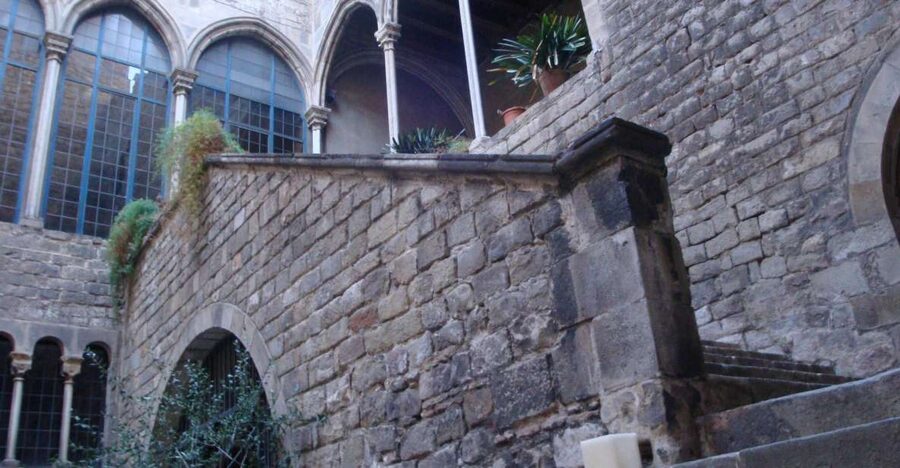
Another strong theme is the crown of Aragon and how Barcelona grows from a smaller city into a maritime force. The guide covers the arc from local governance into influence at sea, and you feel the connection between power and urban form as you walk.
The tour also includes the “advice of the hundreds and the general,” and the story of King Martin’s death as the beginning of the end of co-determination. Even if you do not catch every political detail, you still get the core idea: systems change, and the city remembers those changes in who had control and how the city was shaped.
Then the route follows dramatic episodes connected to royalty and conflict. There is a segment about a royal palace where King Fernando fights his fears and does not receive Columbus at home. It’s exactly the kind of story that makes history feel more like people making messy decisions than rulers playing perfect chess.
Ribera Quarter contrast: where “romance” meets real streets
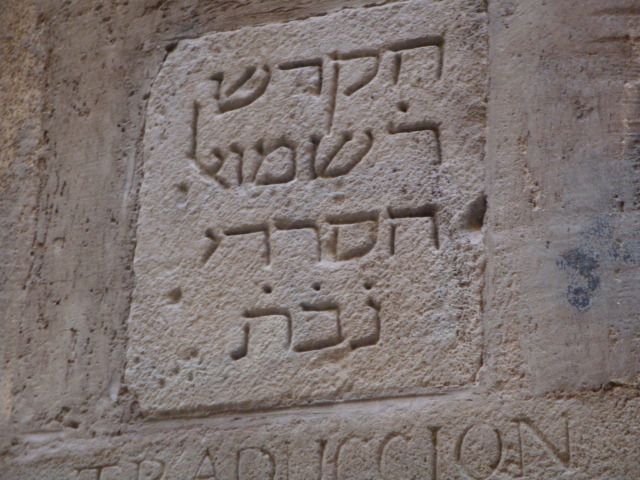
While the tour is centered on the Gothic Quarter, it also includes the Ribera quarter close up. That’s a smart choice. The Ribera brings a slightly different texture to the experience, and it helps the walk avoid feeling like you are seeing only one type of stone maze.
The guide’s pace stays relaxed, and you get multiple moments to stop for photos. This is not a “keep up or fall behind” tour. The route is designed for you to look up, slow down, and notice details like street geometry and how buildings relate to nearby squares.
And because it is a port city style of history, you get references that keep pointing back to movement, trade, and social change. That’s why the “old and new blend together” feeling is real here, not marketing.
Price and logistics: does $212 per group make sense?
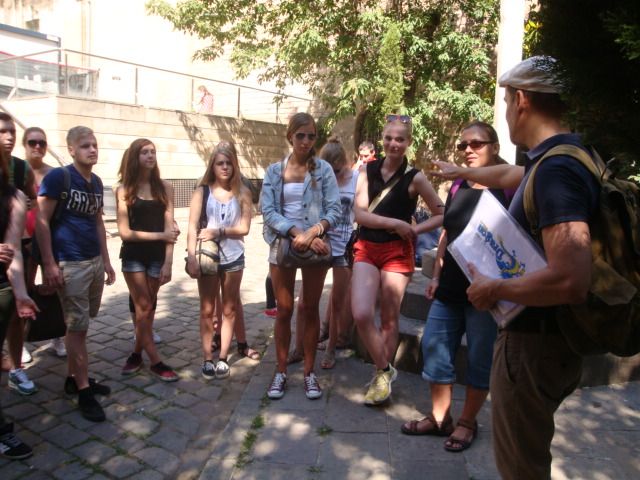
The price is $212 per group up to 4 for a 3.5-hour experience with a live German guide. That can be a good value if you have two to four people, because you are paying for the guide and route, not per person.
If you split it four ways, you are effectively paying about $53 per person. That’s often competitive with per-person tours, especially if you value private group flexibility and a guide who can adjust to your pace.
Where the math can stop working is if you are traveling solo or as a pair and prefer large group tours for lower per-person cost. In that case, you might feel the price more.
Language is the other factor. German-language tours are fantastic if you speak it or even understand enough to follow stories. If you do not, you lose a big chunk of the experience because the tour is not presented in another language in the details you provided.
Who this tour suits best
This is ideal if you want a story-driven walk through the Barri Gòtic and Ribera quarter with a guide who connects places to eras from Roman times through the Middle Ages and into later history. It’s also a good match if you like having a plan that makes you look at the city differently after you leave.
I’d especially recommend it if you enjoy dark legends and political history mixed in with the beautiful scenery. The route includes spooky brotherhood themes, religious power topics, and small oddball details like the dragon story and the egg dance, so it stays lively.
If you are short on time and want a coherent way to see the area, the timing helps too. At 3.5 hours, you get a full arc without burning the whole day.
Practical expectations: weather, pace, and comfort
The tour runs in all weather, including sun, rain, and wind, even strong showers. So you need to pack like you are walking a lot outside. A hat and sunscreen in summer make a difference, and a light jacket in winter is sensible.
Comfort matters because you are on uneven historic streets and you are walking through multiple sections. One piece of real-world feedback highlights that it can feel tiring even though it’s good, so plan for shoes with grip.
The pace is relaxed. There’s time for photos, and you should be able to manage a bathroom break. Still, treat it as an active walking tour rather than a casual stroll where you rarely move.
Should you book this Barcelona Gothic Quarter Walking Tour?
Book it if you want the Gothic Quarter and Ribera area explained as a connected timeline, with a guide who makes history feel like story and includes practical tips like restaurant and shopping ideas. The German-language focus is a plus if you can follow, and the photo-supported storytelling helps you remember what you saw.
Skip it or reconsider if you need mostly indoor sights and entry fees, because this is primarily an exterior walking experience. Also think twice if you are not comfortable walking a fair amount on old streets, or if German is a deal-breaker for you.
If you like your Barcelona with layers, street corners, and context, this is a strong way to spend a half-day. You’ll finish the walk with a much sharper sense of how Barcelona became what you see today.
FAQ
How long is the Barcelona Gothic Quarter walking tour?
It lasts 3.5 hours.
Where does the tour start and where do you end?
The meeting point is in front of the Hotel Olivia Plaza at Plaça de Catalunya, 19. The tour ends at Passeig del Born, 22, 08003 Barcelona, Spain.
What language is the live guide?
The live tour guide speaks German.
Are interior visits and entry fees included?
No. The tour includes guided city sightseeing but interior visits and entry fees are not included, with a couple of exceptions.
What should I wear for the cloister visit?
You should wear at least knee-length clothing and cover your shoulders.
What is the cancellation policy and can I reserve without paying immediately?
You can cancel up to 24 hours in advance for a full refund. You can also reserve now and pay later.
Our other Walking Tours across Barcelona
- Barcelona Tapas and Wine Experience Small-Group Walking Tour
★ 5.0 · 5,804 reviews - Barcelona: Tapas Walking Tour with Food, Wine, and History
★ 4.8 · 4,261 reviews - Barcelona Tapas Walking Tour: Food, Wine & History
★ 4.5 · 1,928 reviews - Barcelona: Tapas Food Crawl Walking Tour with Tastings
★ 4.9 · 1,798 reviews - Barcelona Helicopter, Sailboat & Old Town Private Walking Tour
★ 5.0 · 1,395 reviews
Tours: the rest of our Barcelona write-ups
- Barcelona: Casa Batlló Entry with Self-Audioguide Tour
★ 4.7 · 25,359 reviews - Barcelona: 24 or 48-Hour Hop-On Hop-Off Bus Tour
★ 4.4 · 20,872 reviews - Barcelona: Park Guell Guided Tour with Skip The Line Entry
★ 4.7 · 17,563 reviews - Barcelona: Sagrada Familia Skip-the-Line Entry Ticket & Tour
★ 4.8 · 12,789 reviews - Barcelona: FC Barcelona Museum “Barça Immersive Tour” Ticket
★ 4.4 · 10,944 reviews
Barcelona Gothic Quarter Walks worth comparing before you book
- Barcelona: Poble Espanyol Entry Ticket
★ 4.1 · 3,137 reviews - Barcelona: Flamenco Show with Drink at La Rambla
★ 4.6 · 2,090 reviews - Barcelona Gothic Quarter Tapas & Taverns Food & Wine Tour
★ 5.0 · 1,470 reviews - Barcelona: Old Town and Gothic Quarter Walking Tour
★ 4.8 · 1,393 reviews - Barcelona Old Town & Gothic Quarter Small Group Tour
★ 5.0 · 1,308 reviews
Fresh off the desk: recent Barcelona experiences we have written up




Barcelona Gothic Quarter Walks, side by side.
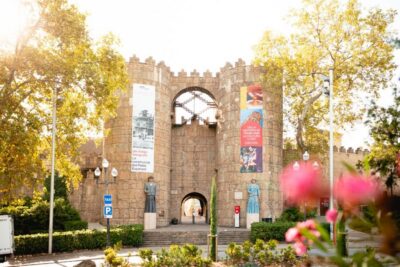 ★ 4.1Barcelona: Poble Espanyol Entry TicketFrom $153,137 reviews
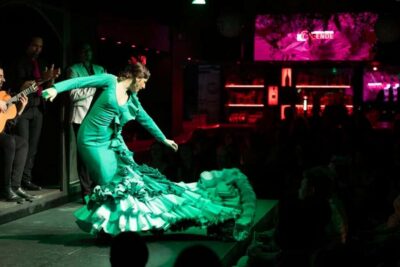 ★ 4.6Barcelona: Flamenco Show with Drink at La RamblaFrom $312,090 reviews
 ★ 5.0Barcelona Gothic Quarter Tapas & Taverns Food & Wine TourFrom $1311,470 reviews
 ★ 4.7Barcelona: Gothic Quarter Ghosts and Legends Walking TourFrom $191,443 reviews
 ★ 4.8Barcelona: Old Town and Gothic Quarter Walking TourFrom $211,393 reviews
 ★ 5.0Barcelona Old Town & Gothic Quarter Small Group TourFrom $221,308 reviews
 ★ 5.0Ramblas, Old Town, Gothic and Gaudi Architecture Walking TourFrom $35723 reviews
 ★ 4.8Barcelona: El Born and Gothic Quarter Wine & Tapas Bar TourFrom $81674 reviews
This tour also sits in