
Reviewed · ALBAICÍN AND SACROMONTE WALKS
Albayzín y Sacromonte, Unesco Heritage Neighborhoods
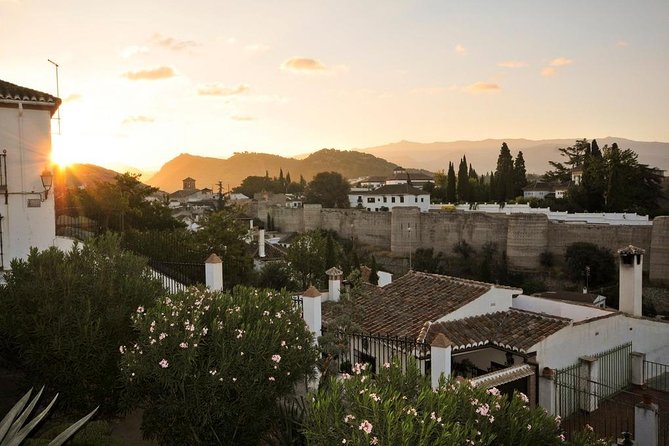
Granada rewards the curious. This guided walk takes you through Albaycín and Sacromonte, two UNESCO neighborhoods where Muslim-era Granada and flamenco culture still shape the streets. I love that the route is planned so you do not waste time second-guessing corners, and I also like the photo moments with views of the Alhambra and the Sierra Nevada.
You get a lot of context while you move, from how Albaycín formed as a Muslim neighborhood to what makes Sacromonte’s caves so central to Granada’s identity. The guide matters here, and I’ve seen names like Ana, Jaime, Juana, and Alexandra tied to groups that delivered clear explanations and a comfortable pace, even with hills.
The main drawback is simple: it is a walking tour in a city built on steep streets. You will deal with inclines and stairs, so if your mobility is limited, you might want to think twice.
In This Review
- Quick hits before you go
- Entering Albaycín, Granada’s old Muslim heart
- Cármenes and church-squares: the art is in the details
- Possible drawback in Albaycín
- Mirador time: San Nicolás and San Cristóbal views
- Photo tip that saves your sanity
- Sacromonte caves: where flamenco culture lives in the hills
- A note on what you might see inside
- Timing and the 2 to 3 hour reality check
- Price and value: what $21.78 really buys
- Where to meet, and how to avoid a stressful start
- Who this tour suits best
- Consider skipping or switching tours if
- Should you book this Albaycín and Sacromonte walk?
- FAQ
- Where does this tour start and end?
- What time does the tour begin?
- How long is the experience?
- Is the tour offered in English?
- What is included in the price?
- Are monument tickets included?
- How big is the group?
- Is there an entrance fee for the stops?
- Can I cancel and get a full refund?
Quick hits before you go
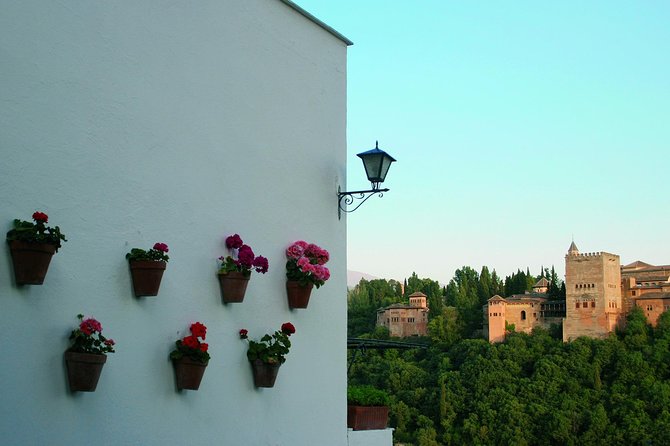
- Albaycín walls and old Granada streets: winding lanes, historic squares, and remnants like cisterns and minarets
- Cármenes and tower houses: garden homes with Granada and Mudejar-style towers you can spot as you walk
- Two key miradors: San Nicolás and San Cristóbal viewpoints for classic views over the city
- Sacromonte caves on ravines: caves grouped like natural streets, tied to flamenco and zambras
- Small group size: capped at 15 people, which helps the guide keep everyone together
- English-guided tour: offered in English, with official guide included
Entering Albaycín, Granada’s old Muslim heart
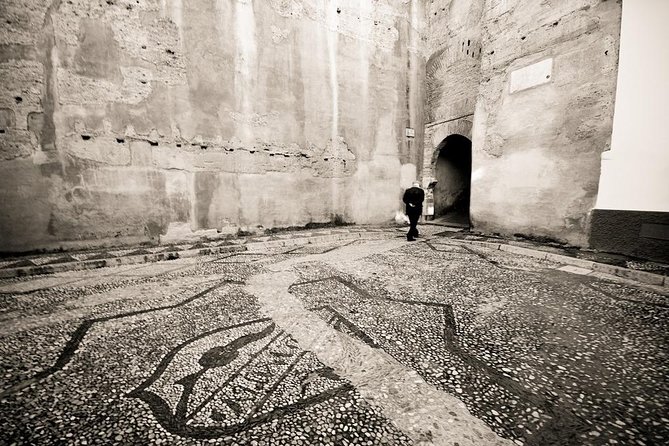
Albaycín is one of those places where the city’s past feels built into the ground under your feet. This neighborhood, created as an ancient nucleus of Muslim Granada alongside areas like the Alhambra, is famous for its narrow, winding streets that can feel tricky to navigate on your own.
What I really like is that you start at the Murallas del Albayzín area and get the setting first, not last. You learn how Albaycín housed roughly 40,000 people at its peak, and how the Muslim community left a footprint that included around 30 mosques. Even if you never see every historic element with your own eyes, the numbers and the idea help you understand why the street layout feels the way it does.
As you walk, you get a sense of everyday neighborhood life from past centuries, not just “look at this postcard.” The tour also points out surviving traces connected to that era, like remnants of mosques and minarets, plus Spanish-Muslim cisterns. These are the kinds of details that make the neighborhood feel real, not museum-flat.
Practical note: You are outdoors the whole time, so wear shoes you trust. This is Granada, and the ground is not always level.
Cármenes and church-squares: the art is in the details
One reason Albaycín keeps showing up on UNESCO lists is that it mixes architecture, religion, and daily life in one tight area. Your walk passes by palaces, churches, mansions, and landmarks tied to multiple eras. The tour’s job is to connect those dots quickly while you still have the energy to enjoy the scenery.
A standout feature here is the presence of cármenes. These are the Granada-style houses with gardens, often paired with Mudejar-style towers. If you love architecture, you will start “spotting” these as you move, noticing how gardens and view corridors show up within the dense neighborhood fabric.
You also get a strong sense of the neighborhood’s intimate street-and-square rhythm. Squares in the area tend to feel like pauses in the climb, small pockets where you can catch your breath and reset your camera settings.
If this one is booked out, these Albaicin and Sacromonte Walks come close





Possible drawback in Albaycín
Albaycín is beautiful, but it is also famous for stairs and slope. The tour pace is designed for a typical group, and it is not meant to be a brutal hike, but it still takes effort. If you’re traveling with anyone who struggles with repeated steps, plan for slower photo stops and extra water time.
Mirador time: San Nicolás and San Cristóbal views
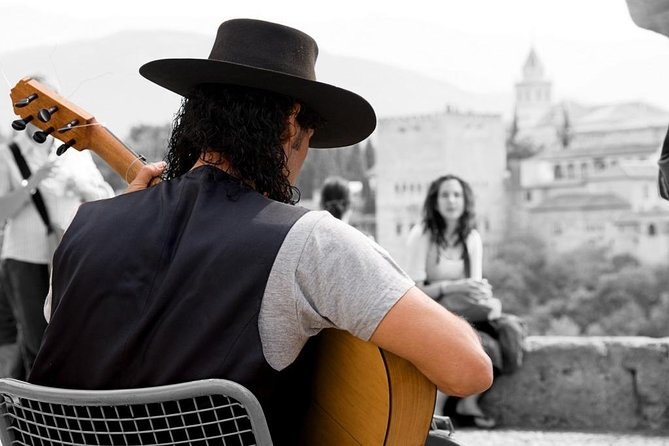
The best part of any Albaycín stroll is the viewpoint circuit, and this tour hits the big names. The walk includes the miradors of San Nicolás and San Cristóbal, which are well known for views out over Granada and the Alhambra.
I like this approach because the viewpoints are not random. You are guided to them with context, so you understand what you are looking at instead of just snapping pictures and guessing. The route also lines up nicely with the time of day, starting at 5:00 pm, which is perfect for softer light and that “wow” moment when the city looks extra dramatic.
Also, the tour includes photo opportunities that reach beyond the Alhambra. The information for the experience specifically calls out views of the Sierra Nevada, and you’ll feel that wide open horizon compared with the enclosed feeling of the old streets.
Photo tip that saves your sanity
Bring one small camera strap or keep a phone lanyard ready. In Albaycín, you often switch between walking and stopping fast for shots. You do not want to be fumbling with gear while you are already near the edge of a mirador.
Sacromonte caves: where flamenco culture lives in the hills
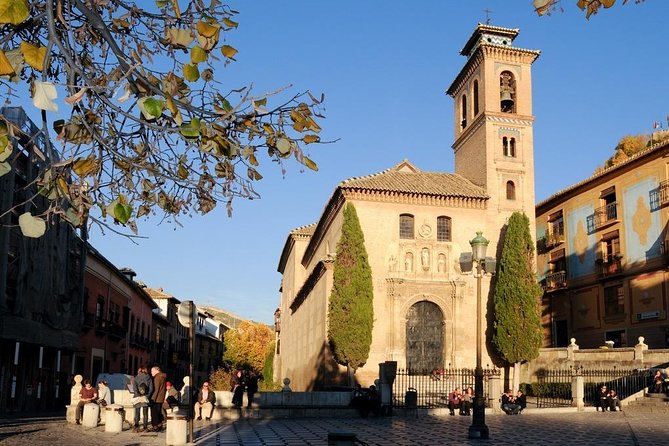
Then you shift to Sacromonte, and the vibe changes fast. Sacromonte is the traditional suburb associated with Granada’s Romani community, known historically for the caló language and for arriving in Spain in the 15th century after traveling through Europe and Africa.
The area itself is visually distinct. Think reddish, dry hill texture with pitas and prickly pears, plus broad panoramas that reach back toward the Alhambra and over the white slopes toward the Albaicín side. As you move, you get a sense of “why here,” not just “what here.” The terrain drives the architecture.
This is also where the caves matter. The tour describes Sacromonte’s caves as grouped around ravines, forming something like streets. That detail is important because it explains why the neighborhood feels layered and directional, with movement guided by the natural channels in the hillside.
And Sacromonte is not only about caves as rooms. The experience frames them as places where gypsies, bohemians, and flamenco artists have lived for centuries, with the intense emotion of their zambras expressed through performance. Even if you only observe from outside, the tour helps you understand that the caves are not relics. They are part of how Granada tells its story.
A note on what you might see inside
The description explains that cave layouts often include a kitchen near the entrance next to a dining area, plus one or two bedrooms depending on the cave. The tour itself focuses on walking and orientation in the neighborhood, so do not assume you will tour a full interior. Still, knowing the typical layout helps when you spot doorways, rooms, and the cave street arrangement.
Worth a side-by-side look, our other Historical Tours in Granada
Timing and the 2 to 3 hour reality check
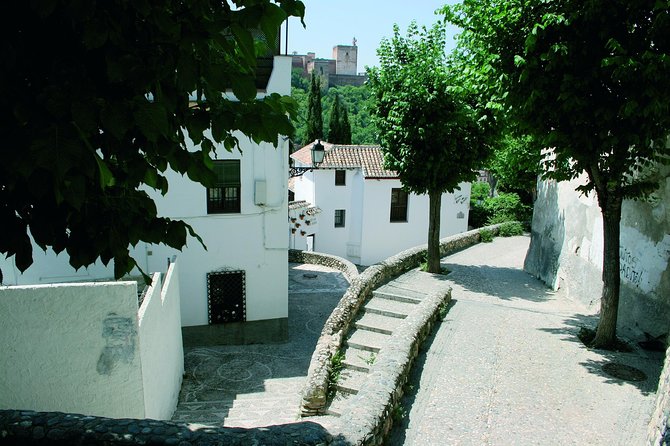
This is listed as a 2 to 3 hour experience, with 2 hours and 30 minutes of visit included. The start time is 5:00 pm, and that matters. The later afternoon timing gives you better light for views and photos, especially in Albaycín’s miradors.
Most people can do it, but treat it as a hill-walk, not a flat city stroll. One review experience described plenty of inclines and stairs, but with a reasonable pace. In practice, that means you will likely get slow-down moments for viewpoints and explanations, not constant punishing climbing.
If you want to make it easier on yourself:
- Wear grippy shoes. Cobblestones plus steps can be slippery depending on the weather.
- Plan a slow, calm pace. Let the guide manage the route, then linger where you care most.
- Keep expectations flexible for photos. You might not get perfect angles everywhere, but you will get several strong ones.
Price and value: what $21.78 really buys
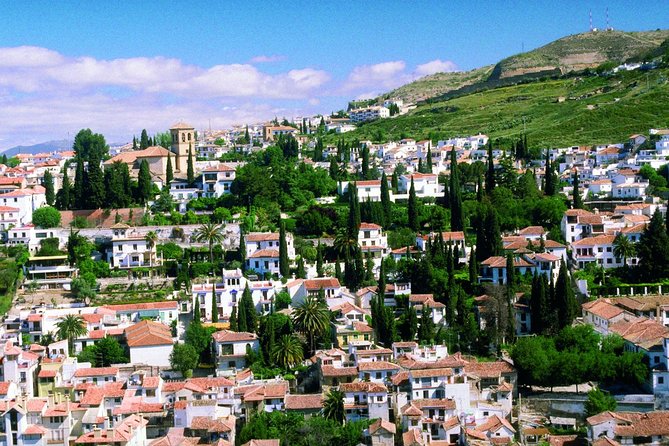
At $21.78 per person, this tour feels like solid value for what you get: an official tourism guide plus a structured route through two UNESCO neighborhoods, including time at key viewpoints.
Here’s the value math I’d use:
- You pay for guided navigation, so you spend less time guessing in Albaycín’s maze of streets.
- You pay for context, so the architecture and cultural layers make sense as you pass them.
- You get multiple “high payoff” stops, Murallas del Albayzín and then Sacromonte, plus views over Granada and the Alhambra.
What is not included matters too. Monument tickets are not included, and food and drinks are not included. That’s normal for walking tours, but it means you should not assume every landmark you pass is automatically ticketed-free. The stops themselves are listed as admission ticket free, which suggests much of your time is spent outdoors around the neighborhood fabric. Still, if you have your heart set on a specific paid monument, budget extra.
My bottom line: the price makes sense if you want a guided path and you care about understanding what you’re seeing, not just photographing from random corners.
Where to meet, and how to avoid a stressful start
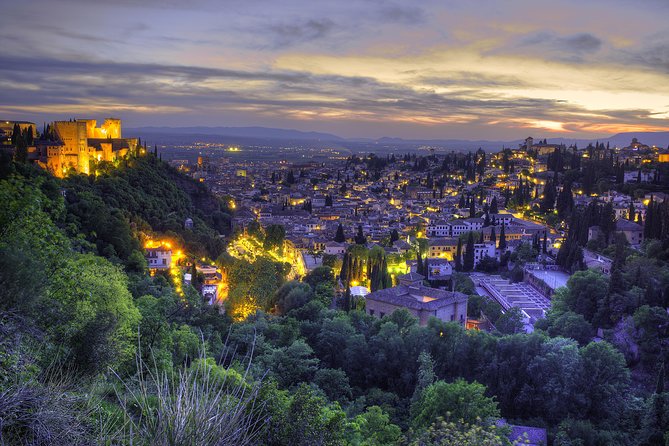
The meeting point is Plaza de Santa Ana (Pl. de Sta. Ana, Granada). The tour starts at 5:00 pm and ends in the Albaicín area.
This is the one part I’d treat carefully. A small number of past bookings had issues where no guide showed up at the meeting point. That is not something I want to ignore, because it is the fastest way for a “great walk” to turn into wasted time.
So here’s my practical advice:
- Get there early, not right on time.
- Double check you’re at the exact Plaza de Santa Ana.
- If you have a booking confirmation, keep it open on your phone in case you need to confirm details quickly.
With that handled, the tour’s small group size of up to 15 travelers helps keep the experience smooth.
Who this tour suits best
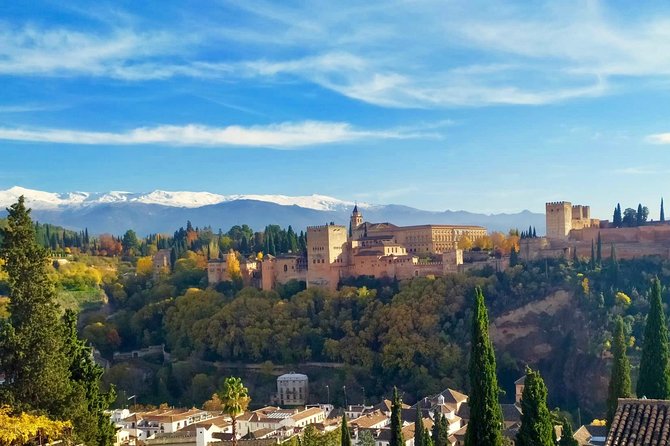
This fits travelers who want a guided route through two UNESCO neighborhoods without getting lost in Albaycín’s winding streets. It also works well if you like history explained while you walk, especially the Muslim-Christian layers of Granada’s past and how that connects to what you see today.
It is also a good choice for people who care about photo viewpoints. You get San Nicolás and San Cristóbal in the plan, plus mention of wider photo views including the Sierra Nevada and the Alhambra.
Consider skipping or switching tours if
You struggle with repeated stairs and slopes. Even at a manageable pace, this tour is still a hillside walk.
Should you book this Albaycín and Sacromonte walk?
Book it if you want:
- A guided route through Albaycín and Sacromonte with navigation handled for you
- Viewpoint time built into the itinerary
- A clear explanation of how the neighborhood layers connect, from mosques and cisterns to caves and flamenco culture
Think twice if:
- You have limited mobility or you dislike stairs and uneven cobblestones
- You prefer a self-guided day where you control every minute, because this experience is structured around a set walking plan
If you fall into the first group, this is one of the best ways to see Granada beyond the main sights. It turns the hills into a feature, not a problem, and it gives you enough context to feel like you understood what you were seeing, not just passing through.
FAQ
Where does this tour start and end?
It starts at Plaza de Santa Ana (Pl. de Sta. Ana, Granada, Spain) and ends in the Albaicín area of Granada.
What time does the tour begin?
The listed start time is 5:00 pm.
How long is the experience?
The experience is listed as 2 to 3 hours, and it includes 2 hours and 30 minutes of visit time.
Is the tour offered in English?
Yes, the tour is offered in English.
What is included in the price?
The price includes an official tourism guide and the 2 hours and 30 minutes of visit time.
Are monument tickets included?
No. Monument tickets are not included, and food and drinks are also not included.
How big is the group?
This tour has a maximum of 15 travelers.
Is there an entrance fee for the stops?
The stop details list admission ticket free for both Murallas del Albayzin and Sacromonte, but monument tickets are not included if you want paid sights.
Can I cancel and get a full refund?
Free cancellation is available. You can cancel up to 24 hours in advance for a full refund.
Historical Tours: the others that earned a place in Granada
- Segway Your Way Through Granada’s History: The Ultimate Ride
★ 5.0 · 334 reviews - Granada: Historic Center and Lower Albaicin Walking Tour
★ 4.7 · 136 reviews - Granada: 3-hour Historical Tour by Segway
★ 5.0 · 104 reviews
Albaicin and Sacromonte Walks we rated next
- Granada: Albaicín and Sacromonte Guided Sunset Walking Tour
★ 4.9 · 2,962 reviews - Sacromonte: Flamenco Show at Cuevas Los Tarantos Tickets
★ 4.5 · 2,051 reviews - Albaicin & Sacramonte Electric Bike Tour in Granada
★ 5.0 · 1,044 reviews - Granada: Albaicin and Sacromonte E-Bike Tour
★ 4.9 · 852 reviews - Granada: Albaicín and Sacromonte 2.5-Hour Walking Tour
★ 4.7 · 777 reviews
Fresh off the desk: recent Granada experiences we have written up
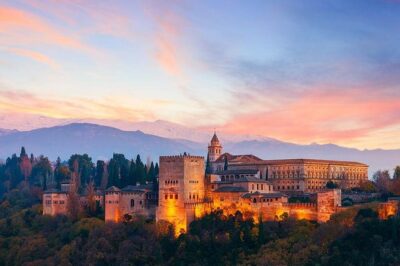
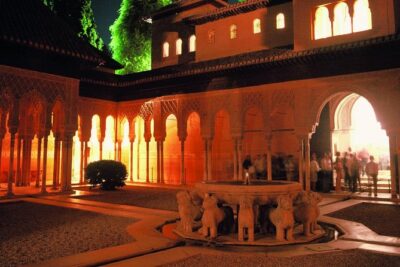
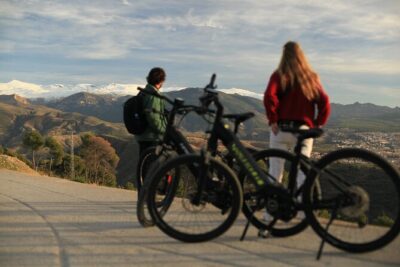
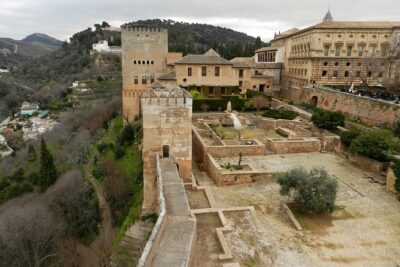

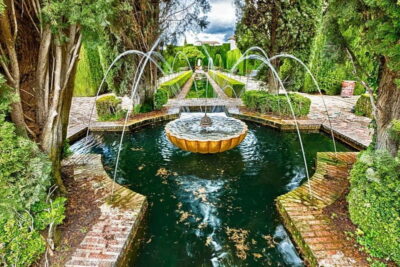

Albaicín and Sacromonte Walks, side by side.
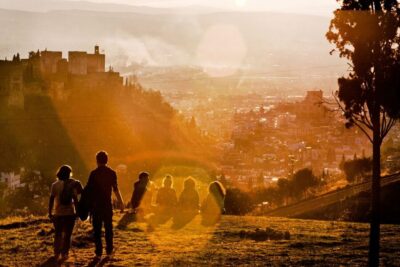 ★ 4.9Granada: Albaicín and Sacromonte Guided Sunset Walking TourFrom $172,962 reviews
 ★ 4.5Sacromonte: Flamenco Show at Cuevas Los Tarantos TicketsFrom $332,051 reviews
 ★ 4.4From Seville: Granada Day Trip with Alhambra and AlbaicínFrom $931,499 reviews
 ★ 4.0Granada Day Trip with Alhambra and Albaicin Tour from SevilleFrom $951,186 reviews
 ★ 5.0Albaicin & Sacramonte Electric Bike Tour in GranadaFrom $541,044 reviews
 ★ 4.5Alhambra Guided Tour & Albaicin Tour from SevilleFrom $95966 reviews
 ★ 4.9Granada: Albaicin and Sacromonte E-Bike TourFrom $53852 reviews
 ★ 4.7Granada: Albaicín and Sacromonte 2.5-Hour Walking TourFrom $23777 reviews
This tour also sits in