
Reviewed · CRUISES & BOAT TOURS
Ría de Arousa: Boat Ride to Mussel Farm with Tasting
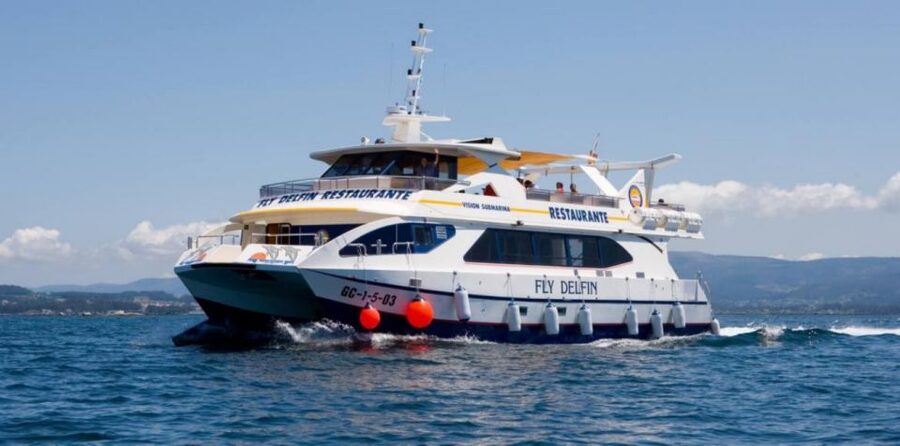
Shellfish farming, served on a boat. On the Ría de Arousa cruise, you see working oyster and mussel areas up close, then try them on the spot. I especially like the mix of easy sightseeing and real explanations of how the Bateas work.
The big payoff is the tasting, with steamed mussels plus wine, water, or soft drink, in a smooth 75-minute format. One thing to consider first, though, is language: the guide and info are Spanish, and the onboard audio can be hard to catch over sea noise.
In This Review
- Key Things I’d Focus On
- Ría de Arousa Mussel Farms: The Smart Way to See Galicia Sea Life
- From Port of O Grove to the Bateas: How the 75-Minute Plan Flows
- Bateas 101: What You Learn About Mussels, Oysters, and Scallops
- Steamed Mussels Tasting: Wine Pairing and the Onboard Food Rhythm
- Underwater Vision: A Fun Tech Twist With Real Meaning
- Seats, Timing, and the Spanish-Only Reality
- Value for $23: What You Get in One Hour 15
- Who This Mussel Farm Cruise Fits Best
- Should You Book This Mussel-Farm Cruise?
- FAQ
- Where does the boat ride start?
- How long is the experience?
- What do you do during the tour?
- What’s included in the tasting?
- What language is the live guide?
- Is the activity wheelchair accessible?
- What should you bring?
- Can you cancel for a full refund?
Key Things I’d Focus On
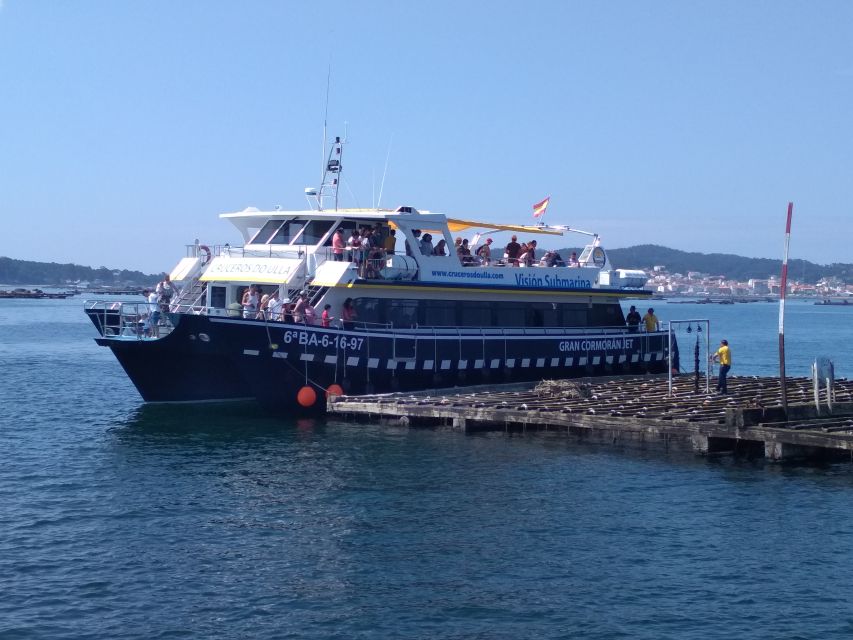
- Ría de Arousa cruise from Port of O Grove: short, scenic, and built around the farms
- Bateas cultivation parks visit: you learn mussels, oysters, and scallops basics on site
- Underwater vision on the boat: you get a different view of what’s happening below
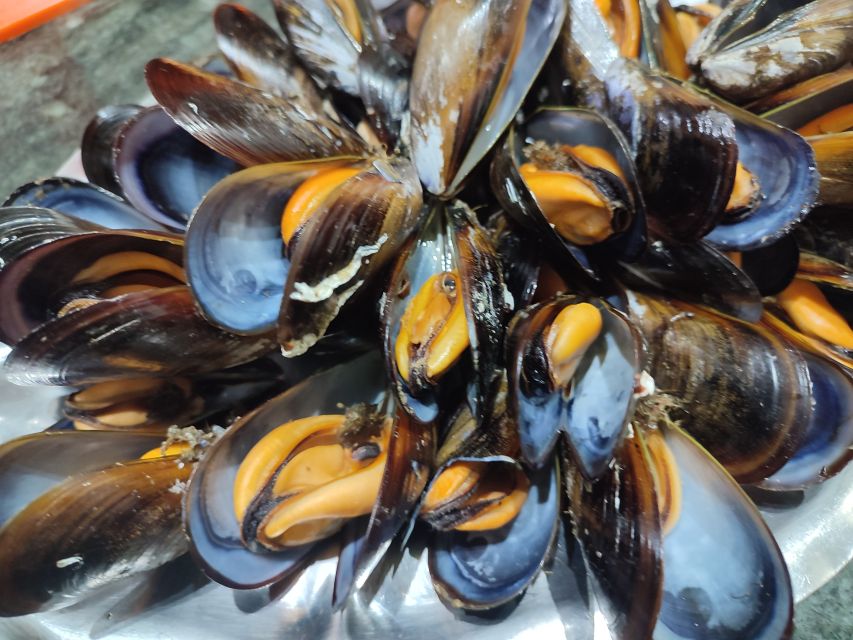
- Fresh steamed mussel tasting: served with wine, water, or soft drink
- Seating tip: arrive early if you want the best chance at the outdoor upper deck
- Crew energy: professional, friendly, and often lively during the ride back
Ría de Arousa Mussel Farms: The Smart Way to See Galicia Sea Life
This is the kind of tour that works in Galicia because it’s not just about pretty water. You get the practical side of coastal life, how shellfish are farmed in an estuary, and what that means for taste. A 75-minute run also keeps it easy if you’re juggling a lot of stops along the Costa da Morte, Rías Baixas towns, or even just a single afternoon around O Grove.
What I like most is the “learn, look, eat” rhythm. You’re carried along the estuary first, then you get guided time at the cultivation areas, and finally you eat something you can link to what you just saw. That connection is the difference between a random snack tour and a farm tour that actually teaches.
The setting helps too. The Ría de Arousa has that classic Galician feel, working ports and farm lines, not postcard-only scenery. You’re on a boat, but the point is clearly the water-based industry.
One more plus: it’s wheelchair accessible, so it’s not an automatic “no” for anyone who can’t do lots of stairs or uneven ground.
From Port of O Grove to the Bateas: How the 75-Minute Plan Flows
Your day starts at the Port of O Grove. From there, the tour moves by boat along the Ría de Arousa, with a guide explaining what you’re passing and what you’ll see up close. The total duration is 75 minutes, which is long enough for a real tasting and a meaningful look at the cultivation zones, without dragging.
Once you’re on the water, you’ll head toward the working shellfish areas. The tour’s heart is the guided stop at the cultivation parks, called Bateas. These are the systems that hold and support different farmed shellfish, and your guide’s job is to translate the whole process into plain language you can picture.
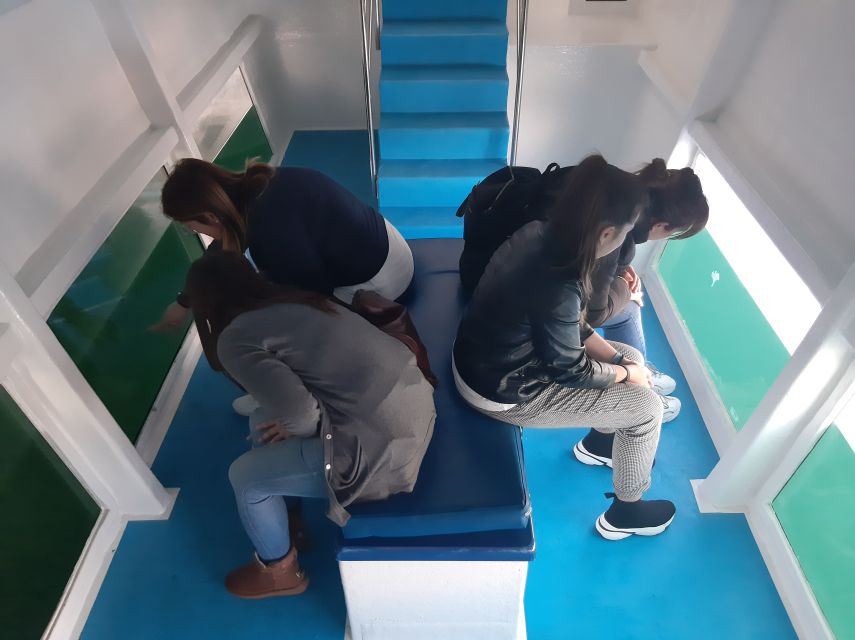
Back on board, you don’t just sit and snack. You also explore the sea bed through the boat’s underwater vision. That part matters because most people only see the surface. Seeing what’s going on below gives you a much better mental map of how the estuary supports farming.
Finally, you end with the tasting onboard. Steamed mussels come served with wine, plus water or soft drink, so you can keep it simple or go slightly celebratory.
More of the same shelf: Cruises & Boat Tours we have written up in O Grove
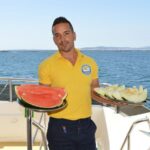
Bateas 101: What You Learn About Mussels, Oysters, and Scallops
The tour is built around cultivation basics, not chef-speak. You’ll learn how mussels, oysters, and scallops are raised in the estuary environment and why the setup works where it does. Even if you know almost nothing about seafood farming, this is usually the kind of explanation that clicks fast, because the guide can point and match the system to what you’re seeing.
A key idea you’ll hear is that these aren’t random floating cages. They’re structured cultivation parks designed to work with water movement, clean feeding conditions, and the timing needed for each shellfish type. The guide keeps it practical, and you get a sense of the routine behind what ends up on a plate.
I also like that you’re not forced into a “sit and listen” format. The tour’s design supports learning because it pairs instruction with direct viewing from the boat and from the cultivation zones. If you like hands-on travel, this hits that sweet spot without asking you to do anything physical.
Keep your expectations grounded, though. This isn’t a scientific lab tour. It’s a working-farm explanation with real-world visuals, and that’s exactly why it feels accessible.
Steamed Mussels Tasting: Wine Pairing and the Onboard Food Rhythm
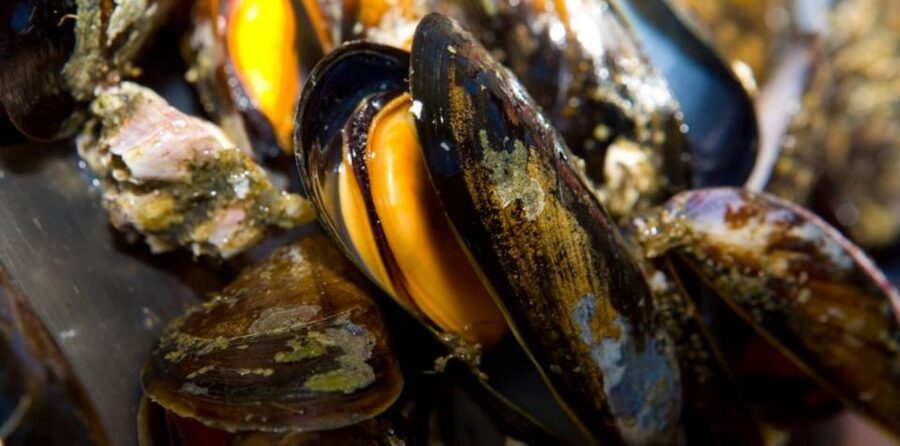
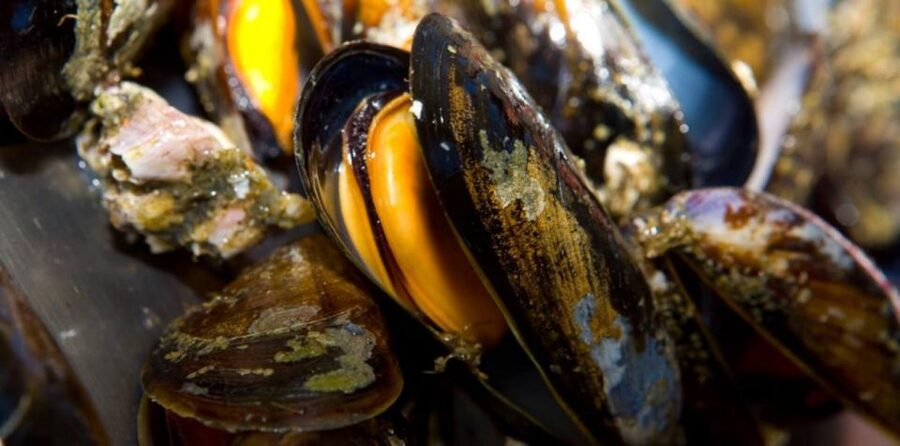
The tasting is a big reason to book. You get steamed mussels, and they’re paired with wine, water, or soft drink. It’s a straightforward combo, but the value is in freshness and context. You’re eating something tied to the farm you just toured, and that makes the meal feel like part of the story, not just a separate add-on.
Portion size seems to surprise people in a good way. The tasting can be served in a way that lets you return for more, so you’re not left thinking you paid for one small plate and a sip. If you’re hungry from sightseeing, you’ll likely appreciate that the meal is genuinely filling for a short tour.
Wine selection can be a highlight. One detail I’d plan for is that you might be served an Albariño style white wine, which fits Galicia’s seafood culture well. If you’d rather not drink wine, you still get water or soft drink, and the tasting still works.
You may also find extra shellfish options available to purchase during the cruise. That can be a fun way to expand your tasting, especially if you want to try oysters in addition to mussels. If you do add on, just keep an eye on pace so you don’t feel rushed while enjoying the ride.
Underwater Vision: A Fun Tech Twist With Real Meaning
One of the more memorable elements is the boat’s underwater vision. It’s not there just for novelty. It gives you a practical window into the sea bed and what the farming area looks like below the surface.
This matters because shellfish farming can be hard to visualize if you’ve only seen restaurants and fish markets. Underwater views help you understand where the lines and cultivation systems sit in relation to the seabed and the water movement around them.
And it’s a nice change from “look at another view.” Even on a cloudy day, you’re not completely dependent on sky conditions. You still get the visual “aha” moment from the boat itself.
If you’re someone who likes learning through observation, this is the moment you’ll remember longer than the tasting.
Seats, Timing, and the Spanish-Only Reality
Do a small bit of planning and you’ll enjoy this more. First, seating: if you want the best shot at the outside upper deck, show up early. Arriving close to the start time can mean you’re stuck inside, which is still fine, but it changes the vibe because the cruise is part sightseeing.
Second, expect Spanish as the main language. The guide is Spanish, and some onboard narration may be prerecorded. That can be a challenge if you don’t speak Spanish, and sea noise can make audio harder to follow.
Here’s how you can handle it:
- If you speak or read Spanish a little, you’ll get the most out of the farming explanations.
- If you don’t, focus on the visuals and ask questions you can manage, even if they’re simple. The crew tends to keep things friendly.
- You can also use the tasting as your anchor, since food often helps you connect the concepts the guide is explaining.
Weather is the other practical factor. The tour can be altered or canceled due to atmospheric conditions or force majeure causes that prevent completion. That’s normal for sea activities, so check close to departure and keep a flexible attitude if you’re traveling during heavy wind or rain.
Good news: the crew is professional, and the experience is built to keep people comfortable and engaged during the ride.
Value for $23: What You Get in One Hour 15
Price can feel tempting or confusing depending on what’s included. Here, the math is pretty solid because you’re paying for a true bundle: boat trip, guided farm explanation, and a tasting with wine plus drinks. You’re not just buying a seat and showing up for food.
At roughly $23 per person for a 75-minute outing, the value comes from three things:
- You’re paying for access to working cultivation zones, not just a photo stop.
- You get a guide, so there’s context behind what you see.
- You leave fed, not snack-fed, with steamed mussels and drinks.
If you’re doing a Galicia coastal trip where everything else takes time, this one fits neatly. It’s short enough to add between larger activities, yet it feels like a real experience because you’re learning how seafood farming functions in the estuary.
Also, the rating is strong, with a 4.7 average across many bookings. That’s usually a sign the operation is consistent, not random.
Who This Mussel Farm Cruise Fits Best
This tour is a great match if you want seafood culture without a long day. It’s ideal for couples, solo travelers, and friends who like interactive, short activities. The tasting is a solid hook if you enjoy food, but you’ll also get something out of it even if you’re more of a “watch and learn” person.
It’s especially worth it if you’re staying around O Grove or planning a coastal run through Rías Baixas. The Port of O Grove start makes it easier than trying to coordinate a farm visit on land.
If you strongly rely on English explanations, you may feel a bit limited. Since the guided experience is Spanish, you’ll have to be comfortable using visuals as your main information source.
If you’re traveling with mobility needs, the stated wheelchair accessibility is a real plus.
Should You Book This Mussel-Farm Cruise?
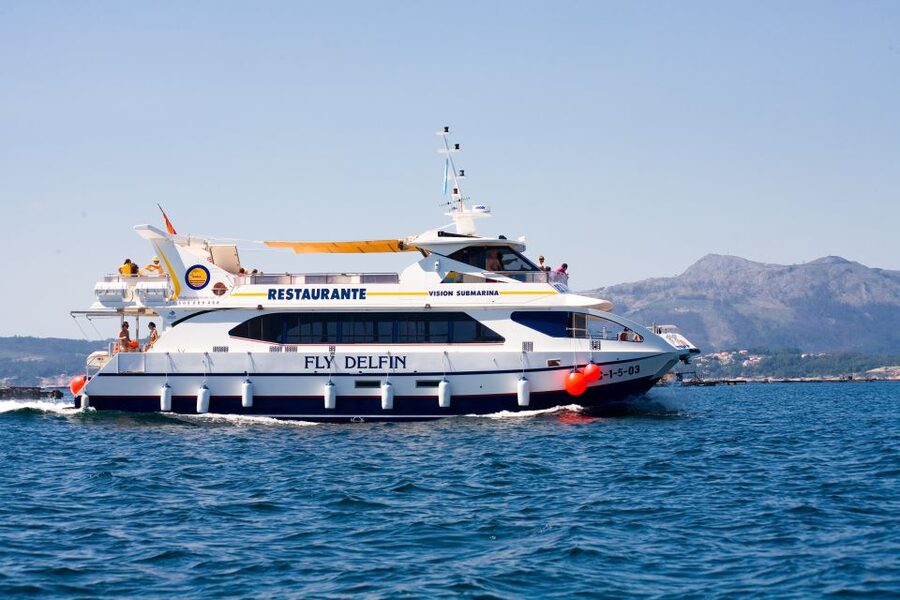
Book it if you want a short, fun way to understand how mussels and other shellfish are farmed in Galicia, and you like the idea of eating what you just learned about. The combination of the Bateas tour, underwater viewing, and a straightforward mussel tasting with wine gives you a lot of “why” behind the food.
Skip or reconsider if language access is a dealbreaker for you, or if you hate the idea of being on a boat when weather can change plans. Sea trips can’t guarantee perfect conditions, and the operator may alter the trip if the water conditions make completion unsafe or impossible.
If you can handle Spanish basics or you’re happy learning through the visuals, this is a high-value stop that feels like you’re part of the coastal story, not just passing through.
FAQ
Where does the boat ride start?
The tour departs from the Port of O Grove.
How long is the experience?
It lasts 75 minutes.
What do you do during the tour?
You cruise along the Ría de Arousa, visit the cultivation parks called Bateas with a guide, and explore the sea bed through the boat’s underwater vision.
What’s included in the tasting?
You get steamed mussels, along with wine, water, and soft drink.
What language is the live guide?
The live tour guide speaks Spanish.
Is the activity wheelchair accessible?
Yes, the tour is wheelchair accessible.
What should you bring?
Bring your passport or ID card.
Can you cancel for a full refund?
Yes, you can cancel up to 24 hours in advance for a full refund.
Food & Drink: the others that earned a place in O Grove
- O Grove: Boat Tour at the Arousa estuary with mussel tasting
★ 4.8 · 231 reviews
Cruises & Boat Tours worth comparing before you book in O Grove
- O Grove: Boat Tour at the Arousa estuary with mussel tasting
★ 4.8 · 231 reviews - O Grove: Ría de Arousa Catamaran Tour with Seafood Lunch
★ 4.7 · 159 reviews
Fresh off the desk: recent O Grove experiences we have written up
Cruises & Boat Tours, side by side.
 ★ 4.7Tenerife: Eco-Yacht Whale and Dolphin Watching and SwimmingFrom $1315,619 reviews
 ★ 4.2Seville: 1-Hour Guadalquivir River Sightseeing Eco CruiseFrom $1910,281 reviews
 ★ 4.5Palma de Mallorca: 5-Hour Catamaran Cruise with Lunch & SwimFrom $699,957 reviews
 ★ 3.9Seville: Guadalquivir River CruiseFrom $216,921 reviews
 ★ 4.3Barcelona: Daytime or Sunset Catamaran Cruise with MusicFrom $155,923 reviews
 ★ 4.4Benalmadena: Dolphin Watching Boat TourFrom $225,786 reviews
 ★ 5.0Ibiza Beach Hopping Cruise with Paddleboards, Drinks and Food 6hFrom $835,588 reviews
 ★ 4.6Costa Adeje: Whale & Dolphin Eco-Cruise with Snacks & DrinksFrom $525,096 reviews
This tour also sits in