
Reviewed · MÁLAGA MUSEUMS AND PICASSO
Malaga: Picasso’s Birthplace Museum Entrance Ticket
Picasso’s birthplace is small but sharp. You walk through 9 rooms in a home where he was born, then you connect the early life to the art. I like that the museum is well organized chronologically, and I also appreciate the included audio guide that lets you move at your pace.
One thing to keep in mind: this is a compact museum, so if you want a big, painting-heavy binge like the larger Picasso sites, you may finish faster than you expect.
In This Review
- Key highlights to look for
- Picasso’s Birthplace House, nine rooms, real context
- Entrance ticket value: skip the line, then go at your speed
- Audio guide and headphones: the easiest upgrade you can make
- Malaga as the invisible main character in Picasso’s art
- Early objects and family photos: how to spot what matters
- Temporary exhibition: Picture of Picasso and Picasso’s reach
- The museum’s contemporary-art side: 3,500 works in one setting
- Timing in Malaga: how long to plan and when it feels easiest
- What to bring, what to skip, and what to watch for
- Who this museum suits best, and who might want the bigger Picasso route
- Should you book this Picasso birthplace museum ticket?
- FAQ
- Where is the meeting point for the Picasso’s Birthplace Museum?
- How much does the Picasso’s Birthplace Museum entrance ticket cost?
- How long does the experience last?
- What is included in the ticket?
- Which languages are available for the audio guide?
- Do I need to bring anything?
- Is the museum accessible for wheelchairs?
- Can I enter without waiting in line?
- Is there a free entry day?
- What is the last entry time?
Key highlights to look for
- Your route is housed inside the birthplace home, not just a gallery box
- Chronological layout helps you connect childhood to later themes
- Malaga motifs show up repeatedly, from the Mediterranean feel to symbols like doves and bullfighting
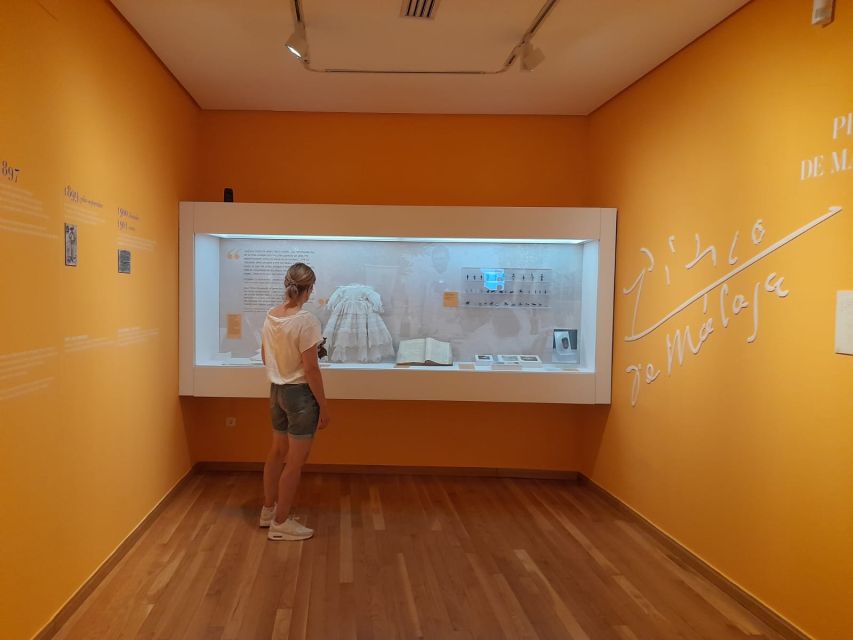
- Real early-life objects (like baby items and the shoes he learned to walk in) add a human scale
- Temporary exhibition included with a multimedia angle on Picasso and his presence in other creators
- A major contemporary-art section includes 3,500 works by 200+ artists alongside classic names
Picasso’s Birthplace House, nine rooms, real context
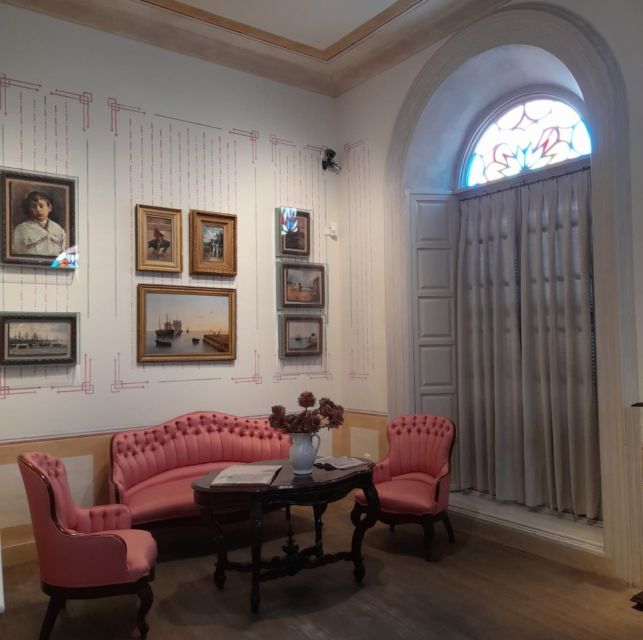
This museum works best when you treat it like a guided walk through a life. The Museo Casa Natal de Picasso sits at Plaza de la Merced 15, Malaga, and you enter straight into the story of where Picasso began. The experience is built around the house setting, so you do not just read about Picasso, you stand in the kind of rooms his family would have known.
You’ll explore 9 rooms, and the layout is designed to follow how his life and training shaped what he later made. On the first floor, you also see works connected to his father, Jose Ruiz Blasco, which helps you understand that Picasso did not drop into genius fully formed. It’s a more grounded way to view early influence.
The overall vibe is practical. You can do this as a quick stop between other Malaga sights, or you can make it your main culture hour. Expect a visit that stays focused, not sprawling.
Entrance ticket value: skip the line, then go at your speed
The ticket gives you entry to the permanent exhibition plus access to the temporary exhibition. You also get an audio guide, and you can use it in multiple languages, which matters in a crowded city like Malaga. The big value here is that the museum is structured so one ticket turns into a full, self-paced visit.
Price is listed at about $4.71 per person, which is unusually friendly for a museum that includes both permanent and temporary content. Even if you only spend an hour or a bit less, the included audio guide gives you enough context to avoid feeling like you just glanced at labels.
One timing detail to plan around: last entry is 30 minutes before closing. That means you should not roll in late. If you are sightseeing all day, I’d schedule this earlier rather than as an afterthought.
Audio guide and headphones: the easiest upgrade you can make
The audio guide is included, and it comes in English, Spanish, French, German, Italian, and Chinese. Since you’re in an art museum, sound really helps, especially when you want the museum’s themes explained as you move room to room.
The museum asks you to bring headphones. That’s a small thing, but it can make or break the experience. If you forget, you’ll either miss audio content or have to improvise on the spot.
A fair heads-up from real visitor experiences: some people find the English narration to sound like an AI-style voice. If you’re sensitive to that, you can switch to another language available on the audio guide, or simply treat it as optional background and rely more on the room information.
Malaga as the invisible main character in Picasso’s art
Picasso is famous worldwide, but this museum keeps bringing you back to Malaga. The museum’s thematic organization highlights how the city remains part of his artistic DNA, not just a footnote. You’ll see how Mediterranean life and local culture feed into his later visual language.
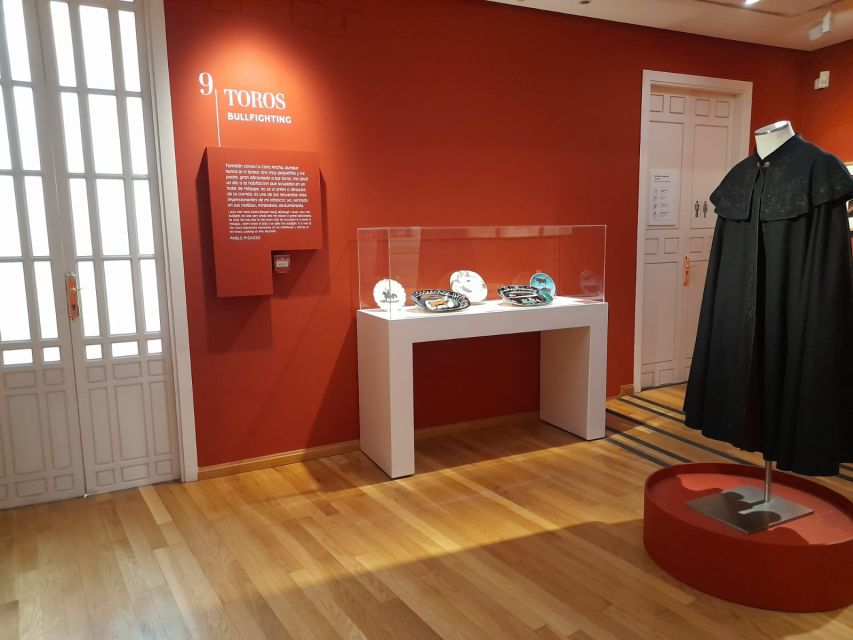
As you move through the rooms, look for repeated symbols and subjects mentioned in the museum’s themes. Doves and bullfighting come up as key motifs, and the museum connects them to how Picasso built meaning through recurring images. The show also points you toward other symbolic influences, including nudes and broader Mediterranean references.
The practical benefit is that you leave with a better “translation” for what you might see later in other museums. If you’ve already visited a bigger Picasso museum and felt overwhelmed by the number of paintings, this one can act like a decoder ring.
Early objects and family photos: how to spot what matters
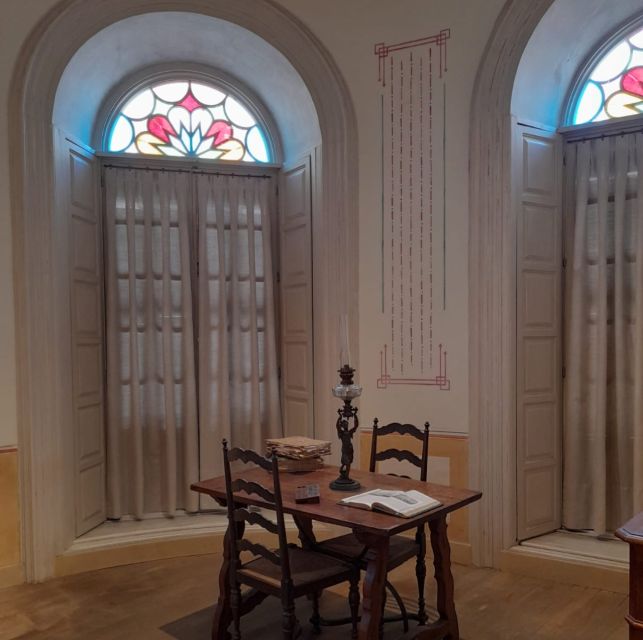
One reason this museum gets high marks is that it does not treat Picasso’s childhood like a blur. You’ll encounter personal objects from his early life, including items like a baby shirt and the shoes he learned to walk in. These are small details, but they change the feeling of the whole visit.
Family photos and portraits also do a lot of work here. They help you connect Picasso the artist to Picasso the kid and family member, which is exactly what you want when the art sometimes feels cold or distant. You start looking for patterns rather than just style shifts.
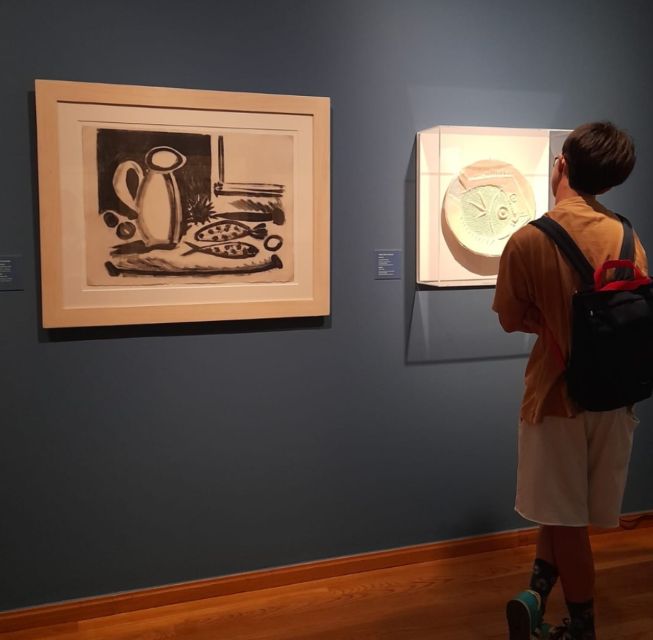
You’ll also see art across multiple media forms, which is useful because Picasso is not just one medium. Expect to run into references and examples like sketchbooks, lithographs, and ceramics alongside other material. The point is to show how his thinking traveled across formats, not how he stayed stuck in one look.
Temporary exhibition: Picture of Picasso and Picasso’s reach
The ticket includes the temporary exhibition, listed as Picture of Picasso (until 28 April 2024). This section focuses on Picasso’s presence beyond paint. It’s designed to explore different facets of Picasso through how other creators adopted or referenced him across media.
The exhibition description includes books and the press, plus social networks, advertising, photography, comics, cinema, television, and popular music. That means you’re not stuck in museum time. You get a sense of why Picasso still matters to modern culture and why the brand of Picasso keeps reappearing in new formats.
If you tend to like “how art travels” stories, this part can be the most fun section. If you prefer only early-life material, you can still use it as a wrap-up. Either way, it fits well because it comes after you’ve been through the birthplace context.
The museum’s contemporary-art side: 3,500 works in one setting
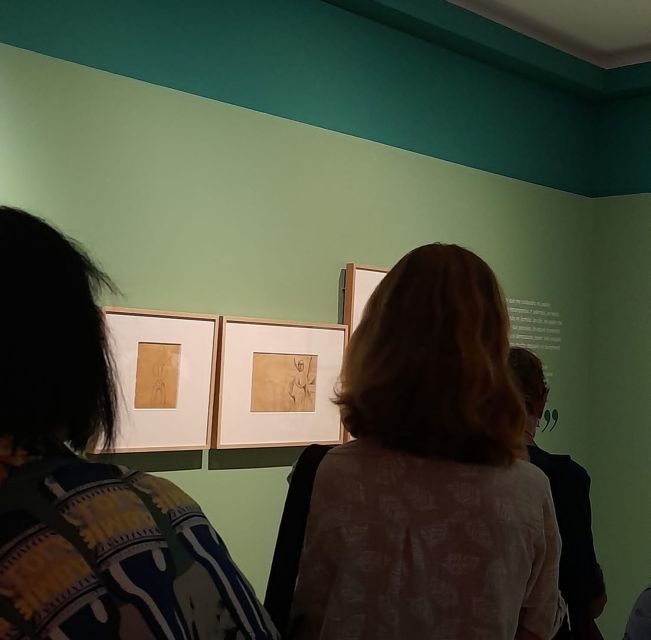
This museum does something unusual. It includes a large contemporary-art component: over 3,500 examples by more than 200 other artists. You’ll find a range of modern work represented, including graphic art by artists named like Miró, Bacon, Ernst, and Matta.
This can be a surprise if you expect only Picasso. But if you stay open minded, it actually makes sense. Picasso’s influence is not just in his paintings, it is in how modern artists interpret form, symbolism, and experimentation. The museum gives you a snapshot of what that influence looks like in later generations.
The helpful way to approach this section is to treat it like a palette cleanser. Instead of hunting for one masterpiece, you skim themes, notice repeated ideas, and check how Picasso-inspired thinking evolves over time, from the 1950s to the present.
Timing in Malaga: how long to plan and when it feels easiest
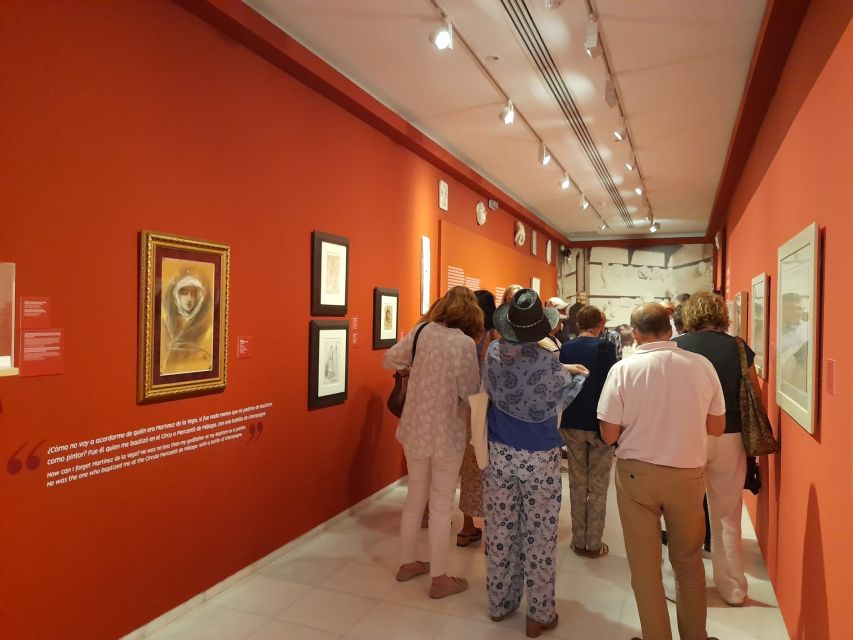
You’re looking at a “1 day” activity on paper, but in real life you should plan it as an hour or slightly more. The museum is small and focused, so many people finish quickly, especially if they use the audio guide at a calm pace.
If you dislike crowds, timing helps. One practical pattern from visitor notes: afternoons can feel busy, while later visits can feel much calmer. You might even find the museum easier to enjoy in the evening when the city slows down.
There’s also a free window on Sundays. The museum is free every Sunday from 4:00 PM until closure, and it is free for unemployed and disabled persons. If you can time your visit, that can make the value even better.
What to bring, what to skip, and what to watch for
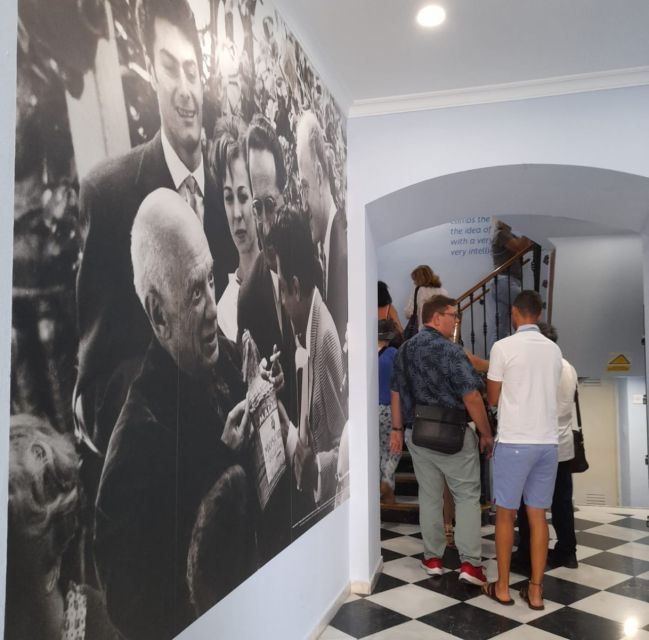
Bring the basics that keep the experience smooth: headphones for the audio guide. If you’re the type who likes photos, you might want to check museum rules on photography once you arrive, but nothing specific is provided in the details you gave me. So I’d plan as if you can take a few at least, but be ready to follow whatever is posted on site.
You should also plan around the last entry rule: last entry is 30 minutes before closing. That means if your day is tight, set a timer and do not push it.
Watch for small translation quirks in the audio content. One visitor found that a motif spelled Paloma got mistranslated as pigeon instead of dove, which made the moment feel oddly funny in an art-focused way. If that kind of thing would bother you, just know it can happen, and the museum’s visual cues still do the main work.
Who this museum suits best, and who might want the bigger Picasso route
This ticket is perfect if you want a grounded, personal start with Picasso. It works especially well if you like “artist origin stories,” because you see early objects, family images, and the Malaga themes that connect to later symbols. If you’ve already seen Picasso’s cubist work in a larger museum and you felt overloaded, this birthplace approach can rebalance your understanding.
It also fits travelers who want a low-commitment culture stop. You’re not committing to a half day. It’s an easy slot for a first or second day in Malaga, and it adds context that makes later Picasso art feel less random.
If you are in the mood for huge quantities of paintings only, you might prefer a larger Picasso collection. This museum is compact, and its strength is interpretation and influence, not just a massive gallery wall.
Also, it’s wheelchair accessible, so you can go without worrying about basic access barriers.
Should you book this Picasso birthplace museum ticket?
I’d book it if you want maximum meaning for minimum time. For the listed $4.71 price, you get the permanent exhibit, the temporary exhibition, and an audio guide in several languages, plus you get the birthplace house setting. That combination is hard to beat in Malaga when you want something authentic and not too time-consuming.
Book it especially if you like symbols and themes, since the museum explicitly focuses on motifs like doves, bullfighting, nudes, and the Mediterranean influence tied to Picasso’s life. And if you’ve already done larger Picasso stops, this is a strong complementary piece that helps everything feel connected.
Skip it only if you need a large volume of major paintings and you dislike compact museums. Otherwise, this is a smart, cost-effective Picasso hour in Malaga.
FAQ
Where is the meeting point for the Picasso’s Birthplace Museum?
The meeting point is Museo Casa Natal de Picasso, Plaza de la Merced 15, 29012 Malaga.
How much does the Picasso’s Birthplace Museum entrance ticket cost?
The price is listed as $4.71 per person.
How long does the experience last?
The activity is listed as 1 day. Based on typical visit length described in experiences, you can expect about an hour or less.
What is included in the ticket?
Your ticket includes entrance to the permanent exhibition, access to the temporary exhibition, and an audio guide.
Which languages are available for the audio guide?
The audio guide is available in English, Spanish, French, German, Italian, and Chinese.
Do I need to bring anything?
Yes, the museum asks you to bring headphones for the audio guide.
Is the museum accessible for wheelchairs?
Yes, the museum is wheelchair accessible.
Can I enter without waiting in line?
The ticket includes skip-the-ticket-line access.
Is there a free entry day?
Yes. The museum is free every Sunday from 4:00 PM until closure. It is also free for unemployed and disabled persons.
What is the last entry time?
Last entry is 30 minutes before closing.
Málaga Museums and Picasso, side by side.
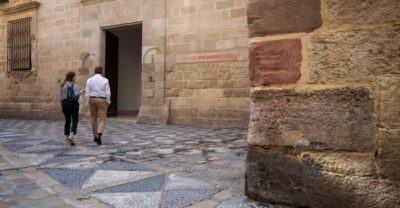 ★ 4.4Málaga: Museo Picasso Málaga Entry TicketFrom $1511,138 reviews
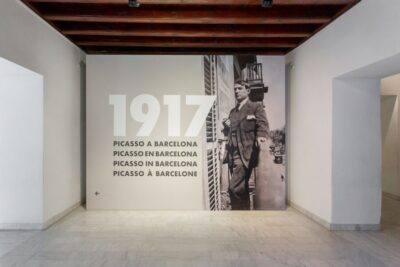 ★ 4.5Barcelona: Picasso Museum Skip-the-Line Guided TourFrom $443,355 reviews
 ★ 4.5Barcelona: Small Group Picasso Tour with Picasso MuseumFrom $46674 reviews
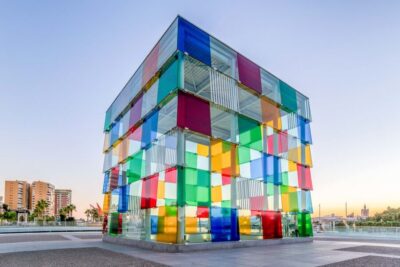 ★ 4.3Málaga: Center Pompidou Málaga TicketFrom $10656 reviews
 ★ 5.0Picasso Museum and Walking Tour Plus Optional Wine & Food TastingFrom $48596 reviews
 ★ 4.0Picasso Small Group Walking Tour with Museum Skip the Line TicketFrom $48548 reviews
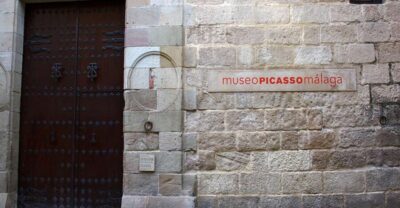 ★ 4.8Malaga: Picasso Museum Guided Tour with Skip-the-Line TicketFrom $41485 reviews
 ★ 4.8Malaga: Gibralfaro Castle, Bullring and Port Segway TourFrom $42298 reviews
This tour also sits in