
Reviewed · ALCÁZAR PALACES AND MOORISH FORTRESSES
Málaga: Cathedral, Alcazaba, Roman Theater Walking Tour
A morning of ancient walls and big-city art starts here. This 3-hour guided loop strings together Málaga’s biggest landmarks, plus the streets that shaped Picasso, with a real guide narration from stop to stop. It’s a smart way to turn a short visit into clear context, not just photos.
I especially like the skip-the-line tickets bundled for the Cathedral, Alcazaba, and Roman Theater. You spend less time queueing and more time looking at details with explanations. I also love the panoramic payoff at Alcazaba, where you get high views over the city and the coast.
One consideration: this is a walking tour and it is not suitable for people with mobility impairments. Also, on days with Cathedral mass, explanations happen outside the building, and you may end up seeing portions from the exterior depending on access.
In This Review
- Quick hits before you go
- Málaga in three hours: what this walking loop really gives you
- Starting point near Plaza de La Marina, and how the tour flows
- Entering the Renaissance Cathedral of Malaga (and what you’re looking for)
- Alcazaba and the Gibralfaro views, plus the elevator shortcut
- Roman Theater: turning ruins into a real place to visit
- Picasso’s Málaga: statue, plazas, and Calle Larios stroll
- What makes the narration worth it (not just the tickets)
- Price and value: why $53 for 3 hours can make sense
- Who this tour fits best, and who should rethink it
- Tips to enjoy the Cathedral to Picasso walk without getting worn out
- Should you book this Málaga Cathedral, Alcazaba, Roman Theater walking tour?
- FAQ
- How long is the Málaga Cathedral, Alcazaba, Roman Theater walking tour?
- Where do I meet for the tour?
- What attractions are included on this tour?
- Is skip-the-line access included?
- What is included in the price?
- What languages are available for the live guide?
- Is this tour suitable for people with mobility impairments?
Quick hits before you go

- Skip-the-line access for Alcazaba, Roman Theatre, and the Cathedral
- Views from Alcazaba after riding the elevator to the top area
- Roman Theater context that makes the ruins feel placed in time
- Picasso streets including the statue and a walk through key plazas
- A guide with storytelling energy, including standouts named Anna, Rachel, Carmen, Luis, and Eduardo
Málaga in three hours: what this walking loop really gives you

If you only have a limited amount of time in Málaga, you want two things: efficient movement and clear meaning. This tour is built around both. You start in the center, then move upward to Alcazaba, then down into the old layers of the city, finishing in the Picasso area with a guided stroll through familiar streets like Calle Larios.
What makes it work is the pacing. Three hours sounds short, but the route is designed to stack experiences: Renaissance religion at the Cathedral, Moorish military architecture at Alcazaba, Roman entertainment at the Theater, then modern art history on the streets. The narration helps you keep those periods straight instead of blending them into one long blur of stone.
Price-wise, $53 for a 3-hour guided walk with official guide time plus admission tickets is usually where the value lies. You are not only paying for a person to point at monuments. You are also paying for reserved entry for multiple major sites, which often costs more than people expect if you buy separately while you are on vacation trying to time lines.
Starting point near Plaza de La Marina, and how the tour flows
The meeting point is the door of the Tourist Information Office. From there, the route kicks off in the area of Plaza de La Marina, a good launchpad because it is central and easy to orient yourself.
The order matters. You begin with the Cathedral in the Renaissance center area, move next to Alcazaba on the slope of Gibralfaro Mountain, and then continue to the Roman Theater. From there, you walk toward the Picasso streets and landmarks.
That flow is helpful because it gradually shifts scale. You go from urban streets and church details, to a fortress hill with wide views, to a compact ruin that still shows how Romans organized public life. Then you finish in the lively downtown streets where Picasso’s presence still feels tangible.
Reviewed and rated alongside this one, further Alcazar Palaces and Moorish Fortresses



Entering the Renaissance Cathedral of Malaga (and what you’re looking for)
The Cathedral is where your guide starts teaching you how to read buildings. The tour takes you to the Renaissance Cathedral of Malaga, and your guide will point out features as you walk through and around the area.
This part of the experience is not just about admiring a facade. The guide’s job is to help you notice why it looks the way it does and how Málaga’s story kept changing hands over the centuries. If you are the kind of person who likes to understand what you see instead of just seeing it, this is a great start.
Practical note: on days of mass in the Cathedral, explanations take place outside the building. So if you are hoping for maximum interior time, adjust expectations. Your guide still gives context, but you may not go as far inside as you would on an ordinary day.
If the Cathedral is closed for access on your date, the tour can still make sense because you get the surrounding points of view and narration. One of the recurring themes from past groups is that the guide keeps the story moving even when access is limited.
Alcazaba and the Gibralfaro views, plus the elevator shortcut
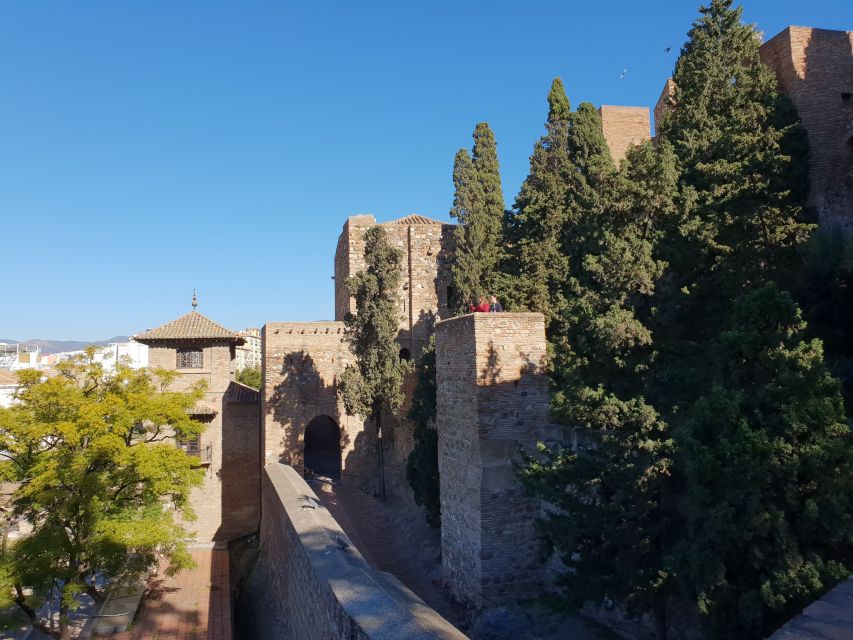
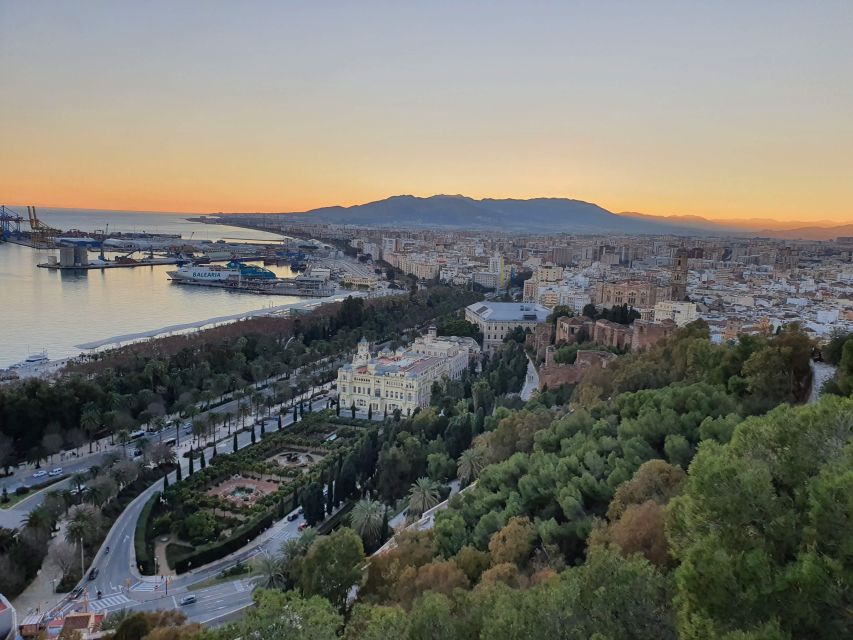
This is the big scenic moment. Alcazaba is built into the sides of Gibralfaro Mountain, and the tour uses an important shortcut: you take the elevator to the highest point on the site, then continue walking from there.
That matters for two reasons. First, it reduces the strain of getting up to the best vantage areas, especially in warmer months. Second, it puts you in the right position to understand the fortress. When you see the views first, the defensive design reads like more than “old walls.” You get why it was built where it was built.
From Alcazaba, you can admire panoramic views across Málaga. Your guide will explain what you’re looking at and how the site connects to the city below. This is the stop where many guides stand out, because you often have a moment where the view is stunning and the guide helps you interpret it, from geography to historical purpose.
Past guides including Carmen and Raquel have been praised for making Alcazaba feel like one connected story, not a checklist of corners. Expect to get guided attention to details along the way, and also time to look out over the city without feeling rushed.
Roman Theater: turning ruins into a real place to visit
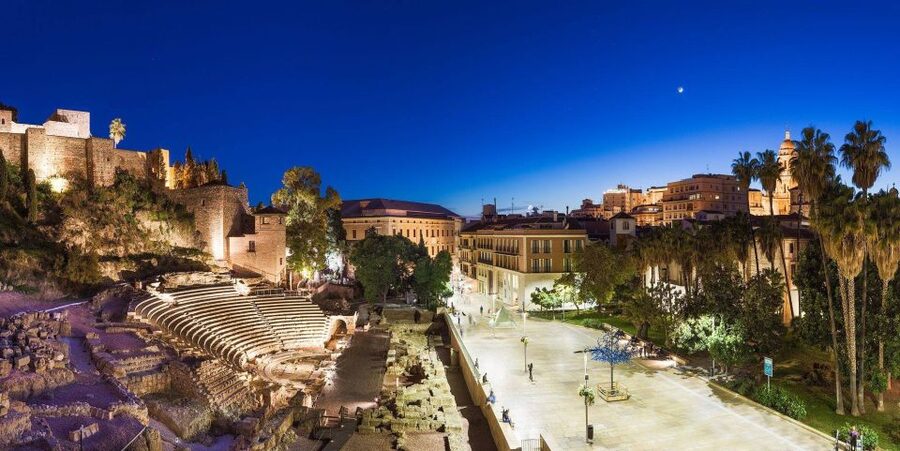
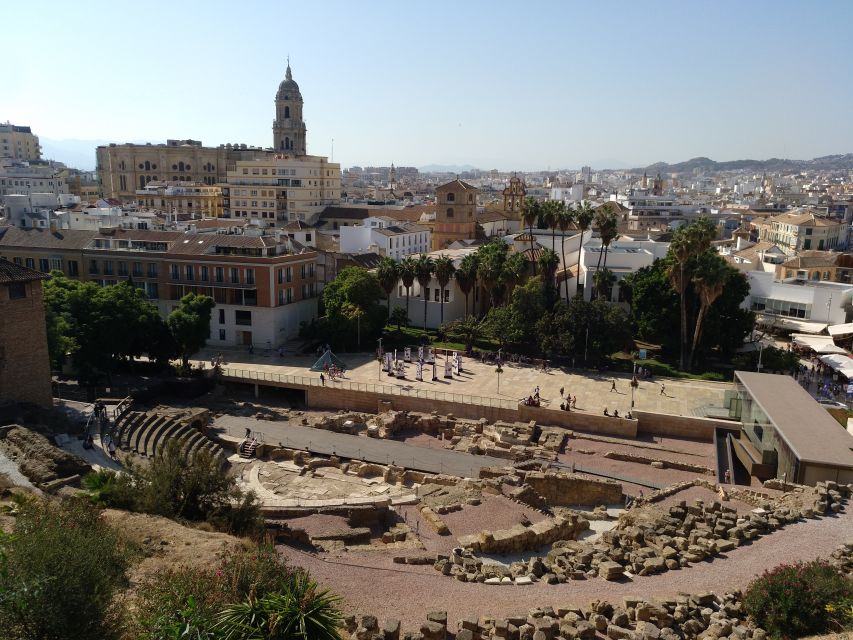
Next comes the ancient Roman Theater. The walk from Alcazaba to this area sets you up well, because you have just climbed and looked outward. Now you get to switch to an inward focus, on a site built for gatherings and performance.
The Theater itself is one of those locations where scale can fool you. Without context, you might think, “It’s just stone steps.” With good narration, you understand how Romans used the space and why it mattered in daily city life.
Your guide will walk you to the Roman Theater and explain how this part of Málaga fit into the broader timeline of the city. This is where the tour avoids the common “tour voice” problem. Instead of only describing what you see, the best guides connect it to how people lived, worked, and gathered.
A big part of why I like this stop on a short itinerary is that it is memorable even if you are not a lifelong Roman-ruins fan. The Theater gives you a human scale moment. You can picture the crowd using the space, and your brain clicks into place.
Picasso’s Málaga: statue, plazas, and Calle Larios stroll
After the Roman Theater, the tour shifts gears into Picasso territory. You walk into the streets where Picasso lived, and this is where Málaga feels more like a modern city with layered identity rather than a museum-only destination.
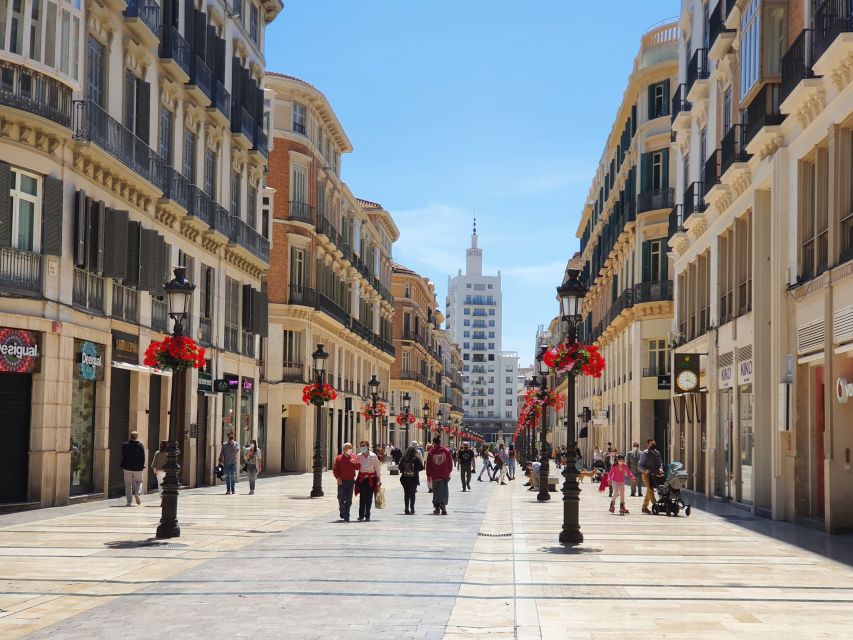
You’ll see a statue of Picasso, and then you’ll move through central landmarks including Plaza de la Merced, Plaza del Obispo, and Calle Larios. Those names are useful because they anchor the story in places you can later find on your own.
The best way to experience this section is to let it be a guided walk through meaning. Your guide should connect Picasso to the city around him: the neighborhoods, the street life, and the urban vibe that shaped his world. Guides such as Rachel and Eduardo have been singled out for mixing site facts with extra Málaga context, including how the port area developed over time.
One specific thread that stood out in guide narratives is an explanation about how parts of the port were infilled to improve the port area. Even if you are not studying engineering, that kind of story helps you understand why Málaga looks the way it does today.
If you want value from the last part of the tour, ask your guide what streets nearby feel most “Picasso” to them, then use that to plan a self-guided wander afterward.
What makes the narration worth it (not just the tickets)
Skip-the-line tickets are a practical win, but the real reason to book a guided walk is the explanation you get while you are standing in front of things.
In this tour, the guide narration is built to do three jobs:
- Put each site into time order so the periods don’t blur.
- Teach you how to notice features, like defensive design at Alcazaba or public-space logic at the Roman Theater.
- Connect the monuments to the living city around you, including Picasso’s neighborhoods.
This is also where the guide quality shines. You’ll often hear praise for named guides such as Anna, Rachel, Carmen, Luis, and Eduardo for turning a 3-hour schedule into an easy-to-follow story. They are described as engaging, funny at times, and quick to handle questions.
Even if you consider yourself a casual museum person, this helps. You leave with a mental map, plus a sense of what to look for the next time you see something similar in another city.
Same idea, different operator. Our other Roman Ruins and Ancient Sites
Price and value: why $53 for 3 hours can make sense
Let’s do the practical math in spirit, not guess exact ticket prices. You are paying for:
- Official guide time for 3 hours
- Tickets included for the Alcazaba, Roman Theatre, and the Cathedral
- Skip-the-line access for those sites
So the value is not just “a guide.” It is a package where the admission pieces are handled for you, plus the schedule is organized so you visit several high-demand stops back to back. That reduces the chance you lose half your day waiting at entrances, which is a hidden cost in any city.
Also, the route includes several exterior street sections, meaning you are not only buying museum-style entry. You are learning how the downtown links together, and you end with Picasso-area streets you can revisit without a guided group.
Is it worth it if you love solo exploring? Maybe not. If you prefer to walk at your own speed and read everything slowly, you can do this on your own. But if you want a fast, coherent introduction that saves time and turns sights into meaning, this price often feels fair.
Who this tour fits best, and who should rethink it
This tour is a strong match for:
- First-timers to Málaga who want the big landmarks in one morning or afternoon
- People who like narration and want help making sense of layers
- Anyone who wants views from Alcazaba without guessing the best route alone
It may not fit as well if:
- You have mobility challenges, because the tour is not suitable for people with mobility impairments
- You need lots of seated rest or long interior time at each stop, since it is a walking format and some explanation happens outside on mass days
If you are traveling with kids, it can still work if your group enjoys stories and you’re okay with a steady walk. If your group prefers a slow pace, consider pairing this with a longer, lighter self-guided afternoon.
Tips to enjoy the Cathedral to Picasso walk without getting worn out
This is an active 3-hour experience, so set yourself up for comfort.
Bring:
- Comfortable clothes, since you’ll be walking and standing for narration at multiple points
Wear:
- Shoes with good grip. Some areas are uneven, and you’ll want sure footing when you are moving between zones.
Have the mindset:
- Expect exterior learning as well as interior access. On mass days, explanations happen outside. It is still worth it, but plan for a little more “look and listen” rather than “wander and linger indoors.”
Use your guide best:
- When you hear a detail you like, ask a follow-up. Past guide comments highlight that questions are welcomed and answered thoughtfully. If you get a guide like Carmen or Luis, you’ll likely enjoy how they connect the dots.
Should you book this Málaga Cathedral, Alcazaba, Roman Theater walking tour?
I’d book it if you want an efficient, story-driven overview of Málaga in a short time window, with tickets handled for three major sights and skip-the-line access. Alcazaba views plus the Roman Theater context plus Picasso’s streets is a solid combination, and the narration is a big part of why people rate it so highly.
I would not book it if walking is hard for you, or if your top priority is spending lots of time inside the Cathedral itself. In that case, you might prefer a different format with fewer steps and more free time at each stop.
If you like guided structure, and you want your day to start with the right questions in your head, this is a good way to get them answered.
FAQ
How long is the Málaga Cathedral, Alcazaba, Roman Theater walking tour?
The tour lasts 3 hours.
Where do I meet for the tour?
Please meet by the door of the Tourist Information Office.
What attractions are included on this tour?
You’ll visit the Renaissance Cathedral of Malaga, the Alcazaba, the Roman Theater, and you’ll also walk through Picasso’s streets.
Is skip-the-line access included?
Yes. Skip-the-line tickets are included for the Alcazaba, Roman Theatre, and the Cathedral.
What is included in the price?
An official guide is included, along with tickets for the Alcazaba, Roman Theatre, and the Cathedral.
What languages are available for the live guide?
The live tour guide is available in Spanish and English.
Is this tour suitable for people with mobility impairments?
No. It is not suitable for people with mobility impairments.
Tours: the rest of our Malaga write-ups
- Málaga: Alcazaba and Roman Theatre Guided Tour With Entry
★ 4.8 · 5,792 reviews - From Málaga: Caminito del Rey Day Trip & Guided Tour
★ 4.8 · 3,117 reviews - From Malaga: Ronda and Setenil Guided Tour Day Trip
★ 4.5 · 3,072 reviews - Malaga: City Sightseeing Hop-On Hop-Off Bus Tour
★ 4.0 · 2,619 reviews - From Málaga: Caves of Nerja, Nerja and Frigiliana Day Tour
★ 4.7 · 2,187 reviews
Keep browsing Roman Ruins and Ancient Sites
- Málaga: Alcazaba and Roman Theatre Guided Tour With Entry
★ 4.8 · 5,792 reviews - From Málaga: Caminito del Rey & Antequera: Dolmens and free time
★ 4.9 · 605 reviews - Malaga Tour with Cathedral, Alcazaba and Roman Theatre
★ 4.5 · 548 reviews
Alcazar Palaces and Moorish Fortresses: the rest of our write-ups
- Málaga: Alcazaba and Roman Theatre Guided Tour With Entry
★ 4.8 · 5,792 reviews - Alcazaba Malaga Guided Tour
★ 5.0 · 1,457 reviews - Malaga Tour with Cathedral, Alcazaba and Roman Theatre
★ 4.5 · 548 reviews - From Malaga: Seville Day Trip with Real Alcázar Tickets
★ 4.3 · 280 reviews - Malaga Private Walking Tour, Alcazaba & Catamaran Cruise
★ 5.0 · 159 reviews
Fresh off the desk: recent Malaga experiences we have written up




Alcázar Palaces and Moorish Fortresses, side by side.
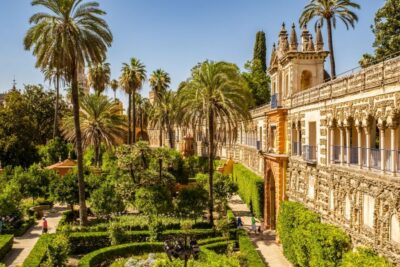 ★ 4.6Seville: Royal Alcázar Entry TicketFrom $2328,378 reviews
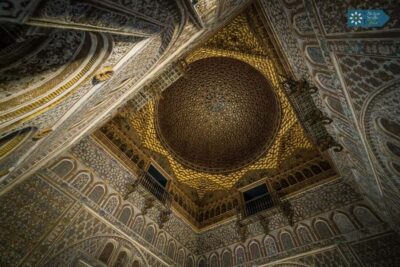 ★ 4.7Seville: Cathedral, Giralda, and Royal Alcázar Guided TourFrom $699,165 reviews
 ★ 4.6Seville: Cathedral, Giralda & Alcazar Entry With Guided TourFrom $658,560 reviews
 ★ 4.7Madrid: Segovia and Toledo Tour, Alcazar, and CathedralFrom $487,797 reviews
 ★ 4.8Seville: Priority Access Cathedral, Giralda & Alcázar TourFrom $647,563 reviews
 ★ 4.8Málaga: Alcazaba and Roman Theatre Guided Tour With EntryFrom $145,792 reviews
 ★ 4.6Seville: Alcázar and Cathedral Entry Ticket and Guided TourFrom $785,056 reviews
 ★ 4.5Alcazar and Cathedral of Seville Tour with Skip the Line TicketsFrom $714,579 reviews
This tour also sits in