
Reviewed · OPEN-DECK BUS CIRCUITS
Córdoba: City Sightseeing Hop-On Hop-Off Bus Tour
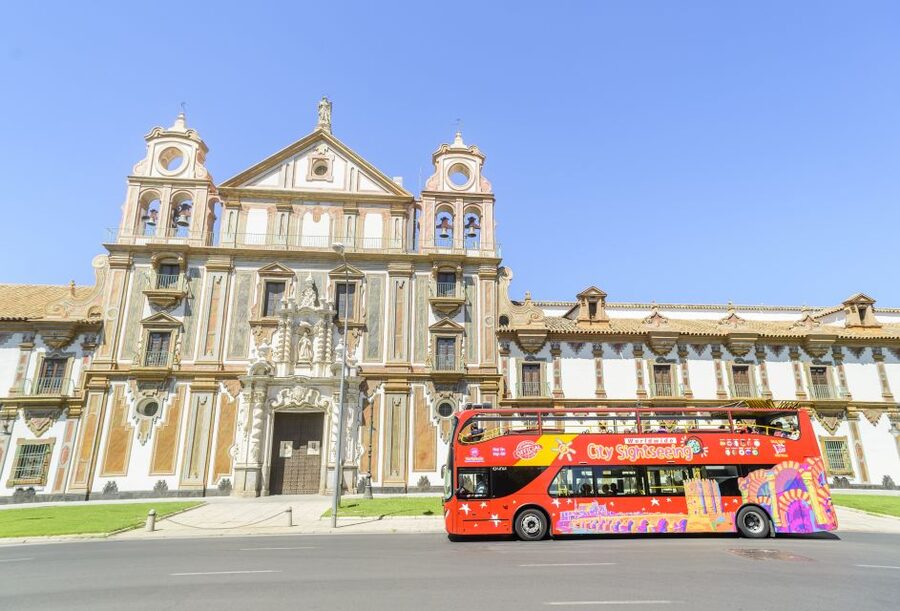
Córdoba gets easier when you ride. This hop-on hop-off bus tour gives you a fast layout of the city, with 10-language audio that keeps you moving without guessing. I especially like how it loops past major monuments and also threads in viewpoints you would miss if you only followed a straight-line plan. My main caution is simple: the experience depends on your timing and the audio on board, so check in early and plan to sit up top if you want the clearest narration.
Here’s why this works for a one-day visit. You get a 24-hour ticket, so you can do a full loop, then hop off for gardens, towers, palaces, or gate landmarks, and still have time to return. The tour also includes a Judería walking tour at 6pm (1 hour), which turns the day into something more than just looking out a window. One more practical consideration: the shorter minibus option can get busy, so if you want it at peak hours, be ready to wait.
In This Review
- Key things I’d circle before your ride
- How the 24-hour pass works on two Córdoba routes
- Panorámica del Río (Red Line): gates, towers, and the big overview
- Intima Route minibus (Blue Line): tight streets and close-up moments
- Getting your bearings fast at Córdoba’s monuments
- Mosque-Cathedral area (Mezquita-Catedral)
- Alcázar de los Reyes Cristianos and surrounding stops
- Palacio de Viana and Palacio de la Merced
- Roman echoes, gates, and the puente landmark
- Gardens and calmer districts
- The included Judería walking tour starts at 6pm
- Price and value: what $32 buys you, and what it does not
- Comfort and practical tips: sun, audio, and timing your hops
- Sit and sound checks
- Don’t trust only the announcements
- Use the two loops like a planner, not a passenger
- Watch the bus intervals
- Weather matters
- Who this tour suits best
- Should you book this Córdoba hop-on hop-off bus tour?
- FAQ
- How long is each bus route and how often do buses run?
- What are the first and last departure times?
- Can I start or end the tour at different stops?
- What is included in the ticket?
- Are entry tickets to attractions included?
- Where does the Judería walking tour start?
- What languages are available for the audio?
- Is the tour wheelchair accessible and are pets allowed?
Key things I’d circle before your ride

- Two routes, different vibes: the red Panorámica Route is built for bigger sights, the blue Intima Route is for narrow-street navigation
- Gates and towers you can actually name: Puerta de Almodóvar, Puerta de Sevilla, Puerta del Puente, plus towers like Malmuerta and Calahorra
- Palaces and courtyards in the mix: you’ll hear about Palacio de Viana and Palacio de la Merced while you move between areas
- Mosque-Cathedral context, not just sightseeing: audio focuses on the religious history of the Mezquita-Catedral
- Gardens and parks along the way: stops like Jardín Botánico – Zoológico and more calmer districts help break up the day
- 6pm Judería walking tour included: you finish with a guided hour (Spanish and English), starting at Puente Romano
How the 24-hour pass works on two Córdoba routes

This is a one-day ticket with a 24-hour hop-on hop-off pass. In plain terms, you can do the whole circuit, then ride again later, or break the day into pieces by hopping off when a stop looks worth it. You do not have to commit to one line all day, since both routes share several central stops.
You have two options:
- Panorámica Route (Red Line): 70 minutes per circuit, first departure 9:30am, last from stop 1 at 6pm, buses every 70 minutes
- Intima Route (Blue Line): 30 minutes per circuit, first departure 9:30am, last from stop 1 at 6pm, buses every 70 minutes
On Friday, February 20, buses run every 60 minutes, so you get slightly tighter connections.
For meeting points, you can start at either:
- Avenida Fray Albino 2 for Stop 1 Panorámica Route
- Calle Caballerizas Reales for Stop 1 Alcázar de los Reyes Cristianos (Intima Route)
You can start and end at any allocated stop, which is handy if you’re staying near a quieter neighborhood. One small reality check: double-decker sun is real in Córdoba. If you’re sensitive to heat or brightness, plan your loop for earlier in the day when possible, and take advantage of hop-off time in shaded areas.
Panorámica del Río (Red Line): gates, towers, and the big overview
The Red Line is your “get oriented fast” route. It covers a wider sweep of Córdoba, and the audio sets you up to understand what you’re seeing, not just where to stand for photos. If you only do one loop, do this one first. It gives your feet a map for later.
A few stops that help you connect neighborhoods to monuments:
- Jardín Botánico – Zoológico and Ciudad de los Niños: great for a break if you want a calmer pace and some greenery between major sites
- San Basilio: a district-style stop that helps you avoid feeling like you’re only jumping between postcard landmarks
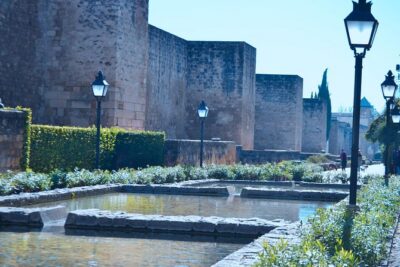
- Puerta de Almodóvar and other gate areas: these are some of the original city gates, and the bus commentary helps you remember names instead of treating them as random wall openings
- Mercado de la Victoria: useful as a “reset” stop when you want local atmosphere and snacks without committing to a full meal plan
- Estación de trenes / autobuses: practical for getting your bearings, especially if your hotel is closer to transport areas
- Palacio de la Merced – Diputación: a key stop for palace architecture and civic history, tied into the broader religious and cultural shifts you’ll hear about
- Malmuerta – Santa Marina: one of the tower landmarks that makes the defensive-era parts of the city easier to picture
- Ayuntamiento – Templo Romano and Arco del Portillo: two stops that help connect Córdoba’s layers, from ancient Rome to later urban development
- Puente Romano and Bañóos Califales – Alcázar: these are strong “anchor” points for the old-city core, especially if you plan to walk a short distance after hopping off
The tour highlights specifically call out gates and towers like Belén, Puerta del Rincón, Calahorra, and Donceles, and you’ll hear these referenced as you move through the city. Even if you don’t step inside every attraction, the bus route helps you understand how these features protected and shaped Córdoba.
If you’re the type who likes structure, Red Line is also where the day can start feeling like a story. You’ll pass major reference points, then you can hop off at the stops that match your interests: architecture, fortifications, religion, or just the feel of the streets.
If this one is booked out, these Open-Deck Bus Circuits come close
Intima Route minibus (Blue Line): tight streets and close-up moments
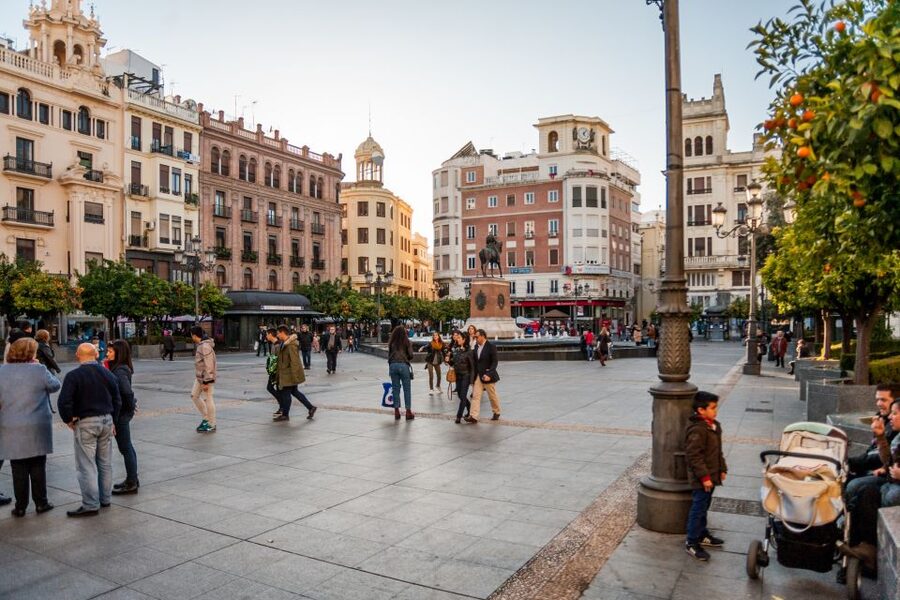
The Blue Line is the shorter, 30-minute circuit, and it’s built for the kind of street grid that larger buses can struggle with. This is the option I recommend if you want more “street-level” views and less time feeling like you’re watching the city from a distance.
The vibe changes here:
- Because the route is compact, it often feels like you’re getting quick, meaningful hops between central areas.
- It also tends to feel better for midday when you want to move without committing to a full 70-minute loop.
Shared central stops you’ll likely catch on both routes include:
- Alcázar de los Reyes Cristianos area
- Mezquita – Catedral
- Realejo – San Andrés
- Palacio de Viana
- Plaza de las Tendillas
- Arco del Portillo
The tour experience can be smooth, but there are two practical considerations I’d plan around. First, the smaller bus can be busy, so you may have to wait longer for a seat at peak times. Second, if you care about hearing audio clearly, keep an eye on sound output when you board. If the volume feels weak, ask for help right away or switch seats, rather than waiting through a muffled section.
In general, Blue Line is your tool for refining the day. Use Red Line to set the big picture, then use Intima to tighten your route around what you actually want to see up close.
Getting your bearings fast at Córdoba’s monuments
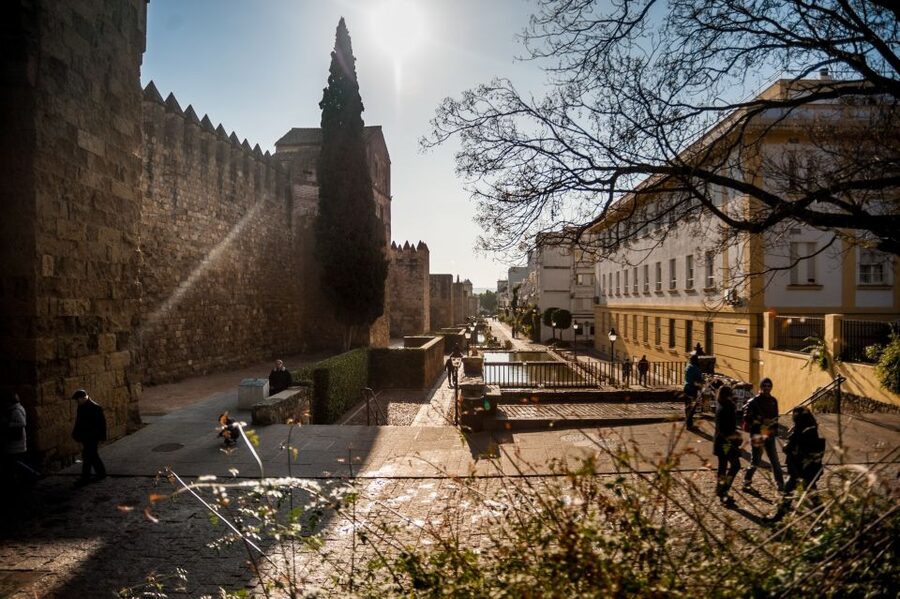
Córdoba can overwhelm you with sheer beauty, especially if it’s your first time. The value of this tour is that it puts official names on the big sights, then ties them together with commentary so you can decide what to revisit later.
Here are the highlights worth planning around, and how to use the bus to your advantage:
Mosque-Cathedral area (Mezquita-Catedral)
The tour is built around the Mosque-Cathedral of Córdoba, and the audio doesn’t just point at the structure. It focuses on the religious history behind the site. That matters, because the building only makes sense when you understand how its identity changed over time.
If you hop off here, do it with intention. Give yourself time to walk a few blocks and reposition your viewpoint, rather than treating it like a quick photo stop. The bus is great for arriving, but the site deserves a slower pace.
Alcázar de los Reyes Cristianos and surrounding stops
The tour passes the Alcázar area and it also references Torre de la Calahorra. The bus narration helps you connect towers and defensive structures to the broader story of the city. If you’re the kind of visitor who likes to see how power shows up in architecture, this section is for you.
A practical note: if you want to see more than just the exterior, you’ll need to plan attraction time. Tickets to attractions are not included, so you’ll want to check what requires a separate entry before your hop-off moment.
Palacio de Viana and Palacio de la Merced
Two palace stops stand out: Palacio de Viana and Palacio de la Merced. You’ll hear about them as part of Córdoba’s cultural shifts, not just as pretty buildings.
I like using these stops as “breathing points.” You can hop off, step into a calmer zone, and then ride back on the next bus with better energy for the rest of the loop.
Same idea, different operator. Our other City Tours in Cordoba
Roman echoes, gates, and the puente landmark
Córdoba’s Roman footprint shows up through stops like Ayuntamiento – Templo Romano and the Roman Temple reference. Then you get a major connection point with Puente Romano and nearby architecture like Arco del Portillo.
If you’re trying to map the city in your head, these are your anchors. Once you understand where the bridge area lands, everything else feels more walkable and less confusing.
Gardens and calmer districts
The tour includes greenery and breaks from monument hopping, like Jardín Botánico – Zoológico and other park-adjacent stops. Even if you don’t go far, these stops help you avoid the all-day “rush” effect.
A small strategy: if you feel museum fatigue, hop off at a calmer stop, use your time for a short wander, then get back on before the next loop. That keeps your day from turning into one long sprint.
The included Judería walking tour starts at 6pm
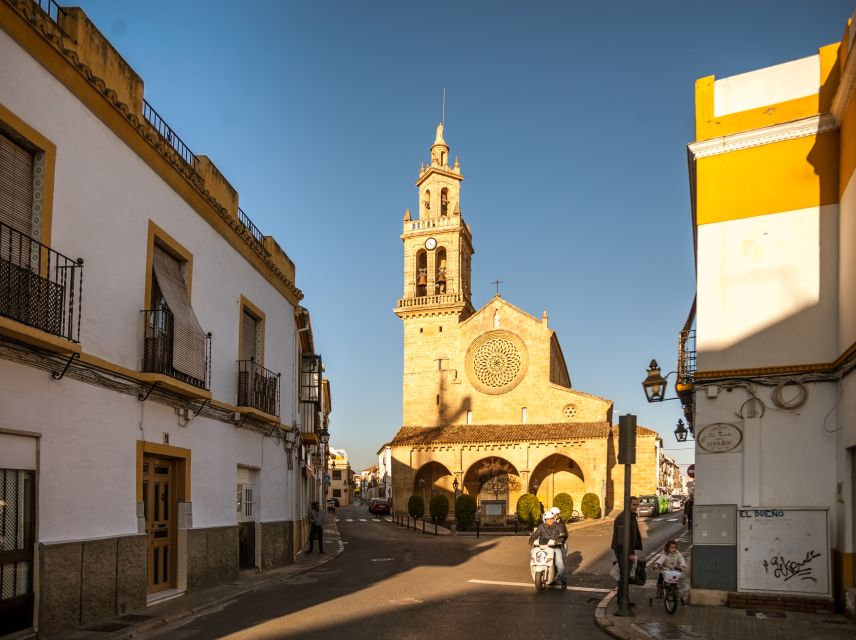
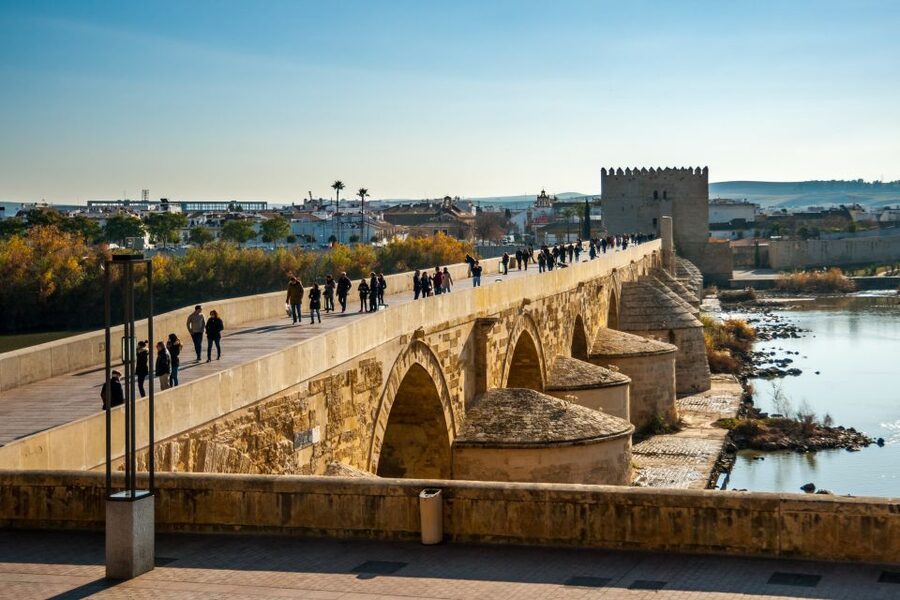
One of the best “value add” moments is the included Judería Walking Tour, which starts at 6pm from Puente Romano (Stop 16 on the Panorámica Route). Duration is 1 hour, and it runs in Spanish and English.
This is the part of the day that turns the tour from transportation into context. By evening, you’re more likely to notice street details, transitions between blocks, and how the old-city feel changes as light softens. Even if you already visited the big monuments earlier, the Judería walk helps connect them to the neighborhood fabric.
If you want to make it work smoothly, aim to be near Puente Romano by a bit before 6pm. Hop-off earlier on the Red Line so you’re not sprinting across the city when you should be looking around.
Price and value: what $32 buys you, and what it does not
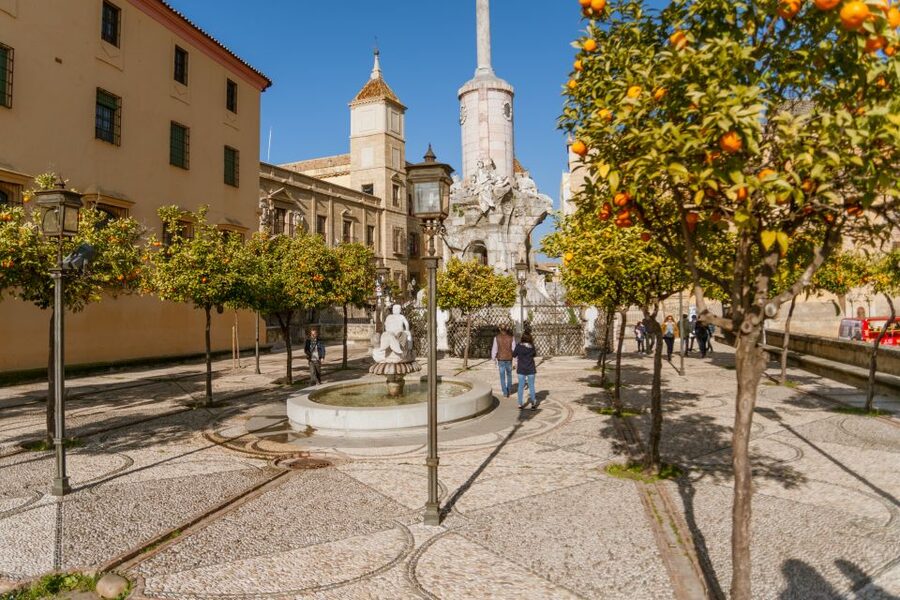
At $32 per person for a 1-day pass, the question is not whether it’s cheap. It’s whether it saves you time and confusion. For Córdoba, it often does.
Here’s what you get in the price:
- 24-hour hop-on hop-off bus ticket
- Stops near major sights
- Audio commentary in 10 languages with headphones
- Kid’s audio commentary in Spanish
- The included Judería walking tour
What you do not get:
- Tickets to attractions (you’ll still need to pay entries if you want to go inside)
That’s the key value equation. If your day includes at least one or two attractions you can’t easily route on foot, the bus becomes a transport tool plus an orientation guide. If you plan to only stand outside and take photos, you might find you can walk a lot on your own. But for most first-timers, the route does more than cover distance. It helps you understand why places matter, and it points you toward where your limited time should go next.
Also, the tour has a 4 out of 5 overall rating from 753 reviews, which suggests the service level is generally solid, with a few bumps that are useful to know before you ride.
Comfort and practical tips: sun, audio, and timing your hops
This is where your day either flows or feels annoying. Córdoba is walkable, but heat and route timing can make or break a one-day plan.
Sit and sound checks
Some riders report that the lower level audio output may not work well, so if you want clear narration, choose the top level when possible. Others also report that audio can get slightly out of sync with the bus or that hearing components can be hit or miss. My advice is to test your headphones as soon as you board. If volume or sound quality seems wrong, speak up quickly rather than waiting.
Don’t trust only the announcements
There can be moments where stops are not announced in advance, or where audio lags behind the bus. So keep an eye on the stop signs and the printed or displayed route information when you’re waiting to board.
Use the two loops like a planner, not a passenger
A good rhythm:
- Start with Red Line to get the big picture.
- Hop off at one or two top priorities.
- Use Intima to jump between central clusters fast.
- Finish your day with the Judería walk at 6pm from Puente Romano.
This keeps you from wasting time riding back and forth without direction.
Watch the bus intervals
Buses generally run every 70 minutes, so if you hop off and decide to wander longer than expected, you could end up waiting. That’s not a disaster, but it changes how you plan meals and attraction entry times.
Weather matters
Because you’re outdoors a lot, especially on the open-deck view, plan for sun. Bring water and consider starting earlier. If you’re traveling with kids, the included kid audio in Spanish can make a big difference during longer transfers.
Who this tour suits best
This tour is a great fit if:
- You want a one-day orientation and a named-map of Córdoba
- You prefer audio commentary in your language and want headphones included
- You want to mix major monuments with more relaxed stops like gardens
- You like the idea of finishing with a neighborhood walk in the Judería
It might be less ideal if:
- You’re happy planning everything on foot and already know your exact route
- You dislike wait times between buses, since service runs on a set interval
- You want deep time inside multiple attractions, because entry tickets are not included and you’ll need to add time for boarding and walking
Should you book this Córdoba hop-on hop-off bus tour?
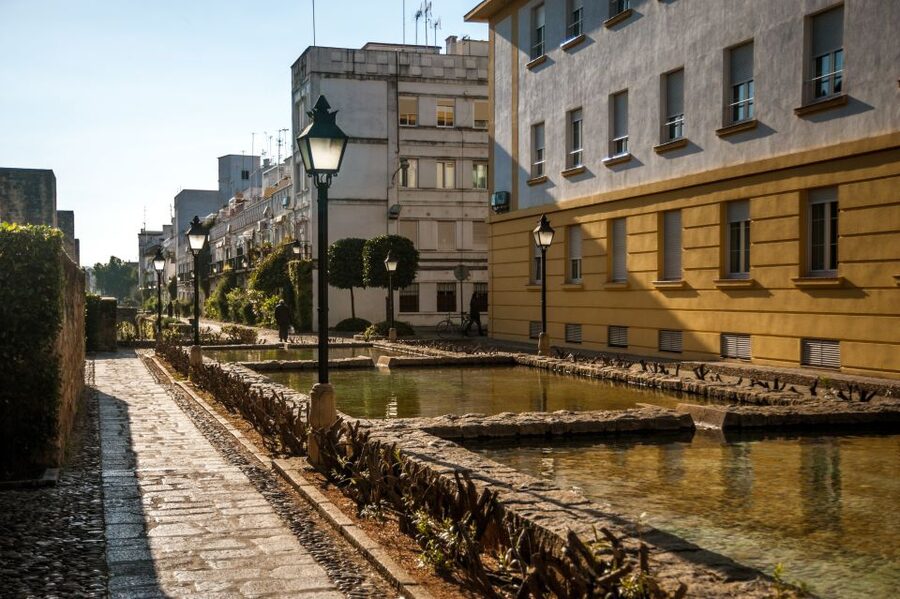
I’d book it if you want your first day to feel efficient and informative, with the flexibility to jump off where you actually care. The combination of major monuments, named gates and towers, multi-language audio, and the included 6pm Judería walking tour makes it a strong value for a short visit.
Skip it only if you’re confident you’ll handle Córdoba entirely on foot without losing time, or if your plan is purely “inside-only” attractions, because the bus can’t replace paid entry time. For most travelers, though, this is an easy way to get your bearings, save effort, and spend your limited daylight in the right places.
FAQ
How long is each bus route and how often do buses run?
The Panorámica Route (Red Line) is about 70 minutes per circuit, and the Intima Route (Blue Line) is about 30 minutes per circuit. Buses run about every 70 minutes on normal days.
What are the first and last departure times?
For both routes, the first departure from Stop 1 is 9:30am, and the last departure from Stop 1 is 6pm.
Can I start or end the tour at different stops?
Yes. You can start and end at any allocated stops along the routes. Your ticket is valid for 1 day (24 hours).
What is included in the ticket?
The ticket includes the 24-hour hop-on hop-off bus ride, audio commentary in 10 languages with headphones, and the included Judería walking tour. Kid’s audio commentary in Spanish is also included.
Are entry tickets to attractions included?
No. Tickets to attractions are not included.
Where does the Judería walking tour start?
The Judería walking tour starts at 6pm from Puente Romano, Stop 16 on the Panorámica Route. It lasts 1 hour.
What languages are available for the audio?
Audio commentary is available in Spanish, Chinese, English, French, German, Italian, Japanese, Arabic, and Russian.
Is the tour wheelchair accessible and are pets allowed?
Yes, the tour is wheelchair accessible. Pets are not allowed.
Keep browsing City Tours in Cordoba
- Córdoba: Guided City Tour by Tuk-Tuk
★ 4.9 · 245 reviews - City Sightseeing Cordoba Hop-On Hop-Off Bus Tour
★ 4.0 · 213 reviews - Cordoba Mosque-Cathedral & City Private Tour
★ 5.0 · 117 reviews
Tours: the rest of our Cordoba write-ups
- Córdoba: Skip-the-Ticket-Line Mosque-Cathedral Guided Tour
★ 4.6 · 9,634 reviews - Cordoba Mosque-Cathedral: Skip-the-Line Guided Tour
★ 4.7 · 6,610 reviews - Córdoba: Jewish Quarter, Mosque, and Alcázar Tour
★ 4.7 · 4,279 reviews - Cordoba Mosque & Jewish Quarter Tour with Tickets
★ 4.6 · 1,996 reviews - Cordoba: Alcazar Guided Tour and Skip-the-Line Ticket
★ 4.2 · 1,792 reviews
Open-Deck Bus Circuits we rated next
- City Sightseeing Cordoba Hop-On Hop-Off Bus Tour
★ 4.0 · 213 reviews
Fresh off the desk: recent Cordoba experiences we have written up


Open-Deck Bus Circuits, side by side.
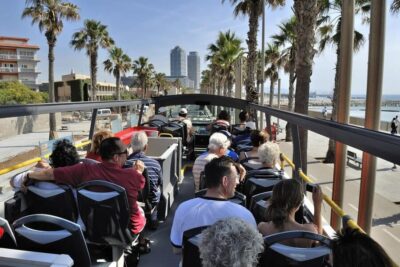 ★ 4.4Barcelona: 24 or 48-Hour Hop-On Hop-Off Bus TourFrom $3920,872 reviews
 ★ 4.4Barcelona: City Sightseeing Hop-On Hop-Off Bus TourFrom $3910,061 reviews
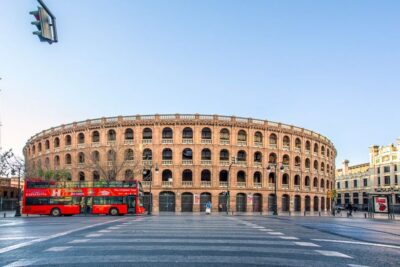 ★ 3.9Valencia: 24 or 48-Hour Hop-on Hop-off Bus TicketFrom $315,611 reviews
 ★ 4.0City Sightseeing Barcelona Hop-On Hop-Off Bus Tour: 24 or 48-HourFrom $395,250 reviews
 ★ 4.0Seville: City Sightseeing Hop-On Hop-Off Bus TourFrom $334,633 reviews
 ★ 4.1Palma de Mallorca: City Sightseeing Hop-On Hop-Off Bus TourFrom $324,450 reviews
 ★ 3.5Granada City Train 1 or 2-Day Hop-On Hop-Off TicketFrom $83,128 reviews
 ★ 4.0Barcelona City Tour Hop-On Hop-Off with Optional BoatFrom $393,012 reviews
This tour also sits in