
Reviewed · TICKETS
Barcelona: Museu Nacional d’Art de Catalunya Entrance Ticket
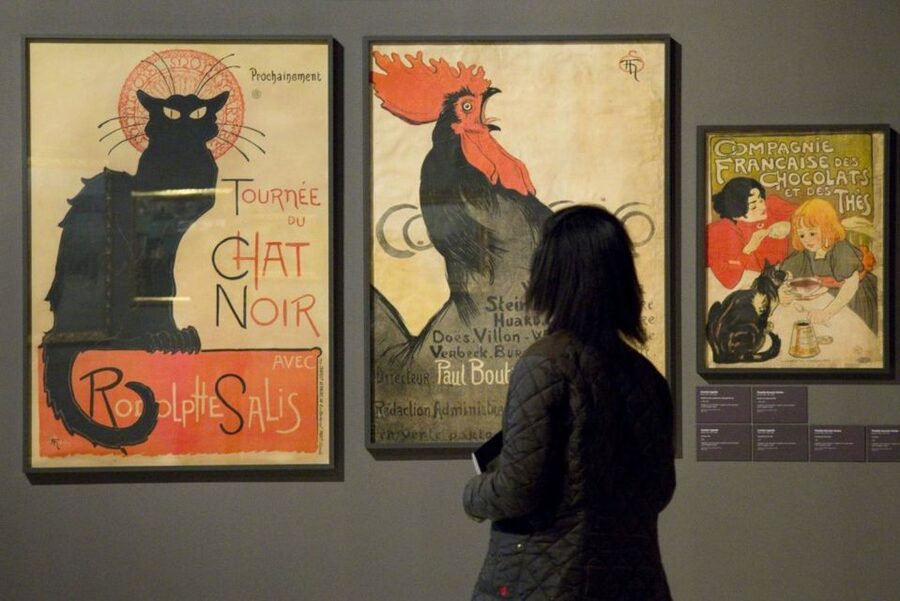
Montjuïc pays off fast with world-class art. At the Museu Nacional d’Art de Catalunya, you get Romanesque mural paintings, Catalan Modernism, and major European names, all inside the grand Palau Nacional built for the 1929 Exposition. Add the museum’s famous photo-worthy setting, and your ticket turns into more than a quick stop.
I love two things most. First, the ticket bundles the permanent collection with a temporary exhibition, so you can spend real time without feeling like you are repeating the same stuff. Second, the included audio guide app on your phone covers a lot of languages, which helps when you want to understand what you are looking at, not just pass by it.
One drawback to plan around: the terraces and rooftop are temporarily out of service due to current health regulation requirements. That does not ruin the visit, but if your whole plan is skyline photos from up top, you will need to adjust and rely on other viewpoints around Montjuïc.
In This Review
- Quick hits at a glance
- MNAC at Palau Nacional: art, architecture, and Montjuïc all in one
- Getting in fast: what your $14 ticket really buys you
- Floor-by-floor game plan: Romanesque murals and church art first
- Catalan Modernism upstairs: where Gaudí and Casas fit in
- European Renaissance and Baroque: Tiziano and Velázquez moments
- Photography collections: a useful side route when you want variety
- The Palau Nacional building: 1929 history you can actually feel
- Rooftop and terraces: what to do if they are closed
- Temporary exhibitions: how to use them without losing your main focus
- Timing that works: how long to stay, and when not to rush
- Comfort and small annoyances: heat, bathrooms, and breaks
- Accessibility and getting around inside
- Who this MNAC ticket suits best, and who might skip
- Should you book this MNAC entrance ticket?
- FAQ
- Where is the Museu Nacional d’Art de Catalunya meeting point?
- How much time should I plan for the visit?
- What is included with the entrance ticket?
- What language options are available for the audio guide?
- Do I need to bring anything?
- Is there a skip-the-line option?
- Are the rooftop and terraces available?
- When do ticket offices and rooms close?
- When is museum entry free?
Quick hits at a glance
- Skip the ticket line so you can start seeing art sooner
- Two floors with a “spend a couple of hours” flow that still leaves room to slow down
- Audio guide app in many languages, so you can follow Romanesque to Baroque without guessing
- Romanesque mural paintings are a headline attraction here
- Palau Nacional’s 1929 building story is part of the experience, not just a backdrop
- Rooftop access may be closed, so plan photo time accordingly
MNAC at Palau Nacional: art, architecture, and Montjuïc all in one
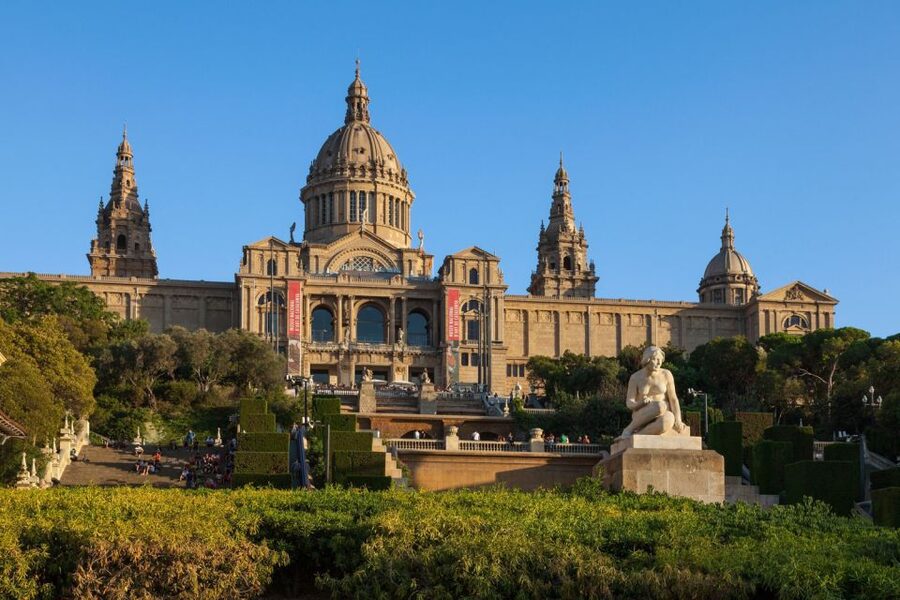
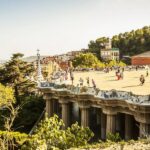
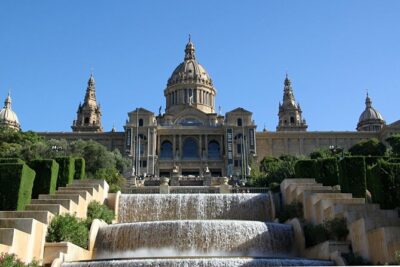
The Museu Nacional d’Art de Catalunya is housed in Palau Nacional, the monumental building at the top of Montjuïc. Walking in, you feel the scale right away. It is the kind of place that makes you slow your pace, not because you have to, but because the space nudges you that way.
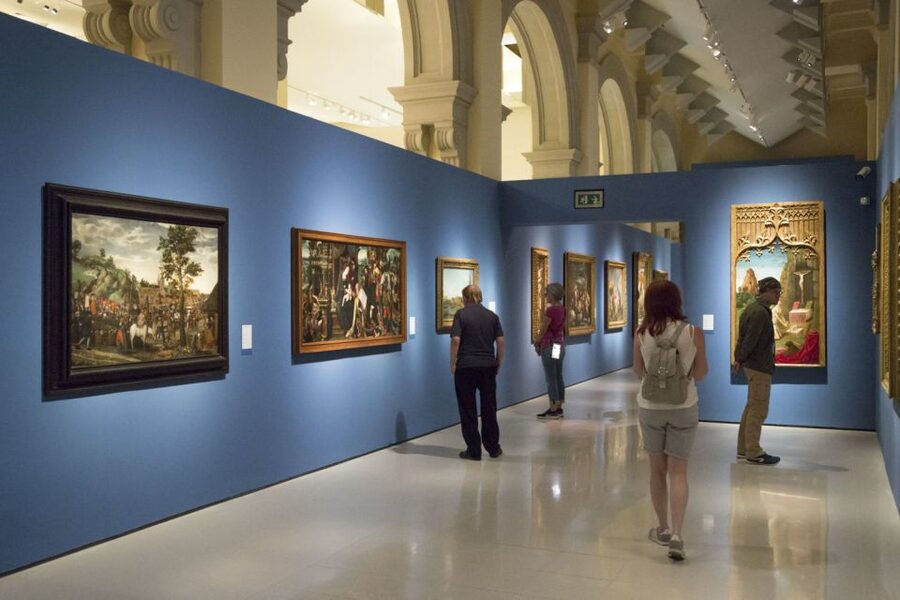
The museum’s big strength is range. You are not boxed into one style or one region. You move from Romanesque mural paintings into Catalan Modernism and then onward to major European work like Renaissance and Baroque masterpieces.
And you get the city angle too. Even without rooftop access, the museum sits above Barcelona, and the location keeps pulling your attention back outward for quick breaks and photos.
Getting in fast: what your $14 ticket really buys you
Your price here is about value per hour, not just ticket cost. For around $14 per person, you are paying for access to the permanent collection, an additional temporary exhibition, and a smartphone audio guide app. That combo matters because the museum is large enough that an audio guide can cut through the “I like art, but what am I looking at?” problem.
You should also expect this to be timed by the building hours. Ticket offices close 30 minutes before closing, and the rooms get emptied 15 minutes before closing time. Translation: if you stroll in late, you will lose galleries fast. It is not dramatic, but it is real.
One more practical note: bring headphones and a charged smartphone. The included audio guide is the difference between speed-reading labels and actually understanding the art.
Reviewed and rated alongside this one, further Tickets in Barcelona




Floor-by-floor game plan: Romanesque murals and church art first
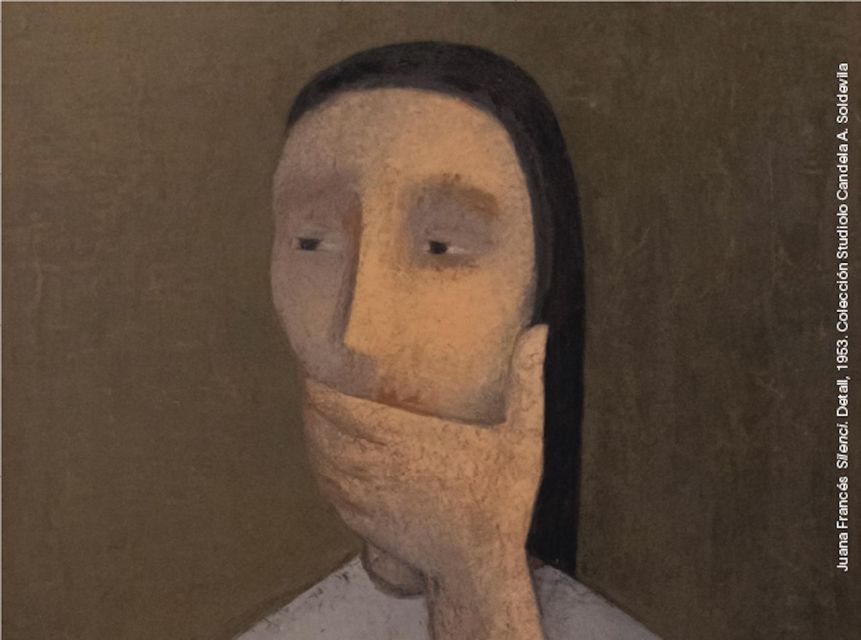
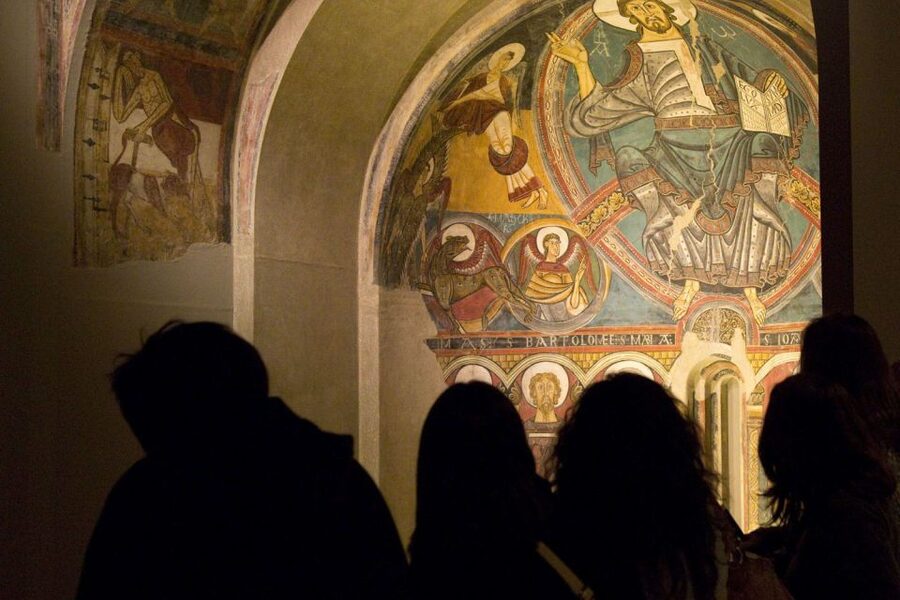
Museums often start with something easy to recognize. MNAC is different. The experience is designed so that early on, you land in the deep end of medieval art, especially the Romanesque tradition.
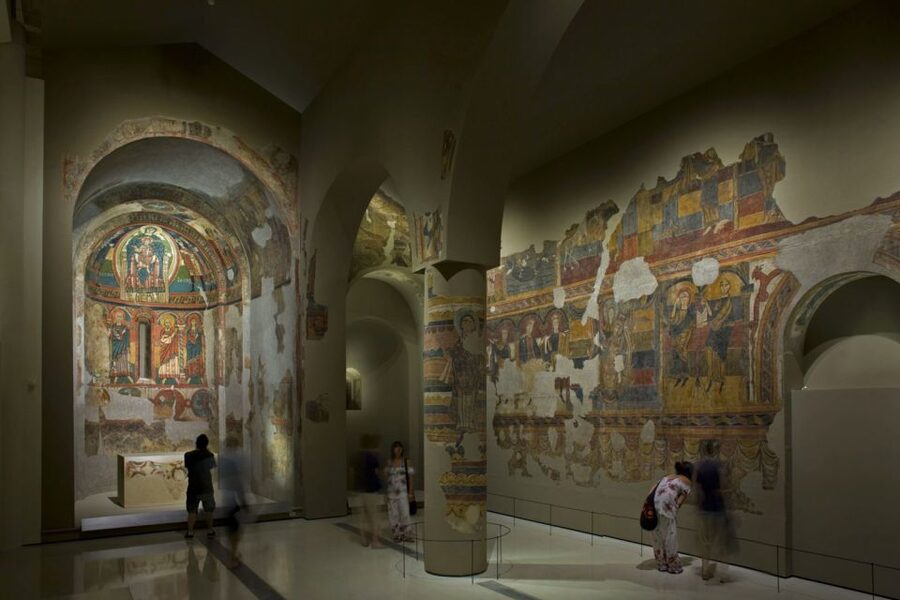
Plan to spend more time than you think on the first stretch. Romanesque mural paintings are not like a single painting on a wall that you glance at and move on. They are bigger, more detailed, and they reward close looking. MNAC is known for these murals, and they are the main reason many people put this museum on their Barcelona list.
A nice advantage of starting with the medieval material is that it gives context. By the time you climb toward later periods, Catalan Modernism and later European painting feel less random. They start making cultural sense, not just visual sense.
Also pay attention to how the museum presents these works. One visitor specifically highlighted how art removed from old churches is displayed in a way that feels like it is still in place. That display choice makes the murals feel less like “museum objects” and more like stories.
Catalan Modernism upstairs: where Gaudí and Casas fit in
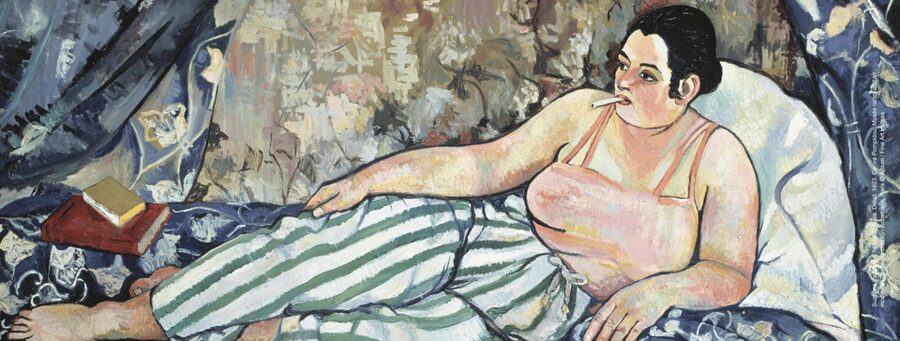
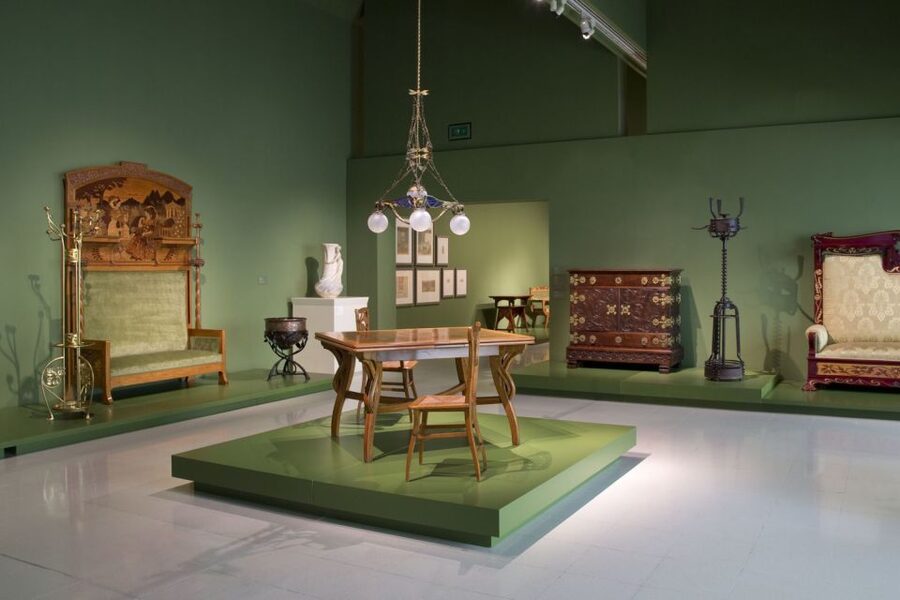
After the Romanesque focus, MNAC opens into Catalan Modernism. This is where you can connect the dots between the Barcelona you see on streets and the art you see hanging on walls.
Here is where your ticket starts to feel like it has multiple “mini-museums.” You get major Catalan figures like Gaudí and Casas in the mix of the collection. Even if you only know Gaudí from architecture headlines, it helps to see how ideas from the city show up in art inside.
On this upper stretch, you are also in territory that can be more approachable if you are not a medieval specialist. The museum is not asking you to be an expert. It is asking you to notice. The galleries are organized to move you along without feeling chaotic, and the audio guide helps you keep up if you want background.
European Renaissance and Baroque: Tiziano and Velázquez moments
MNAC also includes European Renaissance and Baroque painting, including heavyweight names like Tiziano (Titian) and Velázquez. The museum is building a conversation across centuries, and this is where that conversation becomes obvious.
If you love big art names, this is the section you will want to slow down for. If you do not, it is still worth focusing your time here because the style changes are the whole point of visiting rather than just reading a few labels.
I like to think of these galleries as the museum’s “breathing room after the weight of murals.” After medieval detail, Renaissance and Baroque art can feel more dramatic and more human in the way it uses light, gesture, and composition. You might not memorize every painting, but you will remember the mood shifts.
Photography collections: a useful side route when you want variety
The museum also has a collection of photography. That matters because it gives you a change of pace. When you are spending a long time in art museums, a single “break genre” can keep your brain from going on autopilot.
Even if you do not plan to read every caption, photography can be a quick reset. It also helps you see the museum’s interest in documenting and preserving culture, not just displaying paintings.
If you like cross-media thinking, make time for it. If you are short on time, treat it like a targeted stop. Spend enough to notice how the photographic works connect to the broader collection, then move on.
The Palau Nacional building: 1929 history you can actually feel
You are not just visiting rooms. You are visiting a building with its own story. Palau Nacional was built for the International Exposition of 1929, and the museum gives you chances to learn about that history during your visit.
That building context is not trivia. It changes how you experience the museum because the architecture sets expectations. You enter a place designed for spectacle, and then you fill that space with art from multiple eras. The result is that you do not feel trapped inside a “quiet art box.” You feel inside a cultural statement.
One of the most practical benefits of a historic building like this is wayfinding. Reviews often point out that signage and layout make it easier to navigate. So you can focus on looking, not wandering.
- Barcelona: Casa Batlló Entry with Self-Audioguide Tour
- Barcelona: 24 or 48-Hour Hop-On Hop-Off Bus Tour
- Barcelona: Park Guell Guided Tour with Skip The Line Entry
- Barcelona in 1 Day: Sagrada Familia, Park Guell,Old Town & Pickup
- Barcelona: City Sightseeing Hop-On Hop-Off Bus Tour
- Fast Track Sagrada Familia Guided Tour
- Montserrat Half-Day Tour with Tapas and Gourmet Wines
- Barcelona: Montserrat Tour with Cog-Wheel & Black Madonna
Rooftop and terraces: what to do if they are closed
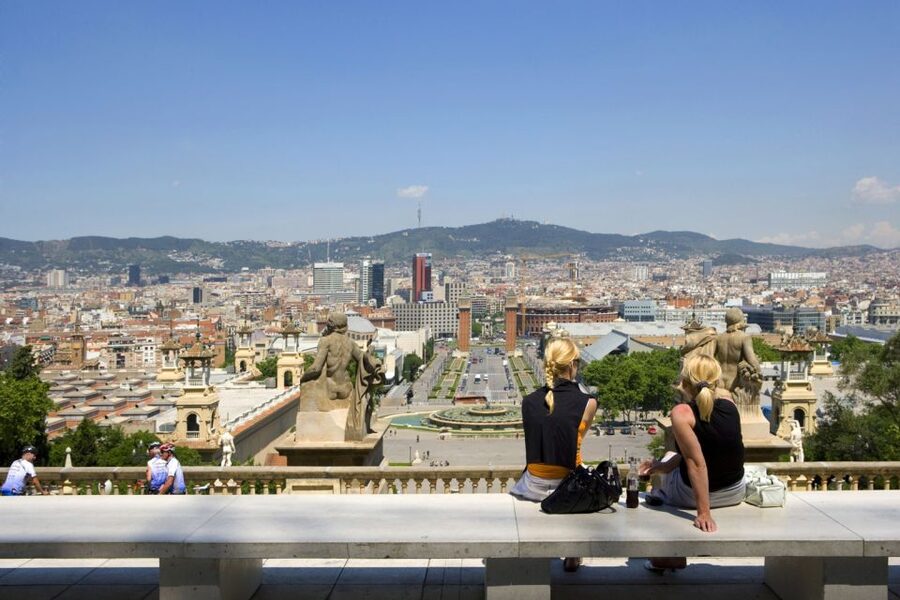
The rooftop and terraces are temporarily out of service right now due to health regulation requirements. That is the big headline for anyone coming for skyline photos.
Still, you are on Montjuïc, so you will not be totally shut out from the view. You can use other vantage points around the area for photos, and you can still enjoy the general “Barcelona from above” feeling that the neighborhood gives.
If you had your heart set on the highest viewpoints, treat the visit as a two-part plan: museum time first, then a quick outside circuit where you find your best photo angles on the ground. It might not be the rooftop, but it still scratches the same itch.
Also, keep an eye on outdoor features. One visitor noted an outdoor waterfall was not running during their visit, so if you expect a specific outdoor effect, understand it can vary by day and operations.
Temporary exhibitions: how to use them without losing your main focus
Your ticket also includes a temporary exhibition. That is good because MNAC is not just one fixed show forever. It means you can catch something different from your friends who visited in another season.
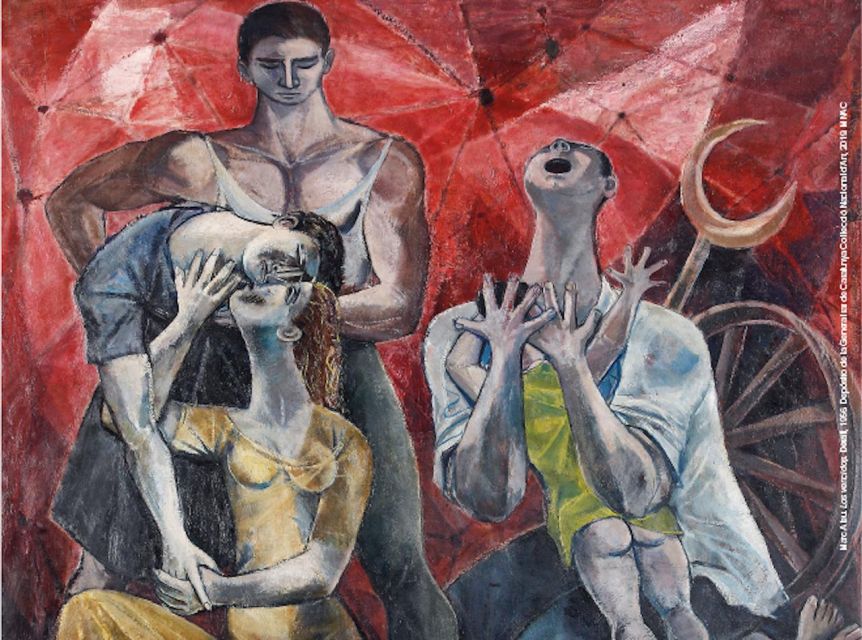
One useful tip: if a Spanish Civil War exhibit is part of what is on view during your dates, it is worth planning time for. At least one person described it as incredibly moving. That is the kind of emotional stop that can anchor your whole museum visit.
How to balance temporary and permanent collections? I recommend you choose your “must-see lane” first, then use the temporary exhibit as flexible time. If you get carried away in the permanent galleries, you will still have covered the core reason to come.
Timing that works: how long to stay, and when not to rush
MNAC is not a 45-minute quickie. The museum layout uses two floors, and you should plan on spending a couple of hours to see it all. If you are a slower looker, expect more. Some visitors suggest 2+ hours, and others recommend allowing 4 hours, especially if you want time for everything without rushing.
The end-of-day cutoffs make early or mid-day planning smarter. Since ticket offices close 30 minutes before closing and rooms empty 15 minutes before closing, aim to arrive with enough buffer to finish a gallery loop.
If you tend to museum-sprint, it still helps to pick a route at the start. Start with Romanesque, then go up through Modernism and into the European painting sections, and only then use temporary exhibitions and photography as finishing touches.
Comfort and small annoyances: heat, bathrooms, and breaks
Montjuïc can be hot, especially in summer. One review noted it can get exhausting in the heat while going up, but also mentioned that there are bars along the steps and escalators that help you catch your breath. So build in a few pause moments.
Bathrooms can be a weak spot in any large museum. One visitor specifically said the toilets felt small, cramped, and not especially clean. That does not mean every visit is the same, but it is a good reason to plan bathroom breaks earlier rather than later, especially if you are going with kids or mobility needs.
There is also on-site cafe time. Several reviews mention relaxing in cafe areas and enjoying snacks or drinks outside. If you want a museum day that does not feel like a grind, this is how you make it work.
Accessibility and getting around inside
The experience is listed as wheelchair accessible. That is the big headline.
In practice, reviews mention elevators nearby for reaching upper levels. The museum is large and you will likely do some walking, so if you have mobility limits, use a slower first-pass route and rely on elevators when they make sense.
If you are coming with someone who needs extra time, consider a mid-morning arrival so you do not feel rushed by closing cutoffs.
Who this MNAC ticket suits best, and who might skip
This ticket fits best if you want a museum day with real variety. You should be happy here if you like Romanesque mural paintings, want to see how Catalan Modernism fits into the bigger European story, or simply want a grand setting with a lot to look at.
It also works well for people who like pairing art with a view. Even with the rooftop closed right now, the Montjuïc location keeps the city present in the background.
You might skip or adjust expectations if you only want an easy, quick museum. MNAC rewards time. Also, if the rooftop view is the whole reason for your trip, the temporary closure is a factor you should not ignore.
Should you book this MNAC entrance ticket?
I think it is a smart buy for most first-time visitors to Barcelona, mainly because your ticket covers more than one “art mood.” You get the core permanent collection, a temporary exhibition, and a multilingual audio guide app, all in a building that already feels like part of the show.
Book it if you want a structured art day without needing a guided tour. If you are trying to design an itinerary around sights that you can do in between beach and old town wandering, this museum slots in well.
Hold off only if your dates are extremely tight or rooftop views are non-negotiable for you. In that case, you can still visit MNAC, but plan to swap rooftop photos for other viewpoints around Montjuïc.
FAQ
Where is the Museu Nacional d’Art de Catalunya meeting point?
The meeting point is Palau Nacional s/n, Parc de Montjuïc, 08038 Barcelona.
How much time should I plan for the visit?
Plan on spending a couple of hours to see what you want across the two floors. Some people recommend longer if you want extra time.
What is included with the entrance ticket?
Your ticket includes admission to the permanent collection, admission to temporary exhibition, and an audio guide app for your smartphone.
What language options are available for the audio guide?
The audio guide app includes Catalan, Spanish, English, French, German, Italian, Russian, Japanese, and Chinese.
Do I need to bring anything?
Bring headphones and a charged smartphone so you can use the audio guide app.
Is there a skip-the-line option?
Yes, the ticket is described as a skip-the-ticket-line entrance.
Are the rooftop and terraces available?
The terraces and rooftop are temporarily out of service due to health regulation requirements.
When do ticket offices and rooms close?
Ticket offices close 30 minutes before the museum closes, and rooms are emptied 15 minutes before closing time.
When is museum entry free?
Entry is listed as free on Saturdays from 15:00 onwards, the first Sunday of each month, 12 February (Santa Eulàlia), 18 May (the International day of Museums), 11 September (the national day of Catalonia), and 24 September (Day of la Mercè).
Tickets: the rest of our Barcelona write-ups
- Barcelona: Sagrada Familia Entry Ticket with Audio Guide
★ 4.6 · 105,312 reviews - Barcelona: Park Güell Admission Ticket
★ 4.4 · 76,534 reviews - Barcelona Aquarium: Entry Ticket
★ 4.3 · 13,335 reviews - Barcelona: Sagrada Familia Skip-the-Line Entry Ticket & Tour
★ 4.8 · 12,789 reviews - Barcelona: FC Barcelona Museum “Barça Immersive Tour” Ticket
★ 4.4 · 10,944 reviews
Fresh off the desk: recent Barcelona experiences we have written up





Tickets, side by side.
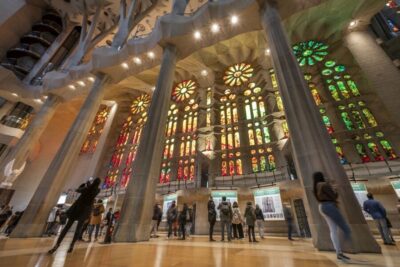 ★ 4.6Barcelona: Sagrada Familia Entry Ticket with Audio GuideFrom $39105,312 reviews
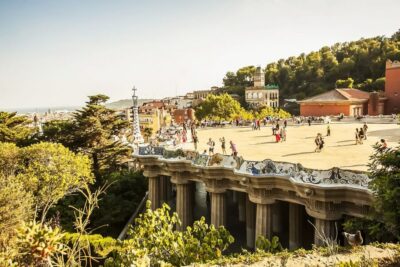 ★ 4.4Barcelona: Park Güell Admission TicketFrom $2576,534 reviews
 ★ 4.6Seville: Royal Alcázar Entry TicketFrom $2328,378 reviews
 ★ 4.5Seville: Cathedral and La Giralda Entry TicketFrom $2024,592 reviews
 ★ 4.5Madrid: Tour Bernabéu Entry TicketFrom $4121,573 reviews
 ★ 4.7Granada: Alhambra & Nasrid Palaces Tour with TicketsFrom $6419,801 reviews
 ★ 4.6Madrid: Prado Museum Entry TicketFrom $2117,509 reviews
 ★ 4.7Seville: Live Flamenco Dancing Show Ticket at the TheaterFrom $2716,396 reviews