
Reviewed · AUDIO TOURS
Barcelona: Mies van der Rohe Pavilion Ticket and Audio Guide
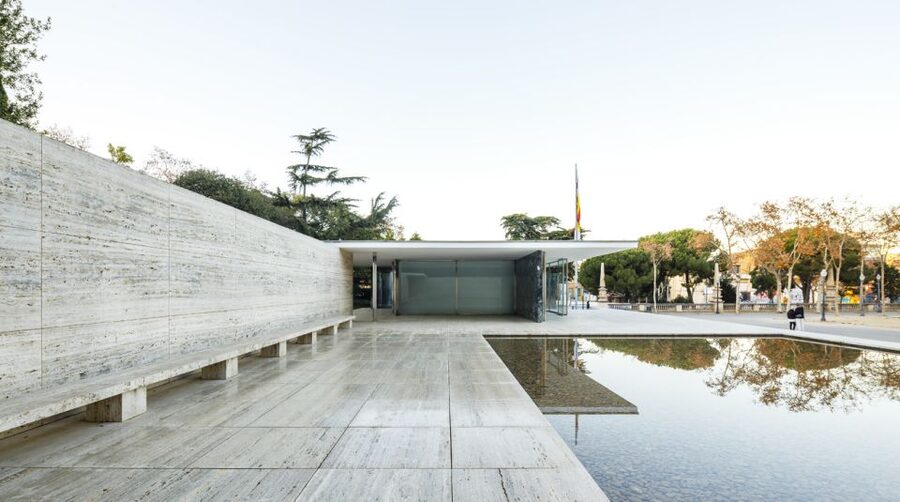
A single room can change how you see buildings. The Mies van der Rohe Pavilion is modern architecture stripped to essentials, and it rewards slow looking more than rushing. I really like how the space feels quiet despite being in the middle of Barcelona, and you can tell why architects still study it.
What I love most is the purity of the forms. The whole place is built around clean lines, crisp edges, and that deliberate push-pull between inside and outside. One possible drawback: the pavilion is intentionally minimal, so if you expect a big, multi-building attraction, this can feel like a short visit for the ticket price.
In This Review
- Key Points You Should Know Before You Go
- Where the Pavilion Fits Into Barcelona (and Why It Feels Calm)
- Getting In Smoothly With Skip-the-Line Entry
- The Audio Guide: Your 5-Language Shortcut to Understanding
- What You’ll See When You Walk the Pavilion
- The 1929 Story and the 1986 Reconstruction You Can Read in the Space
- Materials From Afar: Why the Palette Matters
- Practical Rules That Affect Your Visit
- Price and Value: Is About $10 Worth It?
- Who This Is Best For (and Who Might Skip It)
- Should You Book the Mies van der Rohe Pavilion Ticket?
- FAQ
- How much does the Barcelona Mies van der Rohe Pavilion ticket cost?
- How long is the visit?
- Is the audio guide included, and what languages are available?
- Can I skip the ticket line?
- Is the pavilion wheelchair accessible?
- Are pets, food, or tripods allowed?
- Are there times when the pavilion appearance could be different?
Key Points You Should Know Before You Go
- Audio guide included in 5 languages (Spanish, Catalan, English, French, German)
- A calm, design-first visit in one of the city’s most famous modern spaces
- Architecture history you can actually see, not just read about
- Reconstruction matters: rebuilt in 1986 on the original site after the 1929 exhibition
- You may share the space with photo sessions, since professionals use it for shoots
- Plan to arrive on time, since it’s a timed entry experience
Where the Pavilion Fits Into Barcelona (and Why It Feels Calm)
Barcelona is loud in the best ways, but the Mies van der Rohe Pavilion is the opposite mood. Step inside, and the experience turns into a study of proportion and light. You’re not looking at decoration. You’re looking at decisions, made with restraint, and you start to notice how materials and geometry can do the work that ornament usually does.
You’ll also appreciate the contrast. Outside, the city moves on. Inside, your eyes slow down because everything is organized into simple relationships: planes, edges, and openings. It makes you feel like you’re walking through an idea. For me, that’s the real reason this ticket is worth it. You come for architecture, but you leave with a new way to look at everyday buildings too.
One more thing: the pavilion is used for professional photography and creative shoots. That can be a nice bonus, because it shows how active and modern the space still feels. Just be ready for the occasional set-up or pose in the background.
Getting In Smoothly With Skip-the-Line Entry
This is sold as an entry ticket with skip-the-line access, and that matters here. The pavilion experience is about pacing, so you do not want to lose your time waiting when you could be inside learning how the space works. The ticket is valid for 1 day, and you’ll want to check available starting times when you book.
When you arrive, give yourself a few minutes to settle in before you start the audio guide. If your start time is strict, arrive close to it. I find that helps you avoid that rushed feeling that ruins a calm architectural visit.
Also note the pavilion can host artistic interventions at times. That means the appearance may change. This is not a bad thing, but it is something you should know so you are not surprised when the space looks slightly different than the photos you saw online.
Reviewed and rated alongside this one, further Tickets in Barcelona





The Audio Guide: Your 5-Language Shortcut to Understanding
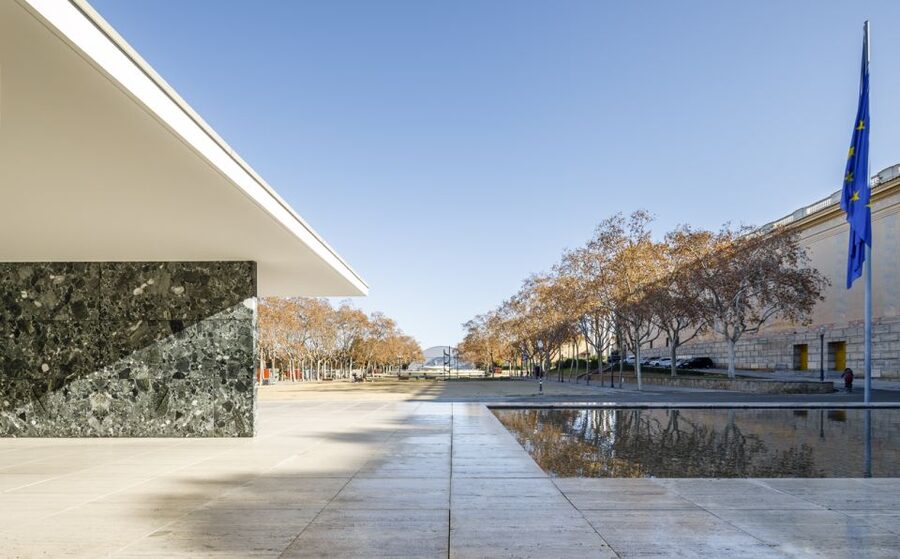
The audio guide is included, and it’s one of the best parts of the ticket. If you only stand and look, you can still enjoy the design. But with the audio guide, you learn what to look for, why the decisions were made, and how the pavilion became a Modern Movement benchmark.
You get audio in Spanish, Catalan, English, French, and German. Pick the language you’ll actually use, not the one you wish you knew. The pavilion rewards attention, so using the audio you understand will keep you engaged instead of mentally translating.
How I’d use it: don’t treat it like a script you must finish. Think of it like a set of prompts. Pause your walking when something clicks, then move again when the guide shifts to a new detail. The pavilion is not huge, so you can easily follow along without feeling like you’re sprinting between sections.
A practical tip: at the start, quickly confirm you have the audio guide you expected. There’s nothing worse than getting a little confused right when your attention is starting to focus. If you notice anything off, address it immediately so you don’t lose the flow.
What You’ll See When You Walk the Pavilion
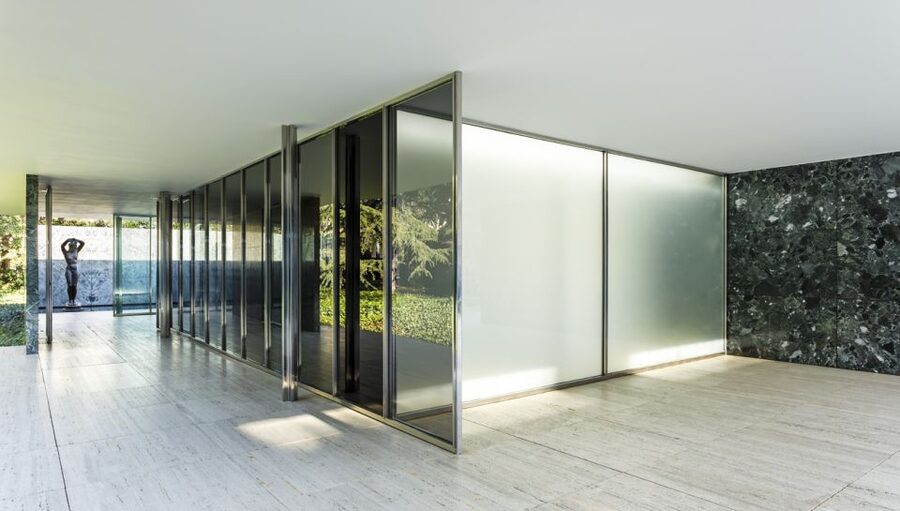
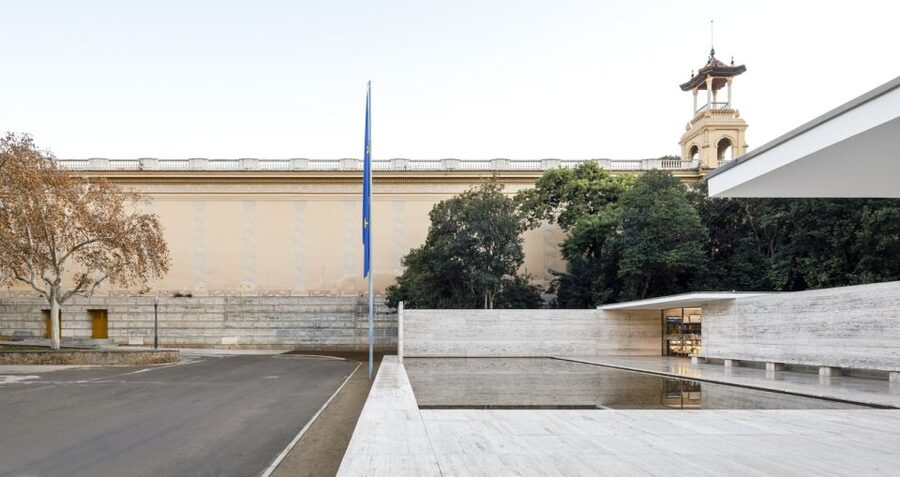
The pavilion is designed to feel like a carefully balanced jewel of modern architecture. You’ll notice the linear interplay between interiors and exteriors, which is a fancy way of saying the building blurs the boundary between what’s inside and what’s outside.
Here’s what to look for as you move:
- Clean planes and precise lines that frame views rather than decorate them
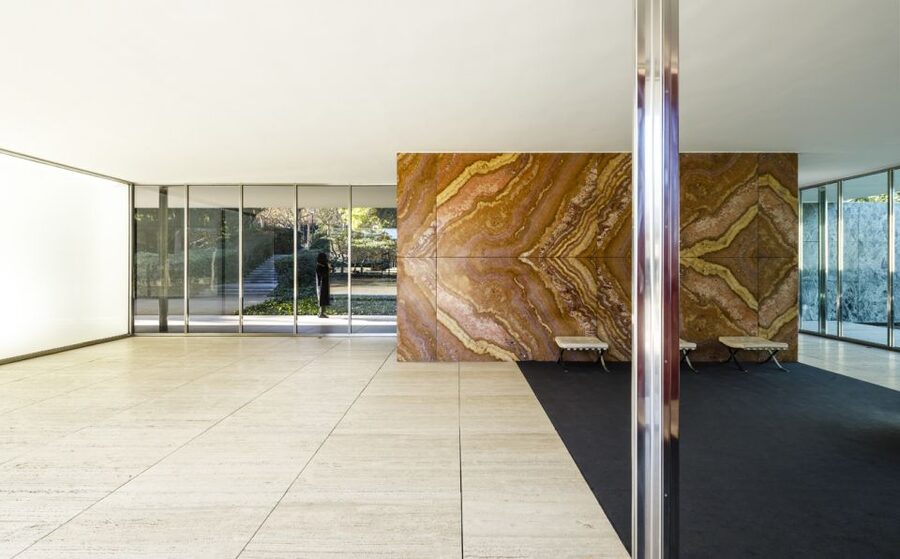
- Contrasts in material and tone that make the structure feel both solid and light
- The sense that the space has been composed, like a stage set for walking and pausing
Because the design is pared down, your brain starts doing the work. You’ll naturally start comparing surfaces, edges, and open sightlines. It’s a small space with big visual impact.
You might also spot visitors stopping to photograph. Since professionals and models use the pavilion, you can end up seeing the building through a lens, almost literally. If that happens, don’t panic. Just step to the side and take your time. The pavilion is still the point, and the design holds up from every angle.
If you have energy after the main experience, there may be a short nature trail near the site. That’s the kind of optional add-on that helps if you want your architecture visit to connect to a bit of fresh air.
The 1929 Story and the 1986 Reconstruction You Can Read in the Space
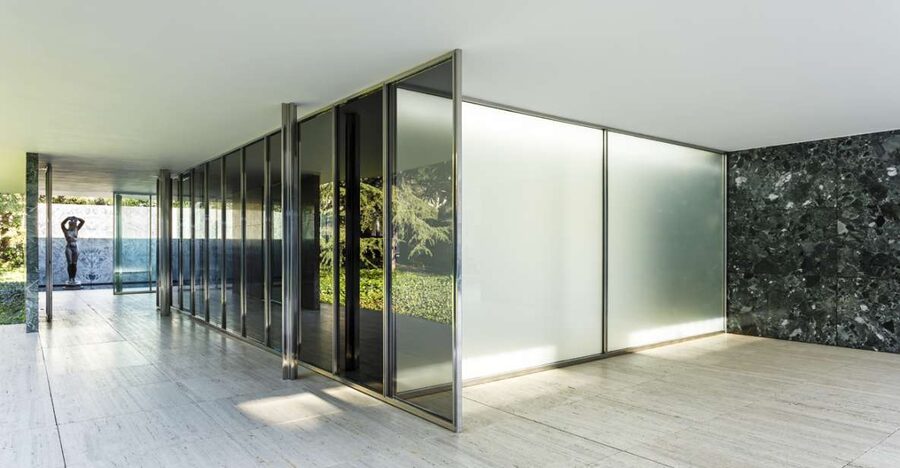
A big part of what makes this pavilion special is the story behind it. Designed by Ludwig Mies van der Rohe and Lily Reich, it served as the German national pavilion for the 1929 Barcelona International Exhibition. After the event ended, the pavilion was dismantled.
That detail changes how you should think about what you’re seeing today. The pavilion you visit is not a casual survivor. It’s a carefully reconstructed work.
The reconstruction reopened on its original site in 1986. That means the design exists not only as a building, but as a preserved cultural moment. When you understand that, the pavilion feels heavier in meaning. You start to realize the materials and proportions were worth preserving, because they represent a turning point in modern architecture.
The audio guide helps connect those facts to the physical space. As you listen, pay attention to how the pavilion handles simplicity. Its forms are described as pure and sober, and it really is that. Instead of visual noise, it uses balance: how solids sit next to voids, how edges align, and how openings direct your attention.
Materials From Afar: Why the Palette Matters
One of the most concrete pieces of information you get with this visit is about the material palette. The pavilion uses carefully chosen materials brought from the Alps, Tivoli, Atlas, and Tinos. Even if you do not know each source, the idea matters.
It means the look is intentional down to the geology and texture. The pavilion isn’t just built. It’s assembled with a specific visual and tactile plan. When you see it in person, you can understand why architects cared so much. This is modernism at its most controlled.
So when you’re standing in the pavilion, treat materials like characters:
- Notice where the tones shift.
- Watch how surfaces reflect light differently.
- Look at how the palette supports the geometry instead of distracting from it.
This is also why the visit works even if you are not a hardcore architecture fan. Materials are human-scale. Your eyes can feel the difference between calm and chaos in a way facts on a page cannot.
Practical Rules That Affect Your Visit
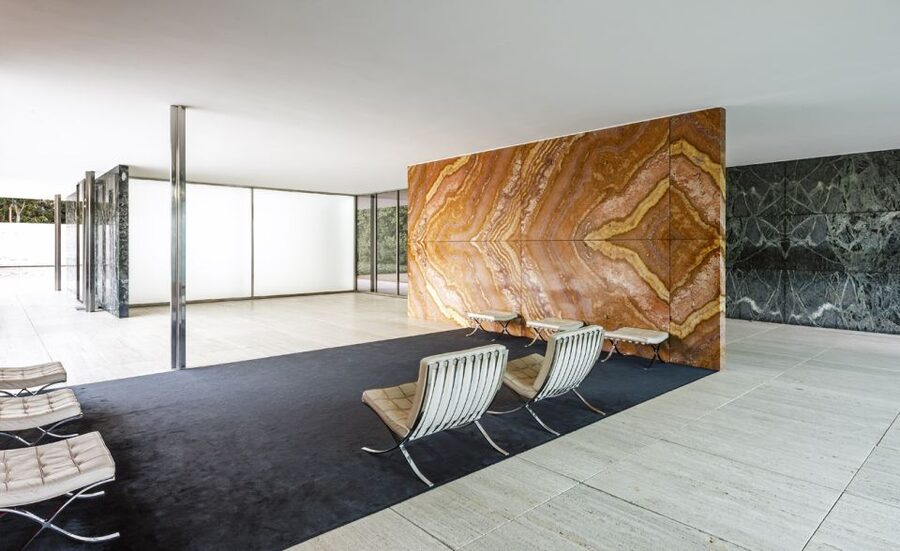
This is a protected site, so you’ll notice rules. They are not meant to ruin your day, they just keep the building safe and the experience respectful.
Here’s what is explicitly not allowed:
- Smoking
- Food and drinks
- Pets, except assistance dogs
- Tripods
If you’re traveling with a bag, it helps to keep it simple. If you’re using a camera, plan for handheld photos rather than setting up tripods.
Also remember opening hours may change, and artistic interventions may alter the appearance. If your visit is time-sensitive, double-check the hours close to your day.
Reviewed and rated alongside this one, further Guided in Barcelona
- Barcelona: Park Guell Guided Tour with Skip The Line Entry
- Park Guell Guided Tour with Skip the Line Ticket
- Montserrat, Girona & Costa Brava Guided Day Trip from Barcelona
- Barcelona: Sagrada Familia Priority Access Guided Tour
- Barcelona: Sagrada Familia Guided Tour with Tower Access
- Barcelona: Sagrada Familia Skip-the-Line Guided Tour
- Barcelona: Palau de la Música Self-Guided Tour
- Barcelona: Picasso Museum Skip-the-Line Guided Tour
Price and Value: Is About $10 Worth It?
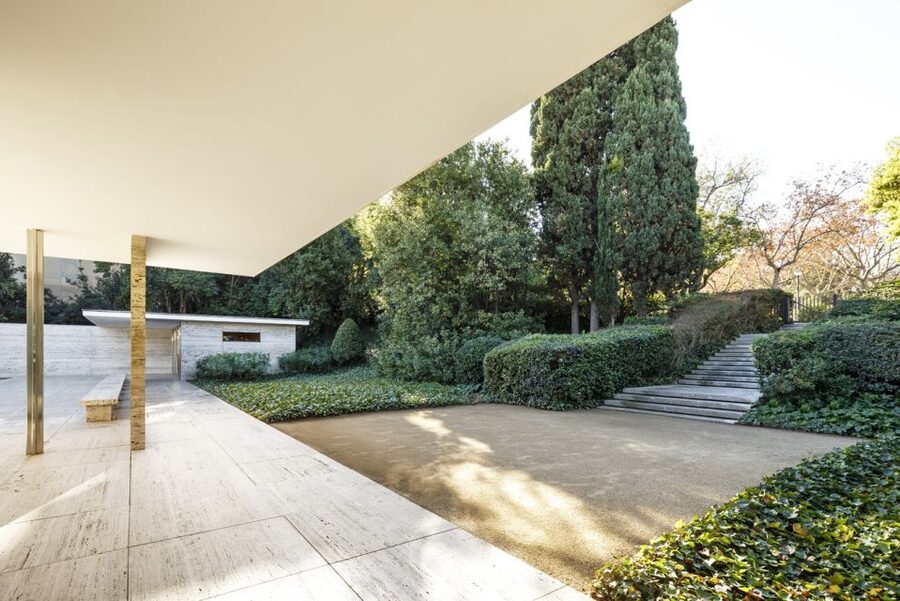
At $10 per person, this ticket sits in the “small price, big impact” category for architecture lovers. The pavilion is not a sprawling complex, and you will not spend all day wandering. That’s the trade-off.
But what you pay for is focus:
- Skip-the-line entry saves you time.
- The audio guide turns the pavilion from a pretty design into an understandable, historically grounded work.
- The reconstructed story, including the 1986 reopening, gives context without requiring you to read a book.
So the value depends on your goal. If you want a deep architecture learning experience in a short, calm setting, it’s a fair deal. If you want a full-day attraction with lots of rooms and exhibits, the minimal scale may leave you thinking you wanted more.
One more balanced note from how people talk about it: some visitors feel strongly that this kind of landmark should be free. I get that reaction. Still, paying a modest fee for preservation, access, and interpretation is what keeps sites like this functioning.
Who This Is Best For (and Who Might Skip It)
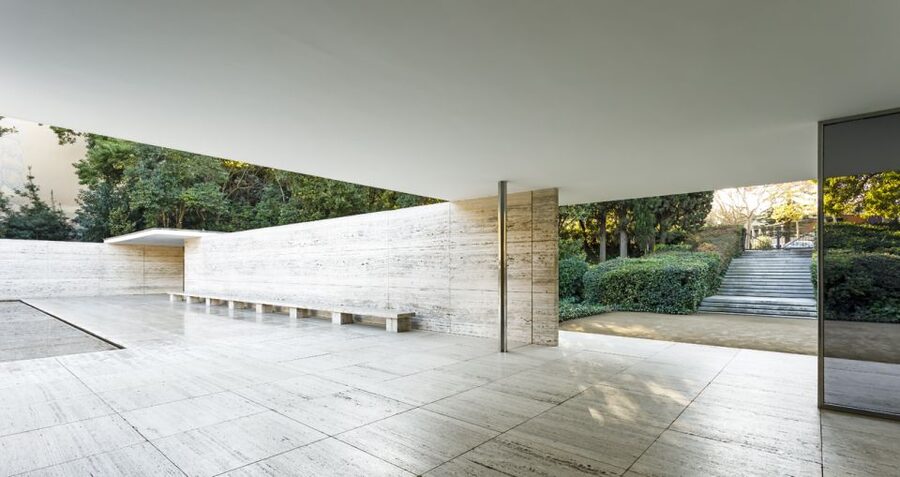
This experience is ideal if you:
- Love architecture, design, or modern art
- Prefer quiet, paced visits over crowded museum marathons
- Want a short, meaningful stop that teaches you how buildings work
- Enjoy audio guides that point out what your eyes might miss
It might not be your best match if you:
- Want a large museum-style experience with lots of content
- Are visiting mainly for big ticket sights and do not care about design history
- Need a long, busy itinerary to feel like you did enough
If you’re somewhere in the middle, you can still make it work by pairing it with other nearby sights in the same area. The pavilion’s strength is that it changes your perspective, and then you take that lens into the rest of your Barcelona day.
Should You Book the Mies van der Rohe Pavilion Ticket?
Yes, if you care about design and want a calm, high-impact visit with built-in interpretation. The pavilion is short on clutter and long on meaning, and the audio guide is the key that makes the visit click. At around $10, you’re not paying for a big show. You’re paying for access to a benchmark work of modern architecture plus a guide that helps you see what matters.
Book it if you like the idea of stepping into a space where the inside and outside trade places, and where history is preserved through careful reconstruction. Pass or adjust expectations if you’re looking for a full-day attraction or if the minimal scale will feel too slight.
If you do go, go at a relaxed pace. Let the simplicity do its job.
FAQ
How much does the Barcelona Mies van der Rohe Pavilion ticket cost?
The price is listed as $10 per person.
How long is the visit?
The ticket is valid for 1 day, and you can check availability to see starting times.
Is the audio guide included, and what languages are available?
Yes. The audio guide is included and available in Spanish, Catalan, English, French, and German.
Can I skip the ticket line?
Yes, the ticket includes skip-the-ticket-line access.
Is the pavilion wheelchair accessible?
Yes, the pavilion is wheelchair accessible.
Are pets, food, or tripods allowed?
No. Pets are not allowed (assistance dogs are allowed). Food and drinks are not allowed, and tripods are not allowed.
Are there times when the pavilion appearance could be different?
Yes. Occasionally the Pavilion hosts artistic interventions, which may alter its appearance. Opening hours may also change.
Our other Self-Guided Tours across Barcelona
- Barcelona: Sagrada Familia Entry Ticket with Audio Guide
★ 4.6 · 105,312 reviews - Barcelona: Palau de la Música Self-Guided Tour
★ 4.6 · 3,603 reviews - Casa Batllo Admission Ticket with Intelligent Audio Guide
★ 4.5 · 3,168 reviews - Barcelona: Montjuïc Cable Car Ticket with Audio Guide
★ 3.9 · 270 reviews
Guided: the rest of our Barcelona write-ups
- Barcelona: Sagrada Familia Entry Ticket with Audio Guide
★ 4.6 · 105,312 reviews - Barcelona: Park Guell Guided Tour with Skip The Line Entry
★ 4.7 · 17,563 reviews - Fast Track Sagrada Familia Guided Tour
★ 4.5 · 8,795 reviews - Park Guell Guided Tour with Skip the Line Ticket
★ 4.5 · 6,996 reviews - Barcelona: Sagrada Familia Skip-the-Line Guided Tour
★ 4.3 · 5,365 reviews
Tickets: the rest of our Barcelona write-ups
- Barcelona: Sagrada Familia Entry Ticket with Audio Guide
★ 4.6 · 105,312 reviews - Barcelona: Park Güell Admission Ticket
★ 4.4 · 76,534 reviews - Barcelona Aquarium: Entry Ticket
★ 4.3 · 13,335 reviews - Barcelona: Sagrada Familia Skip-the-Line Entry Ticket & Tour
★ 4.8 · 12,789 reviews - Barcelona: FC Barcelona Museum “Barça Immersive Tour” Ticket
★ 4.4 · 10,944 reviews
Fresh off the desk: recent Barcelona experiences we have written up







Audio Tours, side by side.
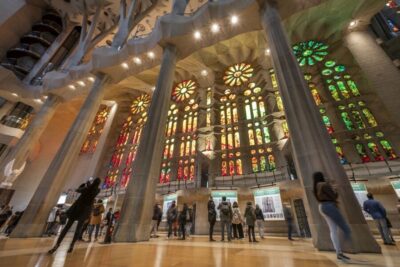 ★ 4.6Barcelona: Sagrada Familia Entry Ticket with Audio GuideFrom $39105,312 reviews
 ★ 4.1Granada: Alhambra Entry Ticket with Audio GuideFrom $665,950 reviews
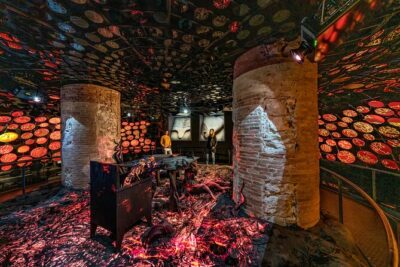 ★ 4.5Casa Batllo Admission Ticket with Intelligent Audio GuideFrom $543,168 reviews
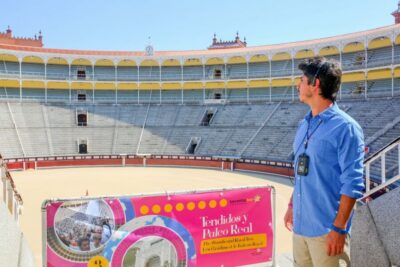 ★ 4.6Madrid: Las Ventas Bullring Tour with Audio GuideFrom $183,154 reviews
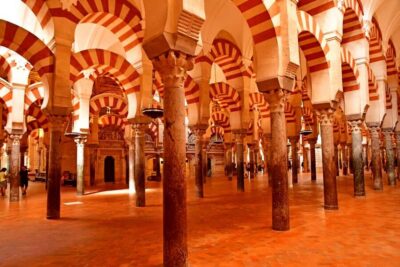 ★ 4.1Cordoba: Mosque-Cathedral E-Ticket with Audio GuideFrom $212,124 reviews
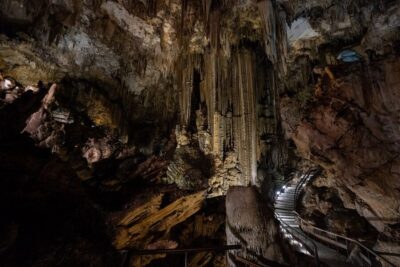 ★ 4.6Nerja: Caves of Nerja Entry Ticket with Audio GuideFrom $181,616 reviews
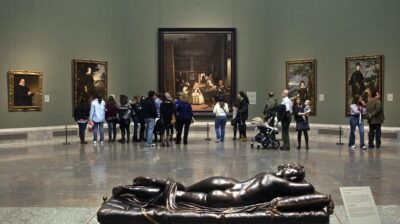 ★ 3.6Madrid: Prado Museum Ticket with In-App Audio GuideFrom $351,154 reviews
 ★ 4.2San Sebastian: Sustainable Catamaran Cruise with Audio GuideFrom $16527 reviews