
Reviewed · MUSEUMS
Barcelona Card: Museums + Transport for 72h, 96h or 120h
Barcelona can feel like a sprint. This card turns it into an easier, cheaper plan with unlimited public transport and museum access.
I like the way it lets you pick a 3-, 4-, or 5-day pass and then roam without re-buying tickets. I also love the mix of big-brand museums and smaller, oddly specific stops. One thing to watch: the card is not one magic barcode for everything, you’ll need a physical card for many museum entries, and some venues are discounted rather than free.
In This Review
- Key points before you commit
- Barcelona Card in 72 hours, 4 days, or 5 days, what it really gives you
- Getting the card and using Barcelona transit, especially from the airport
- Museum lineup: from Picasso and Gaudi-adjacent art to science and archaeology
- Picasso Museum (Museu Picasso)
- MUHBA, Barcelona’s history layer (Museu d’Historia de Barcelona – MUHBA)
- Joan Miró Foundation
- MACBA, modern and contemporary art (MACBA Museu d’Art Contemporani de Barcelona)
- MNAC, Catalonia’s national art museum (Museu Nacional d’Art de Catalunya)
- Fundació Antoni Tàpies
- CaixaForum
- CCCB, contemporary culture center
- CosmoCaixa, science with real wow moments
- Estadi Olímpic
- Jardin Botánico de Barcelona
- Joan Antoni Samaranch Olympic & Sports Museum
- Repeated MACBA and MNAC options in the access list
- Reial Monestir de Santa Maria de Pedralbes (Pedralbes Monastery)
- MUHBA Via Sepulcral Romana
- Museo del Perfume (Museu Del Perfum)
- Museo Egipci de Barcelona
- Museum of Archaeology of Catalonia (Museu Arqueologic de Catalunya)
- Museu de Ceramica
- Museu de Ciencies Naturals de Barcelona
- Museu de la Música
- Museu de la Xocolata (Chocolate Museum)
- Moco Museum Barcelona
- MNAC again (Museu Nacional d’Art de Catalunya)
- Gaudi and architecture discounts: where the card saves, and where it won’t
- A practical game plan for museum days, so your time stays your own
- Who this card is for, and who should consider other options
- Should you book the Barcelona Card?
- FAQ
- What’s included with the Barcelona Card?
- Can I choose how many days my Barcelona Card lasts?
- Does the card include airport transportation?
- Is transport unlimited for the whole time I use the card?
- Are museum entry tickets always free?
- Which major museums offer free admission with the card?
- Do I need a physical card for museum entry?
- What languages are the guide materials available in?
- Can I cancel for free?
Key points before you commit
- Unlimited metro and city buses for the full pass duration, so you move on your own time
- Airport connection included, but it’s specific: free train from Terminal 2 to the city only
- Free entry at many major museums, including Picasso, MACBA, and MNAC
- A lot of variety across art, science, archaeology, and modern design
- Some top sights are discounted, not included for free, so check what you really want
- Timed entries can happen, so plan a bit instead of winging everything
Barcelona Card in 72 hours, 4 days, or 5 days, what it really gives you
This is a pass built for a simple strategy: use public transit all day, then stack museum time when you want air-conditioning, shade, or a break from long walks. The card is sold as 3-, 4-, or 5-day options, and the value comes from using both sides of the deal, transport plus admissions.
The price shown is $72.89 per person, and the smart move is to decide how many museum hours you’ll realistically fit in. If you only do one museum per day, transport-heavy sightseeing still often makes the math work in your favor. If you do a museum a day (and maybe a second on a rainy afternoon), you’re using the card exactly how it’s meant to be used.
The best part is pacing. You are not locked into a tight group schedule. You can do one free museum in the morning, hop on the metro, and decide later if you want a second stop. That flexibility is a real benefit in Barcelona, where plans change fast based on lines, weather, and energy.
Getting the card and using Barcelona transit, especially from the airport
The Barcelona Card includes free unlimited travel on Barcelona public transport, including the metro and city buses. It also covers train service from the city area to the airport, but the free airport-to-city connection is specific: it’s the train from Barcelona Airport Terminal 2 to the city center only.
Two practical notes matter here:
- If you land at Terminal 1, you’ll need to transfer to Terminal 2 to use that free train benefit.
- The card “activates” when you use it on the public transport, and it’s valid for the number of days on your pass.
One more logistics point worth taking seriously: some museum entry points can require a physical card, not a screenshot or something stored only on a phone. This is especially important if you plan to breeze in with minimal fuss. The safest approach is to make sure you pick up the physical card at an information point when you arrive, then use it like the ticket it is.
Reviewed and rated alongside this one, further Museums in Barcelona



Museum lineup: from Picasso and Gaudi-adjacent art to science and archaeology
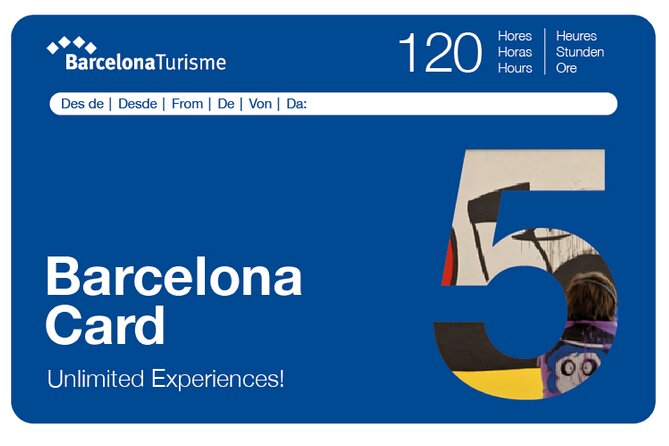
What you get is not just one museum circuit. It’s a menu of 27 museums and venues, with free admission at many stops. Below is how I’d think about the lineup, including what each kind of stop is best for, and what to consider so you don’t waste a precious free hour.
Picasso Museum (Museu Picasso)
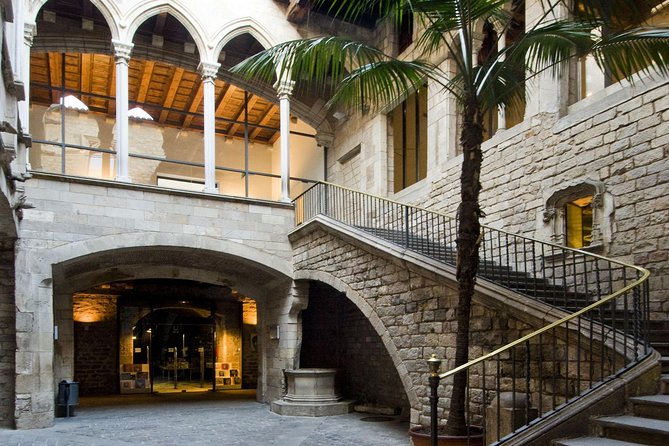
If you love art that’s intimate rather than massive, start here. The payoff is seeing Picasso through a lens that feels focused, and it’s a popular stop so it fits well with the card’s value idea: you want big names without paying each time.
MUHBA, Barcelona’s history layer (Museu d’Historia de Barcelona – MUHBA)
MUHBA is great when you want the city to make sense. Expect a historical perspective rather than pure museum-wall time, and it’s an easy pick when the city walk fatigue kicks in.
Joan Miró Foundation
This is a strong choice for modern art fans, and it also works if you’re not trying to “understand art” all day. The setting and the style make it feel like a clear break from typical gallery hopping.
MACBA, modern and contemporary art (MACBA Museu d’Art Contemporani de Barcelona)
MACBA is one of those museums that feels current even when you’re just there for the highlights. If your schedule includes an art day, this is a high-impact stop.
- Barcelona: Casa Batlló Entry with Self-Audioguide Tour
- Barcelona: 24 or 48-Hour Hop-On Hop-Off Bus Tour
- Barcelona: Park Guell Guided Tour with Skip The Line Entry
- Barcelona in 1 Day: Sagrada Familia, Park Guell,Old Town & Pickup
- Barcelona: City Sightseeing Hop-On Hop-Off Bus Tour
- Fast Track Sagrada Familia Guided Tour
- Montserrat Half-Day Tour with Tapas and Gourmet Wines
- Barcelona: Montserrat Tour with Cog-Wheel & Black Madonna
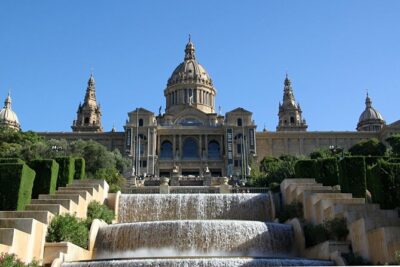
MNAC, Catalonia’s national art museum (Museu Nacional d’Art de Catalunya)
MNAC often becomes a “one museum becomes two” kind of place, because the collection is broad. It’s also a good stop for views nearby and for building a bigger picture of regional art.
Fundació Antoni Tàpies
This is for people who like art that leans toward material, texture, and big ideas. If you want something less straightforward than a standard museum day, this adds variety.
CaixaForum
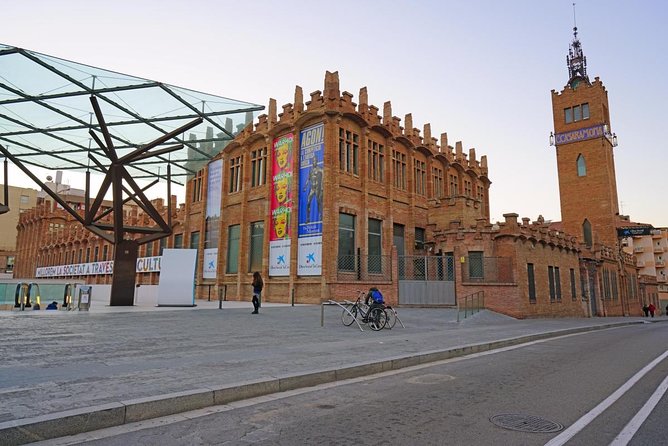
CaixaForum is a good flexible slot because it hosts exhibitions of ancient, modern, and contemporary art. If you want one “walk-in and see what’s on” type of museum time, this fits.
CCCB, contemporary culture center
CCCB is more than art-for-art’s-sake. It’s a culture stop, which can be a nice contrast if your museum day is otherwise heavy on galleries and paintings.
CosmoCaixa, science with real wow moments
If you have any curiosity about how the world works, CosmoCaixa is worth prioritizing. It has permanent exhibitions like Flooded Forest, Geological Wall, Room of Matter, and a planetarium. This is a smart way to keep the day balanced when art museums start to blur.
Estadi Olímpic
This one is for the Barcelona sports-and-city identity angle. If you like infrastructure that shaped the city, or you want an easy change from indoor museums, it’s a solid add-on.
Jardin Botánico de Barcelona
When the heat rises, botanic time can feel like a pressure release. It’s a different kind of sightseeing, and it pairs well with a museum or two when you want variety.
Joan Antoni Samaranch Olympic & Sports Museum
This pairs naturally with Estadi Olímpic. Together, they give you a fuller picture of how the Olympics influenced Barcelona’s story and built spaces people still use.
Repeated MACBA and MNAC options in the access list
You’ll see some places repeated in the access list, which is useful in practice because you can re-check availability. Just don’t assume it means you can enter multiple times per day. Use it as flexibility for timing across your stay.
Reial Monestir de Santa Maria de Pedralbes (Pedralbes Monastery)
This is the kind of stop that rewards slow attention. It’s tied to a monastery founded in 1326 and the long story of the Poor Clare nuns. If you like historical continuity and restored spaces, this is a standout.
MUHBA Via Sepulcral Romana
Roman archaeology underneath the city vibe is the best reason to include this stop. It’s a great “Barcelona is built on layers” experience, and it breaks up an art-heavy itinerary.
Museo del Perfume (Museu Del Perfum)
If you like sensory experiences, this one is fun. It’s different from the typical museum formula, and it’s an easy choice when you want something lighter and more unusual.
Museo Egipci de Barcelona
A focused Egypt stop works well when you don’t want to plan a whole expedition. This fits the pass idea nicely, because it’s another distinct theme without adding extra cost.
Museum of Archaeology of Catalonia (Museu Arqueologic de Catalunya)
Another archaeology pick, useful if you want to spend real time on material culture and ancient life. It also plays well after the MUHBA Roman sites.
Museu de Ceramica
Ceramics might not sound like the headline, but it can be genuinely satisfying. It’s a good option when you want craft and design, and it pairs well with modern design stops.
Museu de Ciencies Naturals de Barcelona
This is another strong science and nature angle. It helps keep your museum mix from turning into all-art-all-the-time.
Museu de la Música
Music museums can be a pleasant surprise if you enjoy instruments and how sound shapes culture. With the card, you can afford to be curious without paying extra each time.
Museu de la Xocolata (Chocolate Museum)
This is the playful one. Even if you’re not a hardcore chocolate person, it’s a friendly break in the day and a good way to keep kids (or kid-like adults) happy.
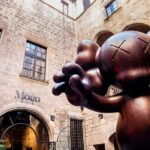
Moco Museum Barcelona
This is listed as free admission to MOCO Museum. It’s a modern art stop that’s often good for an hour, when you want something fast and fun.
MNAC again (Museu Nacional d’Art de Catalunya)
MNAC’s value comes from scale and collection depth. If you want to spend a longer block there on one of your best-energy days, put it near the middle of your trip.
Gaudi and architecture discounts: where the card saves, and where it won’t

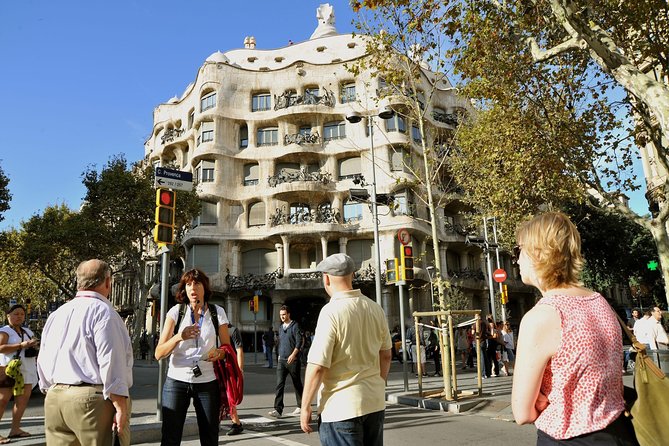
The card is excellent for public transit and it shines on a lot of museums, but it’s not the same as a pure “pay nothing for Gaudi monuments” pass. Some of the biggest names come with discounts rather than free entry.
On the discount list, you’ll find things like Casa Batlló (3 € discount), Casa Milà La Pedrera (3 € discount for La Pedrera Essencial adult entrance), and Cripta Gaudí de la Colònia Güell (20% discount). You’ll also see Palau Güell and Palau de la Música Catalana (25% discount each), plus Sant Pau Recinte Modernista (20% discount) and Sant Pau plus several modernist and design related places.
So here’s the decision rule I’d use: if a sight is something you truly care about, take the discount, then plan your timing like you would anyway. Don’t assume the card guarantees easy entry. One of the biggest practical messages from the broader experience is that top Barcelona sights often require separate booking and careful timing, and the card does not replace that.
Also note a common trip-wrecker: some attractions that sound like transport options are private and might not accept the card. Stick to the metro and city buses that match the included transit map, and treat anything outside that as “pay on your own terms.”
A practical game plan for museum days, so your time stays your own
This card rewards a simple pattern: group stops by neighborhood, then use transit to move between them when needed. If you’re doing “a museum a day,” you’ll keep it enjoyable. If you push for two museums per day, you can do it, but you’ll want one of them to be flexible, like an exhibition-based stop.
A good way to pace yourself:
- Pick one big museum anchor per day, like Picasso or MNAC.
- Add one smaller museum that matches your mood, like ceramics, perfume, or chocolate.
- Keep a backup indoor option for weather, like CaixaForum or CCCB.
Another practical advantage is that museum tickets can sell out on busy days. When that happens, having your card can still help you get in at some stops. It doesn’t mean every venue will handle it the same way, but the card’s value is strongest when you use it as a planning tool, not just a souvenir ticket.
Finally, remember that some museums may operate on set time slots. That means you should glance at timing before you commit, especially if you’re arriving late in the day or trying to stack multiple major museums.
Who this card is for, and who should consider other options

This is best for people who like to set their own rhythm. If you enjoy wandering, hopping on and off the metro, and choosing museums based on what you feel like that day, the card fits perfectly.
It’s also a strong match for first-time visitors who want to cover “the essentials” without buying a separate ticket every time you change your mind. The free transport piece is the glue that makes all the museum time feel easier.
If you only want a couple of museums total, or your main focus is a short list of Gaudi sights that need special booking, the card might feel less efficient. In that case, you might be better off paying for the specific tickets you care about, then using a simpler transit approach.
Should you book the Barcelona Card?
Book it if you’re doing at least a few museums and you expect to ride metro and buses a lot. This card is built for savings through volume, and you can feel that when you use multiple free admissions across a 3- to 5-day stay.
Skip or rethink it if you’re mainly hunting a handful of timed, high-demand sights and you don’t plan many other museums. The card helps, but it won’t magically replace separate planning for those big-name attractions.
If you do book, do one thing that pays off immediately: make sure you have the physical card in hand and know that some major attractions here are discounts, not free. That keeps the experience smooth and lets the card do what it does best, save you money while you keep control of your days.
FAQ
What’s included with the Barcelona Card?
You get the Barcelona Card plus a guide in six languages, a metro map, and access to 27 museums and venues. You also get free unlimited use of public transport including the metro and city buses.
Can I choose how many days my Barcelona Card lasts?
Yes. You can pick a pass valid for 3-, 4-, or 5-days.
Does the card include airport transportation?
It includes free train travel from Barcelona Airport Terminal 2 to Barcelona city center only. To use it, you collect your card at the airport and then use the public transport options to reach central Barcelona.
Is transport unlimited for the whole time I use the card?
Yes. The card provides free unlimited use of Barcelona public transport networks for the number of days shown on your pass, and using it on public transport activates it.
Are museum entry tickets always free?
Many participating museums are listed as free admission, but some attractions are offered as discounts instead of free entry. The card helps you save, but it is not guaranteed that every listed venue is free.
Which major museums offer free admission with the card?
The card includes free admission to places such as Museu Picasso, MACBA, and Museu Nacional d’Art de Catalunya (MNAC), along with other MUHBA sites and several themed museums.
Do I need a physical card for museum entry?
For many museum entries, you need to pick up and use the card in physical form at information points. Some venues may not accept a screenshot or phone-based version.
What languages are the guide materials available in?
The guide is provided in English, Catalan, Spanish, French, German, and Italian.
Can I cancel for free?
Yes, cancellation is free. You can cancel up to 24 hours in advance for a full refund.
Museums: the rest of our Barcelona write-ups
- Barcelona: FC Barcelona Museum “Barça Immersive Tour” Ticket
★ 4.4 · 10,944 reviews - Barcelona: Park Güell and Gaudí House Museum Entry Ticket
★ 4.5 · 6,326 reviews - Barcelona: Picasso Museum Skip-the-Line Guided Tour
★ 4.5 · 3,355 reviews - Girona & Dali Museum Small Group Tour with Pick-up from Barcelona
★ 5.0 · 2,965 reviews - Moco Museum Barcelona Banksy & More
★ 4.6 · 2,340 reviews
Fresh off the desk: recent Barcelona experiences we have written up




Museums, side by side.
 ★ 4.6Madrid: Prado Museum Entry TicketFrom $2117,509 reviews
 ★ 4.4Barcelona: FC Barcelona Museum “Barça Immersive Tour” TicketFrom $3510,944 reviews
 ★ 4.5Madrid: Reina Sofía Museum Entrance TicketFrom $146,889 reviews
 ★ 4.5Barcelona: Park Güell and Gaudí House Museum Entry TicketFrom $336,326 reviews
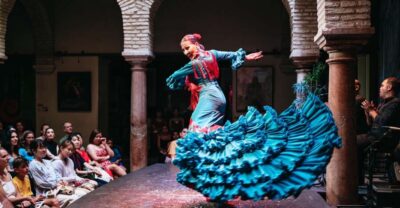 ★ 4.8Seville: Puro Flamenco Show with Optional Museum TicketFrom $346,088 reviews
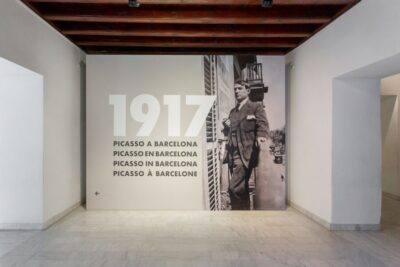 ★ 4.5Barcelona: Picasso Museum Skip-the-Line Guided TourFrom $443,355 reviews
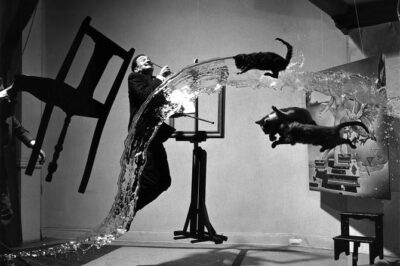 ★ 5.0Girona & Dali Museum Small Group Tour with Pick-up from BarcelonaFrom $1202,965 reviews
 ★ 4.4Valencia: Oceanogràfic, Hemisfèric & Science Museum ComboFrom $542,959 reviews
This tour also sits in