
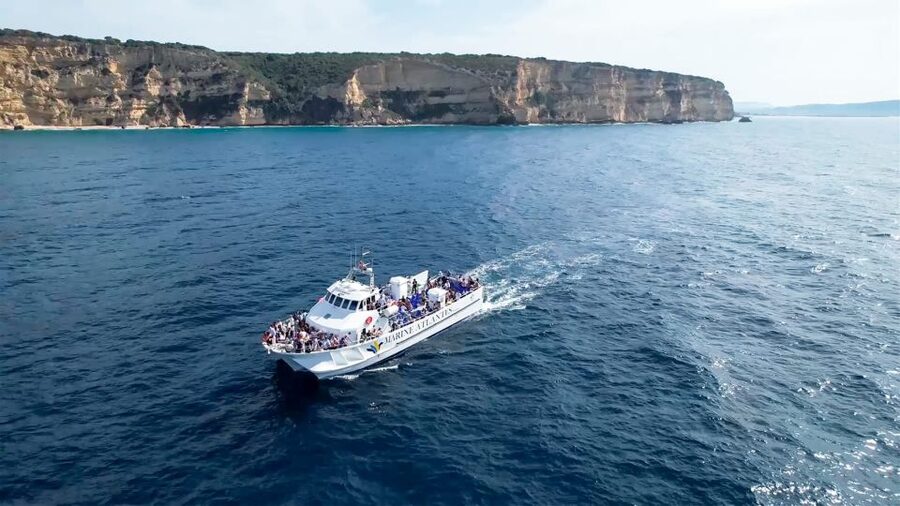
Reviewed · CÁDIZ AND THE COSTA DE LA LUZ
Barbate: Dolphin and Whale Watching in Cape Trafalgar
Big ocean eyes come to Cape Trafalgar. This 3-hour whale and dolphin watching trip out of Barbate is all about getting your boat into prime Atlantic search territory, with the chance to see whales gliding past and dolphins popping up close. You also get on-board guidance that helps you understand what you are looking at, not just hope for a quick sighting.
I like that it feels like good value for the time on the water, and the crew focus on spotting so the hunt stays active instead of turning into, well, just watching the horizon. The main drawback to plan for is choppy water, which can make the ride rough and trigger sea sickness for people who are sensitive.
In This Review
- Key things to know before you go
- From Barbate Marina to Cape Trafalgar, where the Atlantic does the talking
- How the 3-hour ride really works (and why timing matters)
- Spotting help on board: what the guides do for you
- What you can realistically hope to see: whales, dolphins, and other marine life
- Stop time at the marina: quick boarding at Marine Atlantes
- Sea sickness and choppy water: the one reality check
- Capture better photos in real Atlantic conditions
- Friendly crew energy, active searching, and why that affects value
- Price and value: is $41 for 3 hours a fair deal?
- Who this tour is best for (and who might want alternatives)
- Quick practical checklist before you head to the marina
- Should you book the Barbate dolphin and whale tour?
- FAQ
- How long is the whale and dolphin watching tour?
- Where does the tour depart from?
- What is included in the ticket price?
- Is food provided on board?
- Are pets allowed?
- Can I get a refund if I cancel?
Key things to know before you go
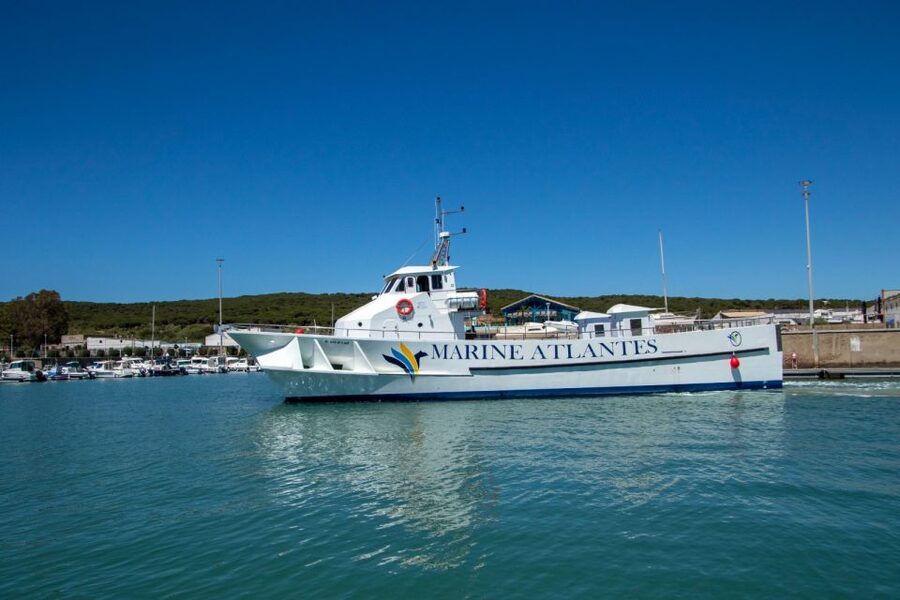
- Marine Atlantes departure: you board at the Barbate marina area and head out toward Cape Trafalgar.
- 3 hours at sea: enough time to search for cetaceans without feeling like you are stuck all day.
- Whales and dolphins are the stars: other marine life may show up too, but these are the targets.
- Guides help you spot: the commentary is part of the fun, though you may want backup ways to hear it clearly.
- No food on board: you should plan snacks or water on your own.
From Barbate Marina to Cape Trafalgar, where the Atlantic does the talking
The vibe starts right at the Marine Atlantes meeting point in Barbate. You board the boat, get oriented, and then you are out into open water fast enough that you can feel the day turn into something real. Cape Trafalgar is famous for dramatic coastlines, and this tour puts you in the middle of the action rather than just looking from shore.
Once you head out, the focus becomes simple: scan, listen, and look for behavior, not just a random splash. That matters because whales and dolphins often show themselves in quick bursts, then disappear again, so your eyes need a job to do.
How the 3-hour ride really works (and why timing matters)
This is a straight 3-hour outing, designed as a compact adventure. That duration is long enough to give the crew time to search, but short enough that you are not stuck dealing with the hardest part of the day for hours.
You spend the bulk of the time at sea, then return to the Barbate marina to disembark. If you are trying to fit this into a beach and tapas day, this timing is usually what makes the tour practical instead of a full-day commitment.
More of the same shelf: our Cadiz and the Costa de la Luz write-ups

Spotting help on board: what the guides do for you
Part of what makes this tour more than just a boat ride is the on-board educational guidance. The guides talk about cetacean behavior, habitats, and conservation, so when you see movement at the surface, it clicks into something meaningful.
One small practical note: sea conditions can affect what you can hear. If you know you have trouble catching audio on boats, I strongly recommend planning for that, even just with your own strategy like having earphones ready in your pocket. That way, you do not miss the key bits that make the sightings easier to recognize.
What you can realistically hope to see: whales, dolphins, and other marine life
The tour is built around three big ideas: whales, dolphins, and the wider marine world that shares this part of the Atlantic.
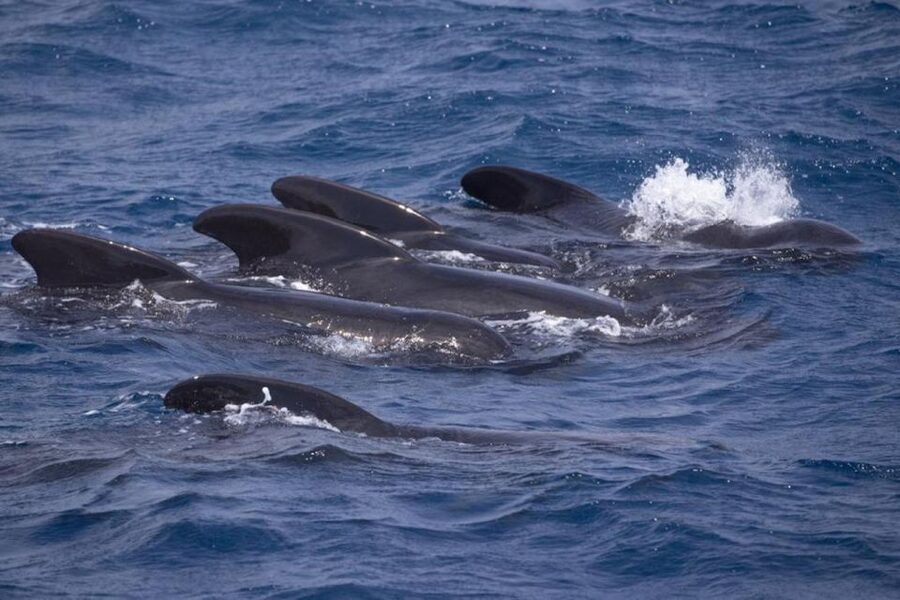
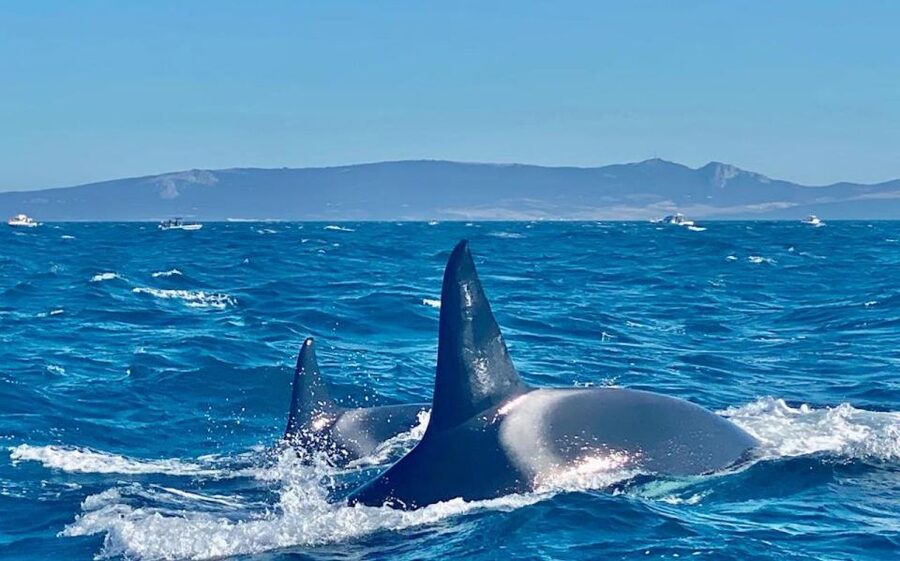
Dolphins are often the most energetic part of the experience. You may see them leap and travel alongside the boat, which is exactly the kind of behavior that makes people snap photos without even thinking. Whales can be more subtle. When they do appear, the sight has a completely different feel because you are watching something large move with calm power.
Also keep in mind that you are not booking a guarantee. The best mindset is to treat the experience like a living search, guided by what the crew is spotting out there. One of the reasons this tour earns strong satisfaction is that even when whales are not spotted, dolphins can still make the trip worthwhile, and you can still leave with a sense that you were on the right track.
Stop time at the marina: quick boarding at Marine Atlantes
There is no long land break, and that is actually a feature. Your real action starts when you leave Marine Atlantes, and the tour stays focused on being on the water long enough to have chances for sightings.
The boarding moment is the only land phase that really matters. Get your ID ready, dress for motion, and be ready to step into the day. If you are prone to seasickness, treat the ride like a situation that needs preparation, not a surprise.
Sea sickness and choppy water: the one reality check
This is the part I would plan for first, even if the forecast looks calm. The boat can be choppy, and that is when seasickness hits people unexpectedly, especially if they are looking down at phones or staying in the same position.
If you are sensitive to motion, prioritize seats and habits that keep your body stable, and keep your eyes on the horizon when possible. The goal is to make your brain feel like it understands what the boat is doing. Even for people who are usually fine, choppy water can still make the ride tiring.
The payoff is that you are less likely to let discomfort cut into your enjoyment, and when dolphins show up, you are actually ready to appreciate it.
Capture better photos in real Atlantic conditions
You do not need fancy gear to get good images, but you do need timing and steadiness. Dolphins move fast, and whales, when they appear, might give you only brief surface time.
A few practical habits help:
- Keep your camera settings ready before action starts, not after.
- Aim for behavior shots, not just distance. A dolphin leaping near the boat can look much more dramatic than a far-off splash.
- Expect sea spray and wind. Wipe your lens and check your grip so your hands do not freeze up mid-sighting.
Also, if you want sharp audio for the guide’s facts, think ahead. Choppy conditions can make it harder to hear, and having your own way to follow along can make the education portion land better.
Friendly crew energy, active searching, and why that affects value
You can feel the difference between a tour that cruises and a tour that searches. Here, the experience is built around finding where marine life is likely to show up, and that keeps things interesting even if sightings come in bursts.
Staff friendliness also matters more than people think. When the crew is helpful and the instructions are clear, you stop guessing what to do and start focusing on your job as a watcher. That is how you get more out of the “maybe today” nature of wildlife tours.
Even the shorter format supports that. Because the tour is just three hours, you benefit from a brisk search pace rather than long idle stretches.
Price and value: is $41 for 3 hours a fair deal?
At about $41 per person for a 3-hour whale watching boat tour, the value comes down to two things: time on the water and the quality of the spotting experience.
If you were only buying a ride, $41 would be harder to justify. But you are buying the combination of marine life search plus on-board guidance. The best-case outcome is whales and dolphins, and the backup outcome is dolphins and other sea life with the educational part still working.
The math is simple: you want enough time to have real chances, and you want the crew to actively help you spot what is out there. This tour is built around that structure, which is why it tends to feel like more than a casual excursion.
Who this tour is best for (and who might want alternatives)
This works well if you want:
- A half-day-ish adventure without committing all day.
- A wildlife experience centered on whales and dolphins rather than a random scenic cruise.
- An activity that combines spotting plus explanations on marine behavior and conservation.
It is not the best fit if you strongly dislike being on choppy water. Also, if you need full meals included, note that food is not provided on board, so plan accordingly.
Finally, consider it a great choice for people who love “watching with purpose.” If you enjoy scanning the sea and learning what signals to look for, you will get more out of the experience.
Quick practical checklist before you head to the marina
The tour is straightforward, but a few details matter:
- Bring passport or an ID card.
- Wear comfortable clothes that handle wind and movement.
- Leave pets at home.
- Do not bring weapons or sharp objects.
- Fishing is not allowed.
- Remember that food is not provided, so plan water and snacks if you need them.
And one operational detail to know: tickets are not transferable, and you board with the person on the ticket. So double-check names when you book.
Should you book the Barbate dolphin and whale tour?
If you are looking for a focused Cape Trafalgar wildlife outing that gives you real time on the water and includes spotting guidance, this is an easy yes. The price for three hours is reasonable for the combination of search effort, dolphin action, and the educational layer that helps your sightings mean something.
I would book it if you can handle a boat ride that may be choppy. Pack for motion, consider ways to catch the narration better if sound is hard, and go in ready to watch behavior, not just wait for a landmark splash.
If that sounds like your kind of day, you will probably leave happy, whether the headlines are whales, dolphins, or that special moment when you realize you are seeing real Atlantic marine life in action.
FAQ
How long is the whale and dolphin watching tour?
The tour lasts 3 hours. Starting times vary, so you should check availability for the exact departure.
Where does the tour depart from?
You depart from the Barbate marina area, with boarding listed at Marine Atlantes.
What is included in the ticket price?
The ticket includes admission to the 3-hour whale watching boat tour.
Is food provided on board?
No. Food is not provided on board.
Are pets allowed?
No. Pets are not allowed on this activity.
Can I get a refund if I cancel?
Yes, it offers free cancellation up to 24 hours in advance for a full refund.
Cadiz and the Costa de la Luz worth comparing before you book
- Barbate: Sunset Cruise with Glass of Cava
★ 4.2 · 213 reviews
Fresh off the desk: recent Barbate experiences we have written up
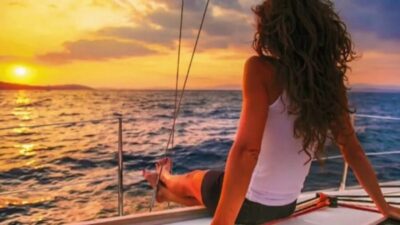
Cádiz and the Costa de la Luz, side by side.
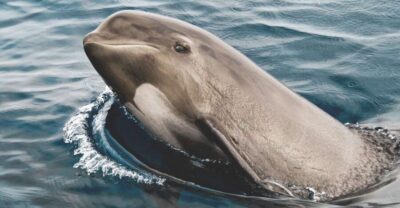 ★ 4.7Tarifa: Whale & Dolphin Watching in the Strait of GibraltarFrom $53835 reviews
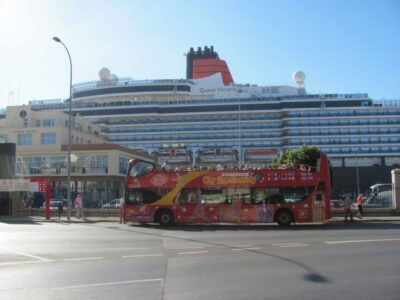 ★ 4.1Cadiz: City Sightseeing Hop-On Hop-Off Bus TourFrom $32753 reviews
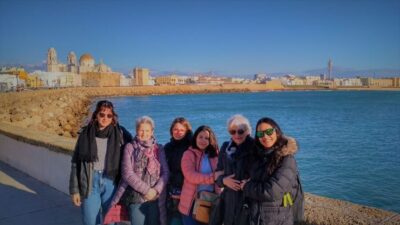 ★ 4.2From Seville: Cadiz and Jerez de la Frontera Day TripFrom $117595 reviews
 ★ 5.0Walking Tour through Cádiz: Stories from the hand of a local guideFrom $16532 reviews
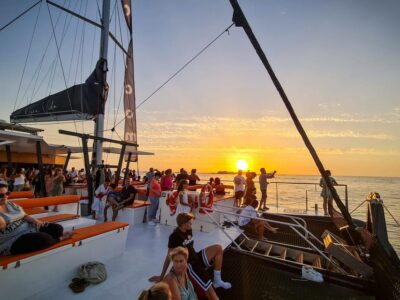 ★ 4.6Cádiz: Sunset Catamaran Cruise ToursFrom $29498 reviews
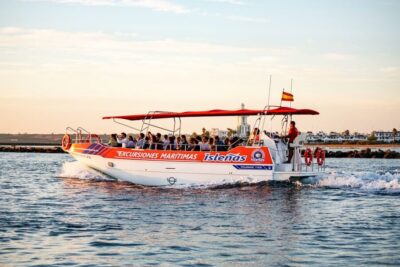 ★ 4.7Isla Cristina/Isla Canela: Boat Trip Through the MarshesFrom $16471 reviews
 ★ 4.7English Cádiz Tour: Walking Tour with Local GuideFrom $15431 reviews
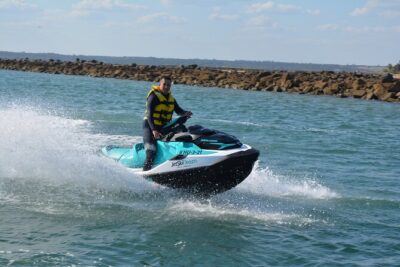 ★ 5.01 Hour Jet Ski Experience in Isla CanelaFrom $202408 reviews
This tour also sits in